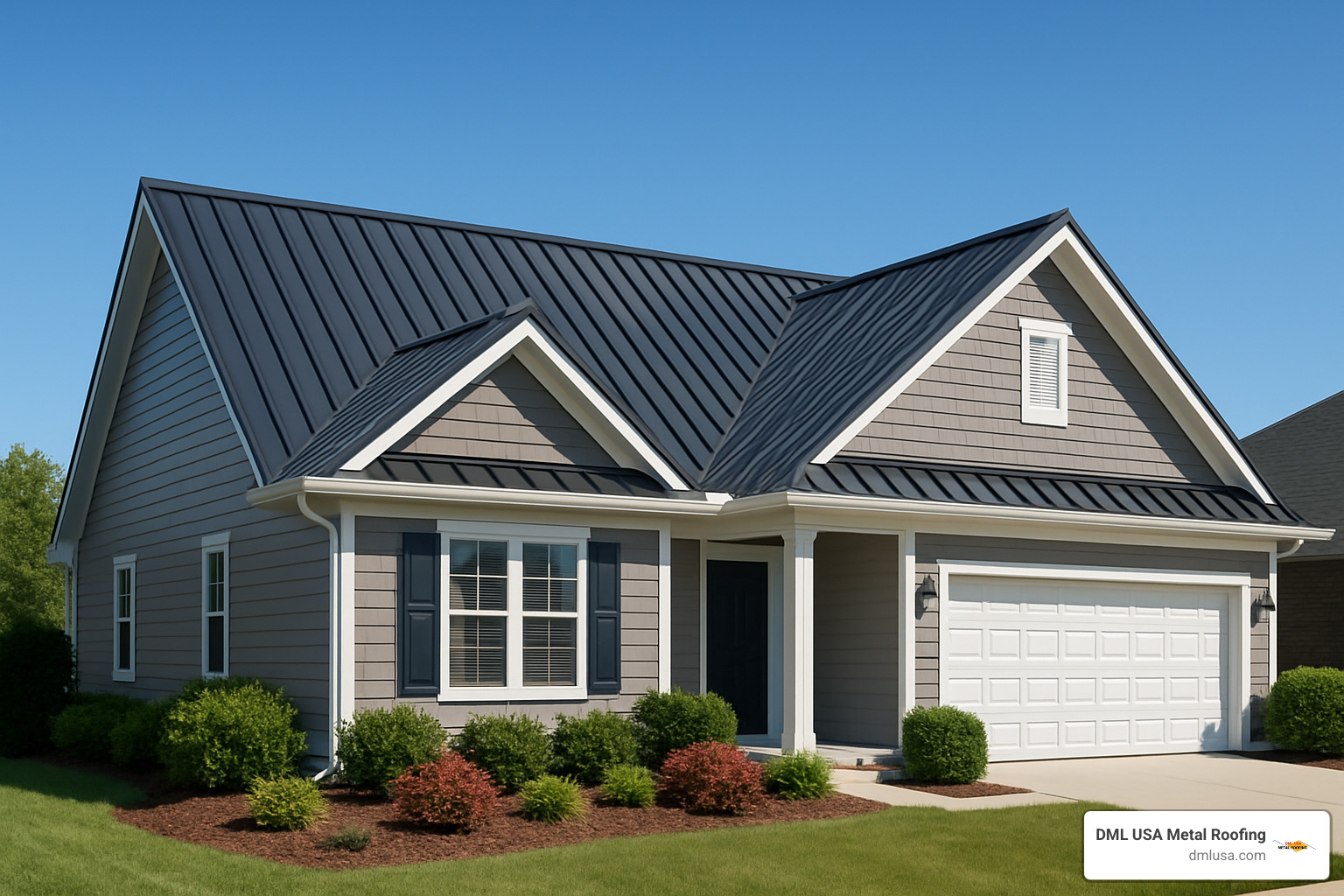
Skip to main content

Metal Roof Service: 7 Powerful Benefits for 2025 Success
Why Metal Roof Maintenance is Simpler Than You Think
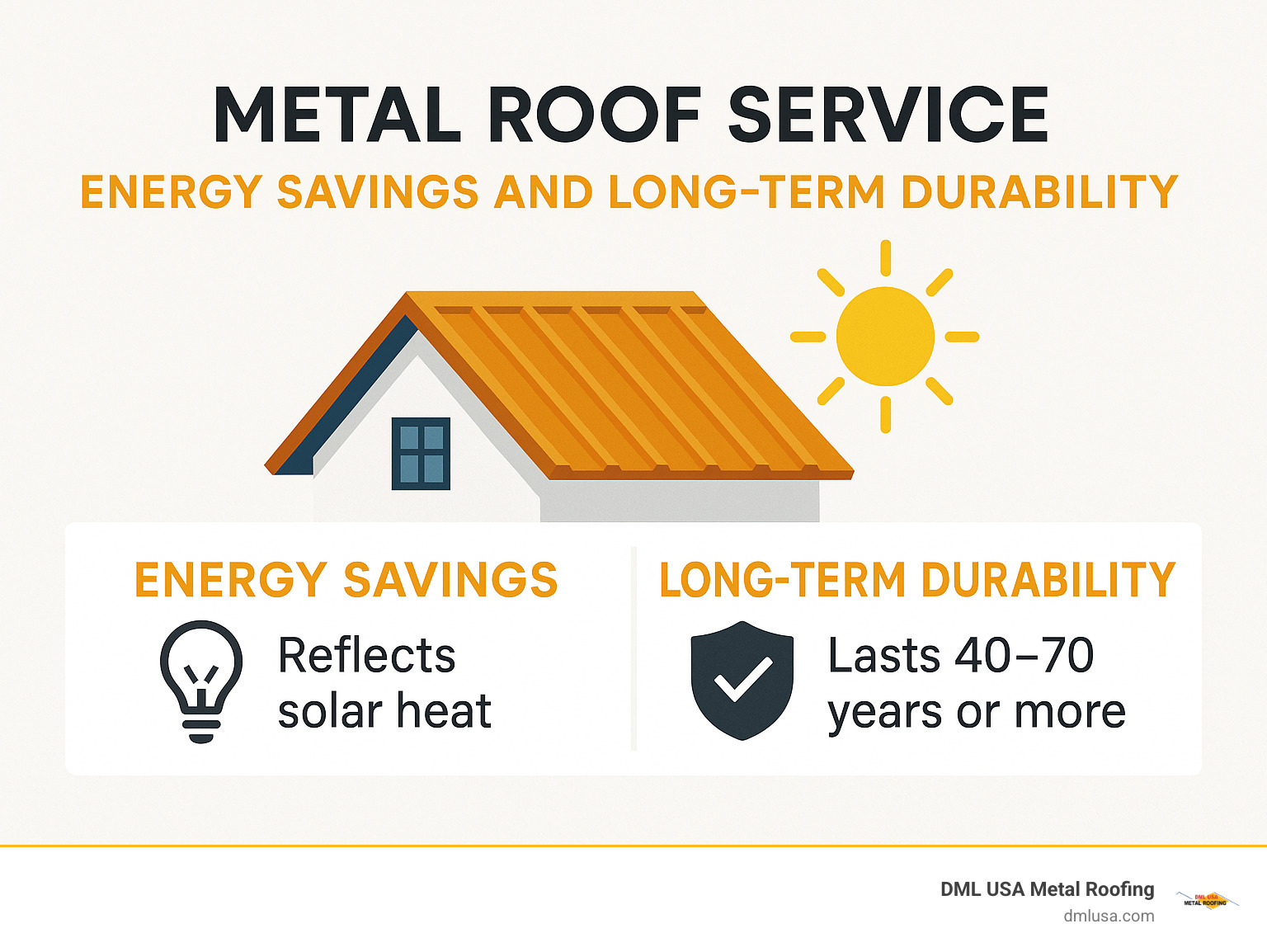
Metal roof service is one of the most cost-effective investments you can make in your home’s long-term protection. Unlike traditional roofing materials that require frequent repairs and replacements, metal roofs can last 40-70 years with minimal maintenance when properly cared for.
Essential Metal Roof Services:
– Annual inspections – $120-$400 to catch issues early
– Routine maintenance – Basic cleaning and debris removal
– Minor repairs – $380-$1,800 for typical issues like loose fasteners
– Protective coatings – Extend roof life by 10-15 years
– Professional assessment – Determine repair vs. replacement needs
The truth is, metal roofs are remarkably low-maintenance compared to asphalt shingles. While shingles typically need replacement every 12-20 years, a well-maintained metal roof can protect your home for half a century or more.
Standing seam systems are nearly maintenance-free except at pipe and vent penetrations, while exposed-fastener roofs need screw and washer replacements every 5-10 years. Both systems benefit from biannual inspections and simple cleaning routines.
As one roofing expert notes: “Metal roofs, while low-maintenance compared to other materials, still require regular attention to prevent leaks, corrosion, and aesthetic degradation.”
I’m Adam Kadziola, and I’ve spent over 15 years in metal roofing manufacturing and home renovations, helping homeowners understand exactly what metal roof service involves and why it’s so much simpler than they expect. My experience at DML USA Metal Roofing has shown me that proper maintenance education is the key to maximizing your metal roof’s incredible lifespan.
Explore more about metal roof service:
– commercial metal roofing contractors
– metal roof coating companies
– metal roofing and siding experts
Understanding Metal Roofing Systems
When you’re considering metal roof service, it helps to understand that not all metal roofs are created equal. Each system has its own personality, if you will—some are the strong, silent types, while others need a bit more attention to keep looking their best.
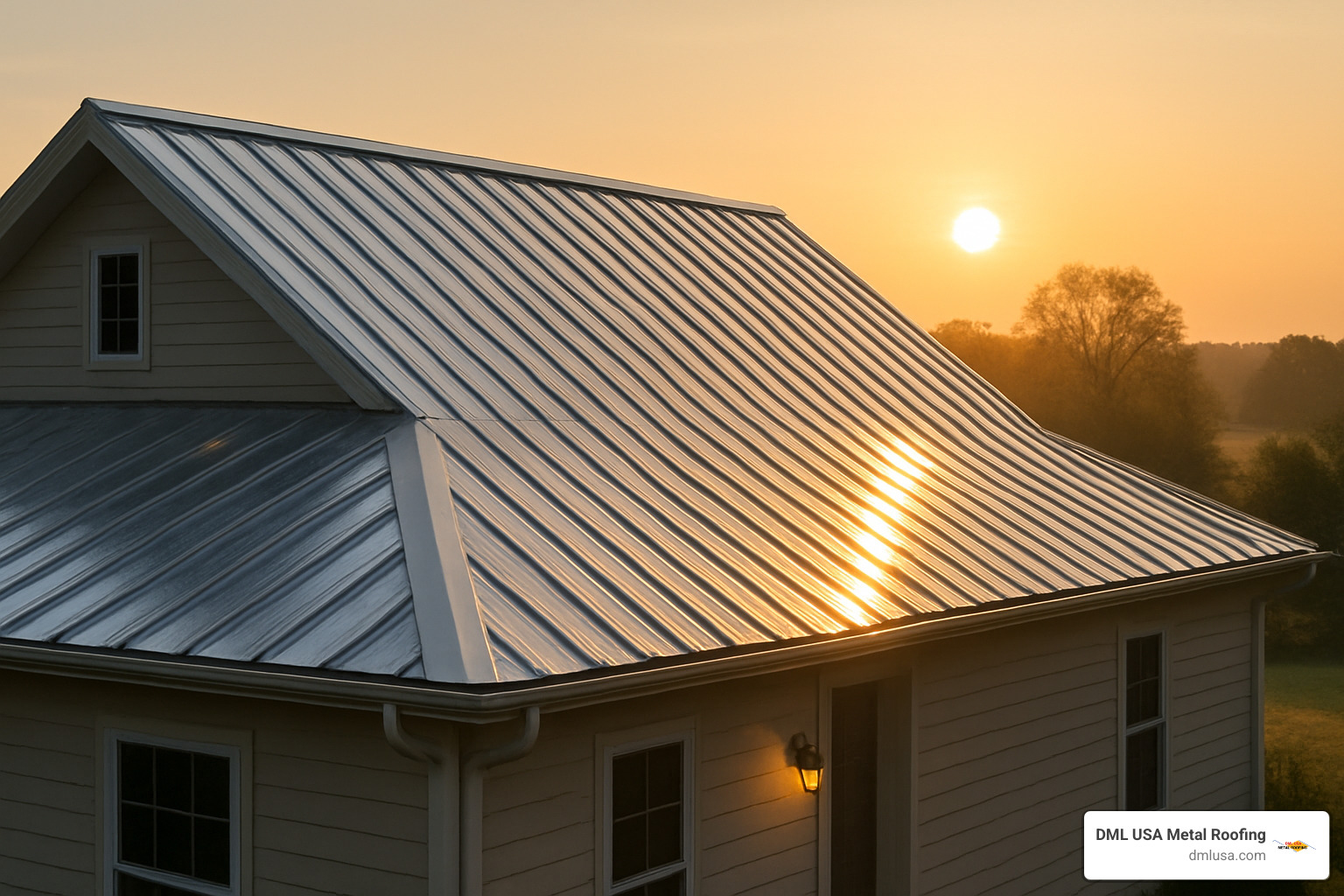
Standing seam systems are the premium option—think of them as the luxury car of metal roofing. Those raised seams completely hide the fasteners, which means weather has fewer ways to sneak in. With proper care, these beauties can protect your home for 60+ years. They’re practically maintenance-free except around pipe penetrations and vents.
Exposed fastener roofs (also called screw-down systems) are the practical choice for budget-conscious homeowners. They’re economical and straightforward to install, but here’s the trade-off: those visible screws and washers will need checking every 5-10 years due to thermal movement. It’s not a big deal—just part of their routine metal roof service needs.
Metal shingles and tiles give you the best of both worlds. Want the classic look of slate or cedar shakes but with metal’s incredible durability? These systems deliver that timeless aesthetic while lasting decades longer than traditional materials.
The material itself matters too. Copper develops that gorgeous patina and can last over a century. Aluminum laughs at coastal salt air that would destroy other materials. Galvalume offers an excellent balance of strength and affordability that’s made it incredibly popular across the country.
Benefits That Set Metal Apart
Here’s what makes metal roofing so special: it’s engineered to work with nature instead of fighting against it. The energy efficiency alone is impressive—quality metal roofs reflect up to 70% of solar radiation, keeping your attic cooler and your air conditioning bills lower.
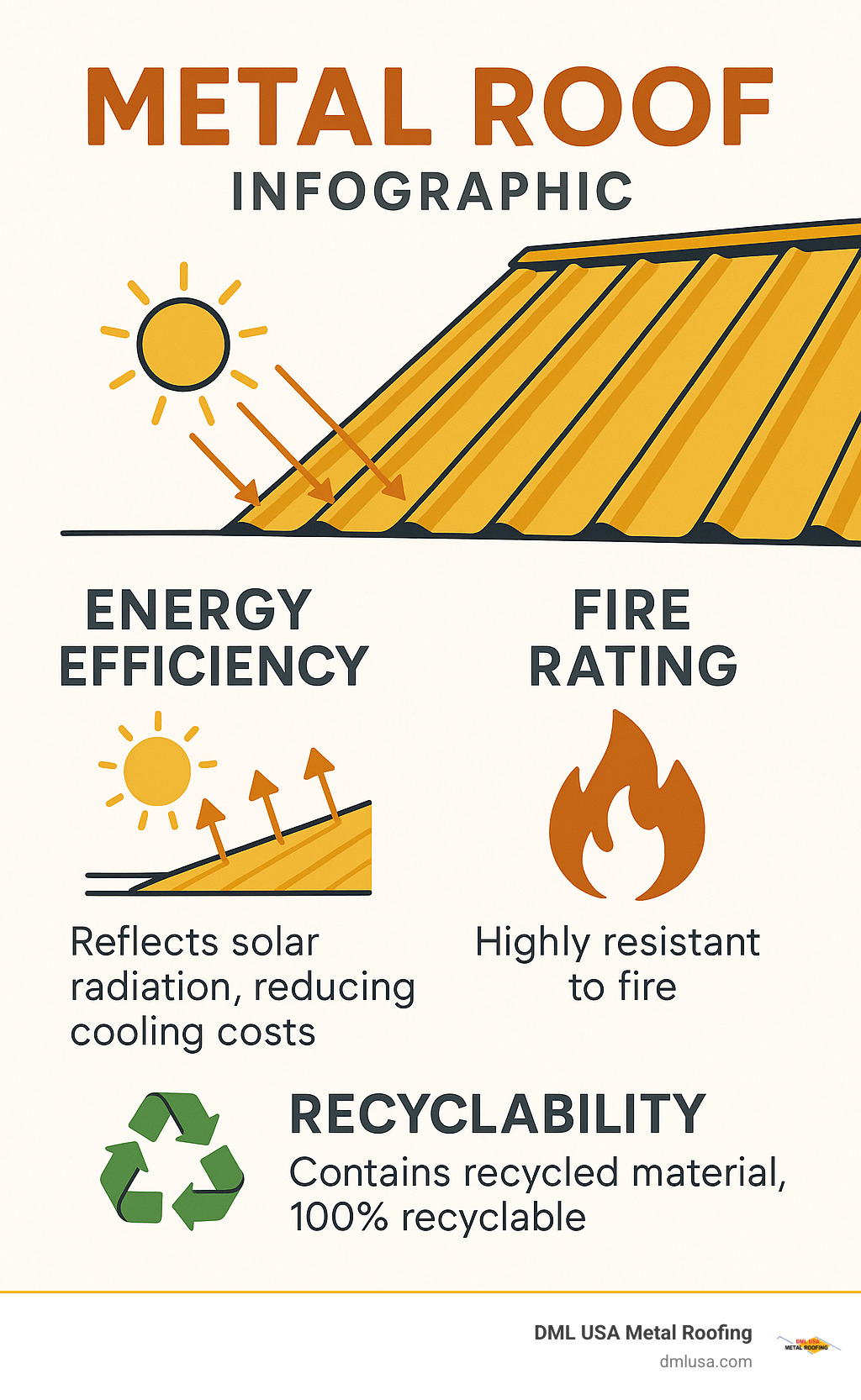
The wind-uplift strength is remarkable too. Properly installed metal roofs can handle winds of 120 mph or more—perfect for areas that see severe storms. Yet despite this incredible strength, metal roofing is surprisingly lightweight, putting less stress on your home’s structure than heavy tile or slate.
And here’s something that feels good: metal roofing is genuinely recyclable. Most panels contain up to 50% recycled content and are 100% recyclable at the end of their very long service life. It’s roofing that actually helps the environment.
Modern systems often feature cool roof technology with solar-reflective coatings that can qualify for energy tax credits. Plus, every metal roof earns a Class A fire rating and excels at resisting hail damage—benefits that often translate to lower insurance premiums.
Lifespan Factors
What determines how long your metal roof will last? Panel gauge is crucial—thicker panels (lower gauge numbers) resist denting and last longer. The protective coatings matter enormously too. PVDF finishes and quality anti-rust primers are what separate a 40-year roof from a 70-year roof.
Installation quality might be the most important factor of all. Even premium materials will underperform if installed incorrectly. That’s why working with certified professionals makes such a difference in your roof’s long-term performance.
Climate stress from hail, salt air, heavy snow, and temperature swings all impact service life. But here’s the good news: regular metal roof service and maintenance help your roof handle whatever Mother Nature throws at it, often for half a century or more.
Common Issues & Early Warning Signs
Metal roofs are incredibly durable, but they’re not invincible. The good news? Most problems start small and give you plenty of warning before they become expensive headaches. Learning to spot these early signs can save you thousands in metal roof service costs down the road.
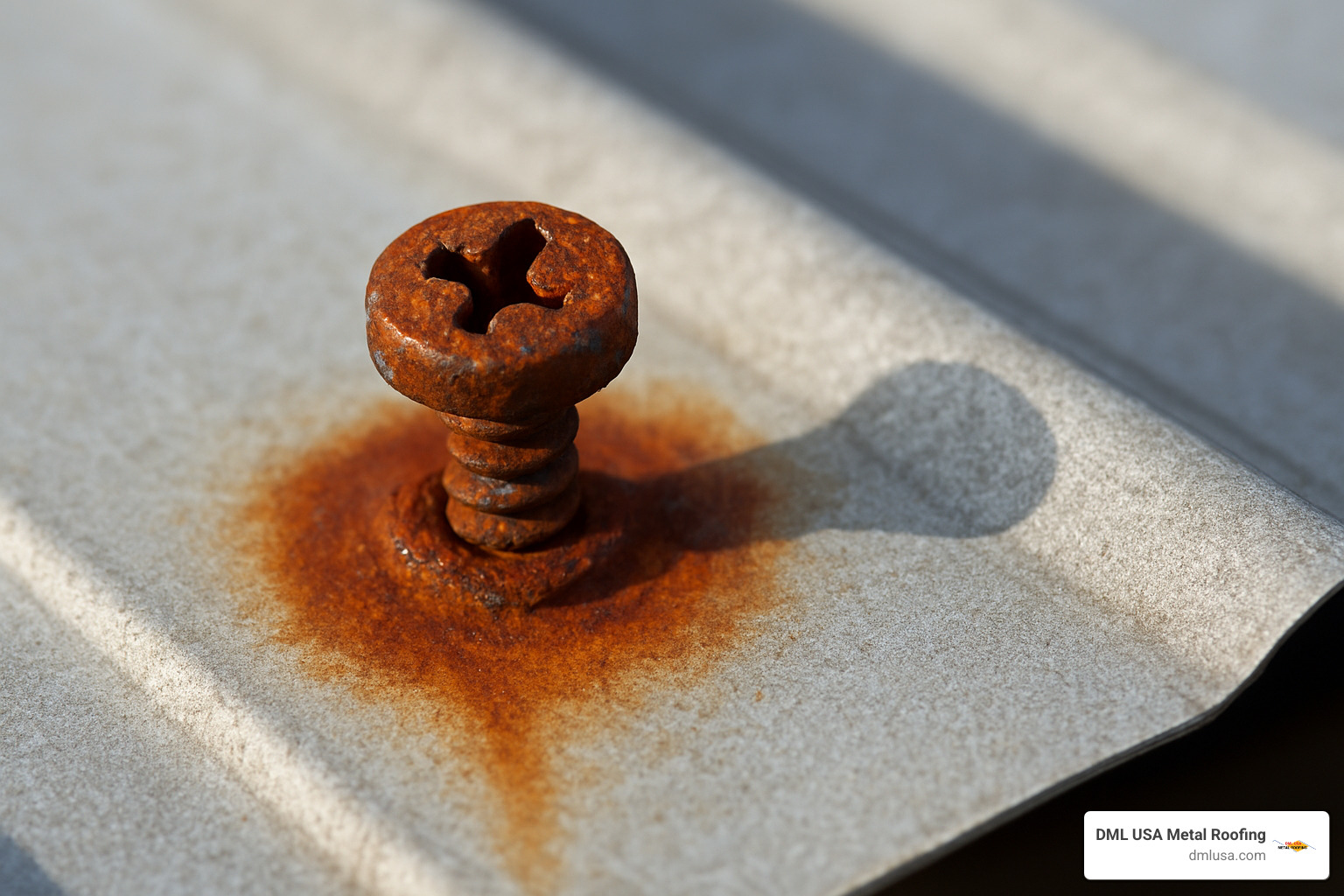
Rust spots are often the first red flag you’ll notice. They typically show up around scratches or areas where the protective finish has been damaged. Don’t panic—a few small rust spots don’t mean your roof is failing, but they do need attention before they spread.
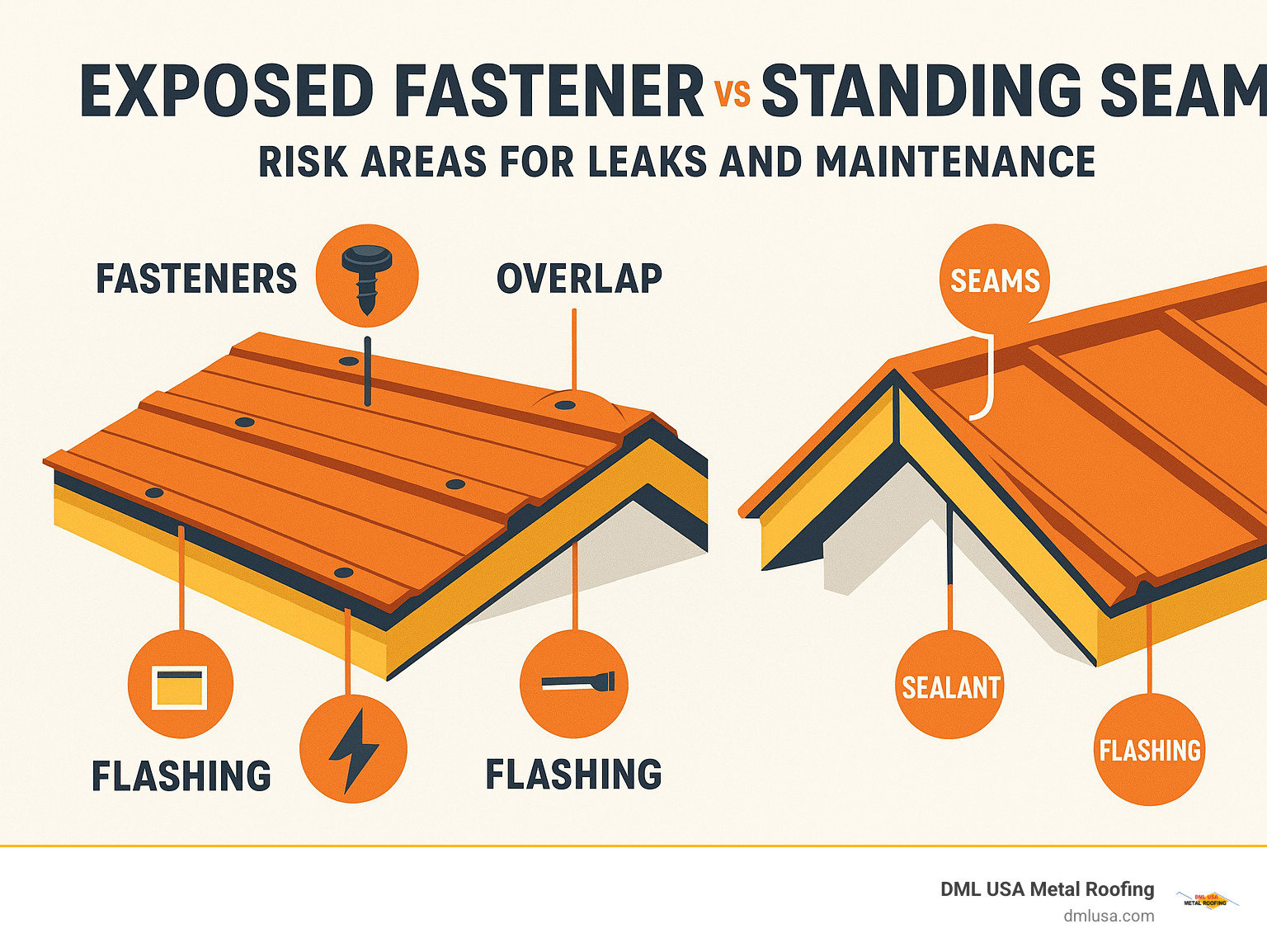
Loose fasteners are especially common on exposed-fastener systems. Metal expands and contracts with temperature changes, and over time, this thermal movement can cause screws and washers to back out slightly. It’s completely normal, but those loose spots become entry points for water if left unchecked.
Seam separation can occur on standing seam roofs, particularly older installations. The same thermal expansion that affects fasteners can gradually open up seams if the roof wasn’t designed with enough room for movement.
The real trouble spots are usually around flashing gaps—those critical seals around chimneys, skylights, and vents. These areas work overtime to keep water out, and they’re often the first places where age and weather take their toll.
Oil-canning—that wavy, rippled appearance some metal roofs develop—usually looks worse than it actually is. It’s typically a cosmetic issue caused by stress in the panels, though severe cases might signal installation problems.
Ponding water on flatter sections of your roof is more serious. Standing water accelerates corrosion and puts extra stress on seams and fasteners. If you notice areas where water doesn’t drain properly, that’s a priority fix.
Inside your home, watch for insulation wetness, interior stains, or mold odor. These are clear signs that water is getting past your roof’s defenses. Even small leaks can soak insulation, reducing your home’s energy efficiency and creating perfect conditions for mold growth.
Thermal movement is just part of how metal roofs work. The key is making sure your roof was installed with enough flexibility to handle this natural expansion and contraction without creating stress points.
Pro Tip: Most leaks and problems start small—around fasteners, seams, or penetrations. Catching them early with regular checks can save thousands down the line.
The beauty of metal roofing is that these warning signs are usually visible and fixable long before they become major problems. A little attention goes a long way toward protecting your investment.
DIY Inspection & Routine Maintenance
The best part about metal roof service? Most of the routine care is surprisingly simple and well within reach of any handy homeowner. You don’t need a contractor’s license or fancy equipment—just some basic tools and a commitment to checking on your roof a couple times a year.
Safety First
Before we dive into the fun stuff, let’s talk safety. Always use a safety harness when you’re up there—metal roofs can be slippery, especially when wet. A sturdy ladder and soft-soled shoes will keep you stable without scratching your beautiful panels.
And here’s a pro tip from my years in the business: if it’s wet, icy, or even just dewy outside, stay off the roof. Your metal roof service can wait a day for better conditions.
Basic Maintenance Steps
Think of metal roof maintenance like washing your car—a little regular attention keeps everything looking great and functioning perfectly. Start by clearing off debris with a soft-bristle broom. Those autumn leaves might look pretty, but they can trap moisture and cause problems down the road.
Washing gently with mild detergent and a microfiber cloth works wonders for removing grime without damaging the finish. Skip the pressure washer—it’s overkill and can force water where it doesn’t belong.
Clean gutters are absolutely critical. Clogged gutters mean standing water, and standing water is metal’s biggest enemy. While you’re at it, trim those overhanging branches. They’re not just dropping debris—they can scratch your panels during windy weather.
Winter brings its own challenges. Remove snow loads with a non-metallic roof rake to avoid damaging the coating. Heavy snow can stress your roof structure, especially on older homes.
Don’t forget to touch up sealant around vents, flashings, and seams. A tube of quality caulk costs about $5 and can prevent thousands in water damage. Finally, inspect annually—whether you do it yourself or hire a pro, that yearly check-up is your roof’s best friend.
Find more info about maintenance services
Seasonal Checklist
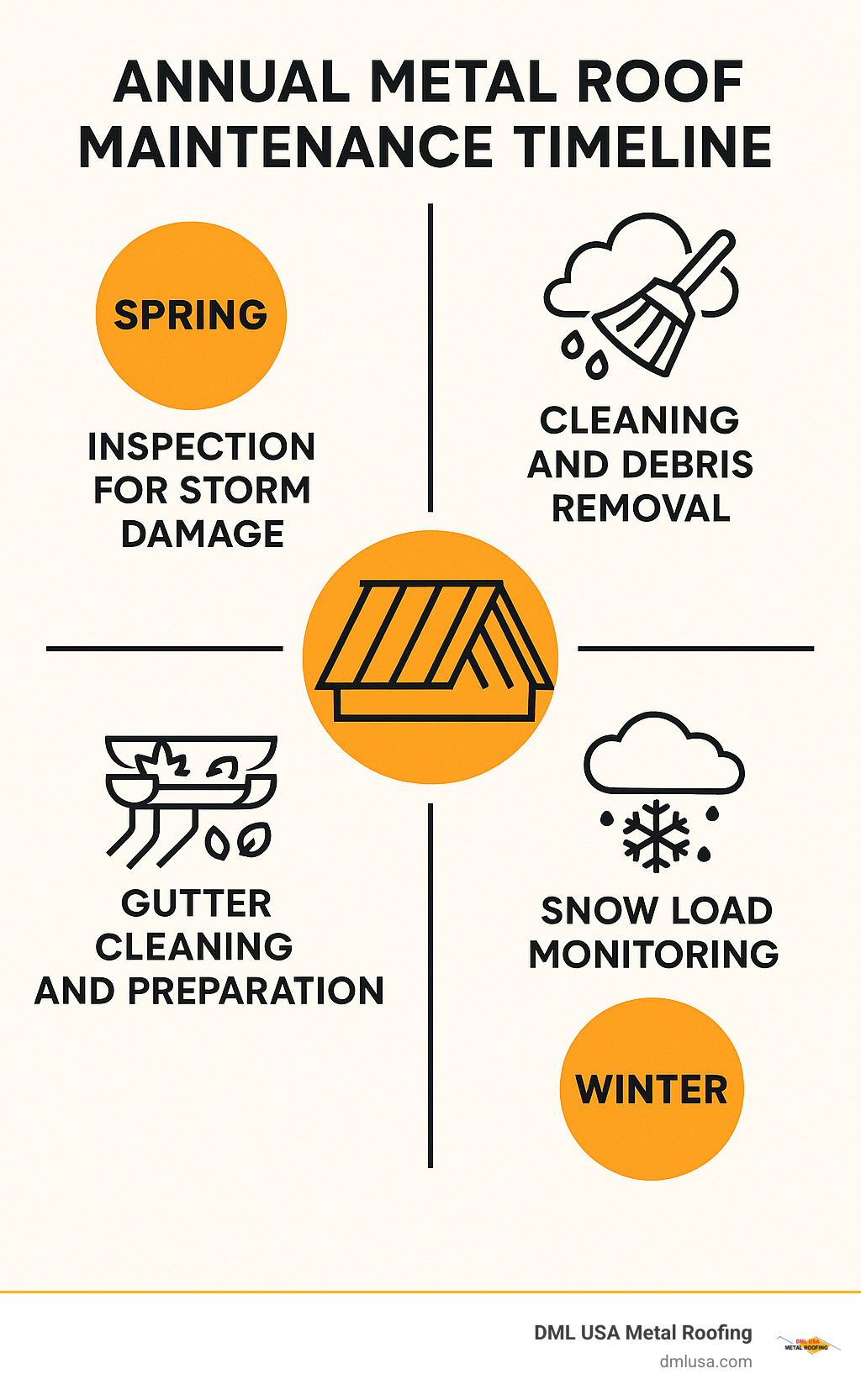
Each season brings different challenges for your metal roof. Spring is perfect for checking storm damage—look for dents, scratches, or debris that winter left behind. Summer heat can fade paint over time, so inspect for chalking or color changes, and clean off dust and pollen buildup.
Fall is all about preparation. Remove fallen leaves and clean gutters before winter arrives. Winter requires monitoring snow loads and watching for ice dams, especially after heavy storms.
Caring for Fasteners & Seams
Here’s where the rubber meets the road—literally. Torque checks on loose screws and hunting for backed-out fasteners can prevent most leak problems before they start. Those rubber gaskets on exposed-fastener systems need replacement every 5-10 years as they dry out and lose their seal.
Re-caulking penetrations around vents, chimneys, and skylights is where most DIY metal roof service pays off big time. These spots are naturally leak-prone, but a little attention keeps them watertight for years.
If you have a standing seam system, count yourself lucky—the hidden fasteners mean less maintenance. But you’ll still want to check penetrations and panel ends where problems typically start.
Repair Options: Patch, Coat, Retrofit, or Replace?
When your metal roof shows signs of trouble, don’t panic—most problems don’t mean you need a whole new roof. The right metal roof service depends on the issue, your budget, and how long you want your roof to last.
Let’s break down the main repair and restoration options:
| Solution | Best For | Typical Cost | Lifespan Added | Downtime |
|---|---|---|---|---|
| Patch | Small holes, isolated rust | Low ($) | 5–10 years | Minimal |
| Elastomeric Coating | Widespread surface wear, seam leaks | Moderate ($$) | 10–15 years | 1–2 days |
| Membrane Retrofit | Major seam/failure, want insulation | High ($$$) | 20+ years | 2–5 days |
| Full Replacement | Structural damage, end-of-life | Highest ($$$$) | 40–70 years | 1+ week |
Small Problems? Patch It!
For tiny holes or a patch of rust, a quick fix can go a long way. First, scrape away loose rust and old paint with a wire brush. Clean the spot with mineral spirits or a similar solvent. Next, apply a high-quality polyether sealant (make sure it matches your panel type—it’s like sunscreen for your roof). For larger holes, screw down a matching metal patch and seal all the edges. Finally, cover your work with a protective top-coat or matching paint. Patching is usually cheap, fast, and can add up to 10 years of life to your roof.
Thinking Bigger? Consider Coating.
If your roof has a lot of worn spots or small leaks, an elastomeric coating could be the answer. These flexible, weatherproof coatings seal seams, stop leaks, and reflect sunlight—helping keep your attic cooler in summer. Many coatings add 10–15 years of life and can even come with new warranties. Coating is less disruptive than replacing panels and is often finished in just a day or two.
Retrofit or Replace?
If your roof is in rough shape but still structurally sound, a membrane retrofit might be the best move. This involves installing a new waterproof membrane (and often more insulation) right over your existing roof. It’s a smart way to boost energy efficiency and meet today’s building codes—plus, it adds 20 years or more of protection.
However, if you’re dealing with major rust-through, failing panels, or structural problems, it might be time for a full replacement. Yes, it’s a bigger investment, but you’ll get a fresh start and up to 70 years of peace of mind.
Still not sure what’s best for your roof? Read our Complete Guide to Metal Roof Maintenance and book a FREE inspection to get expert advice custom to your situation.
No matter what repair option you choose, a quality metal roof service can save you money, add years of life to your roof, and help you avoid the stress of leaks and emergency repairs.
Choosing a Professional Metal Roof Service
Sometimes, even the most careful homeowner needs the help of a seasoned metal roof service team. Whether you’re facing a mystery leak, a patch of stubborn rust, or just want to keep your roof in tip-top shape for decades, choosing the right professionals really matters. Let’s walk through how to find—and recognize—a reliable metal roofing contractor.
First, always check for licensing and insurance. It’s non-negotiable. This protects both you and the crew working overhead. Next, look for manufacturer certification. Certified installers—like the ones at DML USA Metal Roofing—are specially trained to handle your specific panels and coatings, and they follow all the best practices set by the manufacturer. This isn’t just about following the rules; it makes sure your warranty stays valid and your roof performs as promised.
A trustworthy contractor won’t hesitate to share references. Ask for recent jobs or local customers you can talk to. Happy homeowners are the best proof that a metal roof service does what it promises. Some companies also offer maintenance programs, with annual or biannual inspections at a discount. These programs can save you money and help catch small problems before they get big.
Don’t forget about warranties. Look for long-term, transferable warranties that cover both materials and labor. This gives you peace of mind—not just for yourself, but for anyone who might own your home next. And finally, check the company’s safety record. Roofing is high-stakes work, and a strong safety history says a lot about how a company operates.
So, when should you call in the pros? If you’re dealing with persistent leaks, spreading rust, or lots of fasteners coming loose, it’s time to get help. Storm or hail damage is another red flag, as is a roof that’s simply reached the end of its expected life. Don’t wait for interior stains or musty odors—early intervention is always cheaper (and less stressful).
Wondering about the costs? A professional inspection usually runs between $120 and $400, depending on your roof’s size and design. Most repairs—like replacing fasteners or sealing seams—fall between $380 and $1,800. If you have an exposed-fastener system, plan for a screw or gasket replacement every 5–10 years. Coating and repainting prices depend on your roof and the products used (typically charged by the square foot). Of course, a full replacement is a bigger investment up front, but it delivers 40–70 years of protection and peace of mind.
Curious why so many Illinois families and businesses trust DML USA Metal Roofing? Why Choose Metal Roofing
When you’re ready to protect your investment and enjoy worry-free performance, a professional metal roof service is your best friend—now and for years to come.
Frequently Asked Questions about Metal Roof Maintenance
How often should I inspect my metal roof?
Here’s the simple truth: your metal roof needs a professional inspection at least once a year to catch small issues before they become expensive headaches. Think of it like your annual doctor checkup—a little prevention goes a long way.
If you have an exposed-fastener system, I recommend bumping that up to twice yearly inspections in spring and fall. These systems need more attention because the screws and washers expand and contract with temperature changes throughout the seasons.
Don’t forget to do your own quick visual scan after major storms. You’re not looking for anything complicated—just obvious damage like dents from hail or branches that might have fallen. If something looks off, that’s when you call in a metal roof service professional.
Can I install metal panels over existing shingles?
This is one of my favorite questions because the answer is usually yes, you absolutely can! Installing metal panels over a single layer of asphalt shingles is not only possible, it’s actually pretty smart from both a cost and environmental standpoint.
You’ll save money on tear-off costs and keep those old shingles out of the landfill. The existing shingles even act as an extra layer of insulation and sound dampening. It’s like getting a bonus with your new roof.
But here’s the catch—and there’s always a catch, right? Your local building codes and roof structure get the final say. Some areas have restrictions, and older homes might need structural evaluation first. That’s why it’s worth having a professional take a look before you get too excited about the savings.
What warranties are common for metal roofing systems?
Now this is where metal roofing really shines! High-quality metal roofing systems often come with lifetime or 40-50 year warranties—and many of these are transferable to the next homeowner. Try getting that kind of coverage with asphalt shingles!
Coating and retrofit systems typically offer 10-20 year warranties, which is still impressive when you consider you’re essentially giving your existing roof a new lease on life.
Here’s my professional advice: always get warranty details in writing before your project begins. Don’t just take someone’s word for it. A good metal roof service contractor will be happy to explain exactly what’s covered, what’s not, and how long the protection lasts.
The warranty is only as good as the company backing it, so choose a manufacturer like DML USA Metal Roofing that’s been around and plans to stay around. After all, a 50-year warranty doesn’t mean much if the company disappears in five years!
Conclusion
With the right care, a metal roof truly is a “one-and-done” upgrade—delivering decades of curb appeal, energy savings, and freedom from constant repairs. Few roofing choices match that peace of mind or protect your wallet for so long.
At DML USA Metal Roofing, we believe that regular, simple maintenance lets you enjoy your investment for 40, 50, or even 70 years. A little attention today means you can rest easy through storms, hot summers, and cold Illinois winters—knowing your roof is tough, efficient, and ready for whatever comes next.
If you want true confidence overhead, let us help. Our metal roof service team is here to support you at every stage, from free inspections to decades of dependable performance. You’re not just getting a metal roof—you’re getting a partner in protection.
Ready for lasting peace of mind? Contact us for a free roof evaluation and see how easy it is to keep your metal roof performing beautifully for decades.