 Skip to main content

High-Quality Roofing Materials: 10 Best Durable Choices 2025
What Makes High-Quality Roofing Materials Essential for Your Home?
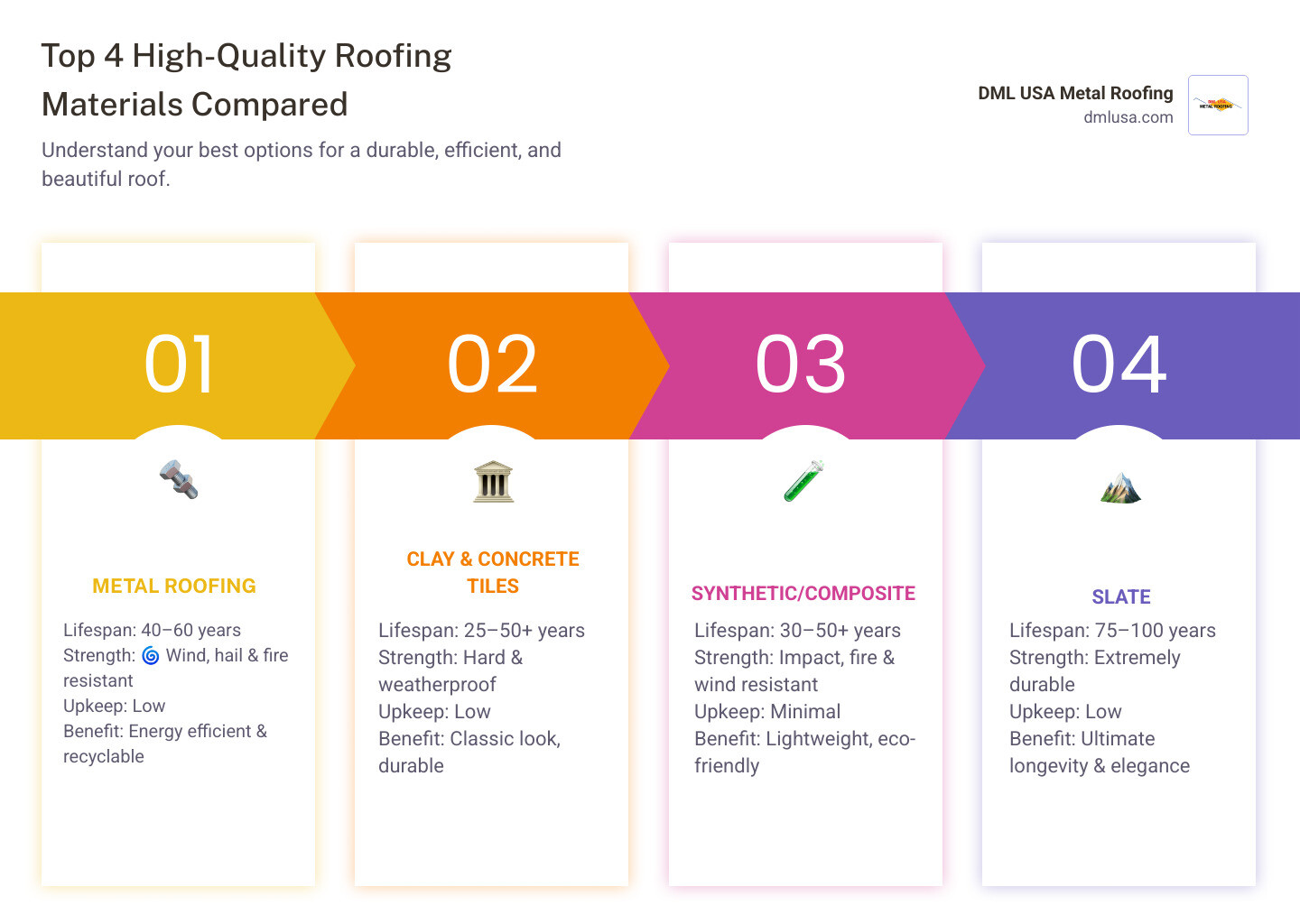
High-quality roofing materials give you a durable, low-maintenance roof that resists wind, hail, fire and everyday wear while boosting curb appeal. If you’re comparing options, start here:
| Material | Lifespan | Durability | Maintenance | Cost (per sq) | Key Benefits |
|---|---|---|---|---|---|
| Metal Roofing | 40–60 years | Very high (wind, hail, fire) | Very low | $850–$1,140 | Energy efficient, recyclable |
| Clay/Concrete Tiles | 25–50+ years | High | Low | $200–$2,000 | Classic look, long-lasting |
| Synthetic/Composite | 30–50+ years | High (impact, fire, wind) | Minimal | $310–$500 | Lightweight, eco-friendly |
| Architectural Shingles | 20–30 years | Moderate | Moderate | $350–$1,500 | Affordable, easy install |
| Slate | 75–100 years | Extremely high | Low | $1,000–$3,000 | Premium, highest longevity |
| Cedar Shakes | 20–30 years | Moderate | High | $400–$1,400 | Rustic look, insulation |
For most homeowners, metal roofing or modern synthetic/composite products offer the best blend of longevity, strength and energy savings.
I’m Adam Kadziola, founder of DML USA Metal Roofing. After decades of helping Illinois families choose the right roof, I believe it should be the last one you ever need.
Important high-quality roofing materials terms:
– commercial roofing Chicago
– durable roofing Chicago
Roofing Anatomy & Key Decision Factors
Think of your roof like a well-orchestrated team—every player has a job, and when they work together, magic happens. High-quality roofing materials are just the star players; the supporting cast makes all the difference.
Your roof is actually a sophisticated system with several layers working behind the scenes. The roof deck serves as your foundation—typically made from plywood or OSB sheathing, it’s what everything else builds upon. Above that, underlayment acts like a security guard, creating a waterproof barrier that catches any moisture that sneaks past your main roofing material.
Flashing might sound boring, but it’s your roof’s unsung hero. These metal strips seal all the tricky spots where water loves to cause trouble—around chimneys, vents, and where roof planes meet. Without proper flashing, even the best roofing materials can fail.
Don’t forget about ventilation—your roof needs to breathe. Proper intake and exhaust systems regulate temperature and moisture, preventing ice dams in winter and reducing cooling costs in summer. Poor ventilation can cut your roof’s lifespan in half, no matter how good your materials are.
Understanding roof slope helps you choose the right materials. Some work great on steep pitches but fail on low slopes. When contractors talk about “roofing squares,” they mean 100-square-foot sections—this is how materials get priced and measured.
Materials typically make up about 55% of your total project cost, with labor around 35%. The remaining 10% covers permits, disposal, and extras.
Storm resilience should be at the top of your priority list. Scientific research on storm-resistant construction shows that proper installation techniques and smart material choices can dramatically boost your home’s ability to weather severe storms.
Building Code Essentials
Building codes aren’t red tape—they’re your safety net, developed from hard-learned lessons about what works and what doesn’t.
Permits are required for most roofing projects, and you want that. The inspection process catches problems before they become expensive disasters. Wind-uplift ratings ensure your materials can handle your area’s typical wind speeds—crucial information that varies dramatically by region.
Fastening patterns might seem like overkill, but specific nail or screw placement patterns are scientifically designed for optimal performance. Skip these requirements, and your warranty could vanish along with your roof in the next storm.
Inspection timing involves critical checkpoints during installation. These aren’t just bureaucratic hoops—they’re moments when trained eyes can spot issues while they’re still easy to fix.
Take Florida’s building codes as an example. They require sealed roof decking that can reduce water infiltration by up to 95% during storms. These aren’t arbitrary rules—they’re responses to real climate challenges that protect real families and homes.
High-Quality Roofing Materials: Complete Guide

Choosing the right roofing material can feel overwhelming with so many options available. Let me walk you through each type of high-quality roofing materials so you can make an informed decision that fits your home, climate, and budget.
Asphalt shingles are still America’s most popular choice, and for good reason. They’re affordable at $75 to $350 per square and relatively easy to install. Most architectural shingles will give you 20-30 solid years of protection. While they’re not the longest-lasting option, they’re a smart choice if you’re working with a tight budget or planning to move within the next decade.
Clay and concrete tiles bring that timeless Mediterranean look that never goes out of style. Clay tiles naturally promote air circulation underneath, which helps keep your home cooler in summer. Concrete tiles offer similar durability at a friendlier price point. Both can last 25-50 years or even longer with proper care. Just remember—these beauties are heavy, so your roof structure might need some reinforcement.
For the ultimate in longevity, slate roofing is the gold standard. We’re talking 75-100 years of protection with minimal fuss. It’s the roof your great-grandchildren might still be enjoying. The catch? Slate requires specialized installation and structural reinforcement, making it a premium investment.
Wood shakes and shingles offer natural beauty that ages gracefully and provides excellent insulation. They typically last 20-30 years in most climates. However, they need regular maintenance and aren’t suitable for fire-prone areas—something to consider carefully depending on where you live.
Solar shingles represent the cutting edge of roofing technology, generating electricity while protecting your home. Green roofs with living vegetation are gaining popularity in urban areas for their environmental benefits and unique aesthetic appeal.
Metal Roofing & Other High-Quality Options
Here’s where things get exciting. Metal roofing has come a long way from the old barn tin you might remember. Today’s metal roofs are sophisticated systems that can outlast just about everything else on your home.
Standing seam metal roofing uses concealed fasteners and interlocking panels that expand and contract with temperature changes without missing a beat. These systems can handle winds up to 160 mph and laugh off hail that would damage other materials.
What makes metal roofing special? Corrosion resistance keeps it looking great for decades. Most metal roofs earn a Class A fire rating, giving you peace of mind in fire-prone areas. Many also achieve Class 4 impact resistance—the highest rating available for hail protection.
The energy savings are real too. Reflective coatings can cut your cooling costs by up to 20%, and when it’s time to replace your roof decades from now, metal is 100% recyclable.
For more detailed information about these benefits, check out Why Choose Metal Roofing.
Synthetic & Composite Innovations
The newest players in the roofing game are synthetic and composite materials, and they’re impressive. These high-quality roofing materials combine recycled content with advanced polymers to create lightweight alternatives that look like traditional materials but perform much better.
Lightweight design means no structural reinforcement needed—your existing roof structure can handle them just fine. Many come with 50-year warranties that are often transferable to new homeowners, adding value if you decide to sell.
Cool pigments in these materials reflect heat while maintaining their color, keeping your home cooler and your energy bills lower. The recycled content makes them an eco-friendly choice without sacrificing performance.
Here’s the kicker: composite roofing can last 50 years in challenging climates without needing maintenance or repairs. We’re talking virtually maintenance-free performance with just occasional cleaning to keep them looking their best.
Performance Showdown—Durability, Lifespan & Maintenance
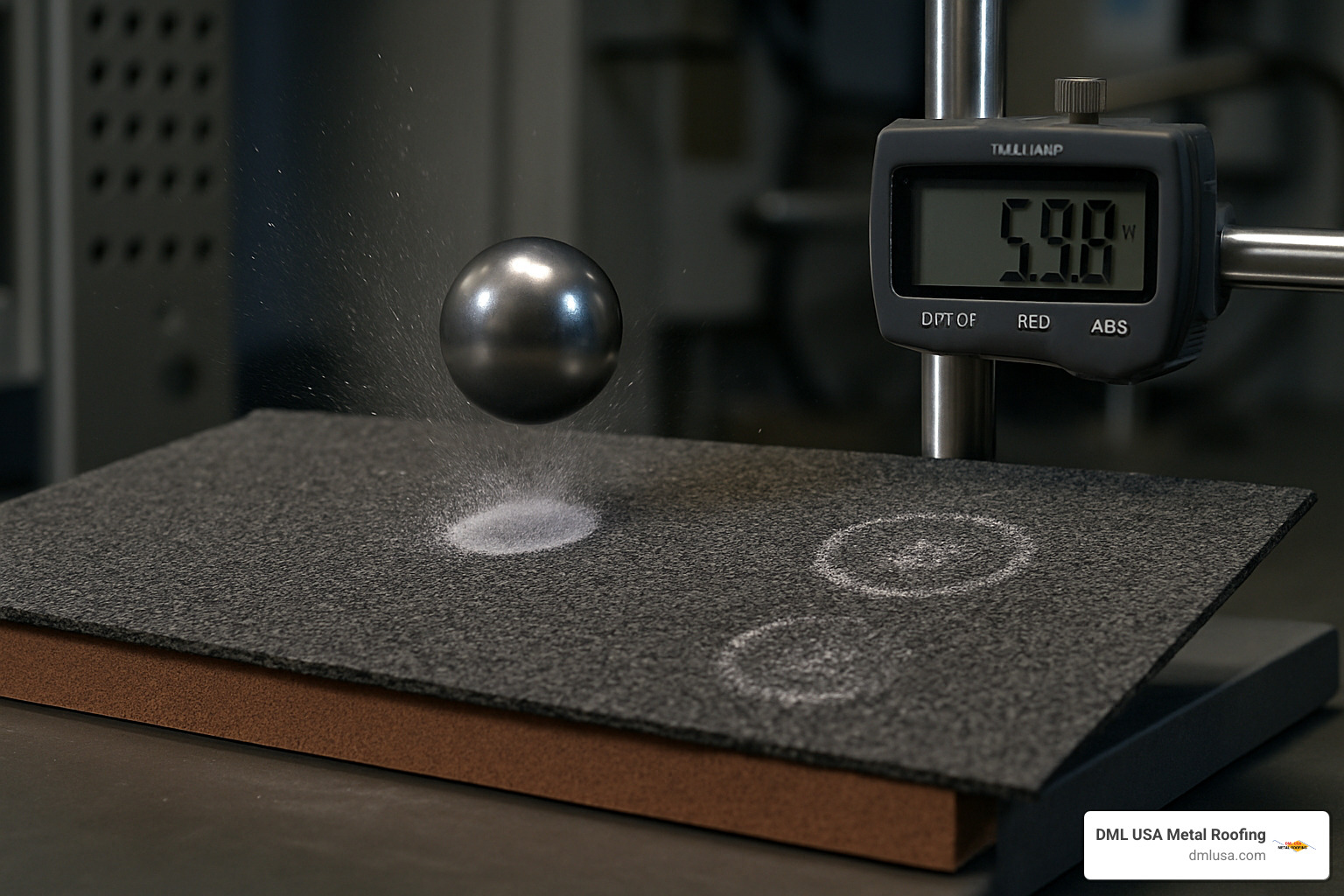
When it comes to high-quality roofing materials, how they perform against real-life challenges is what really matters. After all, your roof’s job is to stand strong—even when Mother Nature throws her worst at it.
Wind resistance is a major factor, especially if you live where storms love to visit. Metal shingles can handle winds up to 160 mph, and some top-tier composites are rated even higher—up to 211 mph. That’s the kind of peace of mind you want during hurricane season.
Impact resistance is another key metric, especially if hail is a regular visitor. Materials with a Class 4 impact rating, like metal roofing and many synthetics, offer the best protection against hail damage. Asphalt shingles don’t always make the grade and might need more repairs after a big storm.
Fire ratings matter, too. A Class A fire rating is the gold standard in fire safety. Metal roofing, clay tiles, and synthetic composites typically hit this mark, keeping your home safer if sparks ever fly.
Now, let’s talk about maintenance—because who really wants to spend weekends on a ladder? Metal roofing takes the crown here, being virtually maintenance-free. Synthetic composites are a close second, needing only occasional cleaning. Clay and concrete tiles require a reseal every few years. Asphalt shingles should be checked regularly for damage, while wood shakes need annual treatments and more hands-on care.
Warranties can be a maze to steer. Many brands offer “lifetime” coverage, but read the fine print—most cover the full value for about ten years, then coverage starts to drop off. If you want the best long-term value, look for non-prorated warranties that keep your investment protected for longer.
To help you compare at a glance, here’s a quick table of material lifespan vs. upkeep:
| Material | Lifespan | Maintenance Needed |
|---|---|---|
| Metal Roofing | 40–60 years | Very low |
| Clay/Concrete Tiles | 25–50+ years | Reseal every few years |
| Synthetic/Composite | 30–50+ years | Minimal cleaning |
| Asphalt Shingles | 20–30 years | Regular checks/repair |
| Wood Shakes | 20–30 years | Annual treatment |
| Slate | 75–100 years | Low |
Choosing high-quality roofing materials is really about balancing how long a roof will last, how much care it needs, and how it protects your home. At DML USA Metal Roofing, we believe that your roof should be the last thing you worry about—so you can enjoy more sunny days and fewer ladders in your future.
Climate, Energy & Sustainability Considerations
Mother Nature doesn’t play favorites, and your roof needs to stand up to whatever she throws at it. When choosing high-quality roofing materials, understanding how they perform in your specific climate can mean the difference between decades of worry-free protection and costly repairs.
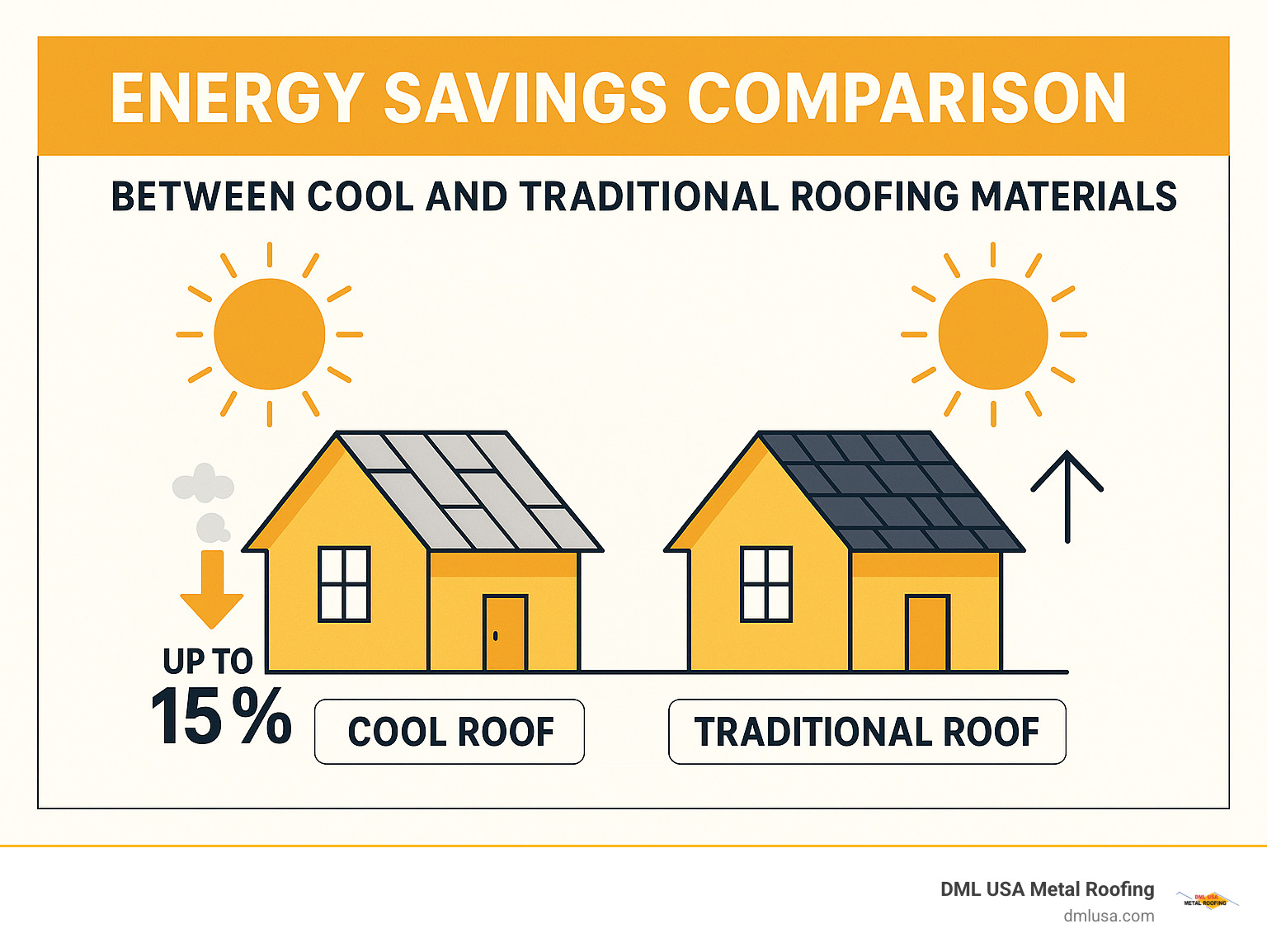
Let’s talk about cool roof technology first. It’s not just marketing hype—light-colored roofs genuinely reduce the energy and cost needed to cool your home by up to 15 percent. This magic happens through high solar reflectance (bouncing sunlight away) and thermal emittance (releasing absorbed heat quickly).
If you live in hurricane or tornado country, you already know that storms don’t mess around. Sealed underlayment can prevent up to 60% of rainwater from entering your attic during severe weather events. Metal roofing and composite materials shine here because they’re designed to work as a complete weather barrier system, not just individual pieces hoping to stay put.
Cold climate folks face their own challenges. Those beautiful freeze-thaw cycles can make clay tiles brittle over time, while metal roofing and synthetic composites just shrug off temperature swings like they’re no big deal.
Here’s where things get really interesting from a sustainability perspective. Metal roofing is 100% recyclable at the end of its very long life. Composite materials often contain recycled content from the start. Meanwhile, traditional asphalt shingles typically end up in landfills—not exactly a win for the planet.
The science backs this up too. According to scientific research on cool roofs from the Department of Energy, reflective roofing materials can significantly reduce both energy consumption and urban heat island effects.
Making High-Quality Roofing Materials Work in Extreme Climates
When you’re dealing with extreme weather, high-quality roofing materials are only as good as the system they’re part of. It’s like having a great car with cheap tires—the weak link will get you every time.
Sealed decking isn’t just a fancy upgrade in hurricane zones—it’s often required by modern building codes. And for good reason: it can reduce water infiltration by up to 95%. That’s the difference between minor cleanup and major reconstruction after a storm.
Above-sheathing ventilation might sound technical, but it’s brilliantly simple. Create an air gap above your roof deck, combine it with reflective coatings, and you can reduce energy costs by up to 20%. The air gap prevents heat from transferring directly into your home, keeping things cooler without cranking up the AC.
Don’t forget about energy tax credits either. Many high-performance roofing materials qualify for federal incentives, making that upfront investment more manageable. Metal roofing with appropriate reflective coatings often qualifies, turning a smart choice into a financially smart choice.
Thermal emittance becomes crucial in hot climates. Materials that effectively radiate absorbed heat help keep homes cooler naturally. It’s like the difference between wearing a black t-shirt and a white one on a sunny day—the physics matter, and your energy bill will thank you.
Cost, Weight & Structural Impact
Understanding the full cost picture of high-quality roofing materials requires looking beyond initial price tags. Let’s break down the real economics of roofing investments.
Cost Per Square Ranges (100 sq ft):
– 3-tab asphalt shingles: $75-$350
– Architectural shingles: $350-$1,500
– Metal roofing (steel): $850-$1,140
– Composite shingles: $310-$500
– Clay tiles: $200-$2,000
– Slate: $1,000-$3,000
Labor Considerations: Installation complexity varies dramatically. Simple asphalt shingles require basic skills, while slate and tile installation demands specialized expertise and more time.
Life-Cycle ROI: The cheapest option upfront may cost more over time. A metal roof lasting 50 years eliminates the need for 2-3 shingle replacements, often making it more economical long-term.
Weight and Structural Requirements: Heavy materials like slate, clay, and concrete tiles may require structural reinforcement, adding $1,000-$10,000 to project costs. Lightweight alternatives like metal and synthetic composites install over existing structures without modification.
Roof Overlays: Some materials can be installed over existing roofs, saving tear-off and disposal costs. This can reduce project costs by 20-30%.
For comprehensive cost planning and financing options, visit our Resources page.
Budgeting for High-Quality Roofing Materials
When budgeting for high-quality roofing materials, consider these factors:
Total Project Cost: The national average for roof replacement ranges from $5,725 to $12,401, with the average at $9,052. However, this varies significantly based on material choice and regional labor costs.
Warranty Value: A 50-year transferable warranty adds significant value compared to a 20-year prorated warranty. Factor this into your cost calculations.
Resale Value: Premium roofing materials can increase home value by 60-70% of their cost, making them a sound investment.
Financing Options: Many contractors offer financing programs, and some materials qualify for energy-efficiency rebates or tax credits.
Contractor Selection & Warranty Checklist
Finding the right contractor can make or break your roofing project. Even the best high-quality roofing materials won’t protect your home if they’re installed poorly. Think of it this way—you wouldn’t trust just anyone to perform surgery, so why trust your roof to an unqualified contractor?
Start with the basics: valid licensing and bonding. Every legitimate roofing contractor should carry current licenses for your area and be bonded to protect you financially. Don’t be shy about asking to see these documents—any reputable contractor will be happy to share them.
Insurance certificates are non-negotiable. Your contractor needs both general liability and workers’ compensation coverage. If someone gets hurt on your property or your neighbor’s window gets broken, you want to know you’re protected. Ask for a certificate that names you as an additional insured.
Manufacturer certifications matter more than you might think. When contractors are certified to install specific materials, they’ve received proper training and can offer better warranties. This is especially important for specialized materials like metal roofing or synthetic composites.
Check local references from projects completed in the last two years. A good contractor will gladly provide contact information for recent customers. Drive by some of their completed projects if possible—seeing their work tells you everything you need to know about their quality standards.
Don’t forget to check their Better Business Bureau rating and online reviews. While no contractor is perfect, patterns of complaints about workmanship, delays, or billing issues should raise red flags.
When reviewing bids, insist on detailed estimates that break down material costs, labor hours, permit fees, and disposal costs. Vague estimates often lead to surprise charges later. The timeline and payment schedule should be clearly outlined—never pay large amounts upfront.
Maintenance plans are often overlooked but incredibly valuable. Even low-maintenance materials benefit from annual inspections. A contractor who offers ongoing maintenance shows they stand behind their work long-term.
Make sure any transferable warranties can move with your home if you sell. This adds real value and gives potential buyers confidence in your roof’s quality.
For expert guidance on selecting the right contractor for your high-quality roofing materials project, our team at DML USA Metal Roofing is here to help. Visit our contact page to get started.
Questions to Ask Before Signing
Before you put pen to paper, have a detailed conversation with your contractor. These questions can save you thousands of dollars and major headaches down the road.
Ask about workmanship terms specifically. What exact work is covered under their workmanship warranty, and for how long? Some contractors offer lifetime warranties on materials but only one year on installation.
Discuss the project timeline realistically. Weather delays happen, especially during storm season. How does your contractor handle scheduling conflicts? What happens if materials arrive late? A good contractor builds buffer time into their schedule and communicates proactively about any changes.
Debris protection is crucial but often overlooked. How will they protect your landscaping, vehicles, and outdoor furniture during installation? Will they use tarps? What about your neighbor’s property? Roofing creates a lot of debris, and cleanup should be included in your contract.
Understanding how change orders work protects you from surprise costs. Sometimes you find issues once the old roof comes off—like damaged decking that needs replacement. How are these modifications priced? Get this process in writing before work begins.
Finally, clarify the final inspection process. Who conducts it? What happens if you’re not satisfied with certain aspects of the work? A professional contractor will walk through the completed project with you and address any concerns before considering the job finished.
The cheapest bid isn’t always the best value. Focus on finding a contractor who combines fair pricing with quality workmanship and clear communication. Your roof is too important to leave to chance.
Frequently Asked Questions about High-Quality Roofing
What roofing material lasts the longest?
When homeowners ask me this question, I always tell them there’s a difference between “longest lasting” and “best value.” Slate roofing takes the crown for pure longevity—it can last 75 to 100 years or even longer. Some slate roofs installed in the 1800s are still protecting homes today!
But here’s the thing: slate is incredibly expensive and requires specialized installation. For most families, metal roofing offers the sweet spot of longevity and practicality. A quality metal roof will protect your home for 40 to 60 years while requiring virtually no maintenance.
Synthetic composites are the newcomers worth watching. They’re engineered to last 30 to 50+ years with minimal upkeep, and they cost significantly less than slate while offering better performance than traditional materials.
The real question isn’t just “what lasts longest?” but “what gives me the best protection and value for my specific situation?”
How often should a high-quality roof be inspected?
I recommend annual inspections for all roofing materials, no matter how durable they are. Think of it like getting your car serviced—even the best vehicles need regular check-ups to catch small problems before they become expensive disasters.
After severe weather events like hailstorms or high winds, schedule an additional inspection within a few weeks. Even high-quality roofing materials like metal can develop minor issues that are easy to fix early but costly to repair later.
The beauty of materials like metal roofing and synthetic composites is that these inspections are usually quick and rarely reveal major problems. Wood shakes and traditional shingles need more frequent attention and maintenance.
Most roofing contractors offer maintenance plans that include annual inspections. It’s worth the investment—catching a loose flashing or damaged seal early can save you thousands in water damage repairs.
Do lighter-colored roofs really save energy?
Absolutely! This isn’t just marketing hype—it’s basic physics. Light-colored roofs can reduce your cooling costs by up to 15% by reflecting sunlight instead of absorbing it as heat.
Here’s how it works: dark roofs can reach temperatures of 150°F or higher on sunny days, while light-colored “cool roofs” stay 50 to 60 degrees cooler. That’s a huge difference that your air conditioner definitely notices.
Modern cool roof technology has come a long way too. You’re not limited to boring white anymore—specialized pigments now allow for attractive color options while maintaining excellent energy efficiency. Many high-quality roofing materials now incorporate these advanced coatings.
The energy savings are most dramatic in hot climates, but even in moderate climates, cool roofs reduce the urban heat island effect and can make your home more comfortable year-round.
Conclusion
Choosing high-quality roofing materials is one of the smartest investments you can make. The right system protects your family, lowers energy costs and raises property value for decades.
After working with homeowners across Illinois, we’ve learned that the best roof is the one that matches your climate, budget and long-term plans—not necessarily the most expensive option. Metal roofing’s best longevity and efficiency, or today’s storm-tough synthetic composites, often provide that perfect balance.
Next steps:
- Inspect your current roof.
- Review local building-code requirements.
- Request written quotes from certified contractors experienced with your preferred materials.
Look beyond the sticker price. A roof that lasts 50 years and cuts utility bills is an investment that pays you back.
Ready to see what’s possible? View our full line of high-quality roofing materials on our Products page or contact us for personalized guidance.
