 Skip to main content

Wind Resistant Roofing: 7 Powerful Reasons to Protect in 2025
Why Your Home Needs Wind-Resistant Protection
Wind resistant roofing is essential for protecting your home from the increasing frequency of severe weather events. With 25% of all homeowner damage claims between 2009 and 2015 being wind-related, choosing the right roofing system can save you thousands in repairs and prevent catastrophic damage.
Top Wind-Resistant Roofing Options:
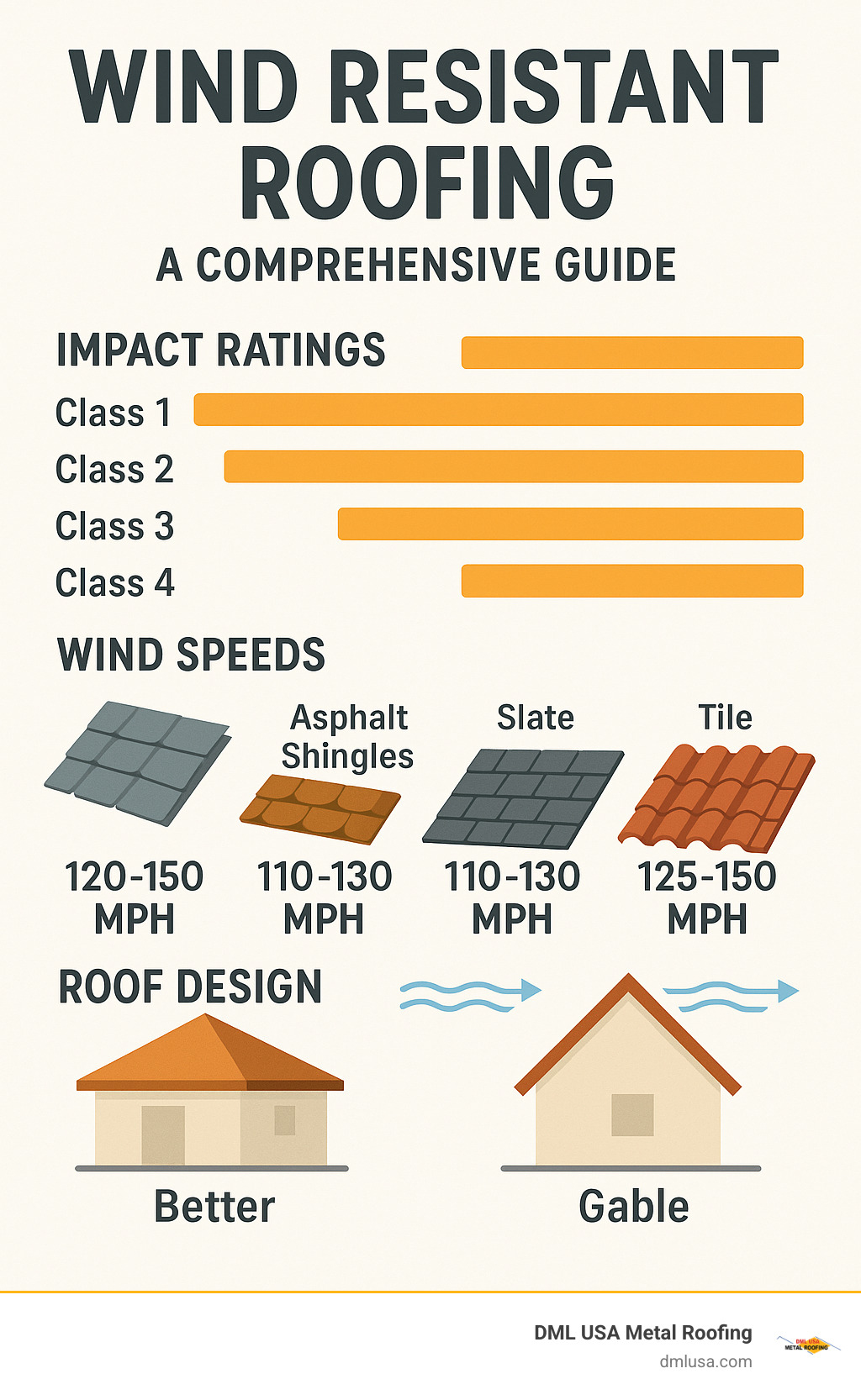
– Metal roofing – Withstands 120-150 mph winds with interlocking seams
– Class 4 asphalt shingles – Rated for 110-130 mph with reinforced nailing
– Slate and tile systems – Handle 125-150 mph when properly installed
– Hip roof designs – Reduce wind uplift compared to gable roofs
Wind speeds of just 45 mph can cause structural damage to roofs. The extreme wind forces create uplift pressure that can literally peel your roof off, while wind-driven debris turns everyday objects into dangerous projectiles.
From powerful hurricanes battering the coasts to tornadoes sweeping across the heartland, high winds pose a serious threat to homes nationwide. Even moderate thunderstorms can cause subtle damage that goes unnoticed until water stains appear on your ceiling or mold develops in your attic.
I’m Adam Kadziola, and through years of manufacturing wind resistant roofing systems at DML USA Metal Roofing, I’ve seen how proper material selection and installation can mean the difference between minor repairs and total roof replacement. This guide will help you make informed decisions about protecting your most valuable investment.
Key terms for wind resistant roofing:
– 3 tab shingles wind resistance
– astm d3161 class f shingles
– hurricane proof roofs
What This Guide Covers
This guide helps homeowners searching for durable roofing solutions understand their options for wind resistant roofing. We’ll cover testing standards, material comparisons, installation best practices, and insurance benefits.
You’ll learn how to evaluate different roofing systems, understand certification requirements, and make informed decisions that protect both your home and your wallet. Our goal is to give you the knowledge needed to choose roofing that will stand up to whatever Mother Nature throws at it.
Why Wind-Resistant Roofing Is Critical Today
The numbers speak for themselves: 25% of all homeowner insurance claims between 2009 and 2015 were wind-related. In other words, one out of every four claims happened because a roof couldn’t handle normal weather. You don’t have to live on the Gulf Coast to face that risk; ordinary Midwest thunderstorms frequently hit 45 mph, the speed at which roof damage starts. With climate change intensifying storms nationwide, every homeowner now needs a plan for high wind.
When wind flows over a house it creates low pressure above the roof and high pressure inside, producing powerful uplift forces. Corners and edges feel the biggest pull, and wind-borne debris—patio chairs, branches, even gravel—adds destructive impact. Choosing wind resistant roofing is the surest way to keep those forces from turning small problems into total failure.
How High Winds Damage Roof Systems
Wind attacks follow a pattern:
- Edge peel – uplift lifts the first shingle or panel at the roof’s perimeter.
- Progressive tearing – once wind gets underneath, it peels back larger areas.
- Membrane blow-off – entire sections separate when fasteners or adhesives give way.
Because corners experience higher uplift than the field of the roof, fastening patterns and reinforcements must vary by zone.
The Hidden Costs of Ignoring Wind Threats
Wind damage is rarely just cosmetic. Openings allow water to infiltrate, leading to mold, ruined insulation, and structural rot. Insurers often respond with higher premiums or non-renewals. After a few emergency repairs and deductible payments, many homeowners find they’ve spent more than the price of a quality wind resistant roofing system. Frequent patch-jobs, ceiling stains, and constant worry are an expensive way to live when proven solutions already exist.
Decoding Ratings, Tests & Building Codes
Understanding certifications is simpler than it looks: they’re a roofing “report card.” When a manufacturer claims hurricane-level protection, independent labs verify it through standardized tests.
Key tests and codes you’ll see on wind resistant roofing literature:
- UL2218 Class 1-4 – impact / hail resistance (Class 4 is best).
- ASTM D3161 & D7158 – wind resistance for asphalt shingles.
- UL1987 – wind uplift for many roof types.
- TAS-100 / TAS-125 – wind-driven rain and hurricane testing used in Miami-Dade County.
Products that pass the Miami-Dade protocol have survived simulated Category 5 conditions, so they’ll work almost anywhere in the U.S.
What Class 1-4 Really Means for Homeowners
Below is the quick reference most insurers use to set discounts:
| Class Rating | Hail Size | Equivalent Wind Speed | Typical Warranty |
|---|---|---|---|
| Class 1 | 1.25″ | 60-70 mph | 20-25 yrs |
| Class 2 | 1.5″ | 80-90 mph | 25-30 yrs |
| Class 3 | 1.75″ | 100-110 mph | 30-40 yrs |
| Class 4 | 2.0″ | 120+ mph | 40+ yrs |
Class 4 products often qualify for 10-30 % insurance discounts and come with longer, transferable warranties.
Certifications & Labels to Verify Before You Buy
Look for third-party marks from UL, FM Approvals, or ICC-ES and ask the contractor for the code-compliance sheet. If documentation or a transferable warranty isn’t available, choose another product.
Choosing Wind Resistant Roofing Materials & Designs
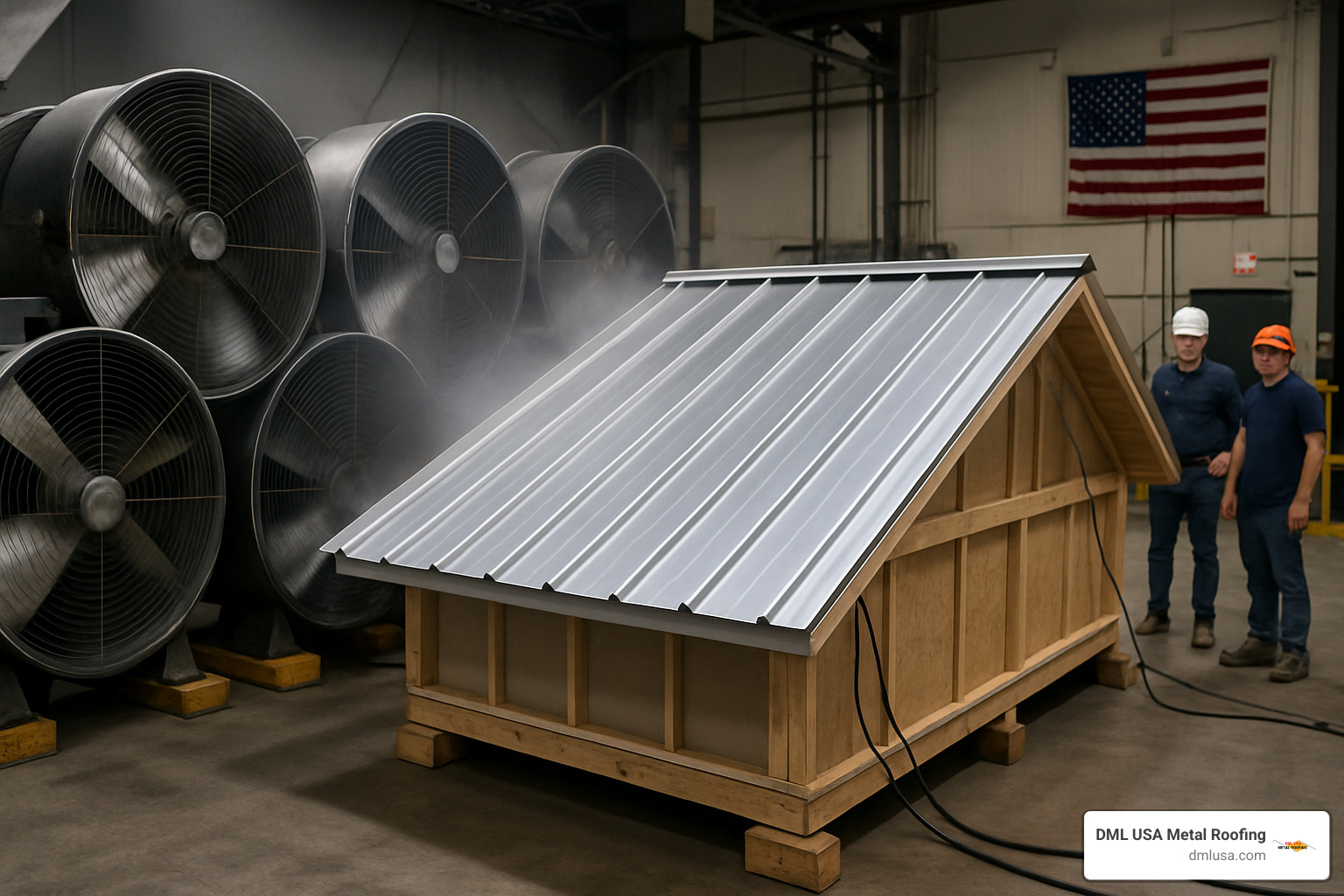
Not all roofs are equal in a windstorm. Material, fastening method, and even roof shape determine whether you’ll need a quick shingle repair or an entire replacement after the next big blow.
Metal panels, Class 4 architectural shingles, slate & tile systems, and hip-roof geometry consistently deliver the highest real-world survival rates.
Wind Resistant Roofing: Metal Systems
Concealed fasteners and mechanically locked seams create a single, continuous surface that resists 120-150 mph winds. Metal is lightweight, energy-efficient, and—as DML USA customers know—designed to last for decades with almost no maintenance. Why choose metal roofing
Wind Resistant Roofing: Class 4 Asphalt Shingles
Modern architectural shingles bear little resemblance to inexpensive three-tabs. Reinforced nail zones and aggressive sealant strips give them 110-130 mph ratings at an approachable price. Insist on a six-nail pattern to get the full rating.
Wind Resistant Roofing: Slate, Tile & Synthetic Alternatives
Traditional slate and clay tile remain excellent choices when installed with today’s clips or foam adhesives, reaching 125-150 mph. Concrete tiles and engineered synthetics deliver similar performance with less weight and lower cost.
How Roof Shape & Aerodynamics Boost Resistance
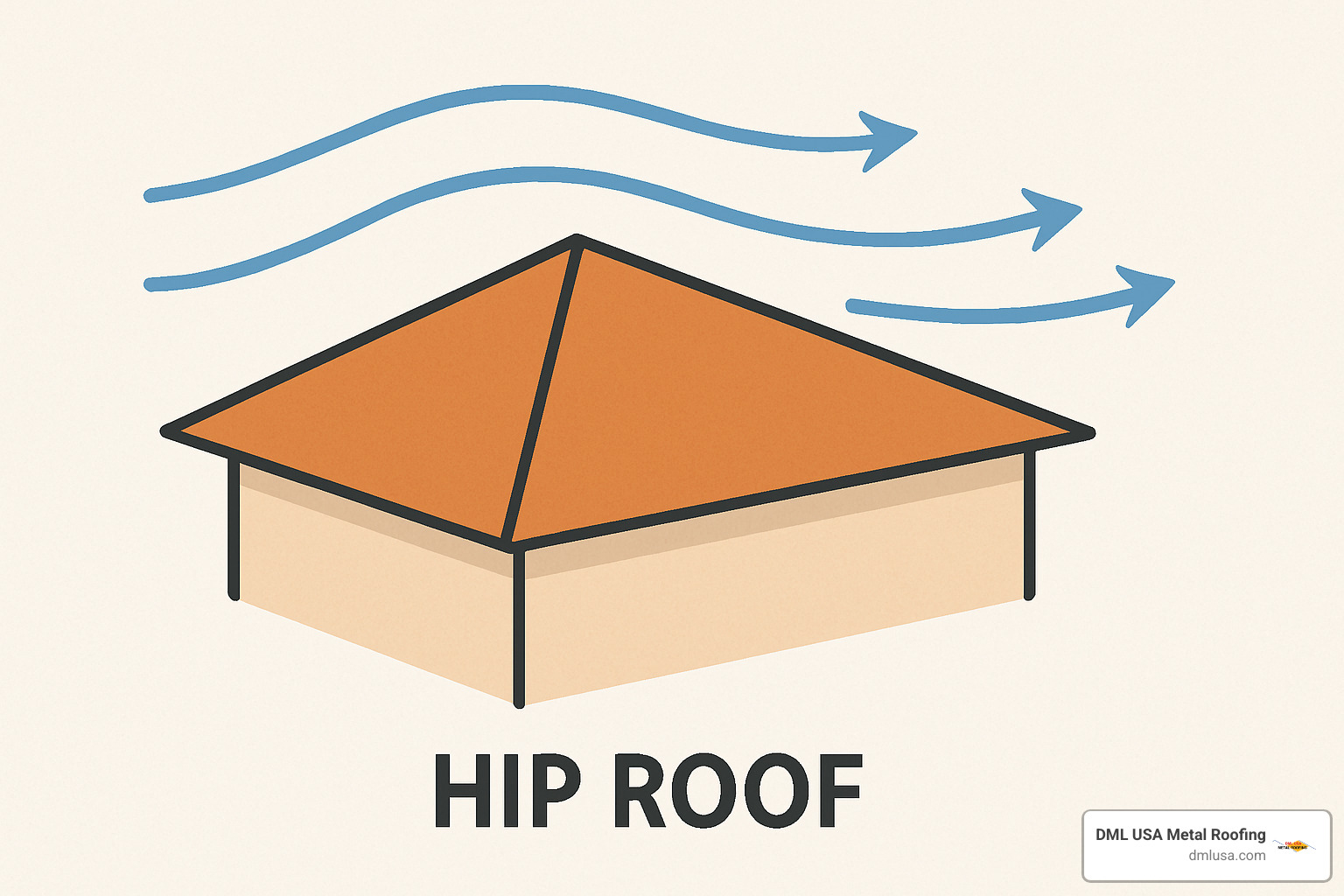
A hip roof—sloping on all four sides—lets wind flow smoothly, reducing uplift. Gable ends, by contrast, act like sails. Shorter overhangs and added hurricane clips further decrease leverage forces and tie the roof to the walls and foundation, completing a continuous load path.
Installation & Maintenance Practices That Matter
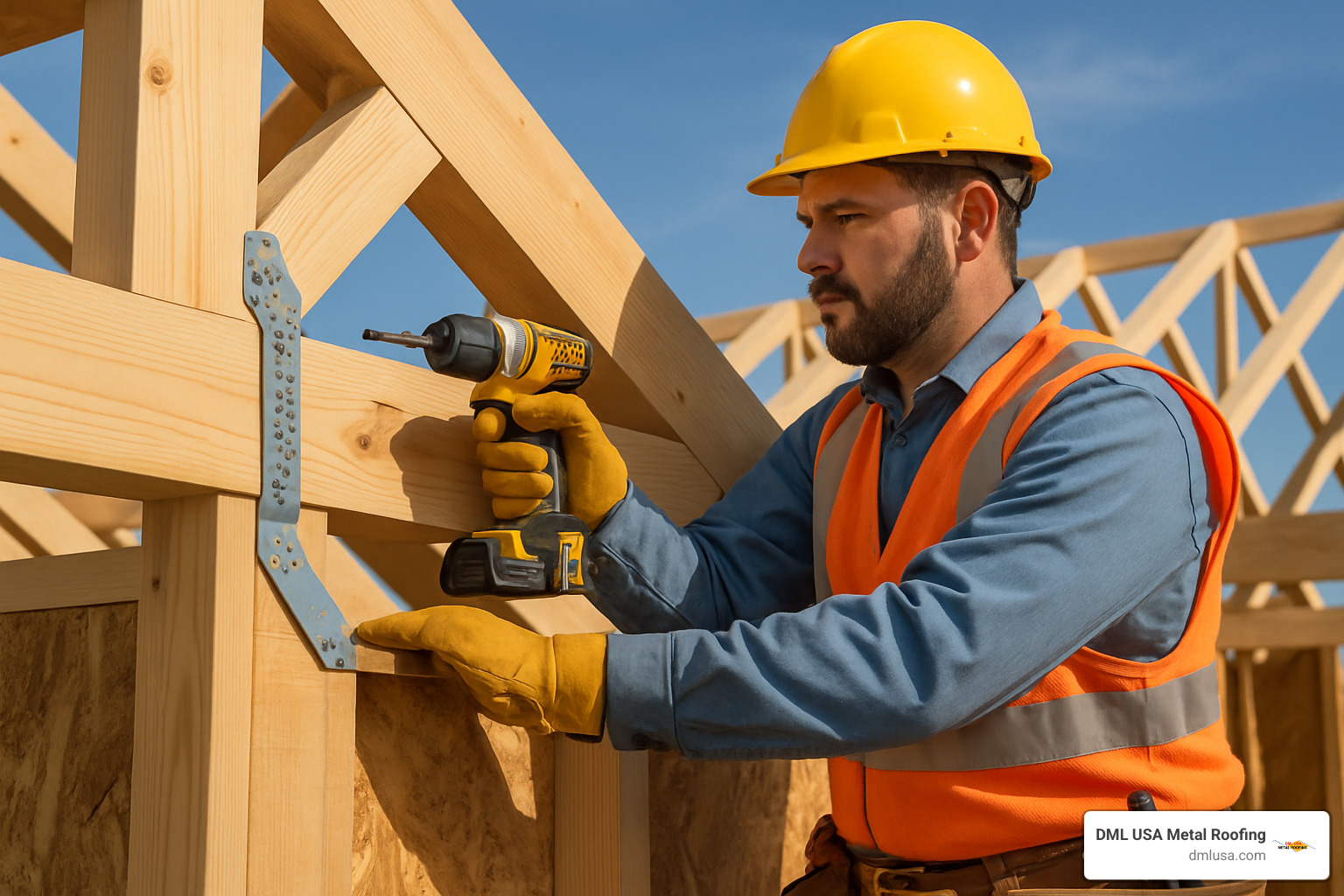
Even premium materials fail if shortcuts are taken. Manufacturer specifications are non-negotiable: edge starter strips, proper nail counts, and sealed seams turn lab ratings into real-world performance.
Small upgrades—like switching to six nails per shingle, adding hurricane straps, and using high-temperature synthetic underlayment—cost pennies now but can save thousands later.
Once installed, a little care goes a long way. Schedule a professional inspection each year (and after major storms), keep gutters clear, and secure loose yard items that could become missiles. These habits protect the warranty and the roof.
Warranty & Insurance Tips for Wind-Resistant Roofing
Read the fine print. Favor policies that list a specific wind-speed coverage, offer non-prorated terms, and recognize Class 4 materials with premium discounts or reduced deductibles. Keep photos and receipts—well-documented installations speed up claims and maximize payouts. Understanding warranty basics
Frequently Asked Questions About Wind-Resistant Roofing
What wind speed can my new roof really handle?
Manufacturer ratings—120-150 mph for metal, 110-130 mph for Class 4 shingles—assume flawless installation. Choose a roof rated comfortably above your area’s historic highs and hire a certified installer to make sure those numbers hold true.
How often should I inspect a wind-resistant roof?
Schedule a professional inspection once a year and anytime a storm feels severe enough to make you wonder “could that have damaged the roof?” Many warranties require this simple step to remain valid.
Do I need a hip roof to qualify for insurance discounts?
Insurers primarily reward Class 4 impact-rated materials, regardless of roof shape, although some coastal carriers give extra credit for hip roofs. If you’re re-roofing an existing gable, premium materials still open up most savings; new construction is the best time to switch to a hip design. Always confirm specifics with your agent.
Conclusion
When the next storm rolls through your neighborhood, you want to be the homeowner watching from inside with confidence, not the one frantically placing buckets under leaks. Wind resistant roofing isn’t just about surviving the next big storm – it’s about protecting your family and your financial future.
The numbers tell a compelling story. With wind damage responsible for 25% of all homeowner insurance claims and storms getting more intense each year, the old approach of “fix it when it breaks” simply doesn’t work anymore. Climate change has made severe weather the new normal, bringing hurricane-force winds to areas that never experienced them before.
At DML USA Metal Roofing, we’ve built our reputation on manufacturing wind resistant roofing systems that actually live up to their promises. Our Class 4, hurricane-grade metal roofing doesn’t just meet industry standards – it exceeds them. We’re talking about systems engineered to handle 120-150 mph winds while qualifying for energy tax credits that help offset the initial investment.
Being based here in Illinois gives us a unique perspective on weather challenges. We’ve seen what Midwest storms can do, from straight-line winds that flatten everything in their path to hail storms that turn parking lots into scenes from a disaster movie. That’s why we engineer our systems to handle whatever Mother Nature throws at you.
The math is pretty straightforward when you think about it. Wind resistant roofing might cost more upfront, but it pays you back through lower insurance premiums, reduced maintenance headaches, and the peace of mind that comes from knowing your roof won’t fail when you need it most. Many of our customers tell us their insurance savings alone justify the investment within just a few years.
Our metal roofing systems are designed to last 40-60 years with virtually no maintenance required. Compare that to replacing standard roofing materials every 15-20 years, and the long-term savings become obvious. You’re not just buying a roof – you’re making the last roofing purchase you’ll ever need to make.
The energy efficiency benefits are just icing on the cake. Our reflective metal roofing systems can cut your cooling costs by up to 20% while qualifying for federal tax credits. It’s nice when doing the right thing for your home also does the right thing for your wallet and the environment.
We know choosing new roofing feels like a big decision – because it is. Your roof protects everything you care about most. That’s why we encourage every homeowner to get the facts before making this important choice. Contact our team for a custom roof assessment and find how our wind resistant roofing systems can protect your home for decades to come.
Don’t wait for the next weather alert to make you wish you’d acted sooner. Your home deserves the best protection available, and your family deserves the peace of mind that comes with it.
