 Skip to main content

Stone Coated Steel Roofing: 7 Powerful Benefits in 2025
Why Stone-Coated Steel Roofing Is Revolutionizing Modern Home Protection
Stone coated steel roofing brings together the classic look of traditional roofing with the strength and performance of modern steel. Homeowners are increasingly choosing this option to avoid frequent repairs, high maintenance, and the short lifespan of older roofing materials.
Key Benefits:
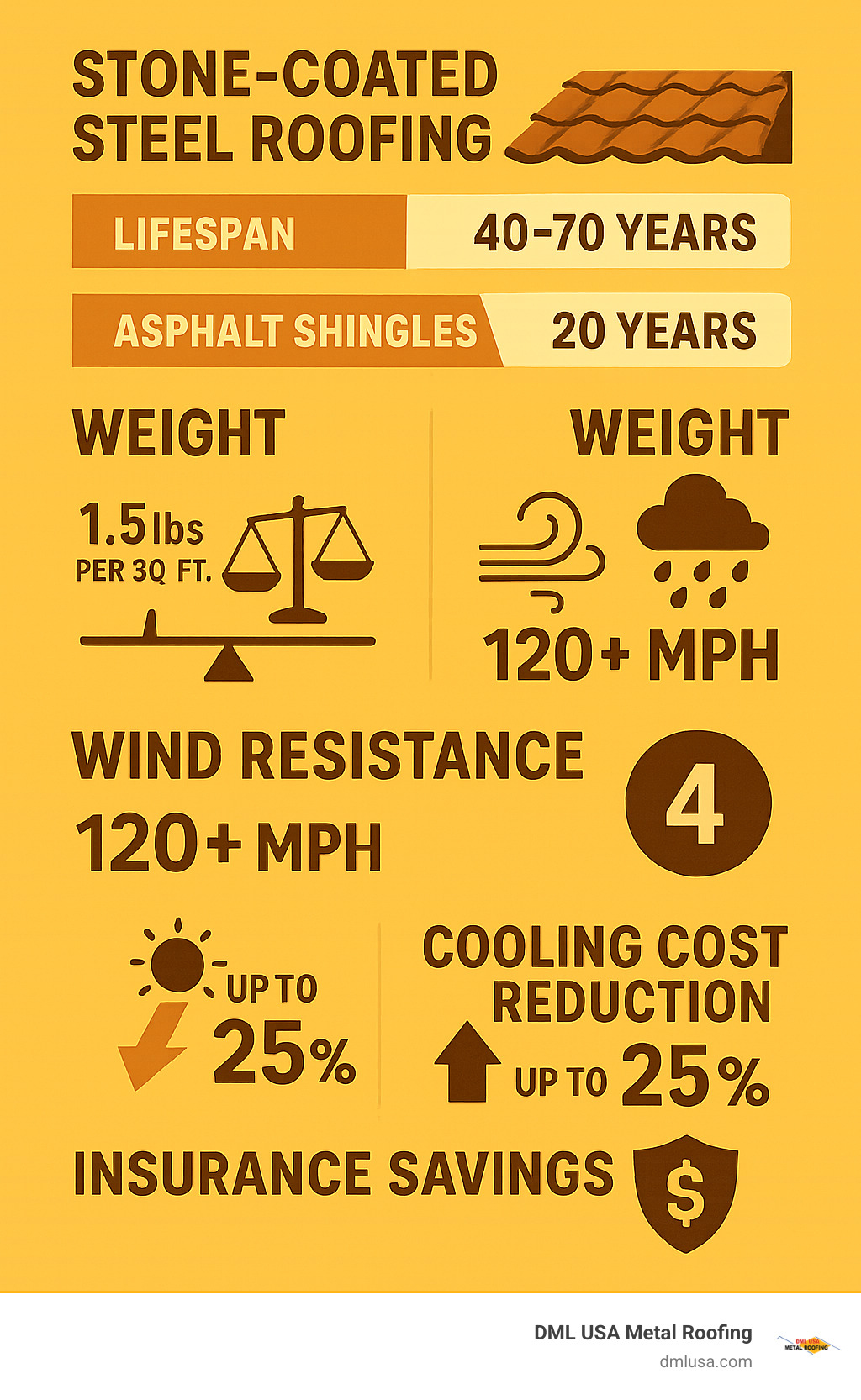
– Longevity: 40-70 years lifespan, far outlasting asphalt shingles
– Weather Protection: Resists winds over 120 mph, Class 4 hail resistance
– Energy Efficiency: Can lower cooling costs by up to 25%
– Lightweight: 1.5-2 lbs per square foot, much lighter than clay tiles
– Low Maintenance: Easy to clean, no special treatments needed
– Insurance Savings: Up to 35% off homeowner’s insurance premiums
– Home Value: 85.9% cost recovery on average, up to 95.5% in some regions
Stone-coated steel roofing uses a Galvalume steel base coated with natural stone granules, bonded with acrylic adhesives. The steel is stamped into profiles that mimic wood shake, clay tile, or asphalt shingles, then finished with ceramic-treated stone granules for color and durability.
This technology solves common homeowner frustrations: frequent roof replacements, weather damage, high energy bills, and ongoing maintenance. Unlike asphalt shingles that need replacing every 20 years, stone-coated steel roofing can be the last roof you ever install.
As Adam Kadziola from DML USA Metal Roofing, I’ve spent over 15 years helping Illinois homeowners switch to stone coated steel roofing for lasting peace of mind. My experience in manufacturing and home renovations has shown how this technology transforms home protection and satisfaction.
Stone coated steel roofing vocabulary:
– cost difference between metal roof and shingle roof
– metal shingle roof cost
– what is the cost difference between metal roofing and shingles
What Is Stone-Coated Steel Roofing and How Is It Made?
Stone coated steel roofing is like the superhero of roofing materials. It combines the strength and durability of steel with the look of classic roofing styles—wood shake, clay tile, or shingles.
Manufacturers start with Galvalume steel (a blend of steel, aluminum, zinc, and silicon) and coat it with real stone granules, permanently bonded using advanced acrylic adhesives.
The steel is usually 26-gauge, balancing lightweight construction with toughness against hail and wind. The process includes stamping steel sheets into different profiles, then baking the stone coating for a permanent finish.
A standout feature is the interlocking edges and concealed fasteners. Unlike traditional roofing with exposed nails, these systems lock together with hidden fasteners, eliminating weak spots.
Stone-coated metal roofing has been around since the 1950s, but today’s manufacturing delivers even better quality and consistency.
Stone-Coated Steel Roofing 101
When you choose stone coated steel roofing, you get a multi-layered system:
– Steel substrate: Provides strength
– Galvalume coating: Protects against rust and corrosion
– Stone granules: Add color, texture, and UV/weather protection
Manufacturers use steel instead of aluminum for better strength and durability, while still allowing for easy installation.
The concealed fasteners and interlocking edges eliminate the vulnerability of exposed nails and simple overlaps found in traditional roofing.
For more technical details, visit our resources page.
From Coil to Cottage – The Production Process
The process starts with quarrying and crushing natural stone, which is then coated with ceramic pigments and baked for permanent color.
The steel substrate undergoes strict quality control, gets a Galvalume coating for corrosion resistance, and an acrylic base coat to bond the stone granules.
Stone granules are selected for hardness, UV protection, chemical stability, and low porosity. Ceramic pigments are designed to reflect solar radiation, helping reduce cooling costs.
Quality control includes color readings and fixation tests to ensure long-lasting color. This attention to detail is why stone-coated steel roofing looks great and performs well for decades.
Many manufacturers use recycled steel, and the roofing is fully recyclable at the end of its long life—good for your home and the environment.
Pros and Cons: Why (or Why Not) Choose Stone-Coated Steel?
Choosing stone coated steel roofing comes with clear advantages and a few considerations. After helping many Illinois homeowners make this decision, I know that understanding both sides leads to better results.
Performance is impressive: wind resistance over 120 mph, Class 4 hail resistance (the highest rating), and Class A fire rating when installed correctly. At just 1.5 pounds per square foot, it’s light enough to install over your existing roof and offers a 40-70 year lifespan.
Homeowners love the curb appeal and potential insurance discounts up to 35%. However, the upfront cost and finding skilled contractors are real factors to consider.
For more on metal roofing, see Metal roof pros and cons.
Biggest Advantages of Stone-Coated Steel Roofing
Longevity is a major benefit. While asphalt shingles need replacing every 20 years, stone coated steel roofing can be the last roof you buy. If you’re 40 now, you may never need another roof replacement.
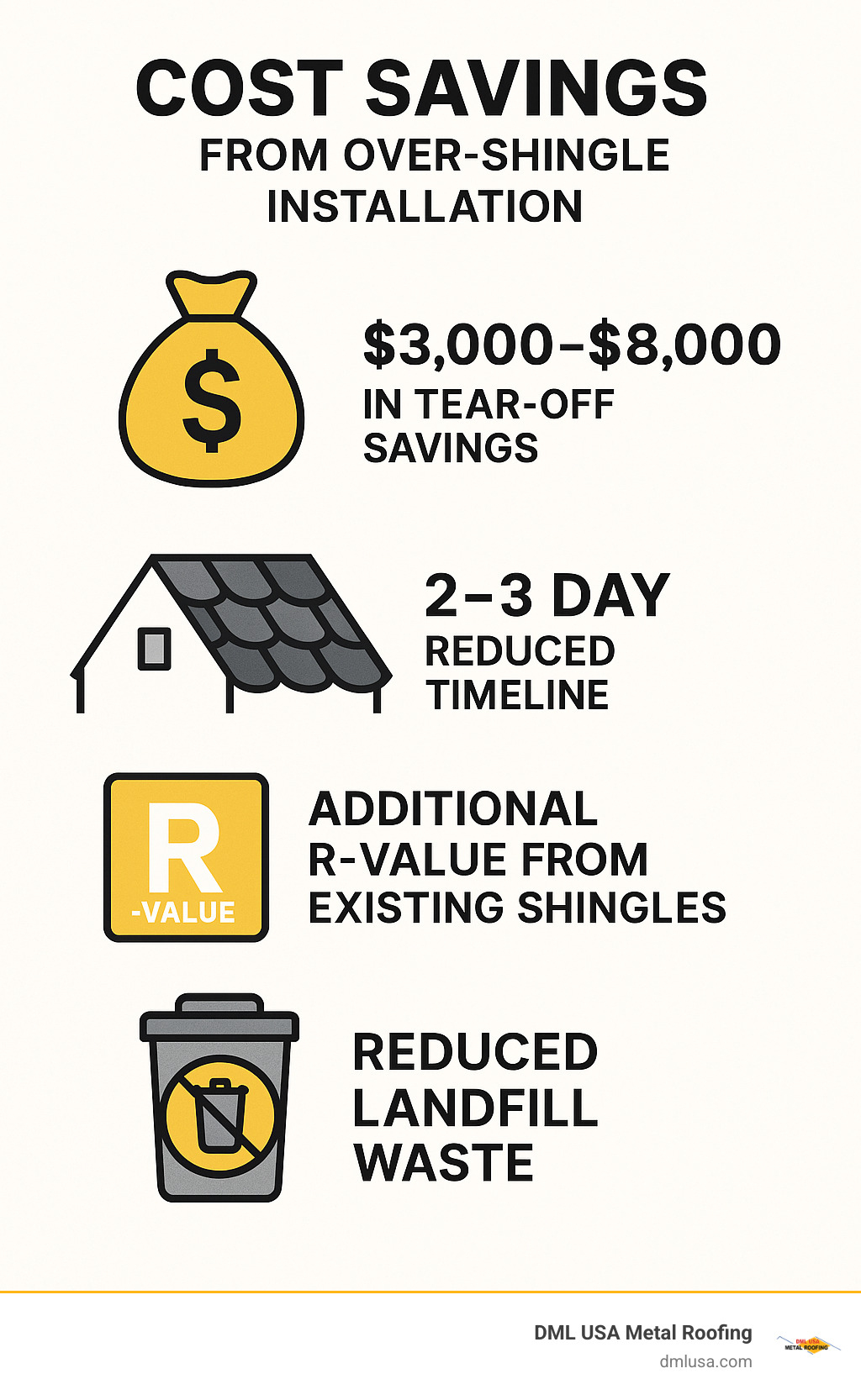
The lightweight design allows installation over your existing roof, saving time, money, and mess. No dumpster, no landscaping worries, and lower disposal costs.
Energy efficiency means real savings on utility bills. The stone granules reflect heat, reducing cooling costs by up to 25%. Over decades, these savings add up.
The ROI is strong—homeowners typically recoup 85.9% of their investment, with some regions seeing even higher returns. Add insurance discounts and energy savings, and the financial case is strong.
Potential Drawbacks to Consider
The initial price is higher—2-3 times more than basic asphalt shingles. This can be surprising, but when spread over 40-70 years, the long-term value is clear.
Noise concerns are mostly a myth. Properly installed stone coated steel roofing is about 52 decibels during rain—similar to a quiet conversation. The stone coating, underlayment, and attic insulation keep things quiet.
Color fade is minimal with modern ceramic pigments, but some gradual change may occur after decades. Quality warranties protect against excessive fading.
Contractor selection is important. Not all contractors have the training for proper installation, so you may have fewer bids and higher labor costs. Investing in skilled installation pays off in performance and warranty protection.
There is a small dent risk from severe hail or falling branches, but the roof’s structural integrity and weather protection remain intact.
Styles, Profiles & Colors to Match Any Architecture
One of the best things about stone coated steel roofing is how well it fits any home style. Modern manufacturing lets you get the look of wood shake, clay tile, slate, or classic shingles—without the maintenance headaches. You often have to get close to tell the difference!
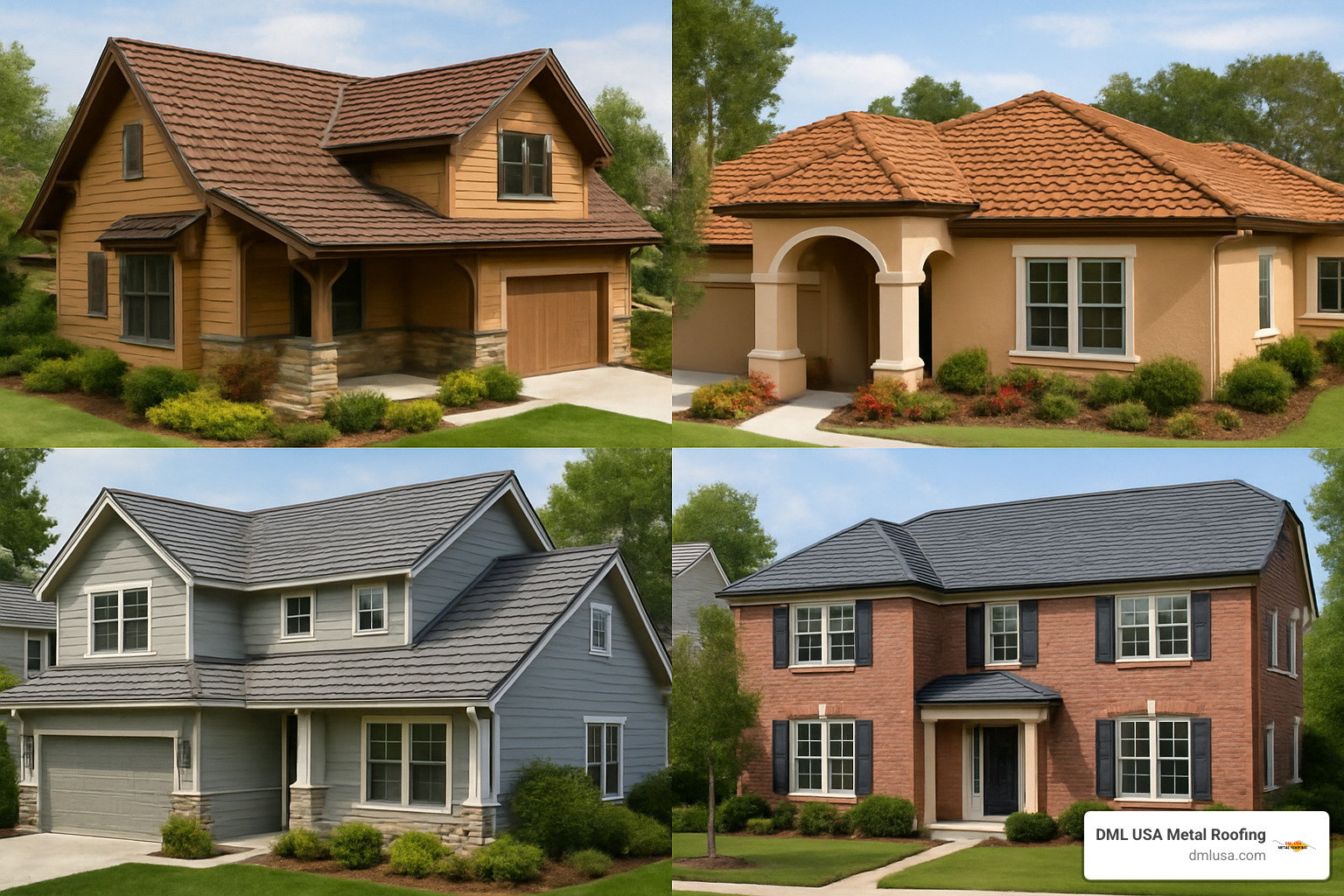
With stone coated steel roofing, you’re not limited to one look or color. Choose from profiles that mimic hand-split wood shakes, Mediterranean barrel tiles, architectural shingles, or slate. Each style is engineered to shed water effectively, so you get both performance and curb appeal.
Color options are versatile. Whether you want a matte or glossy finish, there are plenty of choices. Dozens of standard colors are available, and many manufacturers—including DML USA Metal Roofing—offer custom color matching for unique projects or HOA requirements. Advanced, UV-stable pigments help your roof hold its color for years.
Stone-Coated Steel Roofing Design Options
Modern stone coated steel roofing includes design details that matter. Hidden fastener systems mean no exposed screws, which looks cleaner and helps prevent leaks. Panels interlock for strong lines and reliable protection.
Blended-tone stone granules add depth and make your roof look more like natural wood or stone. These variations, created with ceramic pigments, mimic the unique textures of traditional materials.
Not sure which style fits your home? Many brands offer profile selector tools so you can preview different looks before deciding. This helps if you have a tricky roofline or want to see how colors match your brick or siding.
For real home examples, visit our More info about Gallery for inspiration.
No matter your home’s architecture—colonial, farmhouse, Mediterranean, or cottage—stone coated steel roofing offers a style, color, and finish that fits. With UV-resistant colors and HOA-friendly options, your roof will look great for decades.
Cost, Lifespan & Return on Investment in 2025
Let’s talk numbers—because that’s what most people want to know about stone coated steel roofing. It costs more upfront than asphalt shingles, but the long-term math is compelling.
Expect $8-$12 per square foot installed for most homes in 2025. This is higher than basic asphalt shingles, but here’s why the investment makes sense.
Final price depends on factors like roof size, pitch, and regional labor rates. Simple roofs cost less per square foot than complex ones. If you can install over your existing single-layer shingle roof, you’ll save thousands in tear-off and disposal costs.
Energy rebates and tax credits can help offset costs. Many utility companies offer rebates for cool roof installations, and federal tax credits may apply to qualifying energy-efficient roofing. These savings can be significant.
The return on investment is strong. Homeowners typically recoup 85.9% of their investment in metal roofing, with some regions seeing up to 95.5%. Add in insurance savings up to 35% and energy cost reductions up to 25%, and the numbers work in your favor.
Here’s how stone coated steel roofing compares:
| Roofing Material | Initial Cost/Sq Ft | Lifespan (Years) | Maintenance Cost | Insurance Discount | Energy Savings |
|---|---|---|---|---|---|
| Asphalt Shingles | $3-$5 | 20 | Moderate | None | None |
| Clay Tile | $10-$18 | 50 | Low | Minimal | Minimal |
| Stone-Coated Steel | $8-$12 | 40-70 | Very Low | Up to 35% | Up to 25% |
If you plan to stay in your home for more than 15 years, you’ll likely need to replace asphalt shingles at least once. With stone-coated steel, you’re done—it’s the last roof you’ll need.
Budgeting for a Stone-Coated Steel Roof
Most people don’t have $15,000-$30,000 ready for a new roof. That’s why financing options are important for making stone coated steel roofing accessible.
Many manufacturers offer financing programs, and some utility companies provide special financing for energy-efficient upgrades. The monthly payment on a financed roof can be close to what you save on insurance and energy, making the upgrade nearly cash-flow neutral.
Tax credits can provide more savings. The federal government and many states offer credits for qualifying energy-efficient home improvements, including cool roofs. These are dollar-for-dollar reductions in your tax bill. Check with your tax professional for details.
Understanding the material vs. labor cost breakdown helps with budgeting. Materials are usually 40-60% of the total cost, with labor, permits, and disposal making up the rest. Complex roofs increase the labor portion.
Warranty tiers offer different protection levels. Basic warranties cover manufacturing defects, while premium warranties may include fading, chalking, and even labor for repairs. Premium warranties provide extra peace of mind.
Look at the total cost of ownership over 20-30 years, not just the initial price. When you factor in multiple re-roofing cycles for traditional materials, ongoing maintenance, and energy and insurance savings, stone-coated steel often comes out ahead.
For product specs and current pricing, visit our More info about Products page.
Installation, Maintenance & Real-World Performance
Installing stone coated steel roofing is a smart investment, and with the right team, the process is smooth and brings lasting benefits.
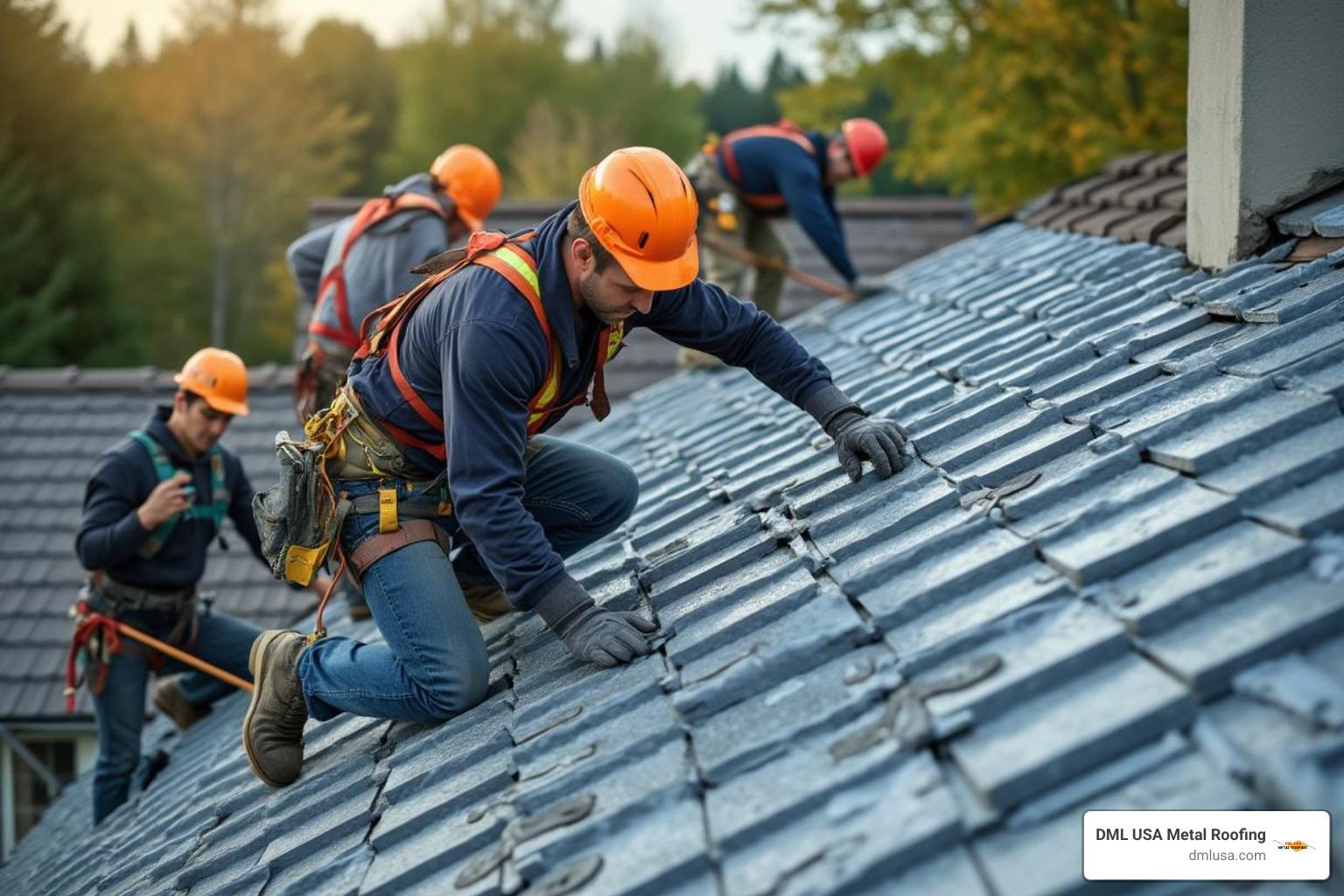
A big advantage: you can often install stone coated steel roofing over your existing shingles, saving time and money. Your roof should be inspected first to ensure the structure is sound. If it is, you skip the tear-off and disposal costs.
Installation methods vary. Some roofs use panels attached directly to the deck for a secure fit. Others, especially uneven roofs, use a batten system for ventilation and to even out the surface. Fastener layout is carefully planned for wind and rain resistance, earning top safety ratings.
Choosing the right underlayment is important. High-quality synthetic underlayments add moisture protection, and above-sheathing ventilation (ASV) systems help keep your attic cooler and prevent ice dams. These details improve comfort and energy savings.
Stone-Coated Steel Roofing in Extreme Weather
If you live in an area with severe weather, stone coated steel roofing is built for it. It withstands hurricane winds over 120 mph, thanks to interlocking panels and hidden fasteners.
For wildfire-prone areas, stone-coated steel meets the highest Class A fire rating when installed with the right underlayment. It won’t catch fire from embers, unlike wood or asphalt.
Midwest winters are tough, but freeze-thaw cycles don’t bother steel. Panels handle temperature swings, snow slides off, and the textured finish slows sudden avalanches. Good attic insulation and ventilation help with any roofing material.
If you want solar panels, stone-coated steel can handle the extra load. The steel is strong enough for panels, and you may qualify for additional energy tax credits. For trained installers, see our Metal Roofing Suppliers Near Me resource.
Maintenance Tips for Decades of Trouble-Free Service
Stone coated steel roofing needs little maintenance. A bit of annual care keeps it looking and working its best.
Keep gutters clear, as these roofs shed water quickly and clogged gutters can overflow. Clean the roof with a garden hose or gentle sweeping—no power washers or abrasives needed.
Check sealants at vent pipes, chimneys, and skylights once a year. The steel panels don’t need sealing, but where they meet other materials might. Early attention to small issues prevents bigger problems.
Register your warranty after installation. Keeping records of maintenance ensures you’re covered if you ever need it.
With this simple routine, your stone coated steel roofing will stand strong for decades, through storms and seasons, giving you peace of mind year after year.
Frequently Asked Questions About Stone-Coated Steel Roofing
How long does stone-coated steel roofing really last?
If you want a roof you can “set and forget,” stone coated steel roofing is about as low maintenance and long-lasting as it gets. With quality installation and a little care, these roofs regularly last 40 to 70 years—double or triple the life of typical asphalt shingles. And unlike heavy slate or clay tile, stone-coated steel gives you that same lifespan without the weight or maintenance.
The secret is in the layers: the Galvalume steel core resists rust and corrosion, while the stone coating protects against sun, rain, and harsh weather. Trusted manufacturers back this up with 30- to 50-year warranties, and some even offer lifetime coverage. Decades-old roofs in the Midwest prove these numbers are real. With proper installation, these roofs hold up beautifully year after year, needing only simple inspections and occasional rinsing.
Is it noisier than asphalt shingles during rain or hail?
Many homeowners worry their home will sound like a drum in the rain. Thankfully, stone coated steel roofing is not noisier than asphalt shingles. In fact, many say their new metal roof is quieter! The stone coating absorbs raindrop sound, and with good underlayment and attic insulation, rain noise is about 52 decibels—like a quiet conversation.
Hail will always make some noise, but with stone-coated steel, you get peace of mind: you might hear tapping, but your roof is built to handle it. The impact-resistant design shrugs off hailstones far better than shingles. You’ll hear the weather, but there’s no need to worry about damage.
Can it be installed over my existing one-layer shingle roof?
Yes, in most cases, you can install stone coated steel roofing over your current single layer of asphalt shingles—no messy tear-off needed. This saves time and money, sometimes $3,000 to $8,000 in demolition and disposal costs. It also shortens installation and keeps old shingles out of landfills.
The existing shingles need to be in good shape, and your roof’s structure must be sound. Stone-coated steel adds only 1.5 pounds per square foot, so weight is rarely an issue, but your contractor should inspect first. Local building codes also matter, so check those early.
Professional installers—like DML USA Metal Roofing—will guide you through the process. Sometimes, partial removal or extra ventilation is recommended, but in most cases, you’ll enjoy a smooth upgrade to a roof that could outlast your home.
Conclusion
After fifteen years of helping Illinois homeowners find the benefits of stone coated steel roofing, I can confidently say this technology represents the future of residential roofing. It’s not just about having a roof over your head anymore – it’s about making a smart investment that pays dividends for decades.
The numbers tell a compelling story. When you factor in the 40-70 year lifespan, energy savings that can cut your cooling bills by 25%, and insurance discounts up to 35%, stone coated steel roofing often costs less over time than repeatedly replacing cheaper materials. Add in the 85.9% cost recovery rate (up to 95% in some areas), and you’re looking at one of the smartest home improvements you can make.
What really sets stone-coated steel apart is how it solves the problems that drive homeowners crazy. No more worrying about the next hailstorm. No more scheduling roof repairs every few years. No more watching your energy bills spike every summer. The lightweight design means you can often install it right over your existing shingles, saving thousands in tear-off costs.
From an environmental standpoint, choosing stone coated steel roofing means you’re likely installing your last roof. The steel components are completely recyclable, and the decades-long lifespan means dramatically less waste heading to landfills compared to traditional materials that need replacement every 20 years.
At DML USA Metal Roofing, we’ve built our reputation on manufacturing roofing systems that deliver exactly what we promise: durability, beauty, and peace of mind. Our Illinois-based operation means we understand the weather challenges you face, from scorching summers to brutal winter storms and everything in between.
The best part? You don’t have to sacrifice the look you want for the performance you need. Whether your home calls for the rustic charm of wood shake, the elegance of slate, or the classic appeal of traditional shingles, stone-coated steel delivers authentic appearance with superior protection.
Ready to make the switch to a roofing solution that’s built to last? Our team is here to answer your questions and help you find why more homeowners are choosing stone coated steel roofing for their most important investment. Visit our More info about Contact page to start your journey toward a roof that truly protects what matters most.
