 Skip to main content

How Much Should a New Roof Cost 2025? 5 Powerful Truths
How Much Should a New Roof Cost? Your 2024 Quick Answer
If you’re wondering how much should a new roof cost, here’s the fast answer:
| Home Size (sq ft) | National Average Cost | Typical Range | Cost Per Square Foot |
|---|---|---|---|
| 1,000 | $5,000 – $11,000 | $4,350 – $11,000 | $4.35 – $11 |
| 1,500 | $6,525 – $16,500 | $6,525 – $16,500 | $4.35 – $11 |
| 2,000 | $8,700 – $22,000 | $8,700 – $22,000 | $4.35 – $11 |
| 2,200 | $10,700 – $27,100 | $10,700 – $27,100 | $4.35 – $11 |
- National average: $9,419
- Most pay: $5,855–$13,113
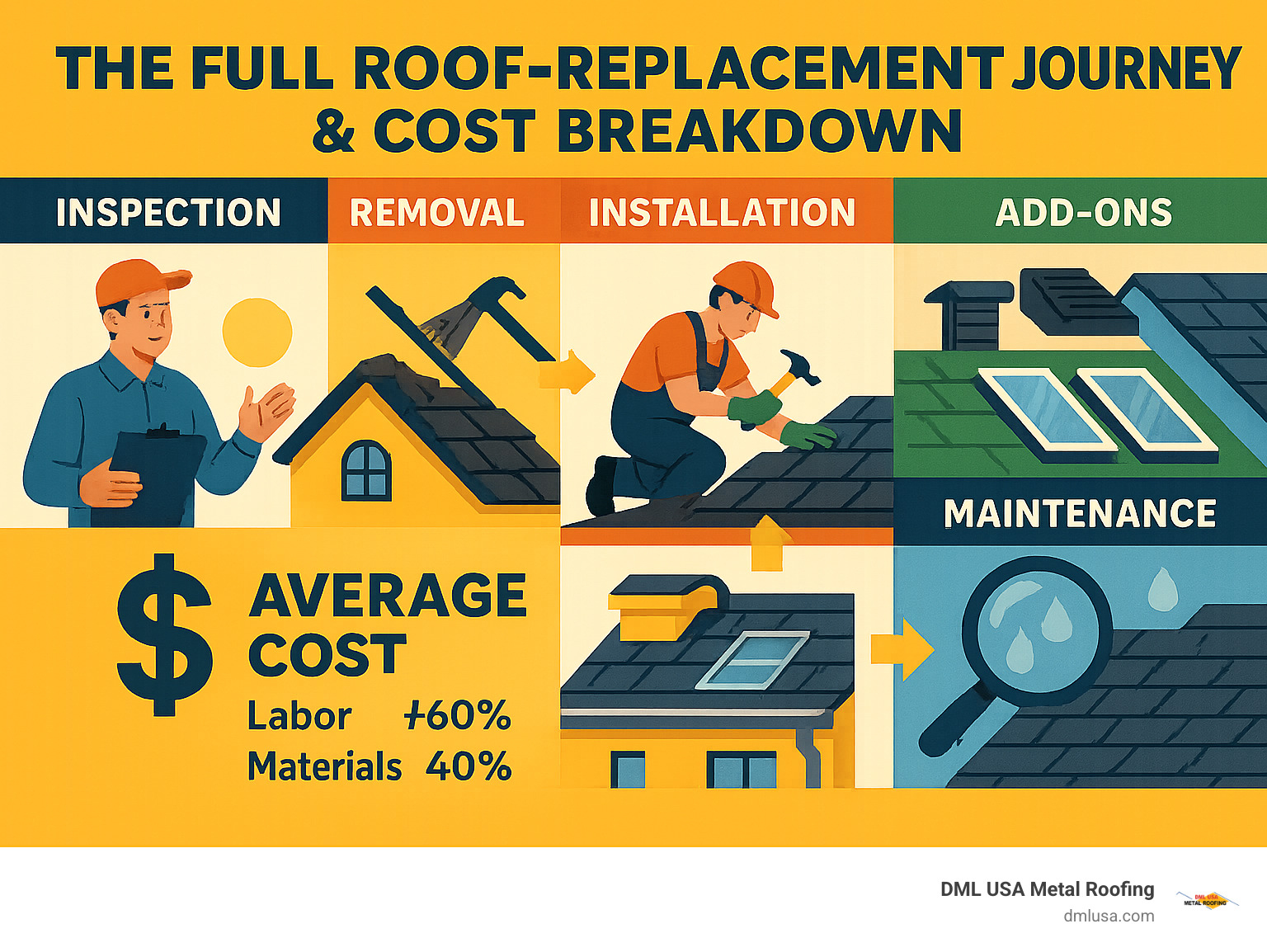
- Labor: ~60% of cost
- Materials: ~40% of cost
A new roof is a big investment, not just another home repair. As prices rise, roof replacements cost more than ever—and it’s easy to feel overwhelmed by quotes, repairs, and uncertainty. Maybe you’re tired of leaks, patch jobs, or high energy bills. Maybe you want something that lasts, looks great, and stands up to wild weather.
This guide breaks down what goes into the true cost of a new roof in 2024—so you know what to expect, avoid surprises, and make the smartest choice for your home and budget.
I’m Adam Kadziola, owner of DML USA Metal Roofing. With over 15 years helping homeowners answer “how much should a new roof cost”, I’ve seen it all—from budget asphalt jobs to long-lasting, eco-friendly metal roofs. Let’s dig in together—here’s what to watch for on your roof replacement journey.
How much should a new roof cost terms simplified:
– cost difference between metal roof and shingle roof
– metal shingle roof cost
How Much Should a New Roof Cost in 2024?
The short answer: the average U.S. roof replacement runs about $9,400, with most projects falling between $5,855 and $13,113. That works out to roughly $4.35–$11 per square foot—60 % of that is labor, 40 % is materials.
Why the spread? 2024 pricing reflects three main forces:
- Material costs are still 20–30 % higher than pre-2020 levels.
- A nationwide skilled-labor shortage keeps installation rates up.
- New energy and weather-resistance codes often mean better (but pricier) products.
Cost Examples by Home Size
| Home Size | Asphalt (basic) | Metal (typical) | Premium Tile/Slate |
|---|---|---|---|
| 1,000 sq ft | $4,350–$8,500 | $5,500–$11,000 | Up to $15,000 |
| 1,500 sq ft | $6,525–$12,750 | $8,250–$16,500 | Up to $22,500 |
| 2,000 sq ft | $8,700–$17,000 | $11,000–$22,000 | Up to $30,000 |
| 2,200 sq ft | $9,570–$18,700 | $12,100–$24,200 | Up to $33,000 |
Roofing Squares & Pitch Multipliers
Roofers price by the square (100 sq ft of roof surface). Your roof area is larger than your floor plan because of pitch, overhangs, and waste:
- Low pitch (≤4:12): no up-charge
- Medium (6–8:12): add 10–20 %
- Steep (>8:12): add 20–40 %
Add another 10–15 % for material waste and even more for multi-story set-ups. Knowing these basics makes it easier to compare contractor quotes at a glance.
Key Factors That Drive Roof Replacement Pricing
Figuring out how much should a new roof cost is like pricing a custom suit—size matters, but design and location matter more.
- Complexity: Dormers, valleys, and multiple angles push labor hours (and costs) well above a same-size simple gable.
- Location: Coastal California or the Northeast can run 20–50 % higher than Midwestern rural markets, thanks to local labor rates and stricter codes.
- Permits & Inspections: Budget $100–$1,000 for permits and around $240 for final inspections—non-negotiable if you want your roof warranty and insurance intact.
- Tear-off: Removing old layers adds $1–$5 per square foot, but most codes now require it for proper ventilation and warranty coverage.
Labor—Roughly 60 % of the Bill
Quality crews average about $60/hour. Steep-slope or multi-story projects need extra safety gear and insurance, tacking on as much as $5,000–$15,000 on large or intricate homes. Schedule in spring or late fall to avoid the 15–30 % “busy-season” premium.
Material Choices & Lifespans
| Material | Installed Cost (sq ft) | Typical Lifespan |
|---|---|---|
| Asphalt Shingle | $4.25–$8.50 | 15–25 yrs |
| Metal (standing seam) | $9–$17 | 40–70 yrs |
| Clay/Concrete Tile | $8.50–$26 | 45–100 yrs |
| Natural Slate | $12–$22 | 50–100+ yrs |
Climate & Insurance Impacts
Hurricane, wildfire, and heavy-snow regions often require specialty fasteners or Class A fire-rated materials—expect 20–40 % higher material/labor costs but ask your insurer about matching premium discounts. Rural homeowners may qualify for USDA home repair grants that offset upgrades.
Cost Breakdown by Material and Square Footage
Your material choice is the biggest lever on how much should a new roof cost—both at checkout and over the next few decades.
Quick Snapshot
- Asphalt shingles: $1.50–$3.50 material cost per sq ft; low upfront, higher lifetime maintenance; 15–25-year life.
- Metal roofing: $5.50–$17 installed per sq ft; 40–70-year life; energy-saving and often insurance-discounted.
- Premium tiles/slate: $12–$26 installed per sq ft; 50–100+-year life; highest curb appeal & structural weight.
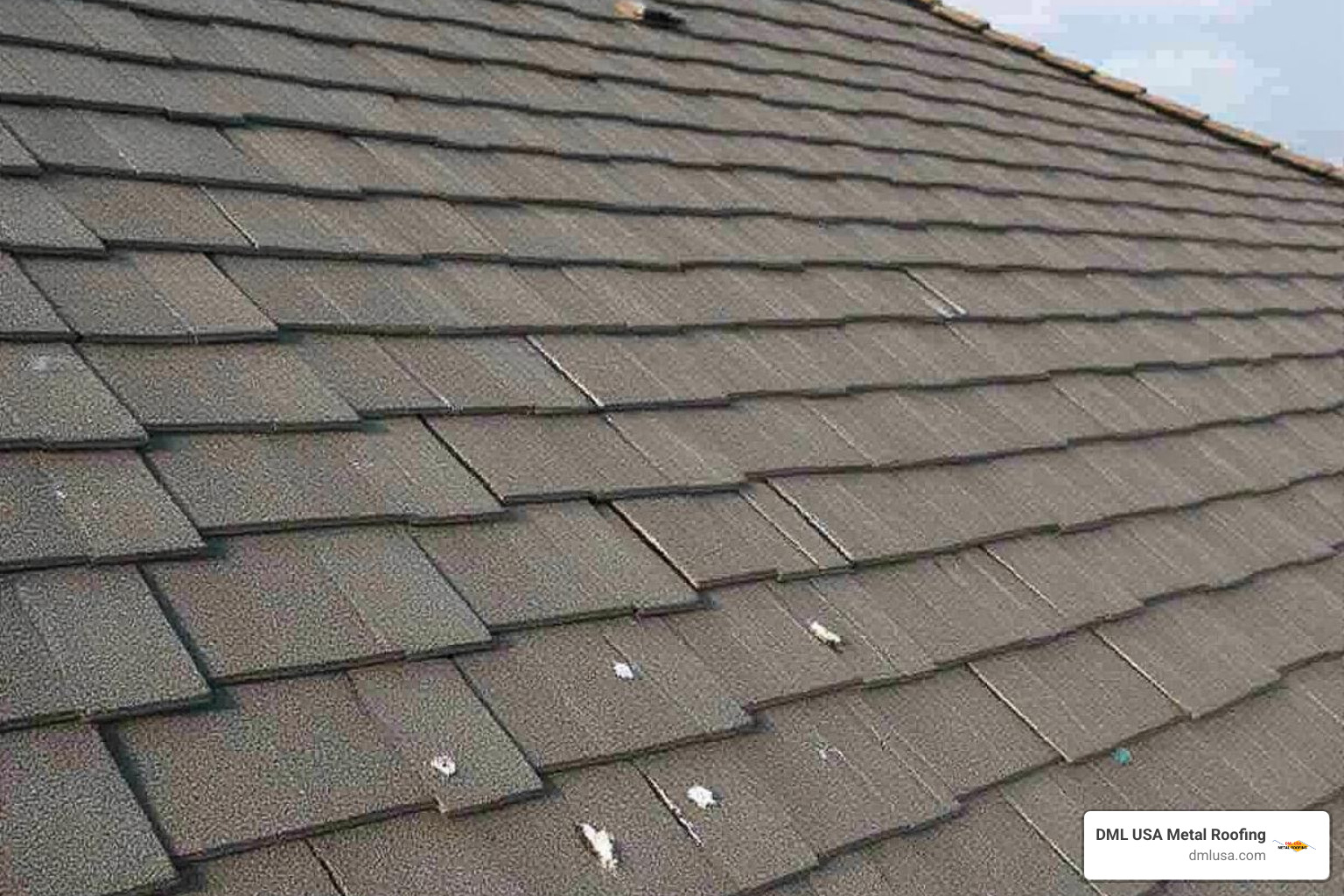
Metal Shingle Roof Cost Spotlight
DML USA’s galvalume metal shingles cost more than basic asphalt but often less than people expect—especially after incentives:
- Eligible for the 30 % federal solar tax credit when paired with solar panels.
- Reflective finishes can cut summer cooling bills by up to 20 %.
- Class A fire, Class 4 hail, and 140-mph wind ratings may trim insurance by 10–30 %.
Add it up, and lifetime cost per year of service beats most mid-grade asphalt options. For more, visit Why Choose Metal Roofing.
Hidden and Additional Roof Expenses Homeowners Forget
When planning how much should a new roof cost, set aside a buffer for the extras that sneak onto invoices:
- Permits & inspections: $100–$1,000 for permits, plus ~$240 for final sign-off.
- Gutters & downspouts: About $1,200 if yours are sagging or rusted.
- Ventilation upgrades: $500–$2,000 for ridge or soffit vents that can extend roof life.
- Skylight reseal/replacement: $500–$2,000 each.
- Warranty extensions: $500–$2,000 for longer, no-prorate terms.
Tear-Off & Disposal
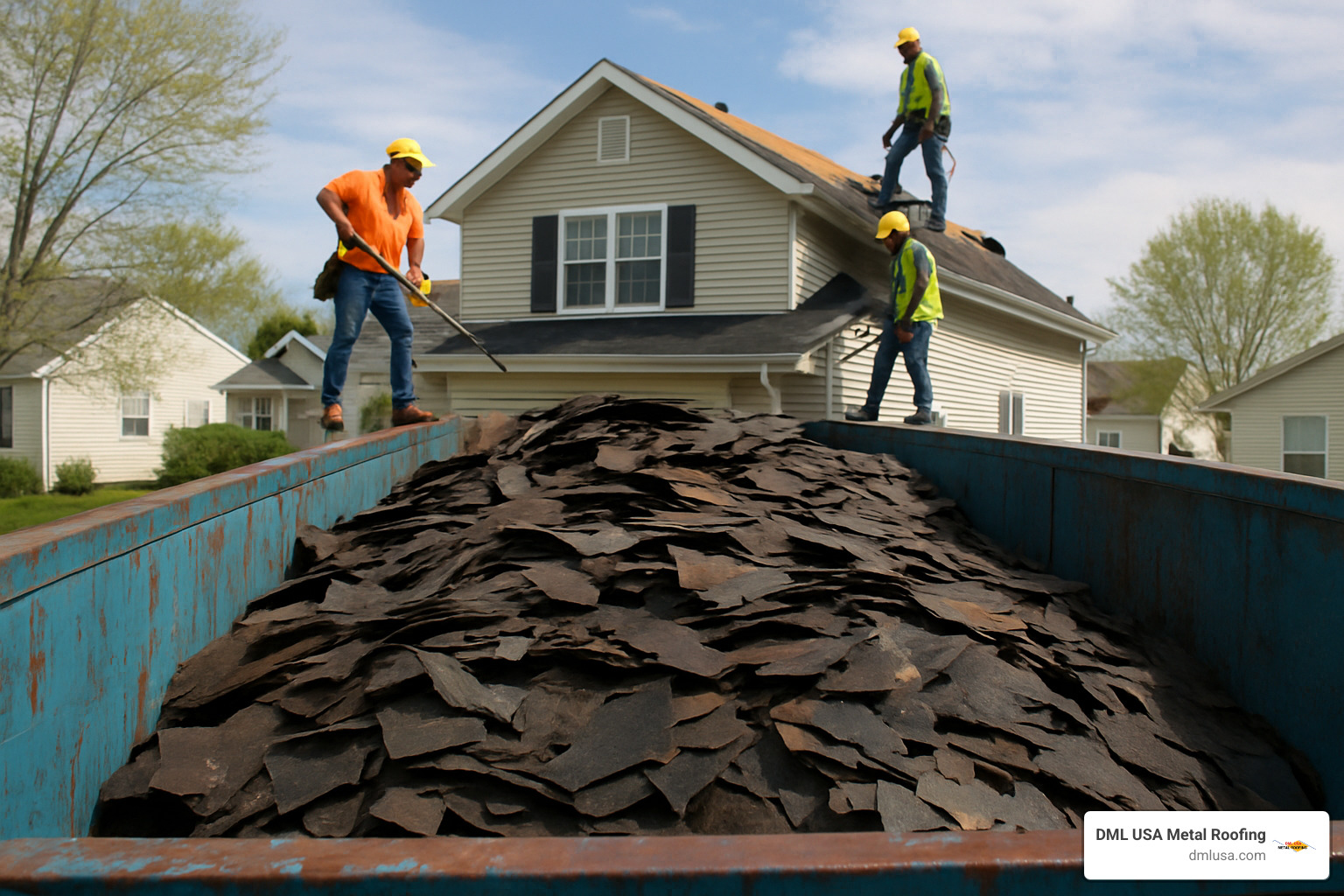
- Tear-off: $1–$5 per sq ft (more layers = more dollars).
- Landfill or recycling fees: $300–$800. Metal is 100 % recyclable and often cheaper to dispose of.
- Older homes may hide asbestos—professional abatement is mandatory and pricey.
Structural Surprises
Once shingles are off, rot or damaged rafters can appear. Budget $2–$5 per sq ft for sheathing replacement and keep a 10–20 % contingency fund for larger structural fixes. It’s money well-spent versus installing a new roof over failing wood.
Smart Ways to Save and Pay for Your New Roof
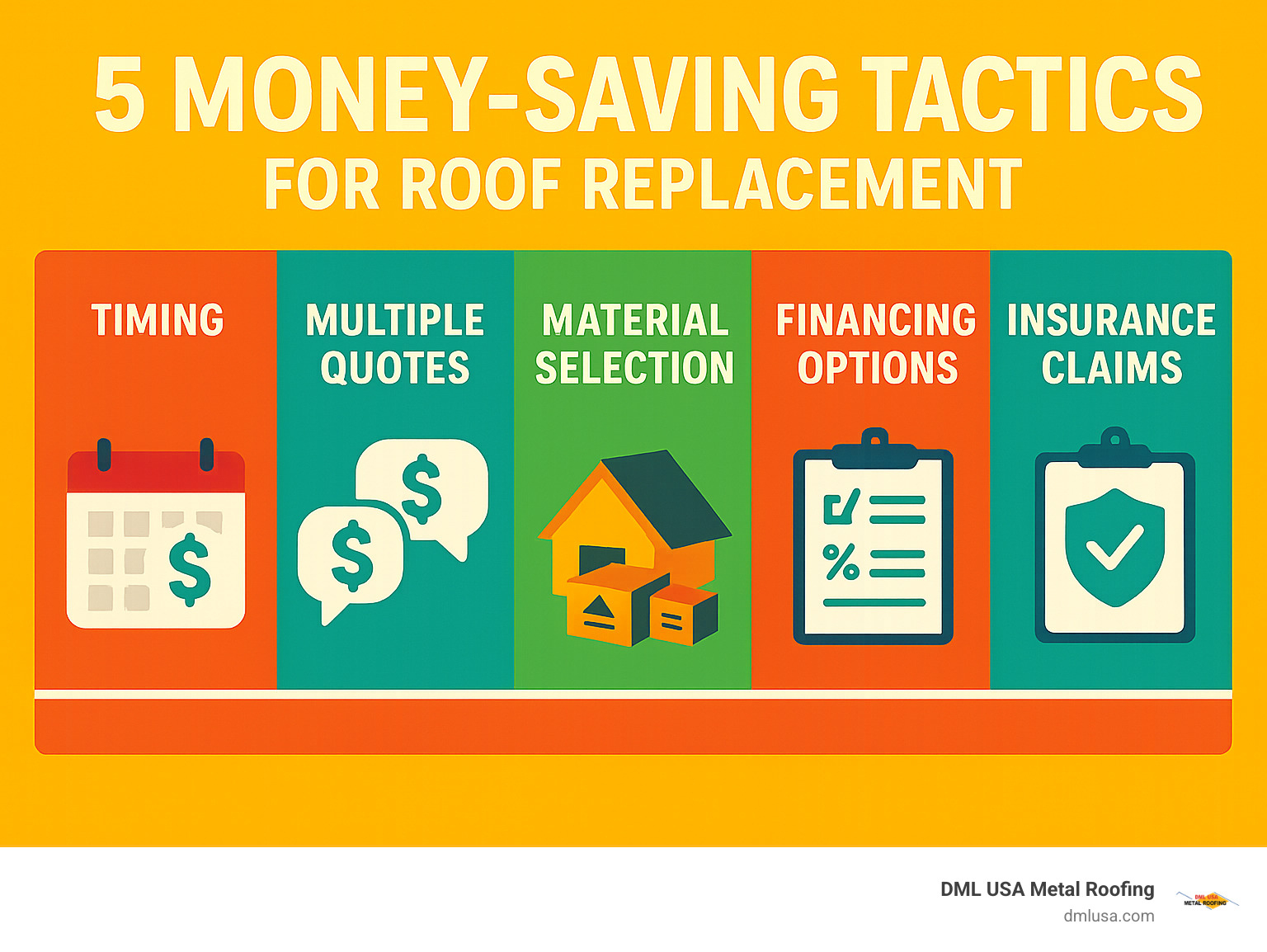
- Schedule off-season. Spring or late fall jobs can cut labor bills by 15–30 %.
- Collect 3–5 itemized bids. You’ll spot outliers and force contractors to be transparent.
- Watch for manufacturer promos. End-of-year color clearance or energy-credit bundles can save thousands.
- Leverage insurance. Wind, hail, or tree damage is often covered—file claims within 12 months.
- Stack incentives. Pair metal roofing with solar for the 30 % federal tax credit and possible utility rebates.
Comparing & Negotiating Quotes
Insist on line-item details: material brand/thickness, labor warranty length, tear-off, disposal, and permit fees. Legit contractors ask for 10–20 % down, not 50 % upfront. Need an example of a transparent quote? Contact us.
Grants, Loans & Insurance
- USDA rural grants and VA loans can offset costs for qualifying homeowners.
- HELOCs typically carry lower rates than personal loans because you’re improving a secured asset.
- Cash-out refi may work if you have substantial equity and want to roll multiple improvements into one payment.
- HUD improvement grants provide additional funding for low-to-moderate-income households.
Bottom line: a safe, durable roof is worth the homework. Combine off-season timing, fair financing, and every incentive you qualify for to get the best price without cutting corners.
Frequently Asked Questions about New-Roof Costs
How long does a roof replacement take?
Most homeowners are pleasantly surprised by how quickly a new roof goes on—when the weather cooperates, of course! For a typical asphalt shingle roof around 1,500 square feet, you can expect the job to take 1–3 days. If you have a larger or more complex roof (think 3,000 square feet or lots of tricky angles), it could stretch to 3–7 days.
Metal roofing installations, which demand a little extra precision to ensure a watertight seal and perfect fit, generally take about 3–7 days as well. Of course, Mother Nature sometimes has the final say—rain or high winds can extend timelines, so a bit of patience always helps.
Does homeowners insurance cover a full roof?
This is one of the most common questions we get, and for good reason. Whether insurance will cover your new roof depends on why you need it. If your roof was damaged by a sudden event—like a hailstorm, wind, or falling tree limb—insurance will usually step in after your deductible.
However, normal wear and tear, neglect, or age-related issues are generally not covered. If you’re dealing with an old, leaky roof that’s simply reached the end of its lifespan, that’s usually on you.
It’s smart to file any claim within one year of damage and to carefully document everything with photos—the more info, the better your chances!
Do gutters need to be replaced with the roof?
Not always—but it’s often a wise idea. If your gutters are more than 15–20 years old, showing signs of rust, sagging, or leaks, it’s usually more cost-effective to replace them at the same time as your roof. This way, you save on labor costs and ensure everything works together seamlessly.
During roof removal, hidden gutter damage often comes to light. Plus, installing new gutters now can help protect your roof warranty—some warranties require proper water drainage to stay valid. And let’s be honest: brand new gutters just look great with your new roof!
Still have questions about how much should a new roof cost or the best way to approach your own roof project? We’re happy to help—just reach out for advice, or check out our resources for more tips.
Conclusion
When it comes to answering how much should a new roof cost, there’s a lot more to it than just picking the lowest bid. You’re not just paying for shingles, nails, and labor. You’re investing in peace of mind—knowing your home, your family, and everything inside is protected for decades to come.
At DML USA Metal Roofing, we’re passionate about helping Illinois homeowners make the smartest choice for their roofs and their budgets. Our metal roofing systems are built to last 40–70 years (that’s two, sometimes three times longer than asphalt), and they’re engineered to handle almost anything Mother Nature throws your way—fire, wind, hail, you name it. Plus, you can trim your energy bills by up to 20% and may qualify for an energy tax credit of up to 30% when you choose a solar-ready installation. And when your roof finally does reach the end of its extra-long life? Every panel can be recycled.
No matter which material you choose, there are a few golden rules that make any new roof project smoother: Set aside a 10–20% contingency fund just in case the unexpected pops up. Always get several quotes from licensed and insured roofers (this isn’t the time to roll the dice on a too-good-to-be-true deal). Think long-term—sometimes what costs a little more upfront can save you thousands over the years. And don’t forget to explore your financing options, from insurance claims and grants to those helpful energy tax credits. If you can, plan your project for the off-season—your budget will thank you.
If you’re ready for a quote that’s clear, honest, and custom to your home, we’re here to help. Our team serves Chicago and all of Illinois with friendly service, deep local knowledge, and truly competitive pricing. Curious about the options? Check out our products page for the full lineup of metal roofing solutions, or just reach out—real answers are only a call or click away.
Remember: a new roof isn’t just a cost. It’s a serious investment in protection, comfort, and even resale value. Make a wise choice today, and your next roof could be the last one you’ll ever need.
