 Skip to main content

Roof Replacement Cost 2025: 10 Powerful Ways to Save Big
Understanding the True Cost of Replacing Your Roof
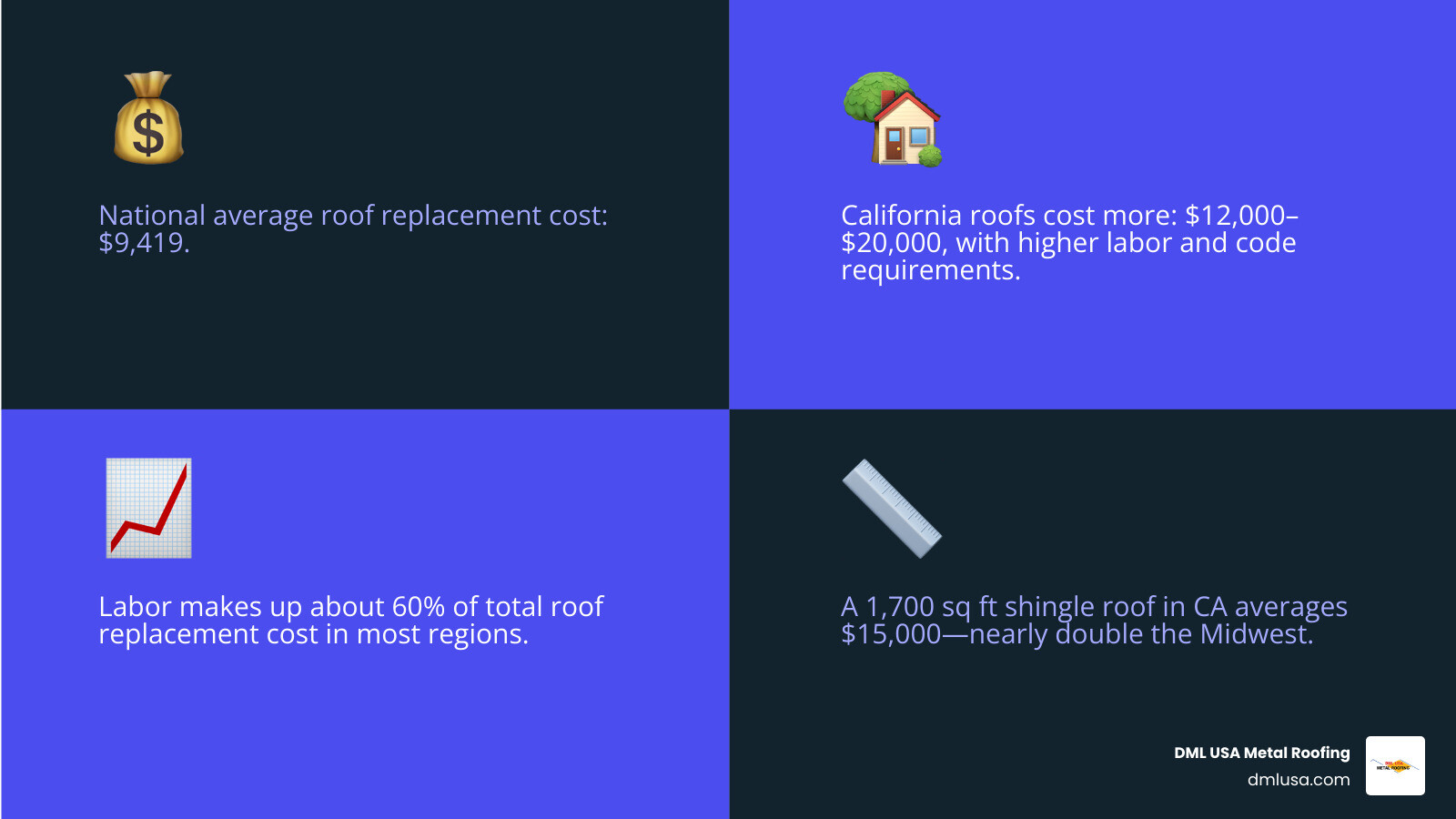
Roof replacement cost typically ranges from $5,855 to $13,113 nationally, with most homeowners spending around $9,419. However, if you live in California, expect to pay between $12,000 and $20,000, with the average hitting about $15,000 for a standard 1,700 square foot home.
Quick Cost Overview:
- National Average: $9,419
- California Average: $15,000
- Cost Range: $5,855 – $20,000+
- Per Square Foot: $4.35 – $11.50
- Labor Share: 60% of total project cost
When your roof starts showing its age – curling shingles, frequent leaks, or those dreaded water stains on your ceiling – the question isn’t if you’ll need a replacement, but when and how much.
The reality is simple: roof replacement is likely one of the largest expenses you’ll face as a homeowner. But it’s also one of the smartest investments you can make.
The cost depends on several key factors: your roof’s size and complexity, the materials you choose, local labor rates, and whether you’re dealing with California’s strict Title 24 cool-roof requirements. Labor alone accounts for about 60% of your total project cost, which explains why a simple asphalt shingle job can still hit five figures.
Understanding these costs upfront helps you budget properly and avoid sticker shock when contractors start handing you estimates.
I’m Adam Kadziola from DML USA Metal Roofing, and over the past 17 years in manufacturing and home renovations, I’ve helped countless homeowners steer roof replacement cost decisions and understand the long-term value of quality materials. My experience has shown me that while the initial investment might seem steep, choosing the right roofing solution can eliminate the cycle of costly repairs and replacements that plague many homeowners.

Roof replacement cost vocabulary:
Roof Replacement Cost: National & California Averages
Let’s break down the numbers in plain English. The national average roof replacement cost sits at about $9,419—but the price on your final bill can look quite different depending on where you live and exactly what’s going on above your head.
If you’re in California, brace yourself: the average roof replacement cost is closer to $15,000, with most jobs falling between $12,000 and $20,000. That’s quite a jump from the Midwest, where a new roof in Illinois averages around $8,000 to $11,000 for a similar project. On a per-square-foot basis, you might pay anywhere from $4.35 to $11.00 nationally, but in California, it could be $5.50 to $20.00 depending on material, style, and local permit rules.
Here’s how those numbers stack up:
| Location | Average Total Cost | Common Range | Per Sq Ft Range |
|---|---|---|---|
| U.S. Average | $9,419 | $5,855 – $13,113 | $4.35 – $11.00 |
| California | $15,000 | $12,000 – $20,000 | $5.50 – $20.00 |
| Midwest (IL) | $8,000 | $6,000 – $11,000 | $4.00 – $10.00 |
So, for a typical 1,700 sq ft roof in California, expect to shell out around $15,000 for standard shingles. The same roof in Illinois? Probably closer to $8,000–$11,000. These numbers have crept up over recent years thanks to inflation, labor shortages, and increased material costs, especially if you want premium options or your roof is full of tricky angles.
Why Your Neighbor Paid More (or Less)
Ever find yourself wondering how your neighbor’s new roof ended up costing more (or less) than yours—even though their house looks just like yours from the curb? It’s not just about luck. The real story usually comes down to timing and market forces.
Market demand surges in summer and fall, which means higher prices when everyone’s scrambling for roof repairs before the rainy season. Material shortages—like a sudden spike in shingle or metal prices—can drive up costs if your project lands during a supply hiccup. After a storm or during peak season, labor costs also rise because roofers are in high demand. And don’t forget about regional cost-of-living differences: roofers in cities like Los Angeles or Chicago tend to charge more than crews in smaller towns.
If you want to dive deeper into why material choice matters, check out our cost difference between metal and shingle roofs or explore metal shingle roof cost for more details.
All these moving parts add up to your final roof replacement cost, so knowing what to expect can help you plan, budget, and—most importantly—avoid surprises when the estimate lands in your inbox.
What Drives the Price of a New Roof?
Several ingredients go into the roof replacement cost equation. Here’s what really matters:
- Roof size (measured in “squares”—100 sq ft each)
- Pitch/slope (steep roofs are more expensive)
- Complexity (gables, dormers, valleys, chimneys)
- Material choice (asphalt, metal, tile, slate, etc.)
- Labor (usually 60% of your total bill)
- Tear-off vs. overlay (removing old shingles adds cost)
- Permits and inspections (especially strict in CA)
- Disposal fees (hauling away old roofing isn’t free)

Roof Size, Pitch, and Complexity
- Roof squares: Calculate your roof’s area, then divide by 100 to get the number of “squares.”
- Story count: Multi-story homes cost more to roof (think ladders, scaffolding, and risk).
- Steep-slope premiums: If your roof is steeper than 6:12 pitch, expect higher labor costs for safety and setup.
Labor & Location Impact on Total
- Labor costs are typically $2.00–$6.00 per sq ft, making up about 60% of the bill.
- Off-season savings: You might save 10–15% if you schedule your project in late winter or early spring.
- Regional factors: Urban areas or regions with higher wages (like California) will push your costs up.
Roof Replacement Cost Breakdown: Tear-Off vs Roof-Over
- Tear-off: Removing old roofing adds about $1 per sq ft. This is usually required to inspect the decking and ensure a long-lasting installation.
- Roof-over: Laying new shingles over old ones saves on demo, but isn’t always allowed by code (especially in California), and can void warranties or trap moisture.
- Takeaway: Full tear-off is best for longevity—don’t let a bargain now lead to a money pit later.
Permits, Inspections & Building Codes
- Permits: Usually $400–$1,000 depending on your city.
- Inspections: Professional roof inspections range $100–$600.
- Title 24 cool-roof rules: In California, reflective “cool” roofing is often required to meet energy codes, which can increase material costs but lower your energy bills.
- For the science-minded: See official research on California’s cool-roof energy savings.
How Much Does a New Roof Cost by Material & Home Size?
When it comes to figuring out your roof replacement cost, the material you choose makes a huge difference—sometimes as much as the size of your home itself. If you’re feeling overwhelmed by options, don’t worry: we’ll break down what you can expect, so you can confidently pick what’s best for your home and your budget.
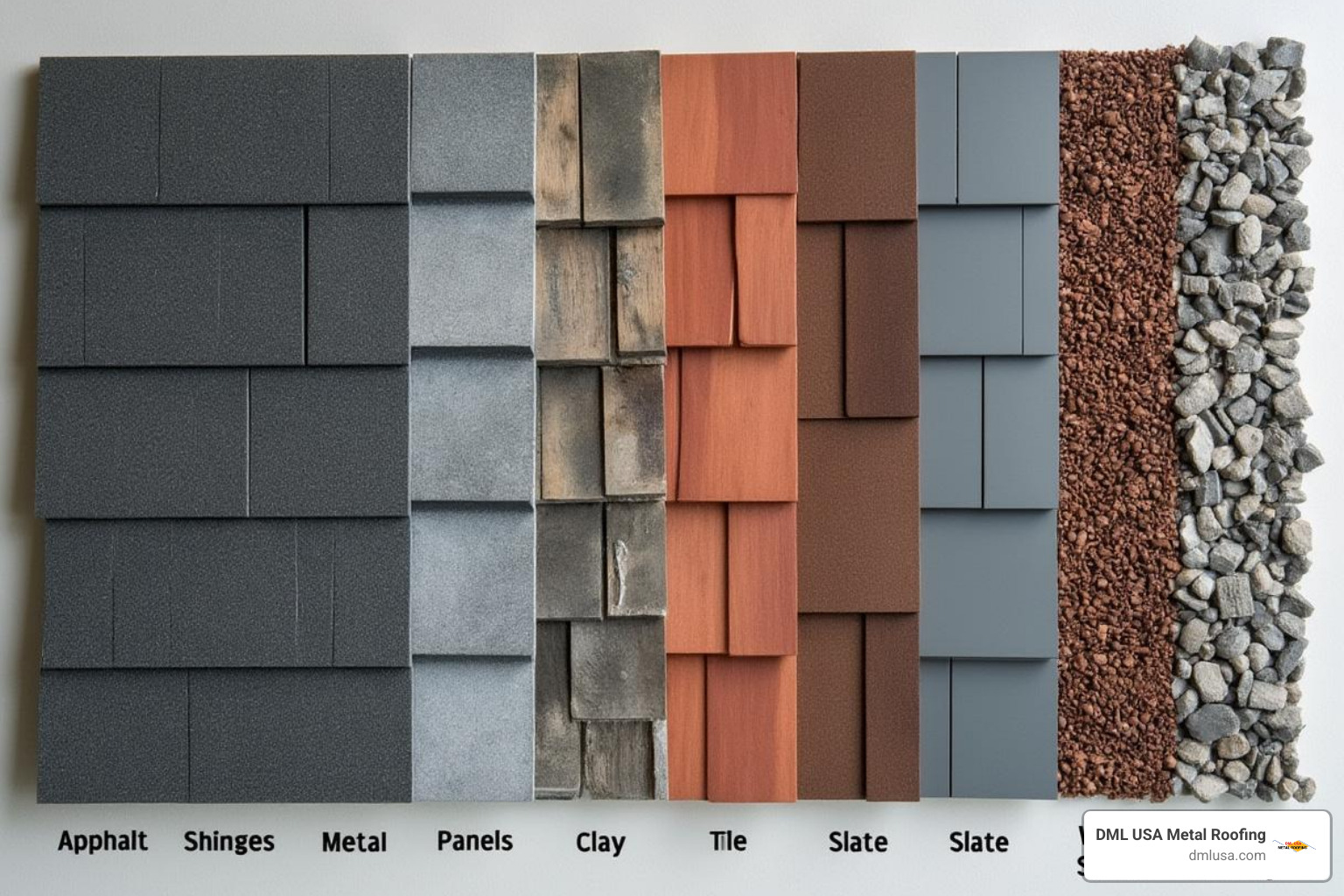
Roof Replacement Cost per Square Foot for Popular Materials
The most common roofing materials all come with their own price tags, lifespans, and quirks. Here’s how they stack up:
| Material | Cost per Sq Ft (U.S.) | Cost per Sq Ft (CA) | Typical Lifespan |
|---|---|---|---|
| Asphalt Shingles | $4.35 – $8.25 | $5.50 – $11.50 | 20–30 years |
| Architectural Shingle | $6 – $10 | $7 – $12 | 25–40 years |
| Metal Roofing | $10 – $24 | $10 – $24.50 | 40–70 years |
| Tile (Concrete/Clay) | $8 – $20 | $10 – $20 | 50+ years |
| Slate | $15 – $30+ | $15 – $30+ | 75–100+ years |
| Wood Shake | $6 – $13 | $8 – $15 | 25–30 years |
| Synthetic/Composite | $7 – $13 | $8 – $15 | 30–50 years |
Want to dive deeper? Check out our full breakdown on the cost difference between metal roof and shingle roof or see the latest metal shingle roof cost.
Home size is the other main driver. For a 1,000 sq ft home, basic asphalt goes from about $4,400 up to $11,000 if you choose premium options. If you’re upgrading to metal, you’re looking at $10,000 or more.
A typical 2,200 sq ft home sees a wide range—anywhere from $10,700 to $27,100—depending on your material, of course. For larger homes around 3,000 sq ft, costs can climb from $14,600 and easily reach $36,900+.
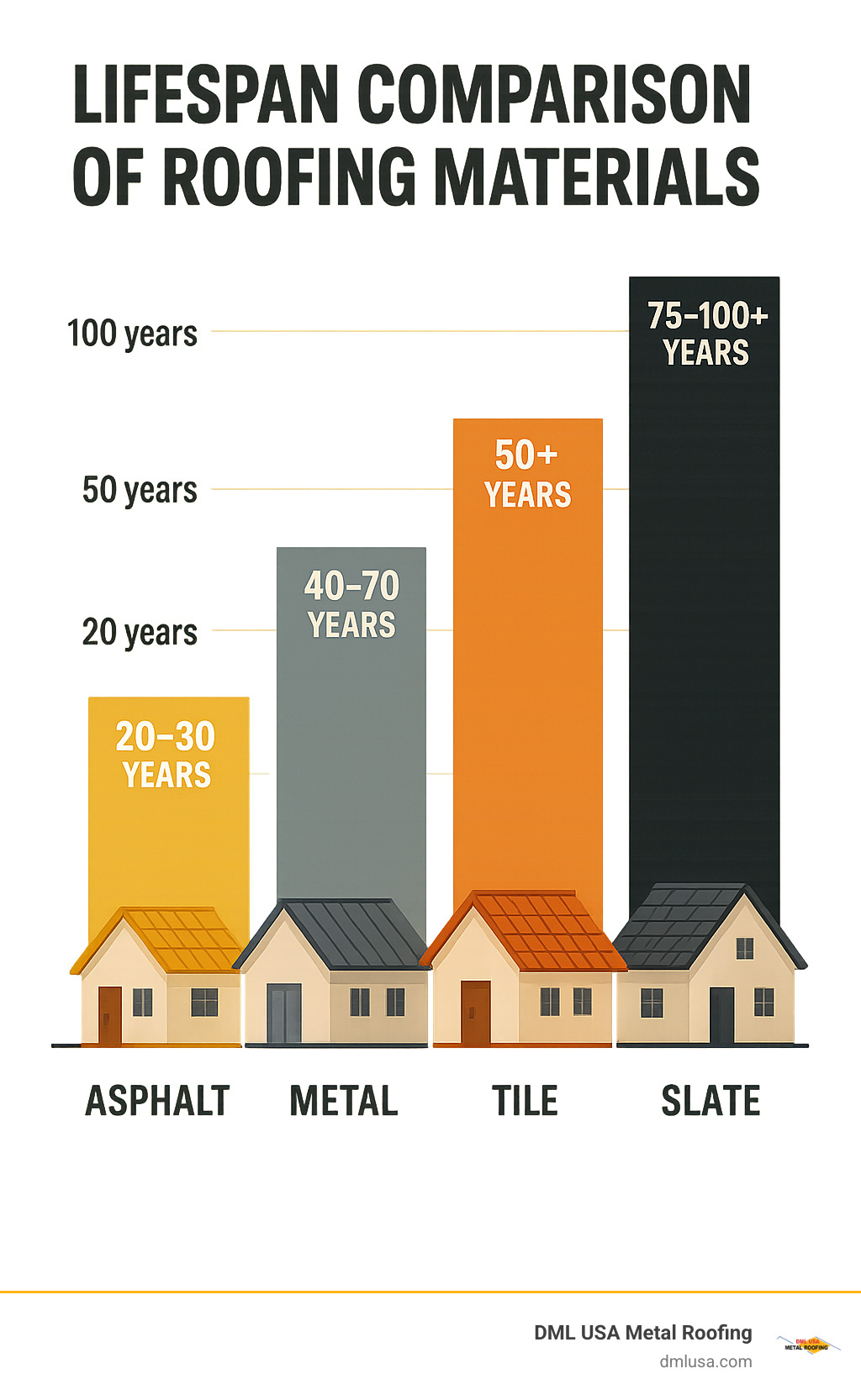
Lifespan & Maintenance Comparison
The right roof isn’t just about the upfront roof replacement cost. Consider how long your investment will last, and how much care it’ll need:
- Asphalt shingles are affordable, but usually last just 20–30 years. They’re easy to repair but may need more frequent fixes, especially after storms.
- Architectural shingles give you a bit more life—25–40 years—with better wind protection.
- Metal roofing stands out for its 40–70 year lifespan. It’s low maintenance, energy efficient, and shrugs off fire, wind, and harsh weather.
- Tile and slate roofs are built for the long haul: 50 years for tile, and up to 100+ years for slate. They’re heavier, though, and sometimes need extra support underneath.
- Wood shake is beautiful and natural, but needs regular care and isn’t fire-resistant. You’ll get about 25–30 years if you stay on top of maintenance.
- Synthetic/composite materials mimic the look of classic options but with less weight and decent longevity—30 to 50 years.
Add-Ons You Might Overlook
Don’t forget those “little extras”—they can sneak up on your final roof replacement cost. New gutters can run about $1,200 for a standard home. Thinking about adding or replacing a skylight? That’s $800 to $2,200 per window, but it’s much easier to do while your roof is open. If your attic needs better ventilation for code compliance, or you find rotten decking that needs replacing ($75–$125 per sheet), that can add up quickly. Even debris disposal is an expense—expect $500 or more, depending on how much old roofing you’re tossing out.
The bottom line: your choices today affect not just the price, but how much you’ll spend (or save) over the next few decades. Take your time, ask questions, and make sure you know what’s really included before you sign that contract.
Financing, Insurance, and Money-Saving Tips
Let’s be honest—when contractors start throwing around numbers like $15,000 for a roof replacement cost, your first thought probably isn’t “Great! Where do I sign?” More likely, you’re wondering how you’ll actually pay for this essential home improvement.
The good news? You have more options than you might think, and there are legitimate ways to reduce your costs without cutting corners on quality.
Insurance Coverage & Claims
Your homeowner’s insurance can be your best friend when it comes to roof replacement cost—but only under the right circumstances. Storm damage, hail, wind damage, or fire are typically covered, which can save you thousands. However, if your roof is simply showing its age with normal wear and tear, you’re on your own.
Time is critical when filing insurance claims. Most insurers require you to report damage within a year of the event, so don’t wait around hoping those loose shingles will magically fix themselves. Document everything with photos and keep any professional inspection reports—they’ll be crucial when dealing with adjusters.
Here’s a pro tip: if a storm hits your area, have your roof inspected even if you don’t see obvious damage. Hail can cause granule loss and micro-fractures that lead to bigger problems down the road.
Financing Options at a Glance
When insurance isn’t covering the bill, you’ll need to explore financing. Home equity loans or HELOCs typically offer the lowest interest rates, but you’ll need at least 15-20% equity in your home to qualify. The application process takes longer, but the savings can be substantial on a large project.
Personal loans are faster to obtain but come with higher interest rates. They work well if you need to start the project quickly or don’t have sufficient home equity.
Many contractors offer 0% financing promotions or deferred-interest plans. These can be excellent deals if you can pay off the balance before the promotional period ends—just read the fine print carefully.
Credit cards should be your last resort unless you’re dealing with a smaller repair or need to bridge short-term cash flow. The interest rates are typically too high for major roof replacements.
Don’t overlook potential assistance programs either. Some low-income homeowners may qualify for USDA home repair grants or state-sponsored home improvement programs.
Smart Ways to Lower Your Roof Replacement Cost
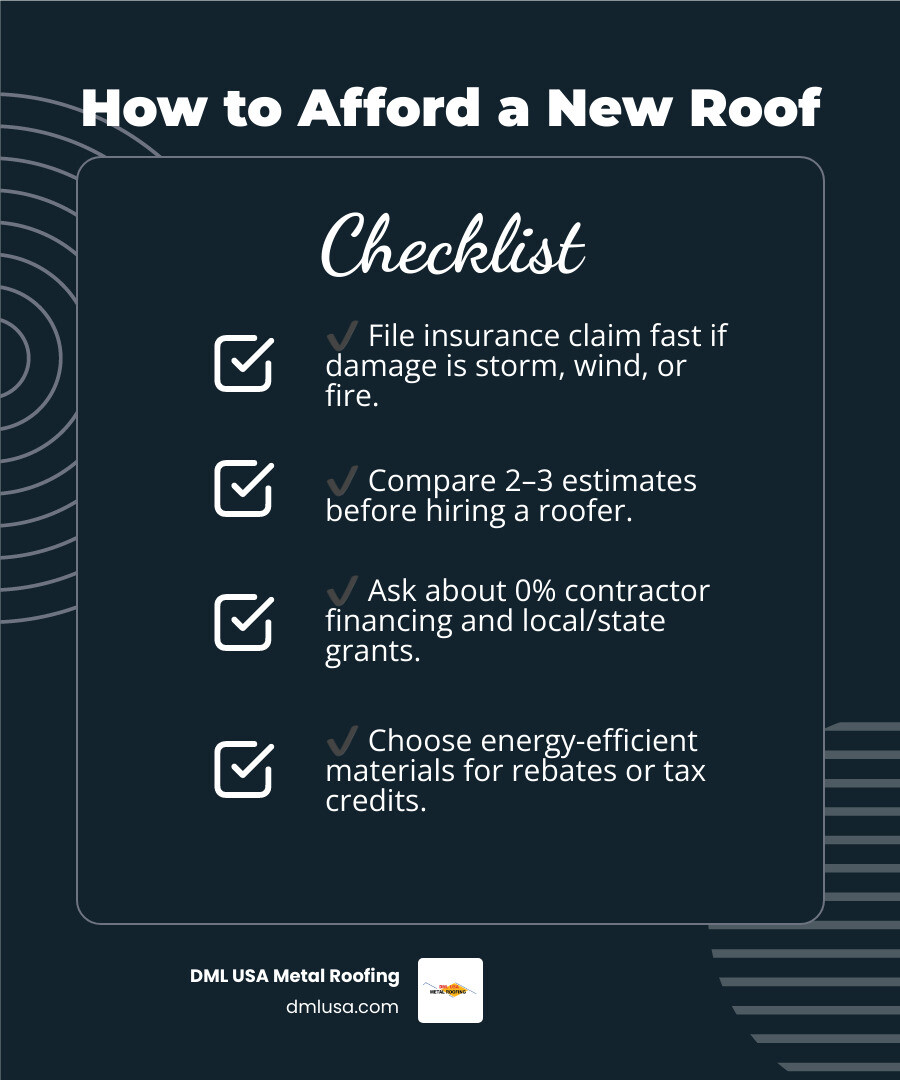
You don’t have to accept the first quote that lands on your kitchen table. Getting multiple estimates is essential—aim for at least 2-3 detailed quotes from reputable contractors. This isn’t just about finding the lowest price; it’s about understanding what’s included and spotting any red flags.
Timing your project strategically can save you real money. Late winter or early spring are typically slower seasons for roofers, which means you might negotiate better rates. Just avoid the post-storm rush when contractors are swamped and prices spike.
Choose energy-efficient materials that qualify for tax credits and rebates. Metal roofing, for instance, often qualifies for federal tax credits and can significantly reduce your energy bills. California also offers cool-roof rebates that can offset some of the higher upfront costs. For more details on metal roofing efficiency, check out why metal roofing is so efficient.
Bundle related projects while the contractors are already on your roof. Replacing gutters, installing skylights, or upgrading ventilation during your roof replacement saves on labor costs since the crew is already set up.
The cheapest roof replacement cost isn’t always the best value. Focus on finding the sweet spot between quality materials, skilled installation, and fair pricing. A roof that lasts 50 years instead of 20 years is often worth the extra investment upfront.
From Contract to Completion: What to Expect
So, you’ve signed off on your roof replacement contract and you’re probably wondering—what happens next? Here’s a clear look at the journey from that first “yes” to the moment your new roof is ready to shine.
The process starts with permits, which usually take 1 to 5 days for approval. Your contractor will handle the paperwork, so you don’t have to sweat the details. Once the green light is given, materials start arriving—typically 1 to 3 days before installation. If you come home to bundles of shingles or panels on your driveway, you’ll know it’s almost go-time.
Tear-off and demolition come next. For most average-sized homes, removing the old roof takes about 1 to 2 days. The crew moves fast, stripping away old shingles or panels and making sure your roof decking underneath is healthy.
Installation follows immediately after. Simpler roofs can be finished in just 1 to 2 days, but larger or more intricate roofs might stretch to 3 days or a bit more. If you’ve chosen top-tier materials like metal, the installation could take a touch longer—but the payoff is worth it.
Before you can put your feet up, there’s the final inspection. A building inspector checks the work meets all codes and your warranty requirements. Only after this official thumbs-up is your project truly complete.
Lastly, the crew handles cleanup. Expect a thorough sweep, with magnets picking up stray nails and every scrap of old material hauled away. When you step outside, your home should look neat and tidy—except for your sparkling new roof, of course.
Most roof replacement projects, weather permitting, are wrapped up in about 1 to 5 days from start to finish.
DIY vs Professional: Pros, Cons, True Costs
Thinking of doing it yourself? Be careful—roofing is risky business. It’s physically demanding, and one wrong step could mean injury or expensive mistakes down the line. Most warranties and homeowners insurance require professional installation, which is a big reason to leave it to the pros.
Professional roofers bring experience, proper equipment, and code knowledge. Yes, you pay more upfront for their expertise, but you get peace of mind, solid warranties, and a job done safely and correctly. The DIY route might look cheaper, but hidden costs—like failed inspections, leaks, or safety mishaps—can add up fast.
Post-Installation Care & Annual Costs
Once your roof is on, caring for it is simple but important. Annual inspections (typically $120–$600) are the best way to spot small problems before they turn into big bills. Gutter cleaning should be on your calendar at least twice a year, with each visit usually costing $150 or more. Even with a new roof, minor repairs can pop up—budget $200–$1,000 for upkeep over the years.
If you’ve chosen a metal roof, your maintenance needs will be much lower than with asphalt or wood shingles. Either way, investing a little in regular care helps keep your roof replacement cost down in the long run and protects your home for decades to come.
If you have more questions about what to expect during your project, or want tips on maintaining your new roof for the long haul, explore our roofing guides or reach out to us at DML USA Metal Roofing. We’re always here to help your roof—and your peace of mind—last.
Frequently Asked Questions about Roof Replacement Cost
What is the cheapest durable roofing material?
If you want the lowest upfront roof replacement cost, asphalt shingles are the most budget-friendly pick. They’re easy to install and widely available, which keeps prices low. But it’s important to look past just the sticker price. If you’re thinking about long-term value, metal roofing stands out. While it costs more upfront, metal lasts much longer, saves you money on energy bills, and cuts down on maintenance headaches. So, if you’re planning to stay in your home, metal often pays for itself over time. Want to dive deeper into the numbers? Take a look at our cost difference between metal roof and shingle roof comparison.
How long does a roof replacement usually take?
Most residential roof replacements are finished in about 1 to 5 days. The exact timeline depends on your roof’s size, the material you choose, the weather, and how complex your roof shape is. Smaller or simpler roofs might be wrapped up in a day, while bigger or more intricate jobs, or those with surprise repairs, take longer. Mother Nature sometimes likes to keep things interesting, too—rain or high winds can slow things down.
Should gutters be replaced at the same time as the roof?
It’s usually smart to tackle gutters and your roof together. Installing new gutters at the same time as your new roof helps guarantee everything fits perfectly, prevents damage to your brand-new shingles, and often lowers your overall labor costs. Plus, it’s one less thing to worry about down the road—you get a fresh start, top to bottom.
If you have other questions about roof replacement cost or materials, reach out anytime. We’re always happy to help you make the best decision for your home and budget!
Conclusion
When you’re staring at roof replacement cost estimates that feel overwhelming, remember this: you’re not just buying a roof—you’re investing in decades of protection, comfort, and peace of mind.
A quality roof replacement typically boosts your home’s value by 60-70% of the project cost. That $15,000 investment? It could add $9,000-$10,500 to your home’s market value. But the real payoff comes from energy savings, especially with modern materials that reflect heat and keep your home comfortable year-round.
Long-term durability matters more than the upfront price tag. While asphalt shingles might seem like the budget-friendly choice, metal roofing can last 40-70 years with virtually no maintenance. When you factor in the energy tax credits, storm resistance, and the fact that you’ll never need another roof replacement, the math starts making a lot more sense.
Here in Illinois and across the Midwest, we see how the right roofing material handles everything Mother Nature throws at it. DML USA Metal Roofing manufactures durable, maintenance-free metal roofing designed for decades of worry-free protection—with the added bonus of energy tax credits and excellent resistance to fire, wind, and impact.
The bottom line? Don’t let roof replacement cost anxiety keep you living under a failing roof. Get those estimates, explore your financing options, and choose materials that’ll serve your family for generations.
Ready to take the next step? Learn more about our metal roofing products or contact us for a personalized quote.
This guide is brought to you by DML USA Metal Roofing, based in Northlake and Chicago, IL—your source for affordable, high-quality metal roofing solutions.
