 Skip to main content

Can you install a metal roof over a shingle roof? 7 Key Benefits in 2025
Can You Install a Metal Roof Over a Shingle Roof? Fast Facts Homeowners Need to Know
If you’re wondering, can you install a metal roof over a shingle roof, here’s the quick answer:
| Question | Answer |
|---|---|
| Can you install a metal roof over a shingle roof? | Yes, in many cases you can, if local building codes allow, your shingles are in good condition, and the roof structure is sound. |
| What are the key benefits? | Saves up to 25% on labor costs, less mess, and faster install. Metal roofs last 40–70 years and are energy efficient. |
| What are the main risks? | Hidden roof damage, possible moisture/ventilation issues, building code or warranty violations. |
| When should you NOT do it? | If there are multiple shingle layers, signs of damage, or the structure cannot support extra weight. |
| What should you always check? | Building codes, structural integrity, and warranty requirements. |
In short: You can install a metal roof over a shingle roof, but only if you meet local code, the existing shingles are in good shape (no more than one layer is safest), and you use the right installation methods to avoid future problems.
“You can do whatever you want. A better question would be SHOULD you install metal roofing over shingles.”
— Experienced Installer
I’m Adam Kadziola, founder of DML USA Metal Roofing. After years of helping homeowners ask “can you install a metal roof over a shingle roof,” I’ve seen the right (and wrong) ways to do it—and know what makes this upgrade last for decades.
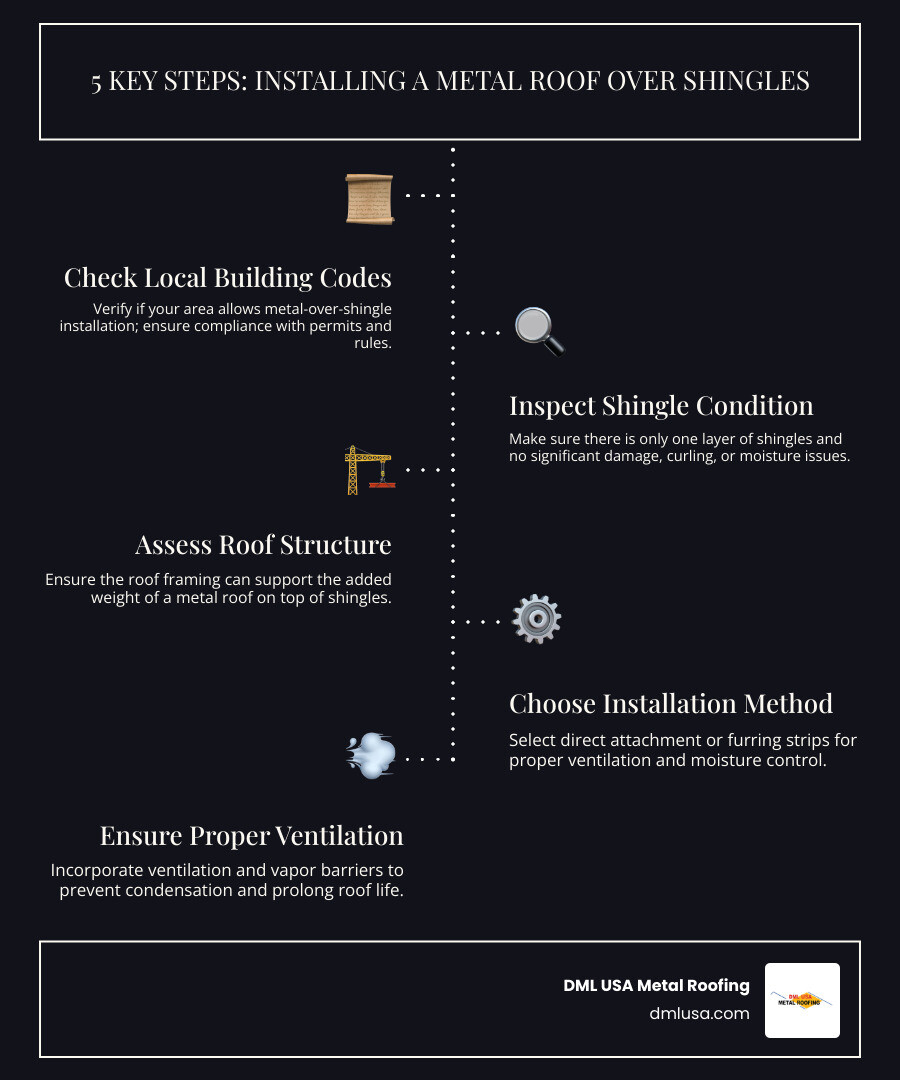
Basic can you install a metal roof over a shingle roof vocab:
Can You Install a Metal Roof Over a Shingle Roof? The Complete Answer
Here’s the straight answer to can you install a metal roof over a shingle roof: Yes, you absolutely can—but only when the stars align perfectly. Your existing shingles need to be in great shape, your roof structure needs to be solid, and your local building codes need to give you the green light.
Think of it like putting a new shirt over an old one. If the old shirt is clean, fits well, and isn’t falling apart, you might get away with it. But if it’s wrinkled, torn, or you’re already wearing three shirts, it’s time to start fresh.
Building Codes: The Starting Line
Most building codes across the country—including right here in Illinois where we’re based—follow a simple rule: maximum of two layers of roofing material. This means if you currently have just one layer of shingles, you’re typically good to go. But if there are already two layers up there, you’ll need to strip everything down to the deck.
Your local building department is your best friend here. Give them a call before you start planning, because codes can vary even between neighboring towns. Trust me, it’s much easier to ask permission than forgiveness when it comes to roofing projects. For more on how building codes work, see the Building code article on Wikipedia.
Structural Assessment: Don’t Skip This!
Before you even think about adding a metal roof, you need to know if your house can handle the extra weight. Now, metal roofing is surprisingly light—much lighter than those heavy concrete tiles—but you’re still adding roughly 1 to 2 pounds per square foot to your roof structure.
A professional structural assessment will check for any rot, sagging, or water damage in your roof deck. Your shingles should be flat, not curled or missing pieces, and everything should be securely fastened down. Think of this as the foundation for your new roof—if it’s not solid, nothing good will come from building on top of it.
How metal roofing installation works depends heavily on having this solid foundation to start with. For a general overview of metal roofing, see Metal roof.
When Metal Over Shingle Installation Is Possible
The perfect scenario for overlaying metal on shingles looks like this: you have single layer shingles that are in good condition with a flat surface. No curling edges, no missing pieces, and your roof structure has the structural capacity to handle the additional weight.
When these conditions are met, installing a metal roof over your existing shingles can save you thousands in tear-off costs and disposal fees. Plus, you’ll be adding a roof that can last 40 to 70 years—talk about a smart investment.
When You Should Never Install Metal Over Shingles
Sometimes the answer to can you install a metal roof over a shingle roof is a firm “nope.” If you’ve got multiple layers of shingles already, damaged shingles that are curling or missing, or any structural issues with your roof deck, it’s tear-off time.
Building code violations are another red flag—don’t risk it. And here’s something many homeowners don’t think about: warranty concerns. Some metal roofing manufacturers require a clean deck installation to honor their warranty. Better to check now than be sorry later.
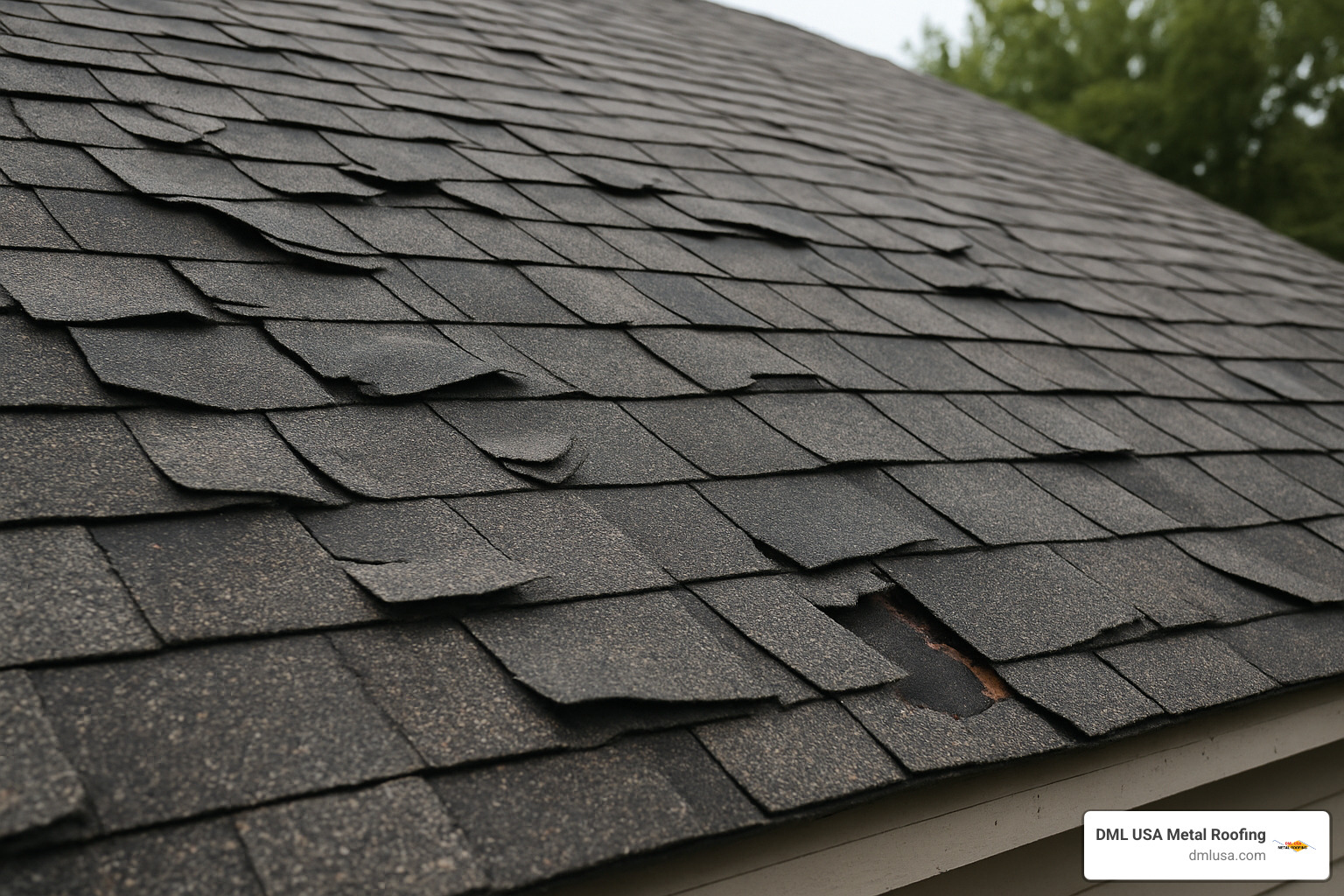
The bottom line? When in doubt, start fresh. Your new metal roof will perform better and last longer when it’s installed on a clean, solid foundation.
Installation Methods for Metal Roofs Over Shingles
When you’re ready to tackle the question “can you install a metal roof over a shingle roof,” you’ll need to choose between two main installation approaches. Think of it like choosing between taking the scenic route or the highway—both can get you there, but the experience (and results) will be different.
The two methods are furring strip installation and direct attachment. Each has its place, but one is definitely the safer bet for long-term success.
For a general overview of roof construction, see Roof.
Method 1: Furring Strip Installation
This is what we call the “Cadillac” approach to metal-over-shingle installation. You’re essentially creating a wooden framework using 1″x4″ lumber strips spaced 24 inches on center across your existing shingles.
Here’s why this method makes roofing pros sleep better at night: that air gap between your metal panels and the old shingles works like a breath of fresh air—literally. It prevents condensation buildup, stops those pesky shingle granules from scratching your new metal roof’s underside, and helps level out any minor bumps or imperfections.
The installation process is straightforward but requires attention to detail. First, you’ll want to inspect everything from both the attic and above. Then comes the synthetic underlayment or vapor barrier over the shingles, followed by those crucial furring strips fastened into your rafters or trusses.
Here’s a pro tip that can save you headaches later: always use pressure-treated lumber for your furring strips to prevent rot, but make sure there’s a barrier between the treated wood and your metal panels. The copper in treated lumber can have an unfriendly chemical reaction with steel over time.
The furring strip method also gives installers a more stable surface to walk on during installation, which means safer work and better attention to detail. More info about metal roofing products
Method 2: Direct Attachment Method
The direct attachment method is the “get-it-done-quick” approach. Your metal panels go straight through synthetic underlayment and an ice water shield, through the shingles, and into the roof deck. No furring strips, no air gap, no extra lumber costs.
This method can work well when conditions are perfect—flat shingles, solid deck, and proper fastener placement that hits solid decking every time. You’ll still need high-quality underlayment to create a moisture barrier and protect against thermal movement as your metal roof expands and contracts with temperature changes.
The catch? Some manufacturers get nervous about warranty implications when you skip the air gap. Without proper ventilation, you’re rolling the dice on condensation and potential corrosion issues down the road.
Can You Install a Metal Roof Over a Shingle Roof Without Furring Strips?
Technically, yes—but it’s like asking if you can drive cross-country without checking your oil. You can, but why risk it?
Direct installation risks include thermal expansion problems (metal roofs move more than you might think), potential warranty voiding from manufacturers who require proper ventilation, and moisture problems that can sneak up on you years later.
Most manufacturer requirements specifically call for that air gap created by furring strips. Skip it, and you might find yourself with voided warranties and thermal expansion issues that could have been easily prevented.
For more on building science and why ventilation matters, see Building science.
The bottom line? Furring strips are worth the extra investment for peace of mind and long-term performance.
Benefits and Drawbacks of Metal Over Shingle Installation
Choosing to install a metal roof over your existing shingles isn’t just about cutting costs (although your wallet will definitely thank you). Like every good home improvement project, there are both perks and pitfalls to consider before making your final decision.
Advantages of Roof Overlay
First, let’s talk about the wins. When you ask, can you install a metal roof over a shingle roof, one of the biggest draws is how much time and money you’ll save. Because you’re not tearing off old shingles, you can trim up to 25% off your labor costs. That means more budget left for the fun stuff—like choosing the perfect color for your new metal roof.
Leaving the old shingles in place also means you’re not hauling tons of debris to the landfill, making this a greener choice. Faster installation is another plus. Most overlays can be finished in just a few days, so you won’t spend weeks living in a construction zone.
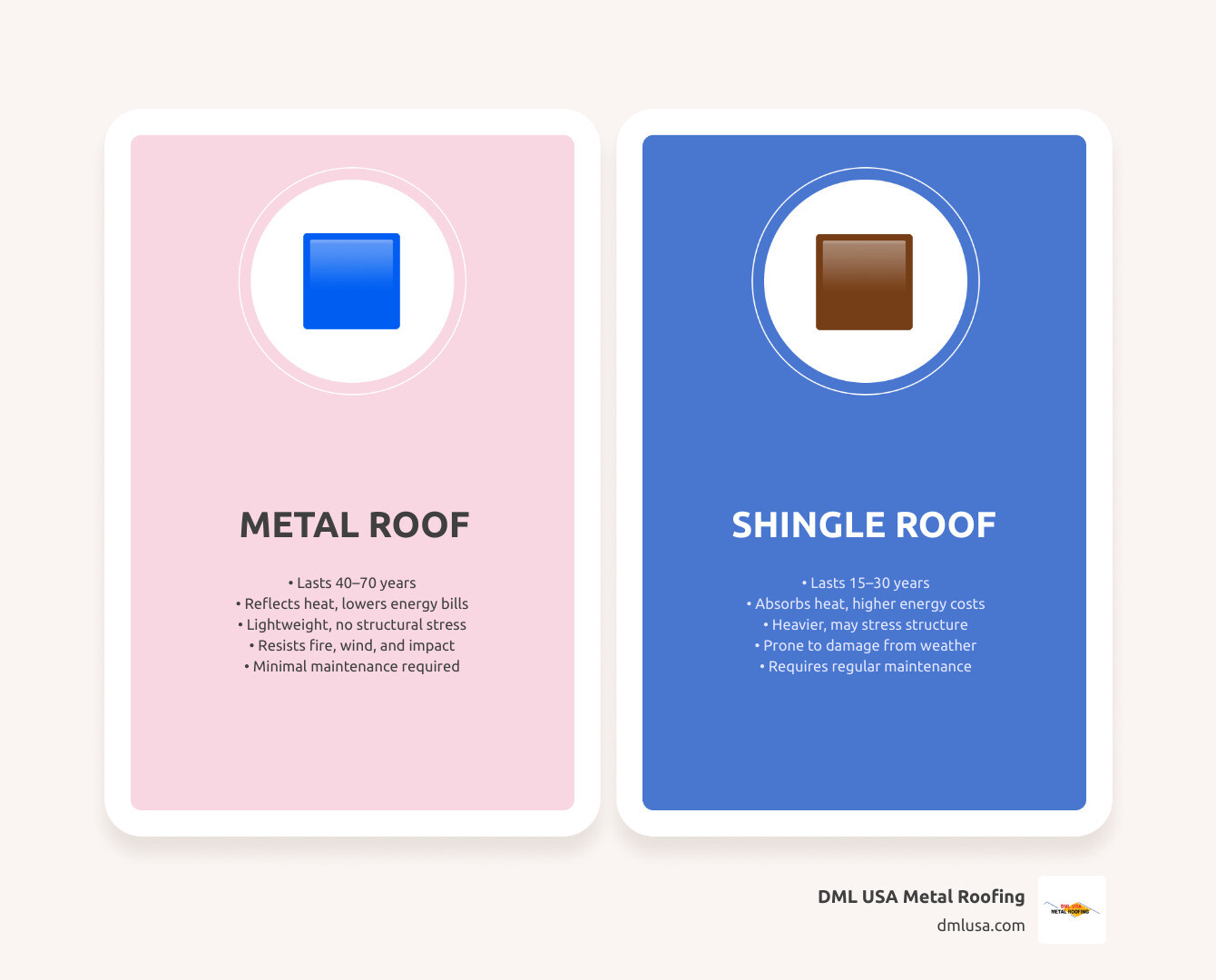
Surprisingly, those old shingles serve a purpose: they help dampen the sound of rain and hail, giving you a quieter home. Plus, thanks to the way metal reflects sunlight, you could see your cooling bills drop by as much as 40% in summer. And the real cherry on top? Metal roofs are built to last—think 40 to 70 years of low-maintenance protection, outlasting traditional asphalt roofs by decades.
Potential Problems and Risks
But let’s be honest—no project is perfect. There are some important things to look out for with a metal-over-shingle install.
One of the biggest concerns is hidden damage. Because you’re not removing the old shingles, it’s much harder to spot problems with the wood decking underneath. If there’s rot or water damage hiding below, it can go unnoticed until it becomes a bigger (and costlier) issue.
Weight is another factor. While metal roofing itself is light, the combined weight of metal and shingles means your roof structure must be strong enough to hold it all safely. That’s why a professional structural check is always a smart move.
Another thing to keep in mind: ventilation and condensation. Without proper airflow, moisture can get trapped between the layers. That can lead to rot or mold, especially if your climate is humid. Manufacturer warranties may also come into play—some don’t cover overlays, so always read the fine print.
If you ever get a leak, tracking it down and making repairs can be trickier with two layers up there. And finally, if your shingles are already bumpy or curled, that unevenness will show through the new metal, affecting both appearance and performance.
In short, can you install a metal roof over a shingle roof? Yes, and it often makes sense. But success depends on careful planning, honest inspection of your old roof, and following the best installation methods for long-term peace of mind.
For more tips on metal roofing and to see if this upgrade is right for your home, check out our Why Choose Metal Roofing guide.
Professional Installation Requirements and Best Practices
When it comes to can you install a metal roof over a shingle roof, the best results always come from professionals who know the ropes. At DML USA Metal Roofing, we follow strict standards to make sure your investment stands up to time, weather, and anything else Mother Nature throws at it.
Let’s walk through what a top-quality installation really means.
First, building code compliance is non-negotiable. Every project starts with pulling the right permits—no shortcuts here. Local building inspectors will check your roof to ensure it follows all regulations. One important rule: you can never have more than two layers of roofing material. If your home already has two, the old layers must come off before new metal goes on.
Fire and wind ratings are another big factor. Your new metal roof needs to meet or surpass code for fire resistance (look for Class A ratings) and must withstand high winds—often up to 120 mph or more in our part of Illinois. DML USA’s products are built to meet these demands.
Before we even lift a tool, a structural assessment is in order. A trained contractor or structural engineer should always check that your roof can handle the combined weight of shingles plus metal panels. Even though metal is light, safety always comes first. We make sure there’s no sagging, rot, or hidden damage in the underlying structure.
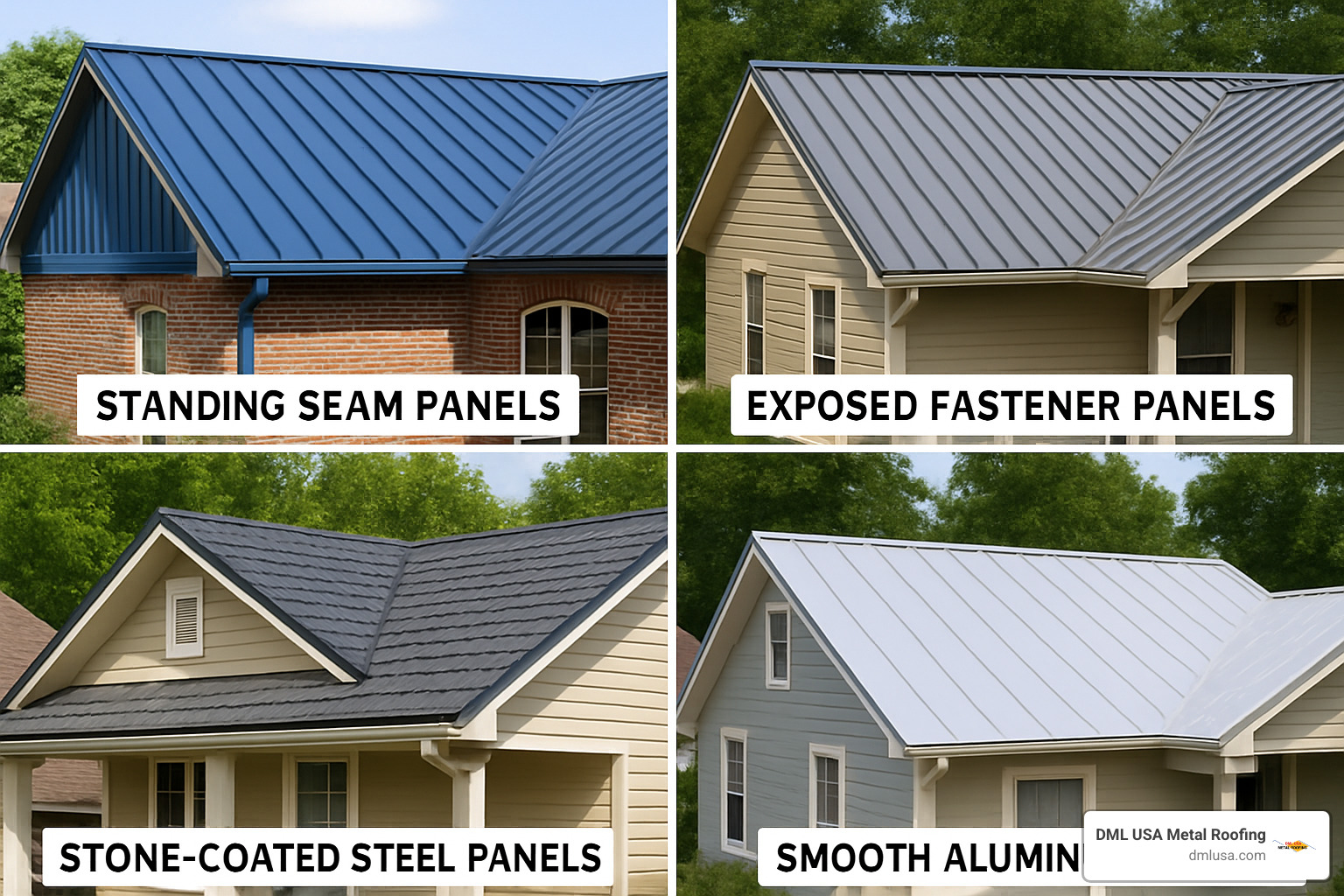
Choosing the right metal roofing system is key—especially for overlays. Standing seam panels are the gold standard for this type of installation. They have concealed fasteners and a sleek, modern look, plus they’re extremely watertight. If you want something more affordable, exposed fastener panels are an option, but they require extra care to avoid leaks down the road.
Looking for curb appeal without sacrificing durability? Stone-coated steel can give you the look of classic shingles or tile, with the strength of metal. Aluminum panels are another smart choice, especially for areas with high humidity or near the coast, since they won’t rust.
Don’t forget about panel gauge and coatings—thicker panels (24 or 26 gauge) with a high-quality finish like Kynar 500® mean your roof will look great and resist wear for decades.
At DML USA, we use high-quality fasteners, follow manufacturer specifications to the letter, and make sure ventilation and underlayments are installed correctly. These steps aren’t just best practices—they’re your guarantee of a roof that won’t let you down.
So, can you install a metal roof over a shingle roof? Yes—but only if the work is done right, with all permits, codes, materials, and expertise in place. That’s how you get a maintenance-free, energy-efficient roof that truly lasts. If you have more questions or want to see examples of our products, check out our metal roofing products.
Frequently Asked Questions about Installing Metal Roofs Over Shingles
I get these questions almost daily from homeowners who are curious about can you install a metal roof over a shingle roof. Let me give you the straight answers based on what we’ve learned over years of metal roof installations.
Does installing a metal roof over shingles void the warranty?
Here’s the thing—it really depends on your manufacturer and how you do the installation. Some companies (including us at DML USA) absolutely allow overlays as long as you follow our installation guidelines. That means using furring strips, proper underlayment, ensuring good ventilation, and hitting all the technical requirements.
But here’s where people get into trouble: if you skip the required steps or cut corners, you’re playing with fire when it comes to your warranty coverage. Paint warranties and weathertightness guarantees can go right out the window.
My advice? Always get the warranty terms in writing before you start the project. Take photos during installation and keep all your documentation. Trust me, you’ll be glad you did if any issues come up down the road.
How much weight does a metal roof add to existing shingles?
The good news is that metal roofing is pretty lightweight—we’re talking about 1 to 2 pounds per square foot added to your roof. When you combine that with one layer of existing shingles, most roof structures can handle it just fine.
But don’t just take my word for it. Have a structural professional confirm your roof can handle the combined weight before you commit to the project. Most building codes max out at two layers total (your shingles plus the metal), so if you’ve already got multiple shingle layers, you’ll need to tear off first.
The math is pretty straightforward, but every roof is different. Age, construction method, and existing condition all play a role in what your structure can safely support.
Will a metal roof over shingles cause moisture problems?
This is probably the question that keeps homeowners up at night, and I get why. Moisture problems only happen when ventilation is inadequate or when installers skip the air gap between the metal and shingles.
Here’s the key: furring strips or specialized clips create that crucial ventilation space that lets air circulate and prevents condensation from building up. It’s like giving your roof room to breathe.
You also can’t skimp on vapor barriers and quality underlayment, especially if you live in a humid climate or somewhere with cold winters. Proper installation prevents moisture problems—but cutting corners on ventilation is asking for trouble.
The bottom line? When done right, with proper ventilation and moisture barriers, a metal roof over shingles works beautifully. When done wrong, you’re setting yourself up for headaches later.
Conclusion
So, can you install a metal roof over a shingle roof? The answer is a confident yes—if you take the right steps and follow the rules. Done properly, this upgrade can save you money, time, and a lot of hassle, while giving your home decades of lasting protection.
But here’s the catch: it pays to do things right from the start. Always begin with a professional assessment of your roof’s structure and shingle condition. Don’t forget to check your local building codes—permits are not just a suggestion, they’re a must. And those manufacturer guidelines? They exist for a reason. Following them carefully keeps your warranty safe and ensures your roof performs as promised.
One of the biggest keys to long-term success is ventilation and moisture control. Skipping this step can lead to headaches down the road, so always make sure there’s a plan for air flow and condensation prevention. And of course, quality materials matter. With DML USA’s durable, maintenance-free metal roofing, you get the benefits of energy tax credits, plus top-tier fire, wind, and impact resistance—all backed by our expertise.
A metal roof-over isn’t the right fit for every home, but when it is, you’ll enjoy a quieter, cooler, and more beautiful roof—without the mess of a full tear-off. If you’re curious whether your home is a good candidate, or just want to learn more about why metal outshines shingles, we’re here to help.
More info about why choose metal roofing
DML USA Metal Roofing is proud to serve Northlake, Chicago, and all of Illinois. We’re always happy to answer questions, provide a free assessment, or walk you through our metal roofing options—no pressure, just honest advice.
Still wondering, “can you install a metal roof over a shingle roof?” Reach out anytime—we love talking about roofs, sharing our experience, and helping you save money for years to come.
