 Skip to main content

Most Common Metal Roofing Material: Top 4 Powerful Picks 2025
Why Understanding Metal Roofing Materials Matters for Your Home
The most common metal roofing material is steel, accounting for the majority of metal roofs installed across the United States. Here’s what you need to know about the top options:
Most Popular Metal Roofing Materials:
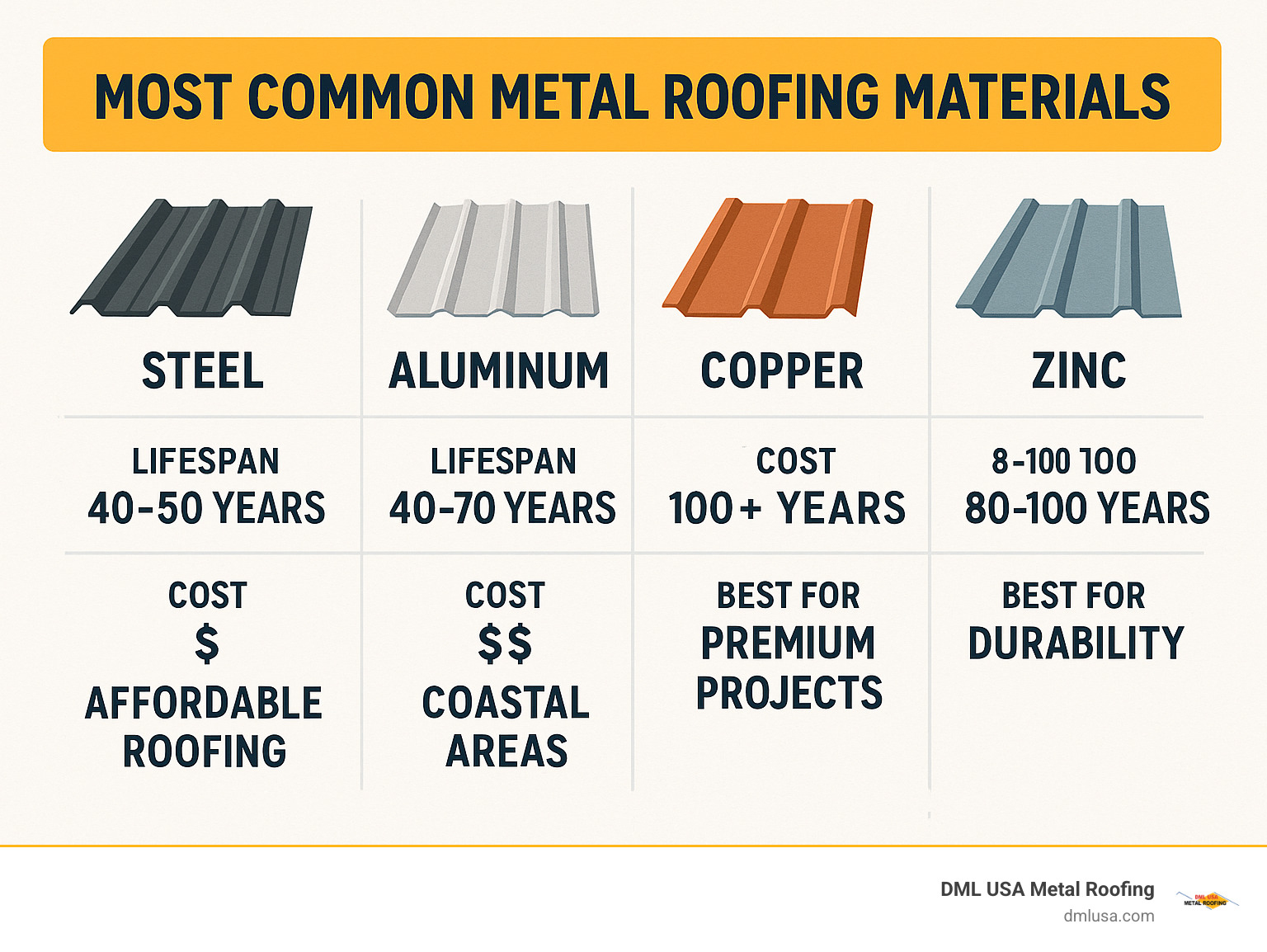
- Steel (Galvalume & Galvanized) – Most common, affordable, 40-50 year lifespan
- Aluminum – Lightweight, coastal-friendly, 40-70 year lifespan
- Copper – Premium option, 100+ year lifespan, develops natural patina
- Zinc – Self-healing properties, 80-100 year lifespan, popular in Europe
Metal roofing has transformed from an industrial solution to a top choice for homeowners who want durability without the headaches. While asphalt shingles need replacing every 15-20 years, metal roofs can last 40-100+ years depending on the material.
Steel dominates because it offers the best balance of affordability, strength, and longevity. Galvalume steel provides 2-4 times better corrosion resistance than galvanized steel, while aluminum shines in coastal areas where salt air destroys other materials.
I’m Adam Kadziola, and through my years manufacturing metal roofing at DML USA, I’ve seen how choosing the most common metal roofing material – steel – gives homeowners the perfect mix of performance and value.
What Are the Most Common Metal Roofing Materials?
Steel is the undisputed champion, making up the vast majority of metal roofs across America. It’s the most common metal roofing material because it hits that sweet spot of being strong, affordable, and available everywhere. Within steel, you’ll encounter two main types: Galvalume (which combines aluminum, zinc, and silicone) and traditional galvanized steel (which uses just zinc coating).
Aluminum comes in as the reliable second choice, especially if you live anywhere near the ocean. Aluminum is the third most abundant element on our planet and is why airplane manufacturers use it for aircraft frames.
Copper represents the luxury tier of metal roofing. The Romans put copper on the Pantheon’s roof back in 27 B.C. – it’s still there and still working. That’s the kind of “buy once, use forever” performance copper delivers.
Zinc rounds out our main players as the fourth most consumed metal worldwide. While 70% of European homes sport zinc roofs, it’s less common here in the U.S. mainly because our supply chains haven’t caught up yet.
About 35% of both Galvalume and galvanized steel contains recycled materials. When you add aluminum’s impressive 95% recycled content, metal roofing becomes one of the greenest choices you can make for your home.
Why Steel Is the Most Common Metal Roofing Material
Steel earned its spot as the most common metal roofing material through simple math – it delivers the most bang for your buck while handling whatever Mother Nature throws at it.
Steel roofing typically costs about half what you’d pay for premium metals like copper or zinc. We’re talking $5-$15 per square foot for steel versus $30-$70 for copper. That difference can mean getting your dream metal roof now or waiting another five years.
Steel roofing handles winds that would send your neighbor’s shingles flying – we’re talking 110-150 mph resistance. I’ve seen steel roofs come through hurricanes looking like nothing happened while nearby shingle roofs needed complete replacement.
By the early 2000s, over 90% of the metal roofing industry had switched from galvanized to Galvalume substrates. This created a supply chain so robust that you can find quality steel roofing materials practically anywhere.
Galvalume’s coating is like having a superhero team protecting your roof. The aluminum provides barrier protection while the zinc offers galvanic protection. If the coating gets scratched, the zinc actually sacrifices itself to protect the steel underneath.
More info about metal roofing basics
Key Differences Between Steel, Aluminum, Copper, and Zinc
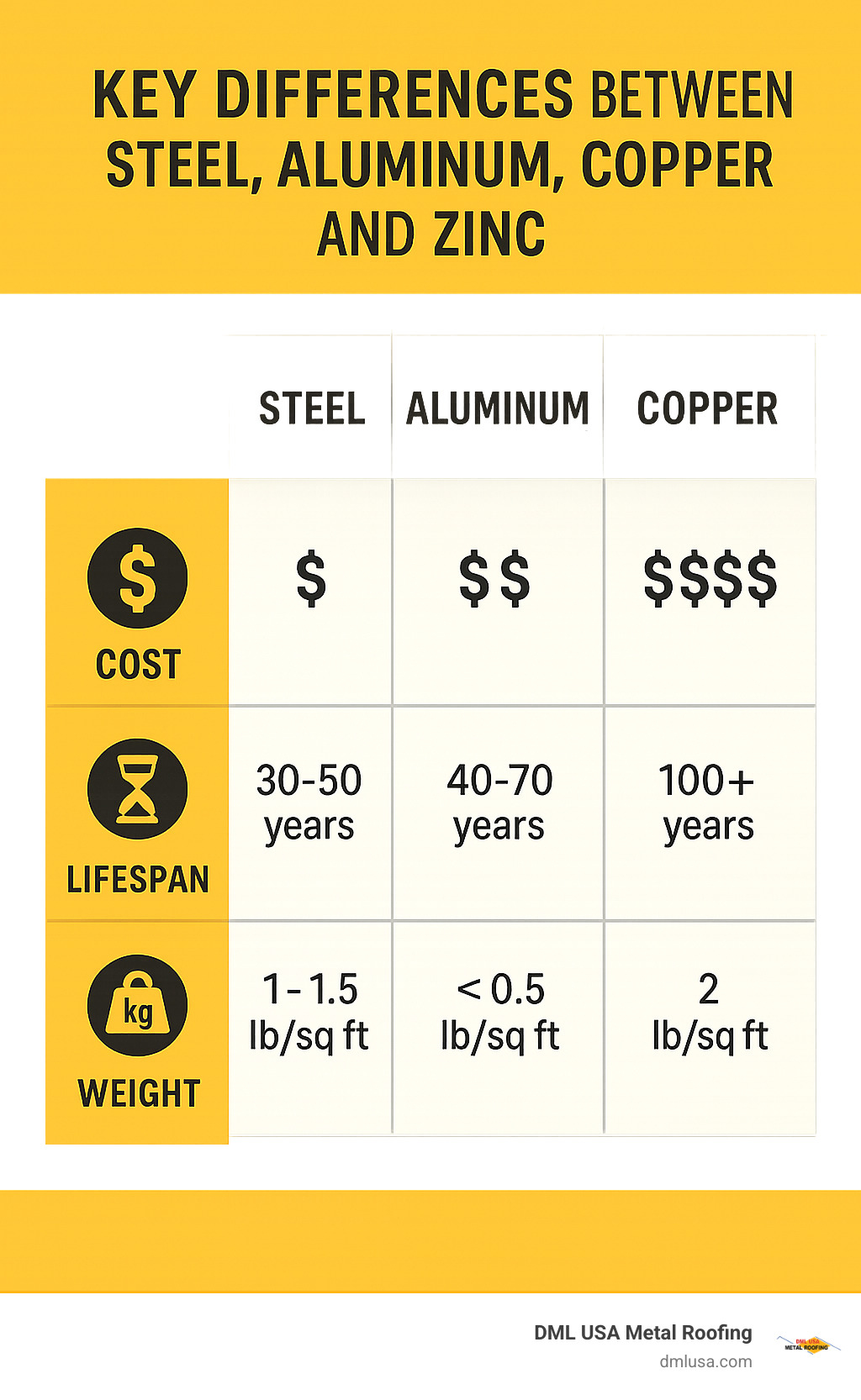
Weight tells an interesting story. Aluminum weighs less than half a pound per square foot, while 24-gauge Galvalume tips the scales at 1-1.5 pounds. This matters especially if you’re putting new roofing over existing materials.
Corrosion resistance is where these metals show their different personalities. Aluminum actually gets stronger when exposed to salt water – it forms a protective film that keeps red rust at bay. Steel can struggle in coastal environments. Copper and zinc develop protective patinas over time.
Lifespan expectations vary dramatically. Steel roofs typically deliver 30-50 years of service, aluminum roofs stretch that to 40-70 years, while copper and zinc can cruise past the 100-year mark.
Workability during installation shows each metal’s character. Galvanized steel bends and shapes more easily than Galvalume. Copper is soft and malleable – ideal for intricate architectural details but more likely to dent. Zinc requires gentle handling but rewards you with unique self-healing properties.
Pros, Cons & Costs of Popular Metal Roofs
The price spectrum runs wide, from corrugated steel panels at around $4.50-$7.50 per square foot to premium copper reaching $70 per square foot installed. Most homeowners find themselves in the $14,500-$45,000 range for a complete metal roof replacement.
Maintenance requirements vary dramatically by material. Steel roofs need occasional inspections for scratches, aluminum requires minimal maintenance, while copper and zinc are virtually maintenance-free once installed.
Warranty coverage tells an important story about manufacturer confidence. Galvalume substrate warranties can extend up to 25.5 years, while paint warranties on aluminum can reach 40 years.
Steel (Galvalume & Galvanized) Snapshot
Galvalume represents the modern standard, with its 55% aluminum, 43.4% zinc, and 1.6% silicone coating providing superior protection. This coating offers 2-4 times better corrosion resistance than traditional galvanized steel.
Galvanized steel uses a zinc-only coating. While it costs slightly less upfront, it typically lasts only 15-20 years compared to Galvalume’s 40-50+ year lifespan.
Cost-wise, you’re looking at $5-$15 per square foot for Galvalume panels, with standing seam systems running $8-$14 per square foot installed.
Oil canning – that wavy appearance in flat metal panels – can affect both materials. It’s minimized by using thicker gauges, adding striations, ensuring flat decking, and hiring experienced installers.
Aluminum Advantages & Drawbacks
Corrosion resistance is aluminum’s superpower. In saltwater environments, aluminum actually forms a protective oxide film that makes it stronger over time.
Weight advantages can’t be overstated. At less than half the weight of comparable steel, aluminum opens up possibilities for structures that can’t handle heavier roofing materials.
Thermal performance excels with aluminum. It stores very little heat and cools quickly after sunset, which can translate to real energy savings in hot climates.
Cost considerations show aluminum running about 20% more than comparable steel systems. You’ll typically pay $22 per square foot installed, compared to $20 for steel.
Recycled content hits an impressive 95% for aluminum roofing systems worldwide, making it one of the most environmentally responsible choices available.
Copper: Premium & Patina
Longevity is copper’s calling card. Copper roofs can last 500+ years with minimal maintenance. The Romans proved this with the Pantheon, and European buildings regularly feature copper roofs that have protected structures for centuries.
Patina development is both functional and beautiful. That green patina creates the distinctive appearance that architects love while shielding the underlying metal from further corrosion.
Cost reality puts copper at $70 per square foot installed, making it roughly three times more expensive than steel.
Workability advantages include copper’s softness and malleability. It can be formed into complex shapes and intricate details that would be impossible with harder metals.
Scientific research on copper roofing longevity
Zinc: Self-Healing Workhorse
Self-healing properties set zinc apart from all other roofing materials. Minor scratches actually heal themselves over time as the zinc surface oxidizes and blends the damaged area back into the surrounding patina.
Lifespan expectations range from 80-100 years, with some studies suggesting up to 150 years in ideal conditions. In Europe, there are examples of zinc roofs lasting well over a century.
Cost considerations typically run $30 per square foot installed, putting zinc in the premium category but below copper pricing.
Environmental benefits include zinc’s complete recyclability and its natural antimicrobial properties, which can help prevent moss and algae growth.
Climate, Location & Panel Profiles: Choosing Smart
Your zip code might be the most important factor in choosing the right metal roofing material. I’ve seen too many homeowners make expensive mistakes by picking materials that look great in showrooms but fail miserably in their local climate.
Living near the ocean? That salty air is like kryptonite to most metals. Steel roofing starts showing red rust within a few years when you’re within 1,500 feet of the coastline. Meanwhile, aluminum roofs in those same neighborhoods still look brand new after 20+ years.
When hurricane season rolls around, the most common metal roofing material – steel – really shows its strength. Standing seam steel systems can handle winds over 150 mph when properly installed.
Fire-prone areas out west have made metal roofing almost mandatory in some zones. Steel and aluminum won’t ignite, period. Steel’s affordability makes it the practical choice when you need to protect large roof areas.
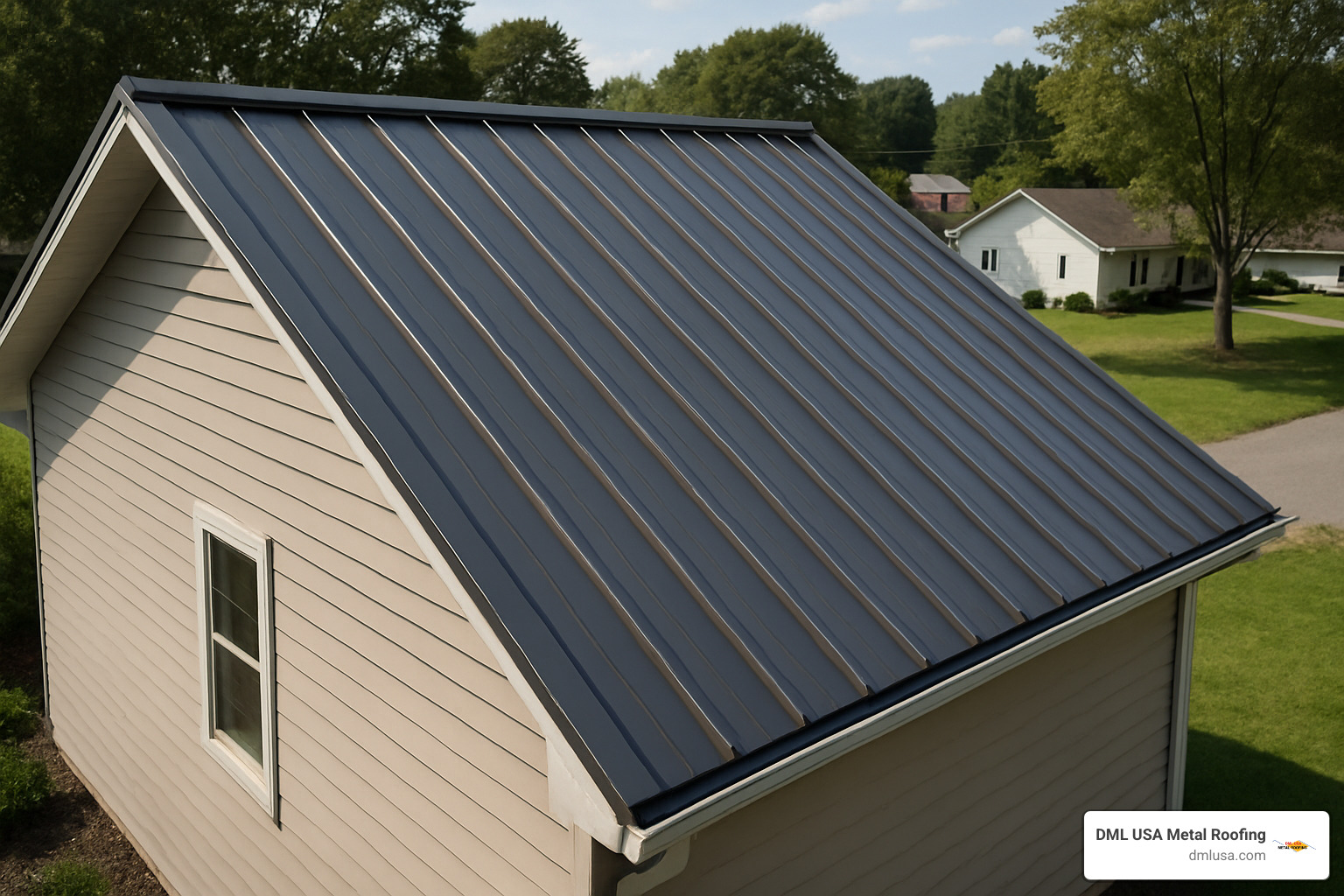
The panel profile you choose affects everything from cost to performance. Standing seam systems with hidden fasteners cost more upfront but save money long-term by eliminating maintenance headaches. Corrugated panels cost about half as much but need regular fastener inspections.
How Location Influences the Most Common Metal Roofing Material Choice
Geography completely flips the material game. While the most common metal roofing material nationwide is steel, coastal regions tell a different story entirely.
That ocean breeze carries salt particles that attack metal relentlessly. I’ve walked job sites where steel roofs looked fine from the street but showed serious corrosion on the ocean-facing side after just five years. The 20% premium for aluminum over steel becomes a bargain when you avoid complete roof replacement.
Building codes add another layer of complexity. Some hurricane zones require specific wind ratings that push you toward standing seam systems. Fire codes in wildfire areas favor non-combustible metals.
High-wind regions like tornado alley have made steel the clear favorite. When you need to meet 130+ mph wind ratings, steel’s strength combined with proper standing seam installation creates a roof that can handle nature’s worst tantrums.
Matching Material to Panel Style
Standing seam systems represent the gold standard for weather protection, and while they work with all materials, steel dominates this category due to cost. The hidden fasteners eliminate leak points.
Corrugated panels need structural strength, making steel and aluminum the natural choices. Those ridges and valleys add strength to thinner materials.
PBR panels (those classic ribbed panels) work great with both steel and aluminum. The exposed fasteners mean lower upfront costs but require more maintenance over time.
The key is matching your material’s strengths to your panel’s requirements. A thin-gauge steel in a wide-panel application might oil can, while the same gauge in a narrow ribbed panel performs perfectly.
More info about product options
Energy Efficiency, Sustainability & Lifespan Benefits
Choosing metal roofing isn’t just about protecting your home – it’s about protecting your wallet and the planet too.
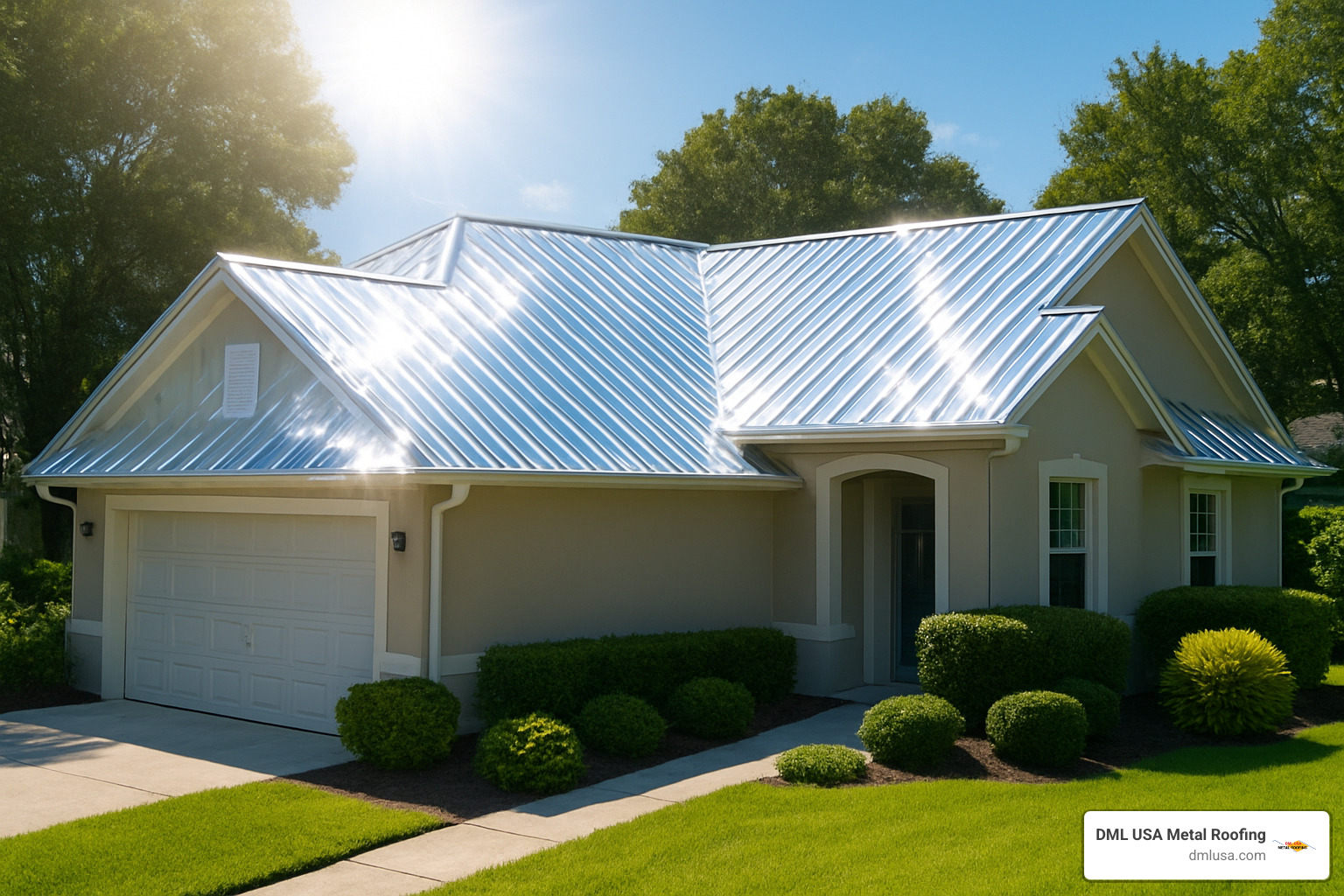
Solar reflectivity is where metal roofing really shines. While dark asphalt shingles soak up heat like a sponge, metal roofs bounce that solar energy right back into the sky. I’ve seen homeowners cut their cooling costs by 10-25% just by switching from shingles to reflective metal roofing.
The sustainability story gets even better when you look at recycled content. The most common metal roofing material – steel – contains about 35% recycled materials, while aluminum takes this to another level with 95% recycled content.
Tax credits can put real money back in your pocket, especially for metal roofs with high solar reflectance values. These incentives often cover a significant chunk of your installation costs.
If you’re building green, metal roofing can help you earn LEED points for certification. The combination of recycled content and energy efficiency makes metal roofing a favorite among green building programs.
Long-Term Value vs. Up-Front Cost
The true cost of any roof is what you’ll spend over its entire lifetime – and that’s where metal roofing becomes a no-brainer.
ROI calculations consistently favor metal roofing. A $25,000 steel roof lasting 50 years costs you $500 per year. Compare that to $15,000 asphalt shingles that need replacing every 20 years – that’s $750 per year, plus you get the joy of dealing with roofers multiple times.
Maintenance savings add up faster than you’d think. While shingle roofs need constant attention, metal roofs just sit there doing their job. Over decades, this can save thousands in maintenance costs.
Insurance discounts often surprise homeowners. Many insurers offer 10-35% discounts for metal roofing because of its superior fire, wind, and hail resistance.
Resale value benefits work two ways. First, buyers love seeing a roof that won’t need replacement for decades. Second, the energy efficiency and low maintenance appeal to smart buyers.
Frequently Asked Questions about Metal Roofing Materials
What is the most common metal roofing material and why?
Steel is the most common metal roofing material, and there’s a really good reason why it dominates the market. After years of manufacturing metal roofing at DML USA, I’ve seen why homeowners consistently choose steel over other options.
The answer comes down to that sweet spot between performance and price. Steel delivers 40-50 years of reliable protection at roughly half the cost of premium metals like copper or zinc. When you’re looking at a material that can outlast two or three asphalt shingle replacements, the math gets pretty compelling.
Galvalume steel has become the gold standard in our industry. Its unique coating – 55% aluminum, 43.4% zinc, and 1.6% silicone – provides 2-4 times better corrosion resistance than traditional galvanized steel. It’s like having a built-in repair system that keeps working long after installation.
The practical advantages are hard to ignore too. Steel’s strength lets it handle winds up to 150 mph when properly installed, making it ideal for areas that see severe weather. Plus, you can find steel roofing materials virtually anywhere in the country, which keeps costs reasonable and projects on schedule.
What really sets steel apart is its versatility. Whether you’re covering a simple barn or designing a sophisticated residential roof, steel can be formed into the profiles you need. That flexibility, combined with proven performance, explains why the most common metal roofing material continues to be the smart choice for most homeowners.
How long do steel, aluminum, copper, and zinc roofs typically last?
The lifespan differences between metal roofing materials are pretty dramatic, and understanding them helps you make the right investment for your situation.
Steel roofs typically deliver 30-50 years of service, with Galvalume outperforming traditional galvanized steel by a significant margin. In ideal conditions, we’ve seen Galvalume roofs exceed 50 years while still looking great. The key is proper installation and choosing the right coating for your environment.
Aluminum roofs hit the 40-70 year range, and they actually get better with age in coastal areas. That protective oxide film that forms over time makes aluminum stronger, not weaker. It’s one of the few roofing materials that improves with exposure to salt air.
Copper roofs are in a league of their own at 100+ years. We’re not talking about a century of just hanging on – copper roofs regularly outlast the buildings they protect. The Romans proved this with structures that are still standing today, protected by copper roofing installed over 2,000 years ago.
Zinc roofs fall into the 80-100 year category, with some European examples pushing 150+ years. That self-healing property where minor scratches actually blend back into the surrounding patina is pretty remarkable. It’s like having a roof that maintains itself.
The important thing to remember is that these lifespans assume you’ve matched the material to your specific conditions. A steel roof in a temperate climate can easily hit the top end of its range, while the same material in a harsh coastal environment might struggle to reach 30 years.
Does climate really change which metal I should pick?
Climate absolutely changes everything when it comes to metal roofing selection. I’ve seen too many homeowners learn this lesson the expensive way – choosing the wrong material for their environment and facing premature replacement costs.
Salt air is steel’s biggest enemy. If you’re within 1,500 feet of the ocean, aluminum or copper should be your top choices. Steel, even with the best protective coatings, struggles against the constant assault of salt-laden air. Meanwhile, aluminum actually thrives in these conditions, forming that protective oxide layer that makes it stronger over time.
High-wind areas like hurricane zones or tornado alley are where steel really shines. Those 150+ mph wind ratings aren’t just marketing numbers – they’re real-world performance that can save your home when severe weather hits. The continuous seams and concealed fasteners create a surface that wind can’t grab and tear.
Temperature extremes require different considerations. Areas with large daily temperature swings need attention to thermal expansion. Aluminum moves more than steel as temperatures change, so proper expansion joints become crucial for longer panels. Steel’s lower thermal expansion makes it more forgiving in these conditions.
Wildfire-prone regions benefit from any metal roofing’s fire resistance, but steel’s affordability makes it practical for protecting large areas. When you need to cover a lot of square footage for fire protection, steel delivers the performance without breaking the budget.
The bottom line is simple: your local climate should drive your material choice before you even think about cost or appearance. Getting this decision right upfront saves you from expensive mistakes down the road.
Conclusion
After diving deep into metal roofing materials, you now have the knowledge to make a smart choice that’ll protect your home for decades. The most common metal roofing material – steel – didn’t earn its top spot by accident. It delivers that perfect balance of durability, affordability, and reliability that most homeowners need.
Location drives everything in metal roofing decisions. If you’re within sight of the ocean, aluminum becomes your best friend. Inland folks can take advantage of steel’s unbeatable value proposition. Living in tornado alley? Steel’s strength will give you peace of mind when the weather gets nasty.
Your timeline matters too. Planning to pass this house down to your grandkids? Copper or zinc might make sense despite the higher upfront cost. Looking for solid performance over the next 30-50 years without breaking the bank? Steel delivers every time.
The beauty of metal roofing lies in its set it and forget it nature. While your neighbors are dealing with shingle repairs and periodic roof replacements, you’ll be enjoying maintenance-free protection. The energy savings from metal roofing’s reflective properties are just icing on the cake.
At DML USA Metal Roofing here in Illinois, we’ve seen how the right material choice transforms a homeowner’s experience. No more worrying about the next storm, no more budgeting for roof repairs every few years.
Every metal roofing material we’ve discussed will outlast traditional roofing by decades. The question isn’t whether metal roofing is worth it (it absolutely is), but which metal fits your specific situation best.
The numbers don’t lie: metal roofing’s combination of longevity, energy efficiency, and minimal maintenance creates real value that goes far beyond the initial investment. When you factor in insurance discounts, energy savings, and peace of mind, the choice becomes clear.
Ready to make the switch to metal roofing? We’re here to help you steer the options and find the perfect solution for your home, your climate, and your budget.
