 Skip to main content

Heavy Gauge Metal Panels: 10 Best Powerful Picks 2025
Why Heavy Gauge Metal Panels Are the Smart Investment for Your Home
Heavy gauge metal panels represent the premium tier of metal roofing and siding materials, offering superior durability and performance compared to standard residential options.
Key Heavy Gauge Panel Specifications:
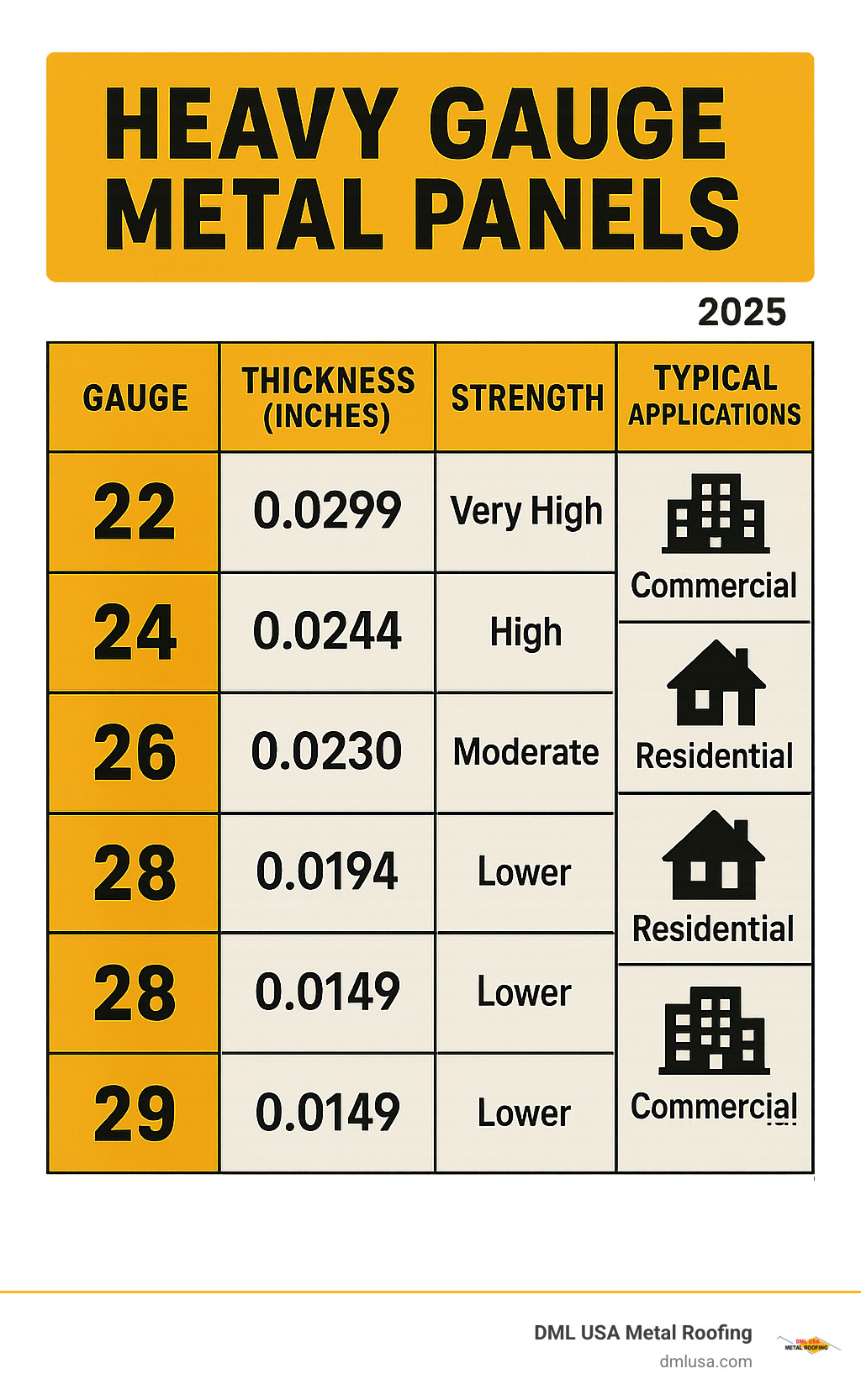
– Gauge Range: 22-gauge to 26-gauge steel (thicker = lower gauge number)
– Thickness: 0.019″ to 0.024″ compared to 0.015″ for standard panels
– Lifespan: 40-70 years vs. 15-20 years for asphalt shingles
– Impact Rating: UL 2218 Class 4 hail resistance
– Energy Savings: Up to 84% solar reflectivity with proper coatings
The difference between heavy gauge and standard panels comes down to strength and longevity. While 29-gauge panels dominate retail stores, heavy gauge options like 26-gauge and 24-gauge steel provide significantly better impact resistance and spanning capabilities.
As one satisfied customer noted: “I recently needed a new roof and saw an ad for AB Martin Roofing Supply. It claimed that a metal roof is not nearly as costly as I had thought… For me the little extra was well worth getting a roof that would require less maintenance and last twice as long.”
Heavy gauge panels excel in three critical areas: structural performance, weather resistance, and thermal efficiency. They can reflect up to 84% of the sun’s energy while withstanding severe weather conditions that would damage lighter materials.
I’m Adam Kadziola, and through my years of experience in manufacturing and home renovations at DML USA Metal Roofing, I’ve seen how heavy gauge metal panels provide the lasting quality and maintenance-free design that homeowners truly value.
Find more about heavy gauge metal panels:
– galvanized sheet metal
– commercial metal roof panels
– metal flashing suppliers near me
What Are Heavy Gauge Metal Panels?
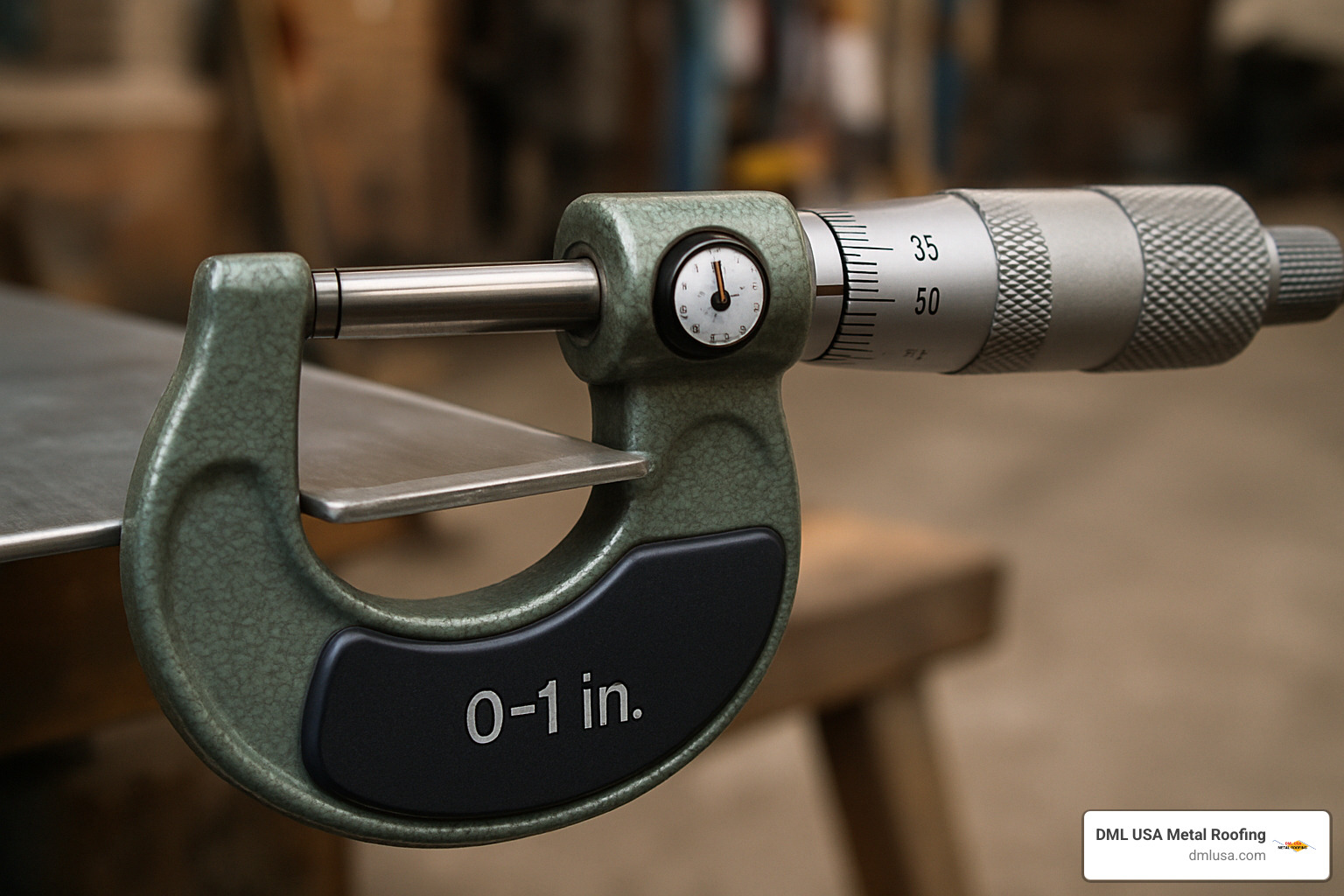
Heavy gauge metal panels are the heavyweight champions of the roofing world. While standard panels from home improvement stores use 29-gauge to 31-gauge steel, heavy gauge panels start at 26-gauge and get progressively stronger as the gauge number decreases.
The gauge system works backwards – smaller numbers mean thicker, stronger metal. A 22-gauge panel is much thicker and stronger than a 29-gauge panel, despite the smaller number.
Most retail stores stock 29-gauge to 31-gauge panels because they’re cheaper to manufacture and ship. But when you step up to heavy gauge territory – anything 26-gauge or thicker – you’re getting materials that meet ASTM structural standards and can handle serious weather conditions.
Heavy Gauge Metal Panels Defined
Heavy gauge metal panels start at 26-gauge thickness and get progressively stronger as the gauge number goes down. This puts them in a completely different performance category than standard residential panels.
The industry uses this 26-gauge threshold because that’s where you start seeing significant improvements in structural performance. Below 26-gauge, panels can handle greater loads, resist impact damage, and maintain their appearance longer.
Common Heavy Gauges vs Light Gauges
Heavy gauge options give you three main choices:
22-gauge steel at 0.024″ thick is the premium choice for commercial and industrial buildings requiring maximum strength and spanning capability.
24-gauge panels at 0.019″ thick hit the perfect balance for most high-end residential and commercial applications. They handle severe weather while keeping costs reasonable.
26-gauge steel is your entry point into heavy gauge territory at 0.019″ thick, offering dramatically better performance than standard retail options.
On the lighter side, 28-gauge panels at 0.015″ thick are the minimum for quality residential work, while 29-gauge represents the most common retail option. 31-gauge panels are best for utility buildings or temporary structures.
The strength comparison is dramatic. Cold-form roll-forming manufacturing increases tensile strength across all gauges, but heavier panels provide one of the highest strength-to-weight ratios in construction materials.
Performance & Benefits That Justify the Upgrade
When considering heavy gauge metal panels, you’re investing in measurable performance improvements across multiple areas.
The durability story starts with longevity. While asphalt shingles last 15-20 years, heavy gauge metal panels deliver 40-70 year lifespans. This comes from superior thickness and resistance to thermal cycling that causes lighter materials to fail.
Impact resistance is where heavy gauge panels excel. Many achieve UL 2218 Class 4 impact resistance – the highest rating available. This means they withstand 2-inch hail at terminal velocity without damage.
The fire and wind ratings are equally impressive. R-Panel and PBR systems typically carry UL 790 Class A fire resistance and UL 580 Class 90 wind uplift ratings.
The additional mass of heavy gauge panels provides superior noise control during heavy rain or hail storms, improving building comfort.
For more insights on metal roofing performance, check out Scientific research on cool roofs.
Energy Efficiency & Solar Reflectivity
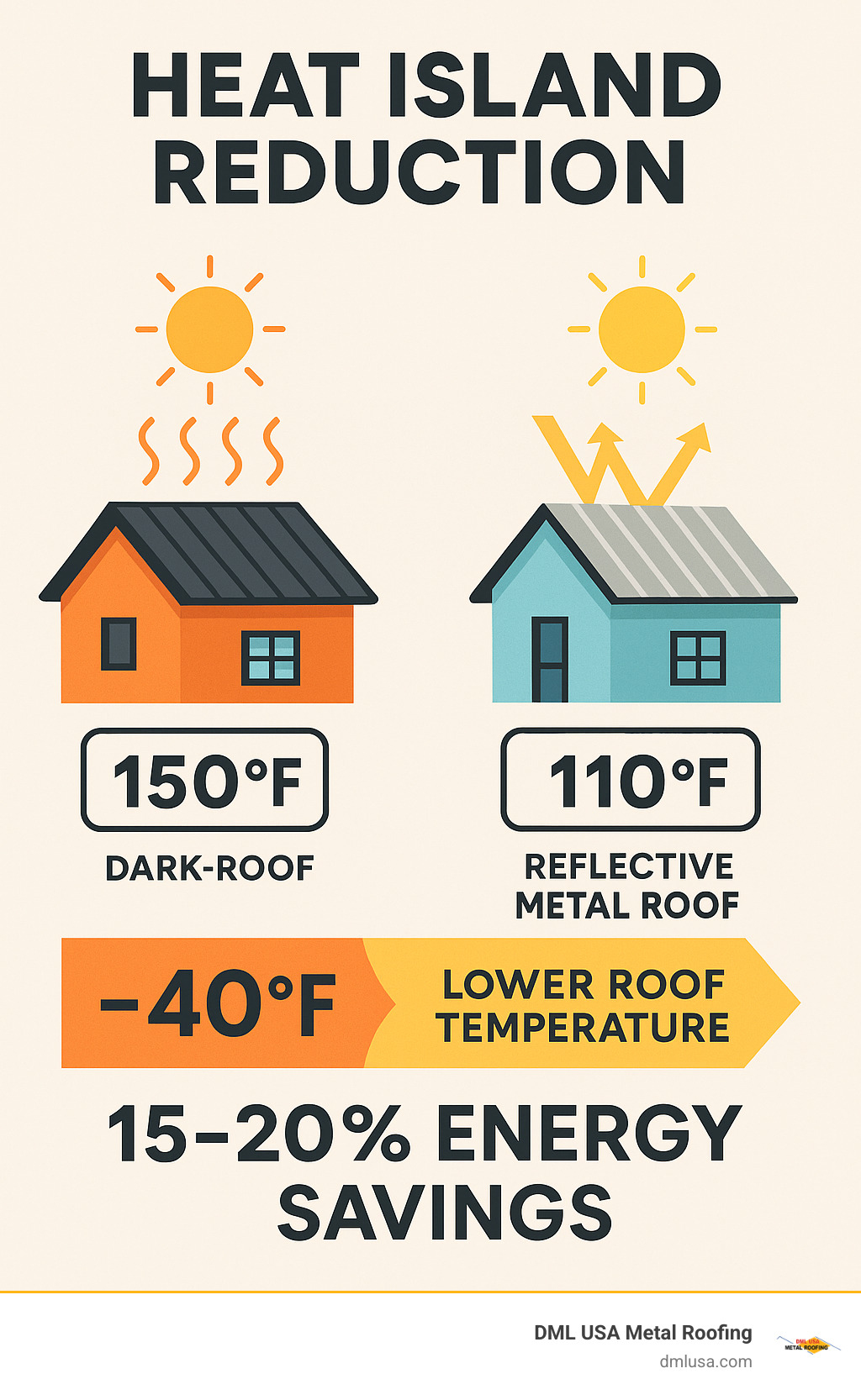
The energy efficiency potential of heavy gauge metal panels is impressive. With proper coatings, these panels can reflect up to 84% of the sun’s energy, resulting in cooler interiors and reduced HVAC costs.
Cool pigment technology has revolutionized metal roofing energy performance. These coatings reflect solar radiation while maintaining rich colors. Standard finishes can reduce interior temperatures by 12°F, leading to energy bill reductions of up to 40%.
The Solar Reflectivity Index (SRI) values for heavy gauge panels with high-performance coatings typically range between 25-67%, depending on color selection.
Many heavy gauge metal roofing systems qualify for federal energy tax credits when they meet ENERGY STAR requirements, offsetting initial investment costs.
Coatings & Finishes That Matter
The coating system on heavy gauge metal panels is crucial for both performance and aesthetics.
Kynar 500 (PVDF) represents the gold standard, offering superior color retention and chalk resistance with 40-year paint warranties.
Galvalume provides excellent corrosion resistance as a base for painted systems. Galvanized (G-90) coating offers budget-friendly zinc protection with superior edge protection.
Flexshield coatings withstand chemical exposure and extreme conditions. Textured and matte finishes reduce glare while providing residential appearance.
Warranty coverage on premium heavy gauge panels includes 40-year paint warranties on PVDF coatings, 25-year substrate warranties on Galvalume, and 10-year edge rust warranties. Many warranties are transferable, adding resale value.
Buying Considerations & Cost Breakdown
Shopping for heavy gauge metal panels involves matching your project’s specific needs, timeline, and budget.
Residential projects focus on curb appeal and energy savings. Commercial applications prioritize performance and spanning capability. Industrial installations need to survive harsh conditions while minimizing downtime.
Heavy gauge metal panels often use heat-forming processes rather than roll-forming, protecting coatings during manufacturing. Custom lengths eliminate waste but require 2-4 weeks for delivery. You can choose from 25+ smooth colors and 15+ textured options.
| Cost Factor | Heavy Gauge Metal Panels | Asphalt Shingles (30-year) |
|---|---|---|
| Initial Material Cost | $3.50-$6.00/sq ft | $1.50-$3.00/sq ft |
| Installation Labor | $2.50-$4.00/sq ft | $2.00-$3.50/sq ft |
| 30-Year Maintenance | $0.25/sq ft | $2.50-$4.00/sq ft |
| Replacement Costs | $0 | $4.50-$7.00/sq ft (at year 20) |
| Total 30-Year Cost | $6.25-$10.25/sq ft | $10.50-$17.50/sq ft |
Budgeting for Heavy Gauge Metal Panels
Heavy gauge metal panels cost more upfront. 26-gauge panels run 15-25% more than 29-gauge options, while 24-gauge panels command a 25-40% premium.
Labor costs stay nearly identical – installing heavy gauge panels takes the same crew, time, and techniques as standard panels.
The return on investment improves with 15-40% reductions in cooling costs and potential 5-15% insurance discounts for impact-resistant roofing.
Maintenance is virtually eliminated for decades, and studies show metal roofing adds 1-6% to home value.
Selecting the Right Panel Profile
Standing seam systems are premium choices for residential projects. Concealed fasteners create clean lines and eliminate maintenance issues. Available in 24-gauge and 22-gauge.
R-Panel and PBR systems are workhorses with 36″ coverage and 1.25″ ribs spaced 12″ on center. Available in 26-gauge and 24-gauge with 1:12 minimum slope requirement.
7.2 ribbed panels excel for spanning capability with ribs 7.2″ on center. Available in 24-gauge standard with 26-gauge and 22-gauge options.
Corrugated options with deep profiles handle long spans and harsh conditions in 18-gauge to 24-gauge.
Perforated panels combine structural performance with acoustic control for specialized applications.
Installation & Maintenance Best Practices
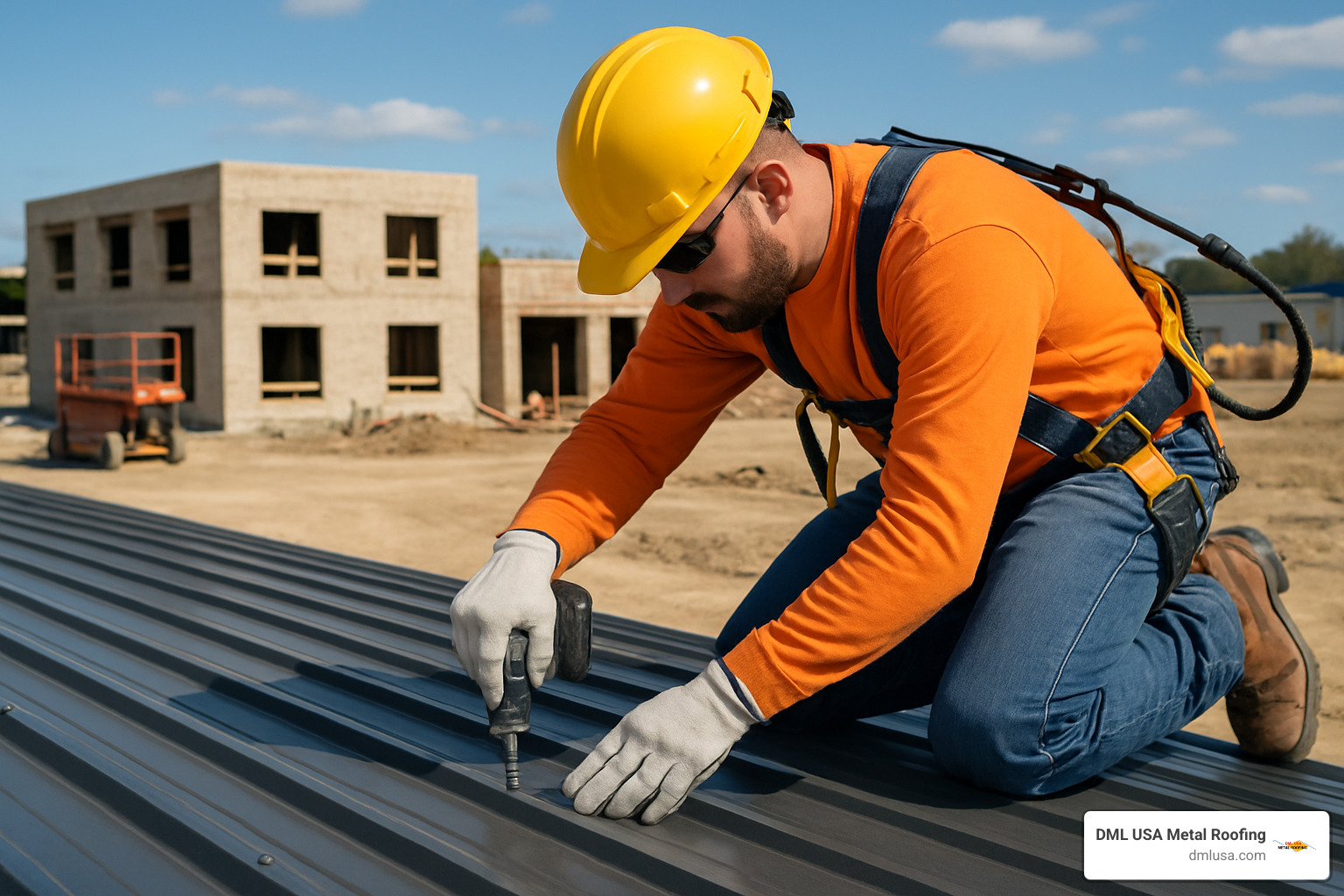
Heavy gauge metal panels are more forgiving during installation thanks to their superior strength and stability. They can span greater distances between supports, potentially saving money on framing materials.
Substrate preparation requires clean, dry, structurally sound surfaces. Slope requirements vary: standing seam systems work with slopes as low as 1/4:12, while R-Panel and PBR systems need at least 1:12.
Fastener selection should include color-matched gasketed screws with adequate substrate penetration. Near coastal areas, stainless steel fasteners are recommended. Proper ventilation prevents moisture buildup and maintains energy efficiency.
Heavy Gauge Metal Panels Installation Checklist
Safety comes first – hard hats, non-slip footwear, and fall protection systems are essential. Plan installation for calm, dry conditions.
The process follows a logical sequence:
1. Substrate preparation – ensure everything is clean and structurally sound
2. Layout and alignment – first panel becomes reference for everything else
3. Panel overlap – follow manufacturer specifications exactly
4. Fastener installation – proper torque prevents over-driving or under-driving
5. Cut edge sealing – seal any field cuts to prevent corrosion
Local building codes often have specific requirements for wind uplift, fire ratings, and snow loads. Always check with local building departments and obtain necessary permits.
Long-Term Care & Warranties
Heavy gauge metal panels require minimal maintenance. Annual inspections should focus on damaged panels, loose fasteners, and clogged gutters. Clean panels twice yearly with plain water.
Warranty coverage includes 40-year paint warranties on PVDF coatings, 25-year substrate warranties, and 10-year edge rust coverage on premium systems. Most warranties are transferable to new property owners.
Keeping warranties valid requires maintaining installation records, using approved cleaning methods, and addressing damage promptly.
Heavy Gauge Metal Panels Roundup: Top Options for 2024
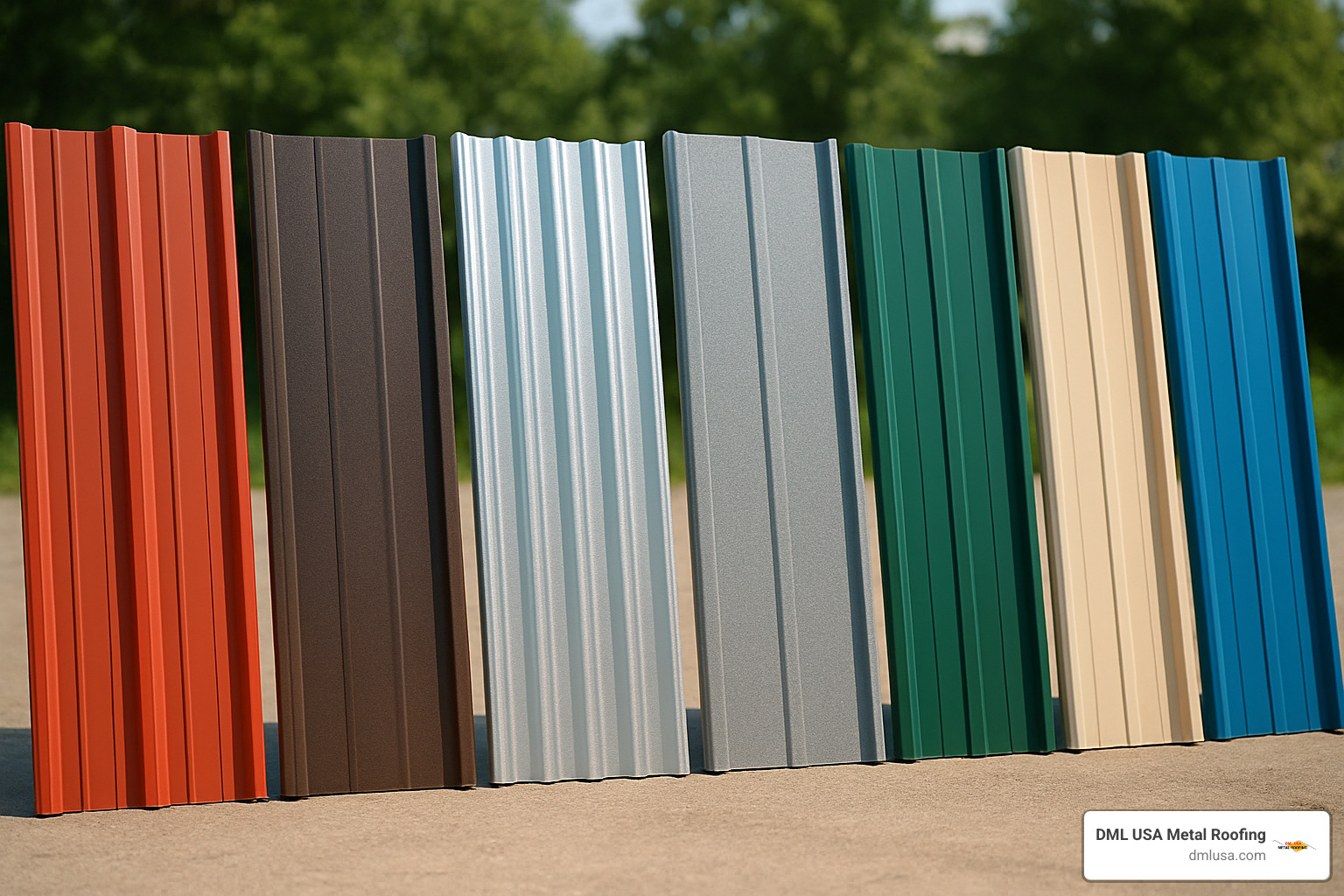
The 2024 market offers outstanding heavy gauge metal panels that deliver both performance and value across residential, commercial, agricultural, and industrial applications.
ABM Heavy-Duty Panels in 28-gauge and 26-gauge steel reflect up to 84% of solar energy with heat-formed manufacturing that prevents coating cracks. They include 40-year paint warranties and 10-year edge rust coverage.
7.2 Ribbed Panels in 22-gauge through 26-gauge steel deliver exceptional structural performance with 36″ coverage and ribs spaced 7.2″ on center.
Heavy gauge corrugated systems in 18-gauge through 22-gauge provide maximum strength for demanding industrial environments.
Insulated Metal Panels (IMPs) combine heavy gauge steel strength with insulation cores from 2″ to 6″ thick.
For detailed specifications, check out More info about products.
Best Residential Picks
Snap-lock standing seam in 24-gauge steel offers clean, modern appearance with concealed fasteners. These panels come cool-roof certified in multiple colors with matte finish options to reduce glare and 40-year paint warranties.
Premium R-Panel in 26-gauge provides excellent entry into heavy gauge territory with proven exposed fastener systems and wide color selection including textured finishes.
Best Commercial & Industrial Picks
PBR/R-Panel systems in 24-gauge feature 1.25″ ribs at 12″ centers in lengths from 3′ to 45′. They carry UL Class 4 impact resistance, Class A fire rating, and Class 90 wind uplift ratings.
7.2 ribbed panels with 22-gauge construction provide exceptional structural performance with superior cantilever capabilities for minimal intermediate supports.
Deep corrugated profiles in 18-gauge and 20-gauge steel represent ultimate durability for harsh industrial environments.
Specialty & Designer Options
Perforated corten panels combine heavy gauge strength with distinctive weathering steel aesthetics. Stainless steel panels in 24-gauge through 18-gauge offer ultimate corrosion resistance for coastal environments.
Curved and formed panels showcase heavy gauge versatility in creative architectural applications.
For architectural inspiration, explore External inspiration on metal design.
Frequently Asked Questions about Heavy Gauge Metal Panels
What gauge is considered “heavy” in metal roofing and siding?
Heavy gauge metal panels begin at 26-gauge and get thicker as numbers get smaller. 26-gauge and thicker panels (24-gauge, 22-gauge) fall into the heavy gauge category offering superior performance.
28-gauge panels sit in a borderline position – significantly better than retail options but technically not heavy gauge. 29-gauge and lighter panels represent standard retail categories lacking the impact resistance and longevity of heavy gauge options.
As industry research shows, 28-gauge and 26-gauge panels are “significantly thicker and more durable than standard 29 or 31 gauge panels commonly found in retail stores.”
Do heavy gauge panels really lower energy bills?
Yes – heavy gauge metal panels dramatically reduce energy costs through proven mechanisms. Properly coated panels reflect up to 84% of solar energy compared to asphalt shingles that absorb most heat.
Standard cool-color finishes reduce interior temperatures by 12°F, translating to energy bill reductions of up to 40% depending on climate and building design.
The thermal mass advantage of heavier panels helps stabilize interior temperatures, reducing HVAC workload. Many systems qualify for federal energy tax credits when meeting ENERGY STAR requirements.
How do heavy gauge metal panels compare in price to asphalt shingles?
Heavy gauge metal panels cost 2-4 times more upfront than asphalt shingles. However, one customer found “the quote for a metal roof was not much more than a shingle roof. For me the little extra was well worth getting a roof that would require less maintenance and last twice as long.”
The life-cycle cost comparison favors metal panels significantly. Over 30-50 years, metal panels offer 40-70 year lifespans with minimal maintenance, while asphalt requires 2-3 complete replacements during the same period.
Additional value includes insurance discounts (5-15%), increased home value (1-6%), and monthly energy savings that accumulate over decades.
Conclusion & Next Steps
Heavy gauge metal panels represent a complete upgrade in building performance, energy savings, and weather resistance. While neighbors replace their third set of asphalt shingles, you’ll enjoy the same beautiful, energy-efficient roof installed decades earlier.
The numbers support the investment: energy savings up to 40%, solar reflectivity reaching 84%, comprehensive decades-long warranties, potential insurance discounts, and increased home value make the initial investment smart long-term thinking.
Heavy gauge panels excel in areas with severe weather – hail, high winds, or intense sun. The superior thickness and impact resistance become invaluable. Commercial owners appreciate minimized maintenance while maximizing energy efficiency.
Working with DML USA Metal Roofing simplifies everything. Instead of juggling multiple vendors, you get consistent quality, coordinated warranties, and technical support from experts who understand how components work together. Our Illinois locations mean local expertise with regional building requirements and weather challenges.
The beauty of heavy gauge metal panels lies in their simplicity. Once properly installed, they work reliably year after year, storm after storm, season after season. No more missing shingles after windstorms or regular roof maintenance – just reliable protection and energy savings.
Ready to see how heavy gauge metal panels could work for your project? Our team can walk you through options, explain cost differences, and ensure you get exactly what your building needs.
For more information about metal roofing suppliers and services, visit More info about Metal Roofing Suppliers Near Me.
