 Skip to main content

Best corrugated roofing material: Top 3 Guide 2025
Why Corrugated Roofing is the Smart Choice for Modern Builds
The best corrugated roofing material depends on your specific needs, but here’s what performs best in each category:
Top Performers by Category:
- Overall Value: Galvalume Steel (40-70 year lifespan, excellent durability)
- Coastal Areas: Aluminum (superior corrosion resistance)
- Premium Choice: Copper/Zinc Alloys (100+ year lifespan, develops protective patina)
- Budget-Friendly: Galvanized Steel (reliable performance at lower cost)
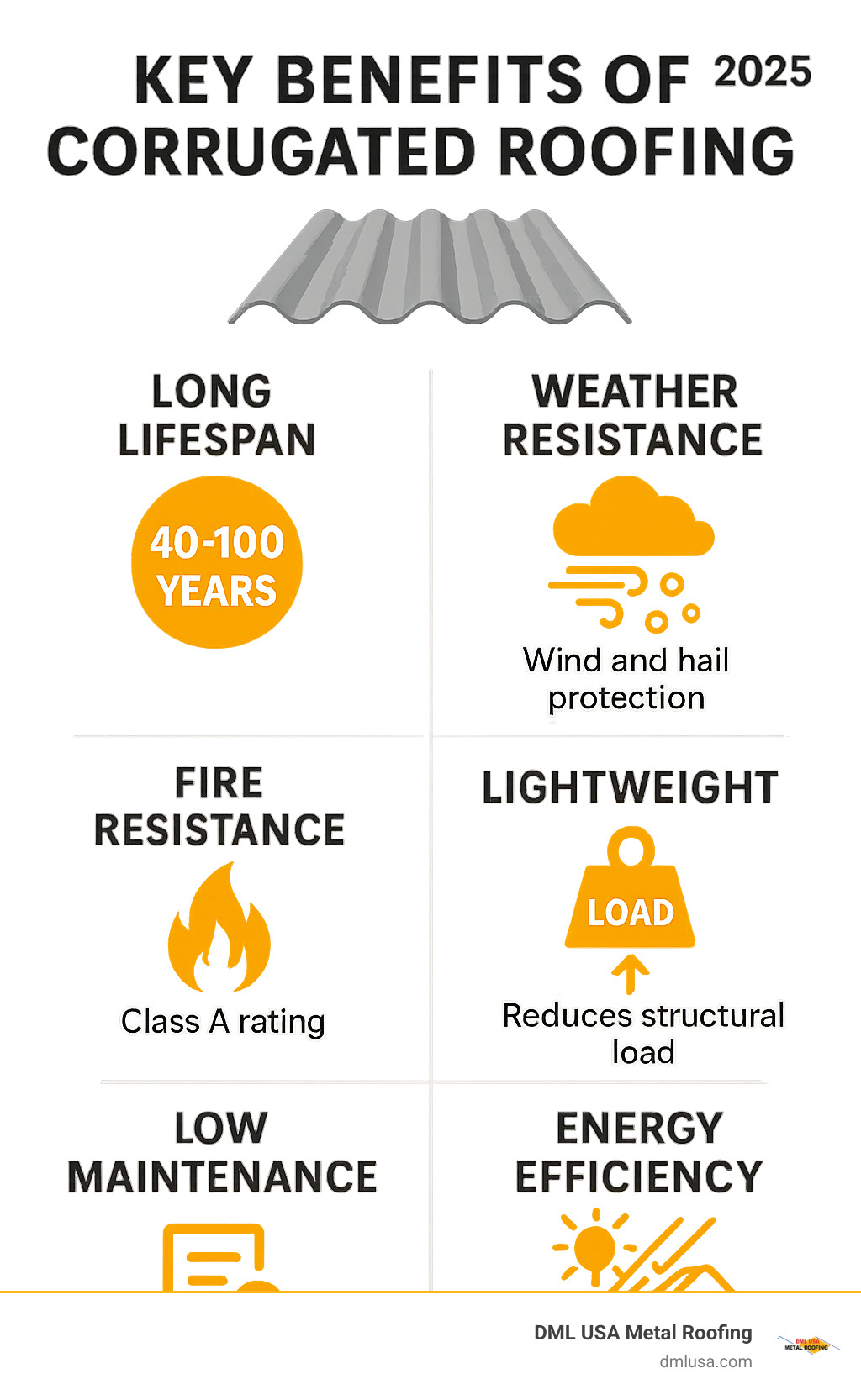
Corrugated roofing gets its name from the wavy ridges and grooves that create its distinctive appearance. This simple shape is actually engineering genius – those ridges add tremendous strength to lightweight metal sheets, making them perfect for everything from residential homes to commercial buildings.
The corrugated design has been around since 1829 when Henry Palmer invented it for London warehouse roofing. Today’s corrugated panels offer the same core benefits: they’re lightweight, durable, and incredibly versatile. Whether you’re building a modern home, agricultural structure, or commercial facility, corrugated roofing delivers reliable protection.
What makes corrugated roofing especially appealing is its combination of strength and simplicity. The wavy profile can handle heavy snow loads, resist wind uplift, and shed water efficiently – all while weighing much less than traditional roofing materials like tile or slate.
I’m Adam Kadziola, and after 15+ years manufacturing metal roofing in Illinois, I’ve seen how choosing the best corrugated roofing material can transform both the performance and value of any building project. At DML USA Metal Roofing, we’ve helped thousands of customers steer these material choices to find solutions that last decades with minimal maintenance.
Introduction: What is Corrugated Roofing?
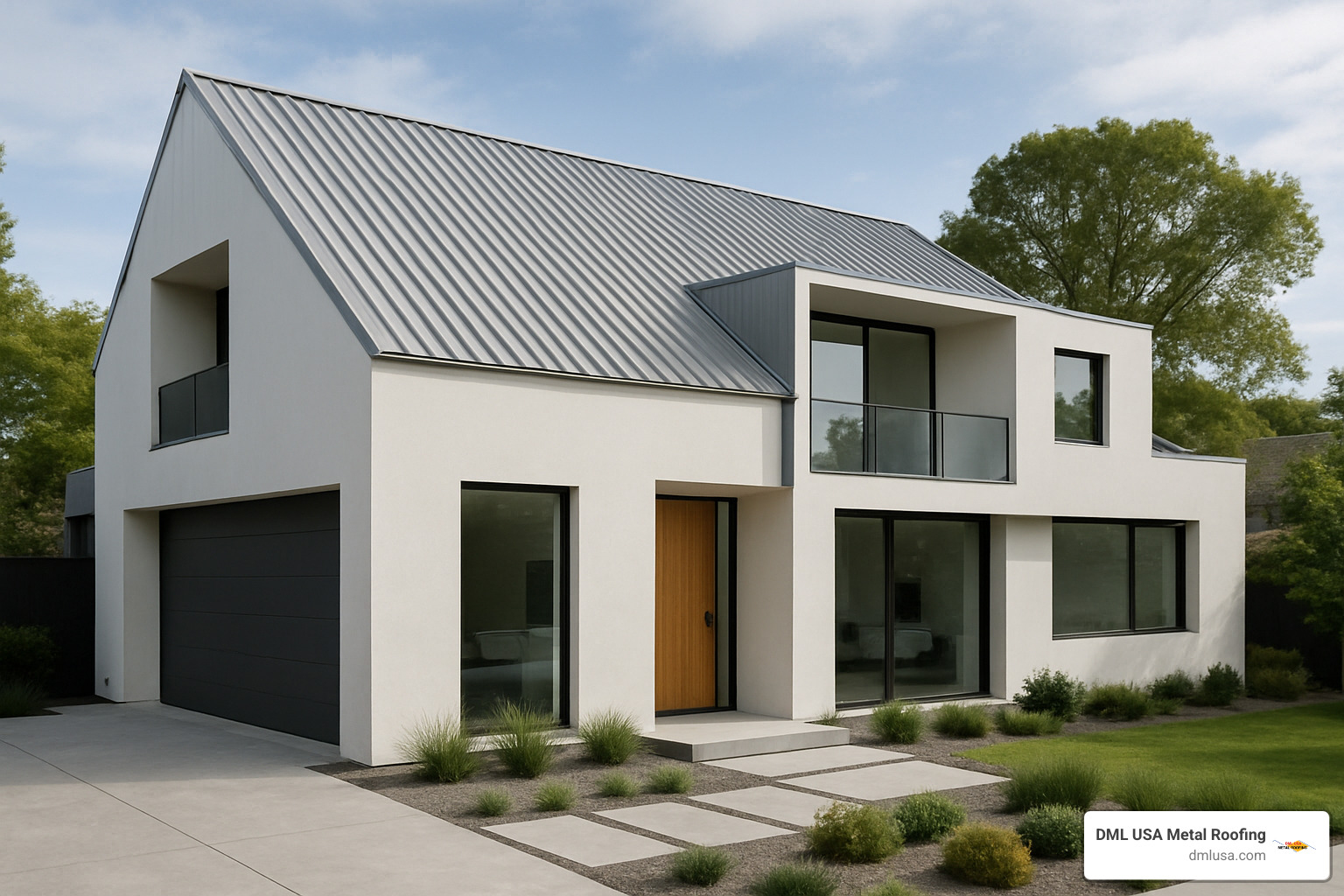
When we say corrugated means shaped into folds or ridges, we’re describing the fundamental engineering that makes this roofing so effective. Those wavy ridges and grooves aren’t just for looks – they’re what give corrugated panels their incredible strength-to-weight ratio.
Think of it like a cardboard box. A flat piece of cardboard bends easily, but once you add those wavy corrugations, it becomes remarkably strong. The same principle applies to metal roofing. A flat aluminum or steel sheet might flex and bend, but form it into corrugated ridges and grooves, and suddenly it can span long distances and handle significant loads.
This lightweight yet durable design makes corrugated roofing incredibly versatile. We see it used across:
- Residential applications: Modern homes, traditional farmhouses, and contemporary designs
- Commercial use: Warehouses, retail buildings, and office complexes
- Agricultural use: Barns, equipment storage, and livestock facilities
The beauty of corrugated roofing lies in its simplicity. Unlike complex standing seam systems that require specialized installation, corrugated panels are straightforward to install while still delivering exceptional performance. This combination of durability, versatility, and ease of installation has made corrugated roofing a go-to choice for builders and homeowners alike.
Ranking the Top Corrugated Roofing Materials
| Material | Average Cost | Lifespan | Durability | Best For |
|---|---|---|---|---|
| Galvanized Steel | $3.35-$5.50/sq ft | 40-50 years | High | Budget-conscious projects, agricultural buildings |
| Galvalume Steel | $4.00-$6.00/sq ft | 50-70 years | Very High | Commercial structures, residential homes |
| Aluminum | $5.00-$7.50/sq ft | 40-70 years | High | Coastal areas, lightweight applications |
| Copper/Zinc Alloys | $8.00-$15.00/sq ft | 100+ years | Exceptional | Premium homes, historic restoration |
After manufacturing thousands of corrugated panels over the years, I can tell you that choosing the best corrugated roofing material isn’t just about price – it’s about finding the right match for your specific needs. Each material has its sweet spot where it truly shines.
Galvanized & Galvalume Steel: The Durable Workhorse
Steel corrugated roofing is the workhorse of our industry, and there’s a good reason it’s been trusted for generations. The strength-to-weight ratio is simply outstanding – you get incredible structural performance without needing heavy support systems underneath.
What makes steel so appealing is its affordability combined with impressive durability. When properly installed, steel corrugated panels offer excellent fire resistance with Class A ratings. The impact resistance is particularly noteworthy – thicker gauges can handle hail that would damage traditional asphalt shingles.
But not all steel is created equal. The magic happens in the coatings that protect the underlying metal. Galvanized steel uses a pure zinc coating that acts like a bodyguard for your roof. Even if the surface gets scratched, that zinc keeps working to prevent rust. It’s been the go-to choice for agricultural buildings and commercial structures for decades.
Galvalume steel takes protection up a notch with an aluminum-zinc alloy coating. This combination gives you the barrier protection of aluminum plus the galvanic protection of zinc at cut edges. The result? Superior rust prevention that can handle harsh environments better than galvanized steel alone.
For agricultural buildings, commercial structures, and budget-conscious residential projects, steel hits that perfect balance of performance and value. The key is matching the right gauge and coating to your specific application. More info about our durable metal products can help you understand which steel option works best for your project.
Aluminum: The Coastal & Lightweight Champion
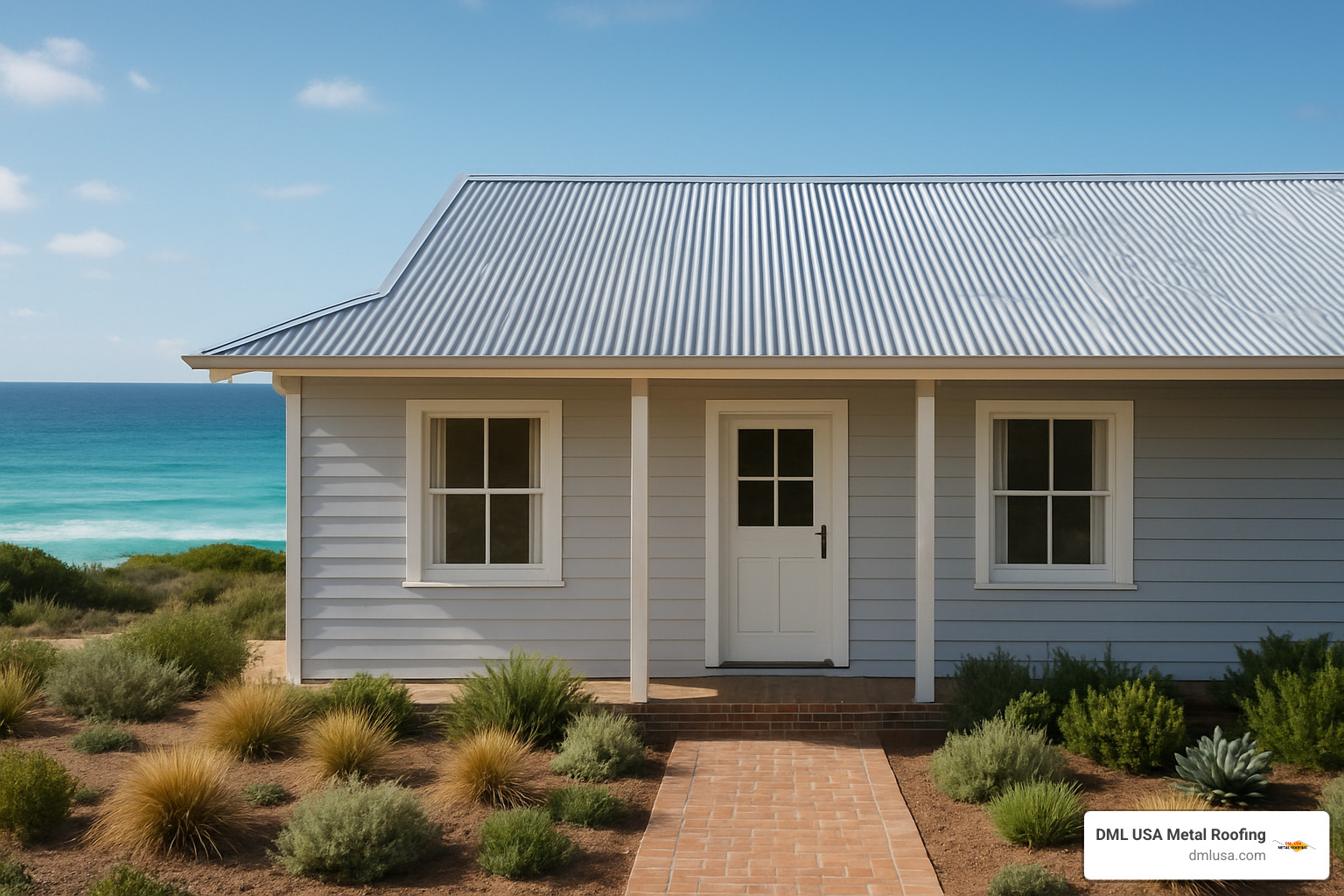
If you’re building near the coast, aluminum corrugated roofing is your best friend. While steel panels need protective coatings to fight corrosion, aluminum is naturally corrosion-resistant. It forms its own protective oxide layer that actually gets stronger over time.
The lightweight nature of aluminum is another game-changer. These panels weigh significantly less than steel, which means less stress on your building’s structure. This makes aluminum perfect for retrofit projects or buildings where every pound matters.
Salt spray resistance is where aluminum really shines. I’ve seen steel panels near the ocean start showing rust within a few years, but aluminum keeps performing. This coastal performance does come at a higher cost than steel – typically 20-30% more – but the longevity makes it worth it.
Here’s the trade-off: aluminum is more prone to denting than steel. A good hailstorm might leave some dimples, though this rarely affects performance. For most residential and light commercial applications, this isn’t a deal-breaker.
The recyclable nature of aluminum is worth mentioning too. Unlike many materials that degrade when recycled, aluminum can be recycled indefinitely without losing its properties. This sustainability factor, combined with its sleek appearance, makes aluminum popular for modern architectural designs.
Premium Metals: The Long-Lasting, High-End Choice

When budget isn’t the primary concern and you want a roof that’ll outlast your grandchildren, premium materials like copper and zinc alloys are in a league of their own. Yes, they command the highest cost, but they deliver the longest lifespan – we’re talking 100+ years with minimal fuss.
Copper corrugated roofing is fascinating to watch over time. It starts as bright, shiny copper but gradually develops that distinctive green patina you see on historic buildings. This isn’t just beautiful – it’s actually a protective layer that prevents further corrosion. The self-healing properties mean that minor scratches will develop their own protective patina.
Zinc alloys offer similar longevity with a different aesthetic appeal. Instead of green, zinc develops a sophisticated matte gray patina that many architects prefer for its subtle elegance. The low maintenance requirements are remarkable – while steel and aluminum might need repainting over their lifespan, premium metals typically just need occasional cleaning.
These materials are perfect for high-end homes where the roof is a prominent architectural feature, or historic restoration projects where authenticity matters. The initial investment pays dividends through decades of maintenance-free performance and best beauty.
How to Choose the Best Corrugated Roofing Material for Your Project
Understanding Panel Types and Terminology
Choosing the best corrugated roofing material starts with understanding what you’re actually buying. The terminology can be confusing, but once you know the basics, everything else falls into place.
Traditional corrugated panels are what most people picture when they think of metal roofing – those classic wavy ridges and valleys that have been protecting buildings for nearly two centuries. You might also hear these called sheet metal roofing, screw-down panel roofing, or 5V crimp. The wavy shape isn’t just traditional – it’s brilliant engineering that provides excellent strength and helps water shed quickly.
R-Panel gets grouped with corrugated products, though technically it’s a ribbed panel. Instead of rounded waves, R-panels have wider, flatter ribs with sharper edges. They’re workhorses in commercial and agricultural applications where you need maximum structural strength.
Here’s where many people get tripped up: Liner panels look similar to corrugated panels but they’re designed for interior use only. These panels are often made from rejected coil or have less robust paint finishes. Despite their lower cost, they’re not suitable for exterior roofing – trust me, trying to save money here will cost you much more later.
Panel profiles matter because they affect both performance and appearance. The deeper the corrugation, the stronger the panel and the more traditional it looks. Shallower profiles offer a more modern appearance but may require closer structural support.
Now let’s talk about gauge, which is simply the thickness of the metal. This is where you really see the difference between adequate and exceptional performance.
29 gauge is the thinnest option – we sometimes call it “soda can” quality. While it’s adequate for some applications, it offers limited hail resistance and shorter finish life. 26 gauge hits the sweet spot for most residential applications, providing good durability without breaking the budget.
24 gauge steps up the game significantly. You’ll get improved hail resistance and longer finish life – we’re talking 35-60 years when properly installed. 22 gauge is the premium choice, offering maximum durability and weather resistance that can outlast most other roofing materials.
The importance of gauge can’t be overstated. Thicker gauges like 22 or 24 actually offer better hail resistance than asphalt shingles, wood shakes, and many commercial roofing materials. When you consider that hail damage is one of the most common roofing insurance claims, investing in proper gauge makes financial sense.
Exposed vs. Hidden Fasteners: Impact on Performance
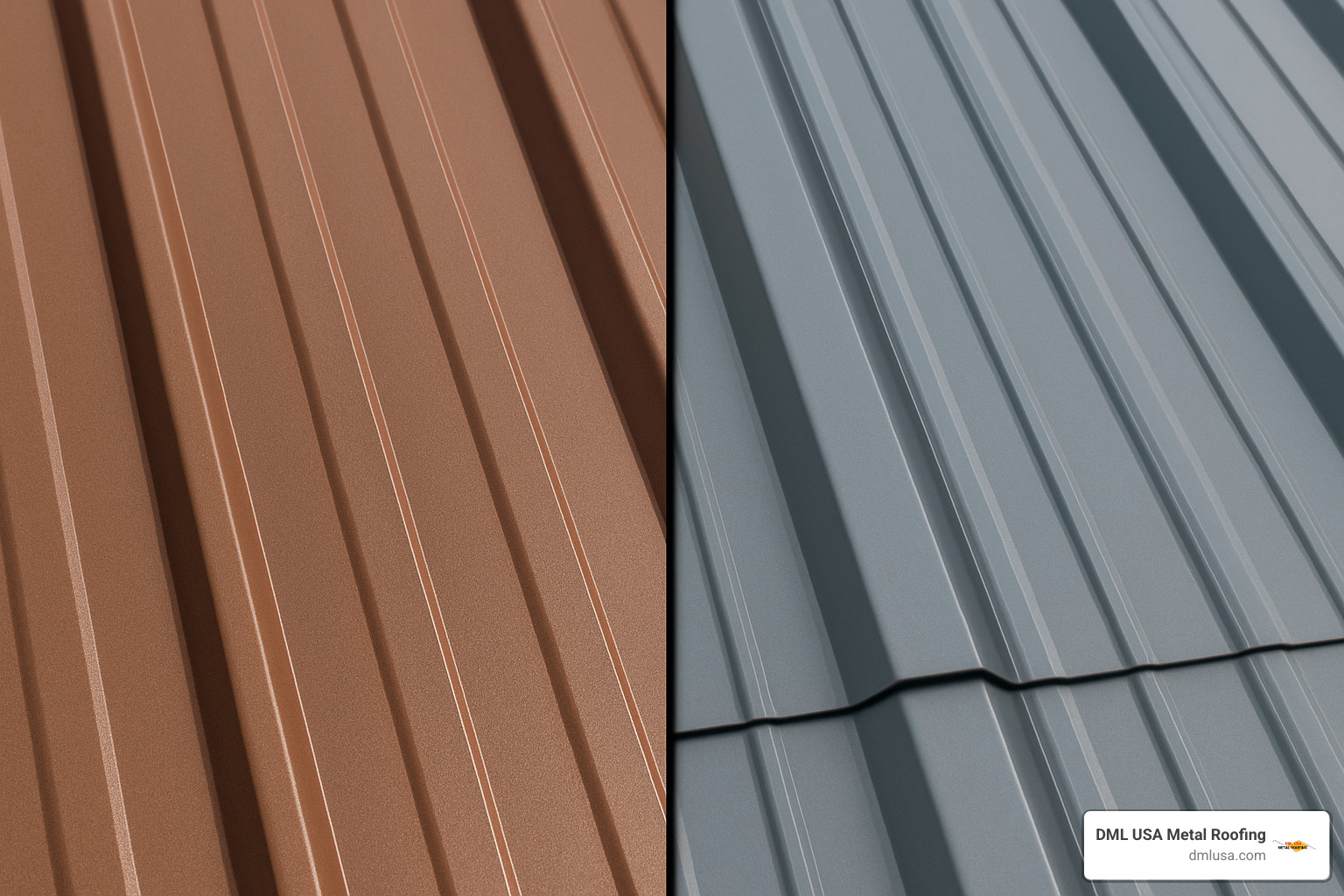
The fastener system you choose affects both how your roof looks and how well it performs over decades. It’s one of those decisions that seems simple but has lasting implications.
Exposed fasteners are the traditional approach for corrugated roofing, and there’s good reason they’ve remained popular. Screws are driven through the face of the panel into the structural deck, creating visible fastener heads. This system offers a lower installation cost due to the simpler installation process, plus that traditional aesthetic that many people associate with classic corrugated roofing.
The practical benefits are real too. Easier repairs and maintenance access means your contractor can quickly address any issues without removing entire sections of roofing. The system is also compatible with most corrugated panel profiles, giving you more options for your specific project.
But here’s the reality check: each exposed fastener creates a potential leak point. Every screw penetrates the roof membrane, and over time, thermal expansion and contraction can cause fasteners to work loose. This means periodic maintenance – checking and possibly replacing screws every 6 months to 5 years maximum, depending on your climate and conditions.
Hidden fasteners take a different approach by securing panels through clips or interlocking systems. You get that sleek, modern appearance with uninterrupted panel lines that architects love. More importantly, fewer roof penetrations mean reduced leak potential over the life of your roof.
The better thermal performance comes from reduced thermal bridging – less metal-to-metal contact that can transfer heat or cold. This translates to improved weather protection and potentially better energy efficiency.
The trade-off is higher cost and more complex installation. Hidden fastener systems typically require specialized clips and installation techniques, increasing both material and labor costs. For most corrugated applications, this added complexity may not be worth the benefits.
For the majority of corrugated roofing projects, exposed fasteners remain the standard choice. The key is using quality fasteners – Class 4 screws with proper washers – and following manufacturer installation guidelines. When done right, exposed fastener systems provide decades of reliable performance.
Aesthetics: Colors, Finishes, and Architectural Style
Your corrugated roofing’s visual impact depends heavily on the paint system and color selection. Modern paint technologies offer exceptional durability and color retention, but understanding the differences helps you make the right choice for your project.
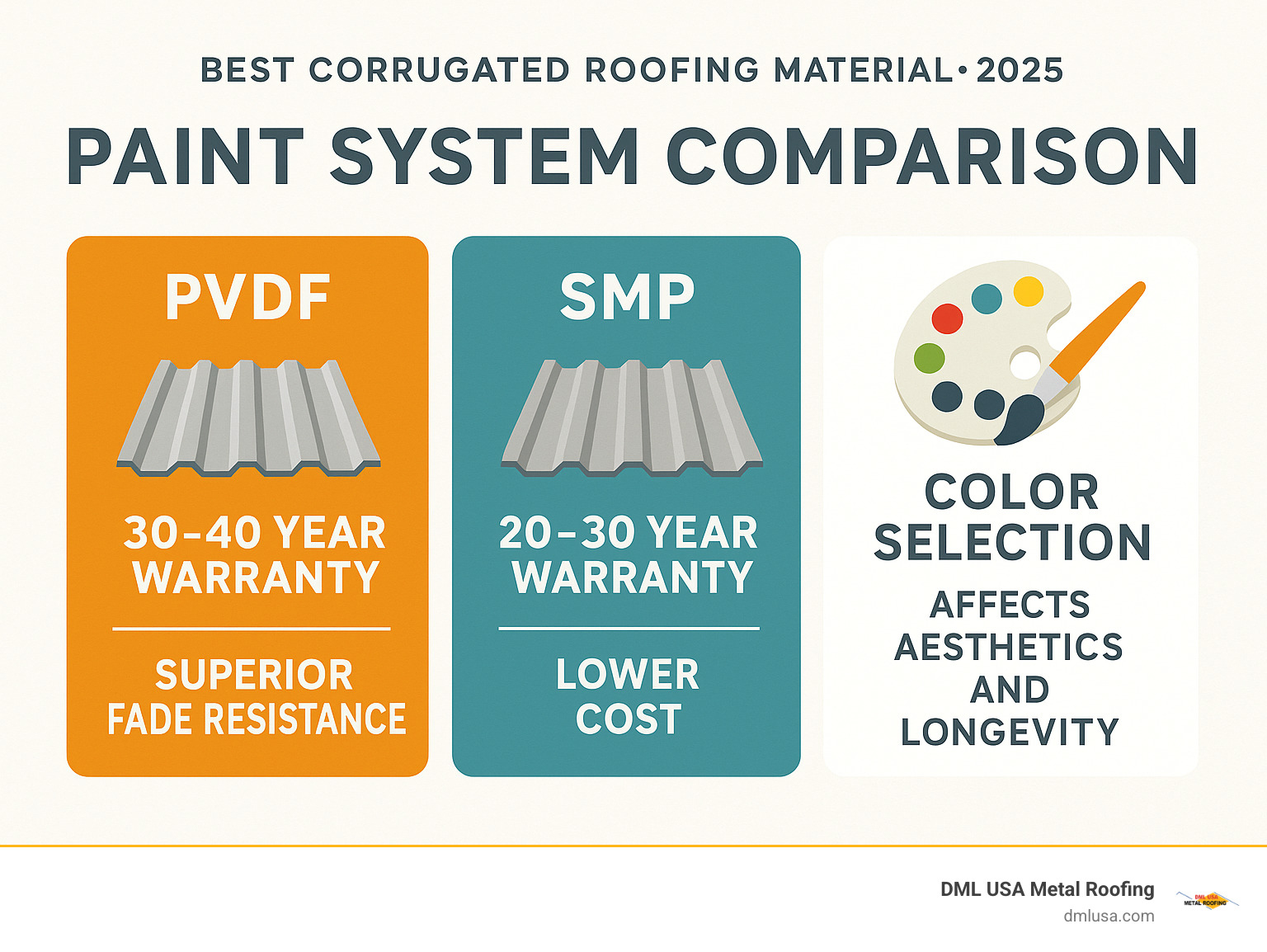
PVDF (Kynar 500) represents the premium paint finish for metal roofing. This fluoropolymer coating provides superior chalk resistance, gloss retention, and chemical resistance. When we install PVDF finishes, they typically come with 30-40 year warranties and maintain their appearance longer than other paint systems. It’s the finish we recommend when you want the roof to look great for decades.
SMP (Silicone Modified Polyester) offers solid paint performance at a lower cost than PVDF. While not as durable as PVDF, SMP finishes provide good performance for most residential and commercial applications. You’ll typically see warranties ranging from 20-30 years, which is still excellent for the price point.
The wide range of colors available today means you can match virtually any architectural style. Modern designs often favor clean, monochromatic colors like white, gray, or black that emphasize the roof’s lines. Rustic applications might use earth tones or weathered finishes that complement natural surroundings. Industrial buildings typically use neutral colors that blend with the environment while maintaining professional appearance.
Here’s something many people don’t realize: color longevity depends on both the paint system and the specific color you choose. Lighter colors generally maintain their appearance longer than darker shades, which can show fading more readily. This doesn’t mean you can’t choose dark colors – just understand that they may require more maintenance over time.
Paint systems also affect how your roof performs thermally. Lighter colors with reflective properties can help reduce cooling costs, while darker colors may provide some winter heating benefits in northern climates. The key is choosing colors that complement your home’s architecture while considering your local climate conditions.
Our Project Gallery showcases how different colors and finishes complement various architectural styles. You’ll see everything from bold statement roofs to subtle, understated designs – all using the same basic corrugated profile with different color and finish choices.
Frequently Asked Questions about Corrugated Roofing
How long does a corrugated metal roof last?
The lifespan of your corrugated metal roof depends on which material you choose and how well it’s installed. Here’s what you can realistically expect from different options:
Steel and aluminum corrugated roofing typically lasts 40-70 years, with Galvalume steel often reaching the higher end of this range. The finish coat provides crucial UV protection for 40-50 years, while properly installed thick gauge material can go 35-60 years before needing any finish renewal.
Premium metals like copper and zinc alloys can easily last 100+ years. A National Roofing Contractors Association study found that corrugated metal roofs can last 50 years or more, with premium materials often exceeding this significantly. That’s essentially a lifetime investment.
Several key factors determine whether your roof reaches its full potential lifespan. Proper installation is absolutely crucial – even the best corrugated roofing material will fail prematurely if it’s not installed correctly. Regular maintenance also affects longevity, though metal roofing requires far less upkeep than other materials.
Environmental conditions play a role too. Harsh coastal environments or industrial areas with heavy pollution can potentially reduce lifespan, while mild climates help materials reach their maximum potential. Material gauge matters as well – thicker materials generally last longer and resist damage better.
Our warranty information reflects these realities, with different coverage periods based on material type and specific application. The key is choosing appropriate materials for your environment and ensuring professional installation from the start.
Is corrugated metal roofing noisy in the rain?
This is honestly one of the most common concerns we hear, and I understand why people worry about it. The good news is that noise depends much more on installation details than the corrugated design itself.
Proper installation eliminates most noise concerns completely. The secret lies in several key factors that work together to create a quiet roof system.
Solid sheathing or decking underneath the panels acts as a natural sound barrier. When corrugated panels are installed over plywood or OSB decking rather than open framing, sound transmission drops dramatically. Insulation in the roof assembly provides another layer of sound reduction while also improving energy efficiency.
Sound-dampening underlayment can be added for extra noise reduction in particularly quiet environments or for homeowners who are especially sensitive to sound. Fastener type and spacing also affects how sound transmits through the roof structure.
Here’s something interesting: some corrugated materials actually offer better sound performance than others. Stone-coated metal roofing uses stone granules that create a sound-absorbing cushion, eliminating the need for additional soundproofing materials entirely.
The reality is that a properly installed corrugated metal roof with adequate insulation and sheathing is no noisier than asphalt shingles or other traditional roofing materials. The “noisy metal roof” reputation comes from older installations, often over open framing without proper sound control measures.
Is corrugated metal roofing a good choice for homes in Illinois?
Absolutely, and I say this with confidence after manufacturing metal roofing in Illinois for over 15 years. Our state’s climate actually makes corrugated metal roofing an excellent choice for several compelling reasons.
Heavy snow handling is where corrugated roofing really shines in Illinois. The smooth surface and steep angles of corrugated panels promote natural snow shedding, reducing structural loads on your home. The inherent strength of the corrugated profile handles snow loads that might damage or stress other roofing materials.
High wind resistance is crucial here, and Illinois experiences significant wind events throughout the year. Corrugated metal roofing offers excellent wind resistance when properly installed. The interlocking design and secure fastening systems resist wind uplift that can devastate other roofing types.
Hail protection is particularly valuable in Illinois where hail storms are unfortunately common. Thicker gauge corrugated panels (22 or 24 gauge) provide superior hail resistance compared to asphalt shingles, which often need replacement after significant hail events.
Fire resistance with Class A ratings provides peace of mind in both urban and rural Illinois settings. This is especially important for properties near wooded areas or in regions where wildfire risk is increasing.
Energy efficiency benefits work year-round in Illinois. Cool roof coatings reflect solar heat during our hot summers, reducing cooling costs significantly. The thermal performance also helps with heating efficiency during harsh Illinois winters.
Energy tax credits often apply to metal roofing installations, providing additional financial benefits that help offset the initial investment. Our Resources page has current information on available federal and state incentives.
The combination of durability against storms, energy efficiency, and minimal maintenance requirements makes the best corrugated roofing material particularly well-suited to Illinois’s variable and sometimes challenging climate conditions.
Conclusion: Making the Right Choice for Your Build
After manufacturing metal roofing in Illinois for over 15 years, I’ve learned that choosing the best corrugated roofing material isn’t just about finding the cheapest option – it’s about finding the right balance for your specific project.
Your budget sets the foundation for your decision. Galvanized steel offers reliable performance at the lowest cost, while premium metals like copper deliver century-long lifespans at a significant investment. Most of our customers find that Galvalume steel hits the sweet spot, providing 50-70 years of performance at a reasonable price point.
Climate conditions play a huge role in material selection. Here in Illinois, we deal with heavy snow loads, high winds, and hail storms. Steel’s strength handles these conditions beautifully. But if you’re building near the coast, aluminum’s natural corrosion resistance becomes invaluable, even at a higher cost.
Your desired lifespan should align with your long-term plans. Planning to stay in your home for decades? Premium metals might justify their cost. Building a commercial structure where function matters more than aesthetics? Galvanized steel delivers dependable performance without breaking the budget.
Aesthetic goals matter more than many people realize. The right color and finish can transform a simple corrugated roof into an architectural feature. Modern paint systems like PVDF maintain their appearance for decades, making the initial investment worthwhile.
Metal roofing consistently ranks as a top choice for durability and value across all these categories. The combination of strength, longevity, and minimal maintenance requirements makes it a smart investment that pays dividends for decades.
At DML USA Metal Roofing, we manufacture high-quality corrugated roofing materials right here in Illinois. Our facilities in Northlake and Chicago produce materials specifically designed for Midwest conditions. We understand the fire resistance, wind resistance, and impact resistance that Illinois buildings need because we live here too.
Our maintenance-free roofing systems come backed by energy tax credits and decades of proven performance. Whether you’re planning a residential project, commercial building, or agricultural structure, we have the expertise and materials to help you succeed.
The beauty of corrugated roofing lies in its versatility. From budget-conscious agricultural buildings to premium residential projects, there’s a corrugated solution that fits your needs and budget.
View Our Corrugated Metal Roofing Products to explore your options and find the perfect solution for your project. Our team is ready to help you steer the choices and select the best corrugated roofing material for your specific needs.
