 Skip to main content

best metal roofing material for a wood shed: Perfect 2025
Why Your Shed Deserves More Than Just a Basic Roof
The best metal roofing material for a wood shed depends on your budget, climate, and aesthetic preferences, but here are the top choices:
Top Metal Roofing Materials for Wood Sheds:
- Galvalume Steel – Best overall choice for durability and rust resistance (40-70 year lifespan)
- Galvanized Steel – Most budget-friendly option with good protection (15-20 year lifespan)
- Aluminum – Lightweight and corrosion-resistant, ideal for coastal areas
- Corrugated Panels – Easiest to install for DIY projects
- Standing Seam – Premium option for maximum weather protection
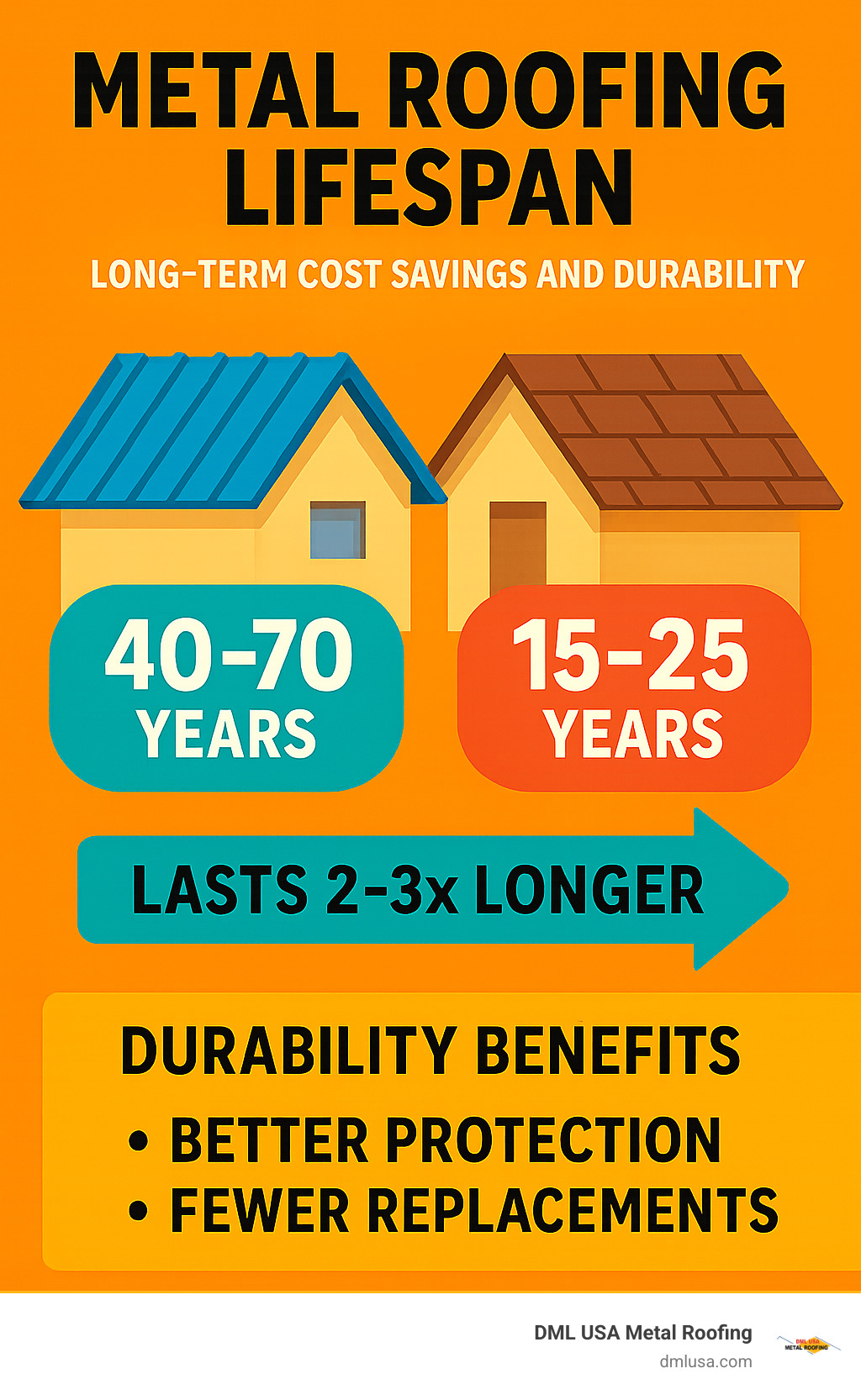
Your wood shed is far more than just a simple storage box; it’s a long-term investment that safeguards your valuable assets. Think about what’s inside: your expensive lawn mower, power tools, gardening equipment, seasonal decorations, and perhaps even cherished family heirlooms. Leaving the protection of these items to a flimsy, standard-issue roof is a risk. While many homeowners opt for basic asphalt shingles to save a few dollars upfront, metal roofing offers superior protection that can last 40-70 years—a stark contrast to shingles that often need replacement every 15-25 years.
Metal roofing provides unparalleled durability against the harshest weather, from the intense winds of a summer thunderstorm to the crushing weight of heavy snow loads. It’s also fire-resistant, energy-efficient, and virtually maintenance-free once installed. Beyond pure function, a metal roof significantly boosts your property’s curb appeal. With a vast array of modern colors and profiles available, you can choose a style that perfectly complements your home, turning your shed from a backyard afterthought into a polished architectural feature.
The key is selecting the right metal material and style for your specific situation. Here in the Midwest, we know that an Illinois winter can bring heavy snow and ice, while our summers can release severe thunderstorms with high winds and hail. Whether you’re planning a DIY installation, working within a specific budget, or simply want the most resilient option available, understanding your choices will empower you to make the best decision for your property.
I’m Adam Kadziola, and through my experience at DML USA Metal Roofing since 2007, I’ve helped countless homeowners select the best metal roofing material for a wood shed based on their unique needs and local climate conditions. As a family-owned company based right here in Illinois, we take pride in manufacturing high-quality, affordable metal roofing that provides lasting protection against even the harshest natural elements our region can throw at it.
Basic best metal roofing material for a wood shed glossary:
The Unbeatable Advantages of a Metal Roof for Your Wood Shed
When you’re looking for the best metal roofing material for a wood shed, you’re really making a smart investment in your property’s future. Metal roofing isn’t just another option – it’s a complete game-changer that transforms your shed from a basic storage space into a fortress of protection.
Let’s start with what really matters: durability and longevity. While asphalt shingles might seem cheaper upfront, they’re like that friend who always needs help moving – they’ll let you down when you need them most. A quality metal roof, on the other hand, can last 40 to 70 years without breaking a sweat. That’s a lifespan that can outlast your mortgage and see your kids grow up. Compare that to asphalt shingles that typically give up after just 15-25 years, requiring multiple costly and inconvenient replacements in the same timeframe. With metal, you install it once and enjoy peace of mind for decades.
Weather resistance is where metal roofing really flexes its muscles. Living in Illinois, we know Mother Nature doesn’t mess around. Metal roofing systems are engineered with interlocking or overlapping panels that create a monolithic, water-tight shell. This design can withstand wind speeds up to 140 mph – equivalent to a Category 4 hurricane. While high winds can easily lift and tear off individual shingles, a properly installed metal roof remains secure. Furthermore, its smooth, hard surface sheds snow and ice efficiently, preventing the formation of destructive ice dams and reducing the risk of structural collapse from heavy snow loads—a critical feature for any Illinois winter.
Here’s something that keeps many homeowners up at night: fire safety. Metal is a non-combustible material. Most metal roofing systems carry a Class-A fire rating, which is the highest level of fire resistance a material can achieve. This means it is highly effective against severe fire exposure from external sources. In a dry season, an errant spark from a bonfire or firework could ignite a shingle roof, but a metal roof provides a crucial layer of protection for your shed and its contents, especially if you store fuel, paint, or other flammable materials.
The low maintenance aspect is honestly one of our favorite benefits. Once your metal roof is installed, it’s basically maintenance-free. No more weekend warrior sessions replacing blown-off shingles or patching mysterious leaks. A quick visual check once or twice a year and maybe hosing off some leaves is all you need. This frees up your weekends for actually enjoying your shed instead of constantly fixing it.
Energy efficiency might surprise you as a shed benefit, but it’s huge. Modern metal roofs are often considered “cool roofs” because they are treated with special coatings that reflect solar radiation. According to the U.S. Department of Energy, these roofs can stay up to 50°F cooler than traditional materials in the summer sun. This reflectivity can reduce a building’s cooling costs by up to 25%. For your shed, this means a much cooler interior, which is vital for protecting temperature-sensitive items like paints, chemicals, electronics, or even just creating a more comfortable workshop space.
From an environmental standpoint, metal roofing is incredibly sustainable. Steel is the most recycled material on the planet. Many metal roofs contain a significant percentage of recycled materials (often 25% or more), and at the end of their exceptionally long service life, they are 100% recyclable. This closed-loop lifecycle means less waste in landfills compared to asphalt shingles, which contribute millions of tons of non-recyclable waste each year.
Don’t forget about pest resistance either. Unlike wood or asphalt materials, metal doesn’t roll out the welcome mat for termites, rodents, or insects. Your shed stays secure from unwanted visitors, and you don’t have to worry about structural damage from hungry critters.
All these benefits add up to increased property value. A well-built shed with quality metal roofing signals to potential buyers that you’ve invested in lasting quality. It’s a selling point that pays for itself.
For a deeper dive into these advantages, check out Why Choose Metal Roofing.
Key Benefits vs. Potential Drawbacks
We believe in straight talk, so let’s address the elephant in the room. While metal roofing is fantastic, it’s not perfect for every situation. Here’s the honest comparison:
| Pros | Cons |
|---|---|
| Lifespan: 40-70 years of reliable protection | Upfront Cost: Higher initial investment than shingles |
| Durability: Withstands extreme weather and impacts | Potential for Dents: Can dent from large hail (though rare) |
| Weather Resistance: Superior protection against wind, rain, snow | Noise: Can be louder during rain without proper underlayment |
| Low Maintenance: Virtually maintenance-free once installed | Color Fading: Some fading over decades (varies by coating) |
The upfront cost is usually the biggest concern for homeowners. Yes, metal roofing costs more initially – often 1.5 to 3 times more than asphalt shingles. But it’s crucial to view this as a long-term investment. When you factor in the 40-70 year lifespan and the money saved on repairs and replacements (you’ll likely replace asphalt shingles 2-3 times in the same period), metal becomes the more economical choice over the life of your shed.
Noise concerns are mostly overblown and based on outdated stereotypes. The “tin roof” sound comes from rain hitting metal installed directly over open framing. On a modern wood shed, the roof will be installed over a solid wood deck (like plywood or OSB) and a layer of high-quality underlayment. This combination of solid sheathing and insulation dampens the sound to a level comparable to, or even quieter than, other roofing materials.
Dent resistance depends on the gauge (thickness) and profile of the metal you choose. Thicker gauges (a lower number, like 24 or 26 gauge) are more resistant to dents from hail or falling branches. While a severe hailstorm can potentially dent any roof, quality metal roofing is surprisingly resilient, and most homeowners never experience this issue.
Color fading is a natural process for any exterior material exposed to UV rays. However, high-quality metal roofing uses advanced paint systems, like Kynar 500® (PVDF), which come with 30- to 40-year warranties against significant fading, chalking, or peeling. While some minimal change in color may occur over several decades, it is typically uniform and far less noticeable than the staining and algae growth common on shingles.
The bottom line? The pros far outweigh the cons, especially when you choose the best metal roofing material for a wood shed that matches your specific needs and budget.
