 Skip to main content

Types of Gutters: 3 Crucial Styles
Why Your Home’s Gutter System is Crucial
When exploring types of gutters, homeowners are looking for the best way to protect their homes from water damage. Gutters are vital because they channel rainwater away from your foundation, walls, and landscaping. Without them, you risk issues like flooded basements, soil erosion, and siding damage.
Choosing the right gutter system ensures effective rainwater management and contributes to your home’s curb appeal.
Here are the primary types of gutters to consider:
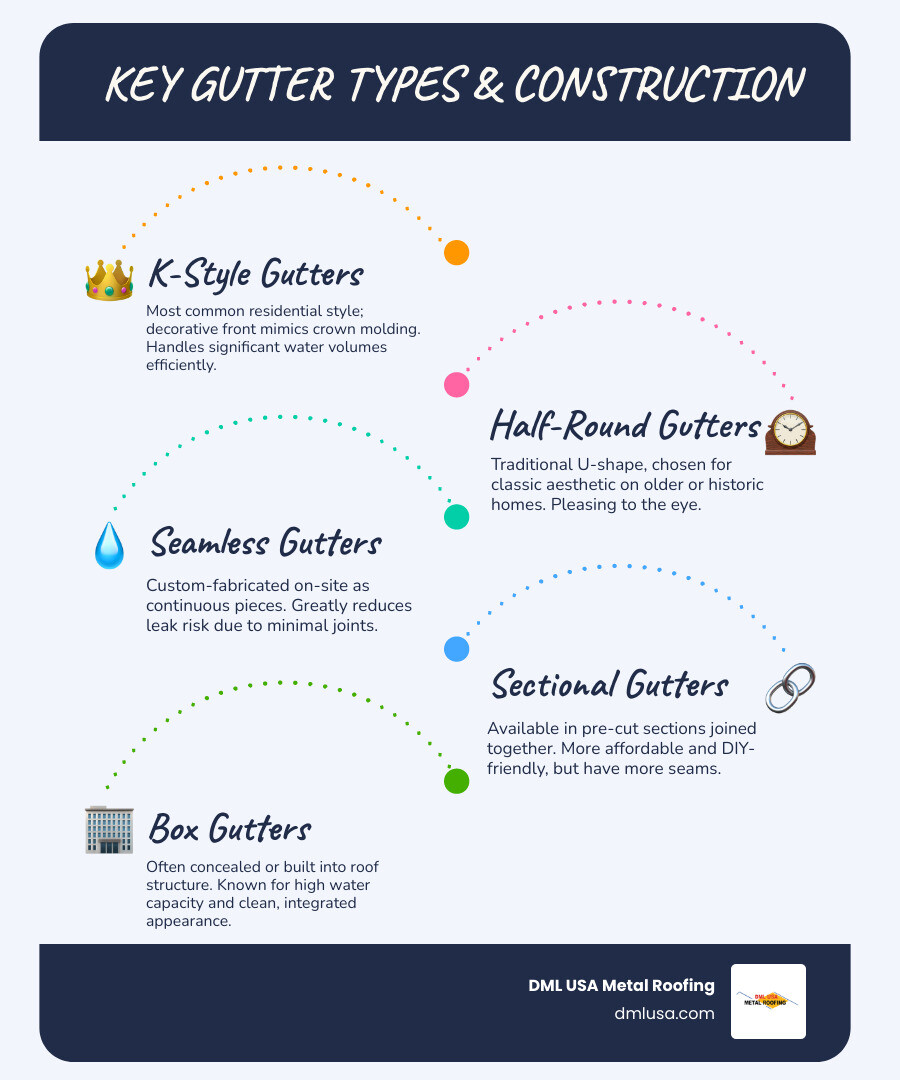
- K-Style Gutters: The most common residential gutter, featuring a decorative front that mimics crown molding. They efficiently handle significant water volumes.
- Half-Round Gutters: Characterized by a traditional U-shape, these are often chosen for their classic aesthetic, especially on older or historic homes.
- Seamless Gutters: Fabricated on-site, these are custom-fit, continuous pieces with minimal joints, greatly reducing the risk of leaks.
- Sectional Gutters: Available in pre-cut sections that are joined together. They are generally more affordable and suitable for DIY installation, though they have more seams.
- Box Gutters: Often concealed or built into the roof structure, these are known for their high water capacity and clean, integrated appearance, frequently used in commercial or large residential applications.
I’m Adam Kadziola, representing DML USA Metal Roofing, a company born from a passion for home building and renovation. Through years of manufacturing high-quality roofing products and understanding our customers’ needs, I’ve gained insight into various home protection systems, including the different types of gutters.
Types of gutters vocabulary:
An In-Depth Look at the Different Types of Gutters by Shape
A gutter’s shape, or profile, is a key consideration. The profile affects water capacity, complements your home’s architectural style, and influences installation. Some shapes blend into the roofline, while others make a decorative statement.
K-Style Gutters
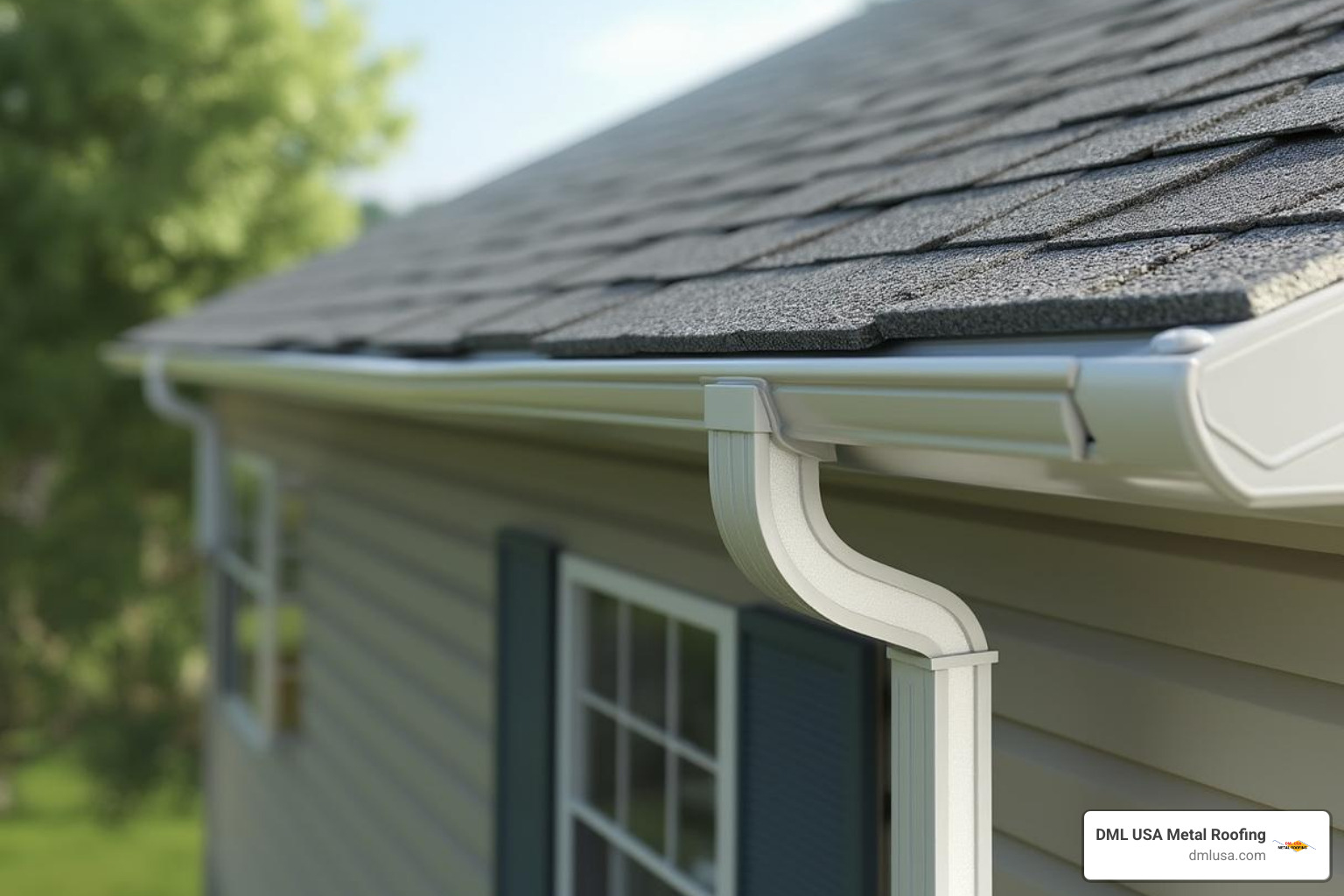
K-style gutters are the most popular choice for residential homes. Their distinctive profile features a flat bottom and back with a decorative front that resembles crown molding, complementing most home designs.
Beyond aesthetics, K-style gutters are highly functional. Their shape allows them to hold more water than other profiles of the same width; a K-style gutter can have twice the capacity of a half-round gutter. This makes them efficient at managing heavy rainfall. A 5-inch K-style gutter is standard for most homes, but a 6-inch version offers even greater capacity for larger homes or those with steep roofs.
The primary drawback of K-style gutters is their angular design, which can trap leaves and debris, making them more prone to clogs and harder to clean. Investing in gutter guards is a smart way to mitigate this issue.
Half-Round Gutters
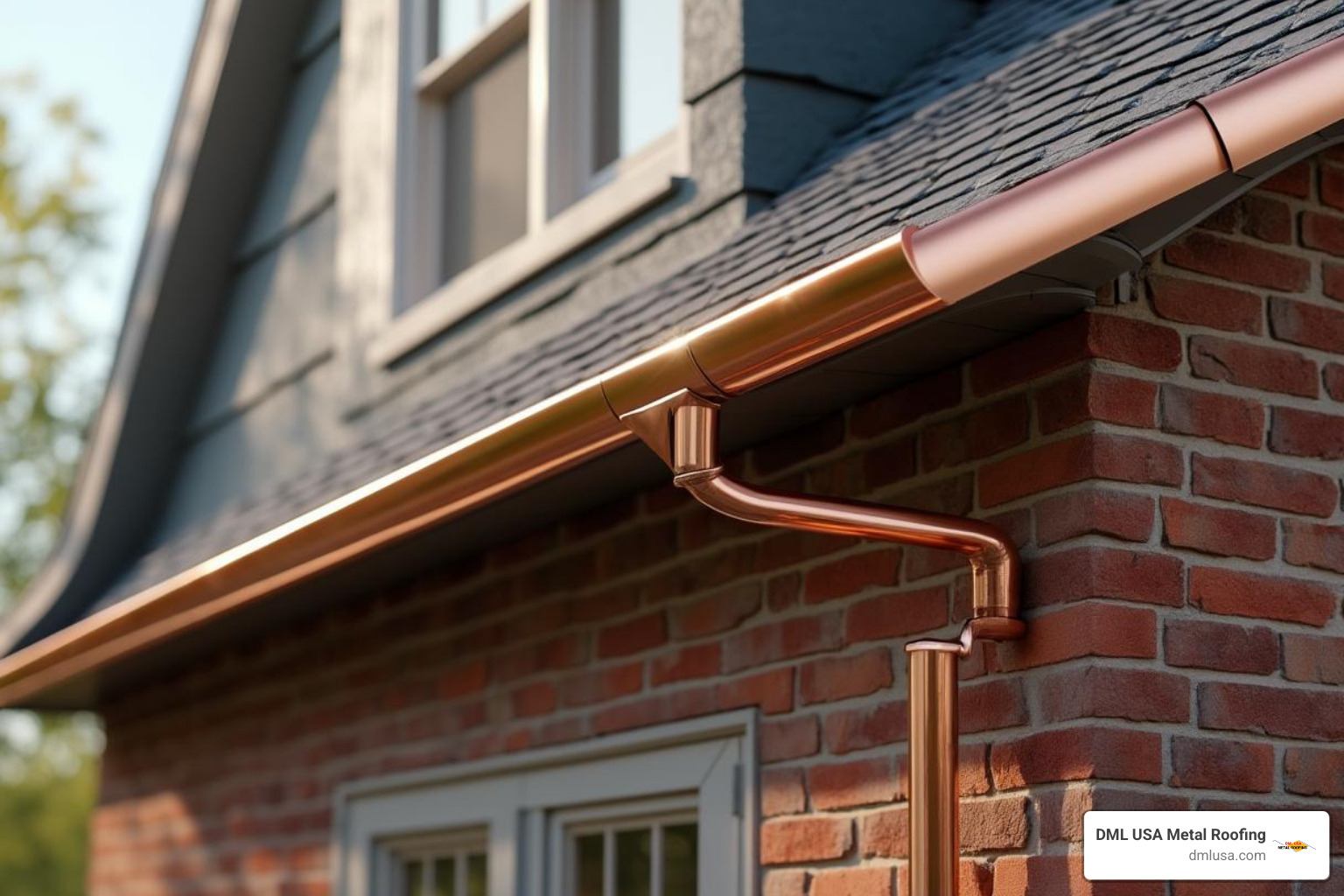
Half-round gutters are characterized by their traditional U-shape, offering a classic elegance that is ideal for historic or colonial-style homes. In some historic districts, local ordinances may even require this style to maintain architectural consistency.
The main advantage of half-round gutters is their smooth interior. This rounded surface allows water and debris to flow more freely, making them easier to clean than K-style gutters.
However, their rounded shape means they have less water capacity than a K-style gutter of the same width. They are often made from premium materials like copper or zinc, which contributes to a higher cost but achieves a refined, bespoke look.
Box and Fascia Gutters
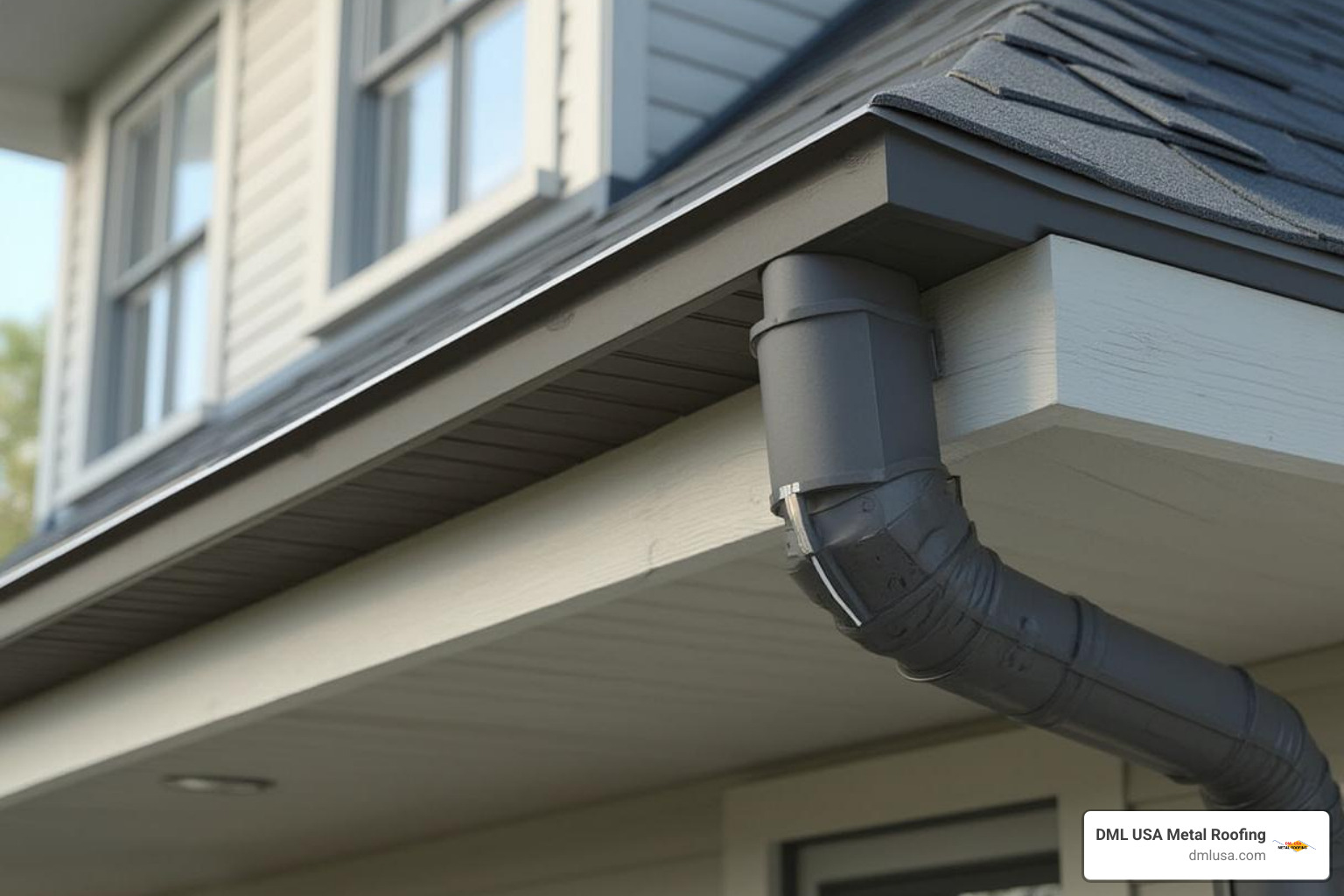
Box and fascia gutters are specialized types of gutters that are often less visible but highly effective.
Box gutters, also known as concealed or internal gutters, are integrated directly into the roof structure. Installed within the roof’s edge, they are not visible from the ground, creating a clean, streamlined exterior. Because they are built into the structure, box gutters can be made much larger and deeper than standard gutters, making them ideal for commercial buildings or large residential properties that need to manage immense volumes of water. Installation is complex and is best done when a home is being built or undergoing a major roof repair.
Fascia gutters are a contemporary design custom-built from a single long stretch of aluminum. They offer clean, straight lines that accent a home’s trim and often have a higher capacity than a typical K-style gutter. Their sleek appearance and high functionality make them a popular choice in modern architecture.
Gutter Materials, Lifespan, and Cost
The material you select for your types of gutters dictates their durability, cost, maintenance needs, and lifespan. It’s a critical decision that balances budget with long-term performance.
Key Types of Gutters by Material
This table provides a clear picture of what you can expect from the most common gutter materials.
| Material | Avg. Lifespan | Avg. Pro-Installed Cost/ft | Pros | Cons |
|---|---|---|---|---|
| Vinyl | 10-20 years | $3-$5 | Inexpensive, lightweight, easy DIY installation, won’t rust or corrode. | Prone to cracking in extreme cold/heat, color fading, can sag, shorter lifespan. |
| Aluminum | 20-30 years | $4-$9 | Most popular, affordable, lightweight, rust-resistant, wide range of colors, easy to install. | Can dent easily, may need painting over time, expansion/contraction with temperature changes. |
| Steel | 20-30 years | $8-$10 | Very strong, durable, good for harsh climates, holds up against ladders/branches. | Heavier, prone to rust if coating is scratched, professional installation often required, higher cost. |
| Zinc | 50-80 years | $10-$24 | Extremely durable, long lifespan, develops attractive patina, resistant to corrosion. | High upfront cost, requires professional welding for installation, doesn’t hold up well in salty air, not suitable for cedar roofs. |
| Copper | 100+ years | $12-$25 | Excellent durability, very long lifespan, develops beautiful patina, no rust, high aesthetic appeal. | Highest upfront cost, professional welding required, can’t be combined with other metals, theft risk. |
Metal Gutters: The Durable Choice
For homeowners who value longevity, metal gutters are a smart investment. Materials like aluminum, steel, copper, and zinc offer superior strength and weather resistance.
- Aluminum gutters are the most popular choice due to their affordability, light weight, and rust-proof nature. They come in a wide range of colors, and choosing a thicker gauge (.027 or .032) provides better dent protection.
- Steel gutters are exceptionally tough, making them ideal for harsh climates. They stand up to heavy snow and impacts, but galvanized steel can rust if its protective coating is scratched.
- Copper gutters are a luxury option, offering unparalleled durability that can last over 100 years. They develop a beautiful, unique patina over time and are highly resistant to corrosion, but they have a high upfront cost and require specialized installation.
- Zinc gutters are another premium choice with a lifespan of up to 80 years. Like copper, they develop an attractive patina and are extremely durable, but they also require professional welding and are not ideal for all environments.
At DML USA Metal Roofing, we understand the power of durable materials. Just like our metal roofing, which is known for its resistance to fire, wind, and impact, robust metal gutters complete your home’s protective shield. Learn more about Why Choose Metal Roofing and see examples in our Gallery!
Vinyl Gutters: The DIY-Friendly Option
Vinyl gutters are a popular choice for DIY enthusiasts because they are lightweight, inexpensive, and easy to install. However, they have some drawbacks. Vinyl can become brittle and crack in extreme cold or warp in high heat. The color can also fade over time. With a typical lifespan of 10 to 20 years, they are less durable than metal alternatives and may require replacement sooner.
Key Construction Styles: Seamless vs. Sectional Gutters
How your gutters are constructed significantly impacts their performance, appearance, and long-term cost. The two main types of gutters by construction are seamless and sectional, each with distinct advantages and disadvantages regarding installation, leak potential, and budget.
Seamless Gutters
Often considered the gold standard, seamless gutters are custom-fabricated on-site. A machine rolls out a single, continuous piece of metal to match your roofline’s exact dimensions. The only joints are at the corners and downspout connections.
This construction drastically reduces the potential for leaks, making seamless gutters highly reliable and lower in maintenance. They also provide a clean, sleek look without visible seams. An estimated 70% of all gutter installations today are seamless.
Due to the specialized equipment required, seamless gutters must be professionally installed, which typically results in a higher upfront cost. However, many homeowners find the investment worthwhile for the reduced risk of leaks and superior aesthetics.
Sectional Gutters
Sectional gutters are the traditional, DIY-friendly option. They are sold in pre-cut lengths (usually 10 to 20 feet) and are designed to be joined together on-site with connectors and sealant.
Their main appeal is a lower initial cost and the ability for a handy homeowner to perform the installation. This makes them a good choice for those on a tight budget.
The primary drawback is the seams. Each joint is a potential weak point that can leak over time as sealant degrades or the sections expand and contract. These seams can also trap debris, leading to clogs. While less expensive upfront, sectional gutters typically require more maintenance and repairs over their lifespan.
Sizing, Cost, and Maintenance: Getting the Details Right
Beyond aesthetics and material, choosing the right types of gutters involves understanding sizing, cost, and maintenance. Getting these details right ensures proper drainage and prevents costly water damage, maximizing the long-term value of your home.
How to Determine the Correct Gutter Size
Proper gutter sizing is essential to prevent overflows during heavy rain. The goal is to select a system that can handle the rainfall your area experiences.
Standard residential gutters are 5 or 6 inches wide. While a 5-inch K-style gutter is common, a 6-inch gutter has nearly double the capacity. This extra capacity is crucial for larger homes, houses with steep roof pitches, or those in areas with torrential downpours. The modest cost increase for 6-inch gutters is a small price to pay to avoid water damage.
Downspouts are equally important. Common sizes are 2×3 inches and 3×4 inches. A good rule of thumb is to install one downspout for every 30 to 40 linear feet of gutter. For larger gutters or in high-rainfall areas, oversized 3×4 inch downspouts are a smart upgrade to ensure smooth drainage.
Calculating the precise size needed involves your roof’s area, its pitch, and local rainfall data. If you would like to verify those rainfall figures yourself, the free National Weather Service precipitation database provides historical totals for every ZIP code in the United States. We still recommend consulting a gutter installation professional to ensure your system is sized correctly.
Maintenance and Upkeep
Regular maintenance is key to extending your gutters’ lifespan and ensuring they protect your home. Neglecting them can lead to clogs, overflows, and damage to your foundation, fascia, and landscaping.

Key maintenance tasks include:
- Clean your gutters: This is non-negotiable. Clean them at least twice a year (spring and fall), or more often if you have many trees.
- Inspect for sagging or damage: Periodically check for sections pulling away from the fascia, sagging, or showing cracks or holes. These can often be fixed by tightening or replacing hangers.
- Check the sealant at joints: For sectional gutters, inspect the sealant at the seams for deterioration and reseal as needed to prevent leaks.
- Consider gutter guards: These accessories block leaves and debris while allowing water to flow through. They are a fantastic investment to reduce cleaning frequency and prevent clogs, and are easily installed when replacing or repairing your gutter system.
Regular maintenance, coupled with choosing the right types of gutters, ensures your property remains protected for years to come.
Frequently Asked Questions about Gutter Types
Choosing the right types of gutters can bring up many questions. Here are answers to some of the most common inquiries we receive.
How long do different types of gutters last?
A gutter’s lifespan depends heavily on its material and maintenance. Here are the typical ranges:
- Vinyl: 10-20 years
- Aluminum & Steel: 20-30 years
- Zinc: 50-80 years
- Copper: 100+ years
Regular cleaning and prompt repairs are essential to maximize the lifespan of any gutter system.
Are seamless gutters better than sectional gutters?
Yes, for most homeowners, seamless gutters are the superior choice. Because they are custom-made in one continuous piece, they have far fewer joints than sectional gutters. This drastically reduces the risk of leaks and clogs, making them more reliable and lower in maintenance. While they have a higher upfront cost and require professional installation, their durability and clean appearance make them a better long-term investment.
What is the most common gutter size for a house?
The most common size for residential homes is the 5-inch K-style gutter, which is adequate for most average-sized homes in typical rainfall conditions. However, a 6-inch gutter is often a recommended upgrade for larger homes, houses with steep roofs, or in areas with heavy rainfall, as it can handle nearly double the water volume. The right size for your home depends on your roof’s area, pitch, and local weather patterns.
Conclusion: Choosing the Right Gutters for a Long-Lasting Home
Well, we’ve certainly covered a lot of ground, haven’t we? From the sleek K-style to the classic half-round, the sturdy metals like aluminum, steel, copper, and zinc, right down to the choice between seamless and sectional designs – it’s clear that picking the perfect gutter system isn’t a one-size-fits-all deal.
It really comes down to a few important things for your home: what you’re comfortable spending, the look you’re going for, how tough your gutters need to be for your local weather, and how much time you want to spend on upkeep. Each of these types of gutters offers a unique blend of looks, durability, and how well it functions.
Your gutters are more than just a trim piece; they’re a crucial shield for your home. They work tirelessly to whisk water away, protecting your foundation, keeping your landscaping healthy, and preserving the very structure of your house. It’s an investment that truly pays off in peace of mind.
And for protection that’s built to last from top to bottom, consider pairing that robust gutter system with a high-quality metal roof. Here at DML USA Metal Roofing, we believe in providing solutions that stand the test of time. Our metal roofing products are tough, energy-efficient, and designed to shrug off harsh weather, making them the perfect partner for a well-chosen gutter system.
We’re proud to help homeowners in Northlake, Chicago, and all across Illinois build homes that are not just beautiful, but also incredibly resilient and low-maintenance. Ready to see how we can help make your home truly long-lasting? We invite you to explore our durable metal roofing and gutter coil products. Let’s protect your investment together!
