 Skip to main content

Can you put metal roof directly on top of shingles: 3 Keys
Why This Common Roofing Question Matters More Than You Think
Can you put metal roof directly on top of shingles? The short answer is yes – but whether you should depends on several critical factors that could save or cost you thousands of dollars.
Here’s what you need to know right away:
Quick Assessment Guide:
- Possible when: Single layer of flat, undamaged shingles + local codes allow it
- Risky when: Multiple shingle layers, curled/damaged shingles, or structural issues
- Never when: Building codes prohibit it or roof deck is compromised
Key Benefits: Save 25% on labor costs, faster installation, eco-friendly
Major Risks: Hidden damage, trapped moisture, voided warranties, code violations
This decision affects your home’s safety, your wallet, and your peace of mind for decades to come. Metal roofs can last 40-70 years compared to shingles’ 12-20 years, but installing over damaged shingles is like building a mansion on quicksand.
As Adam Kadziola from DML USA Metal Roofing, I’ve seen both successful roof-overs and costly mistakes over my years in Illinois metal roofing manufacturing. Understanding when you can put metal roof directly on top of shingles – and when you absolutely shouldn’t – will help you make the smartest choice for your home.
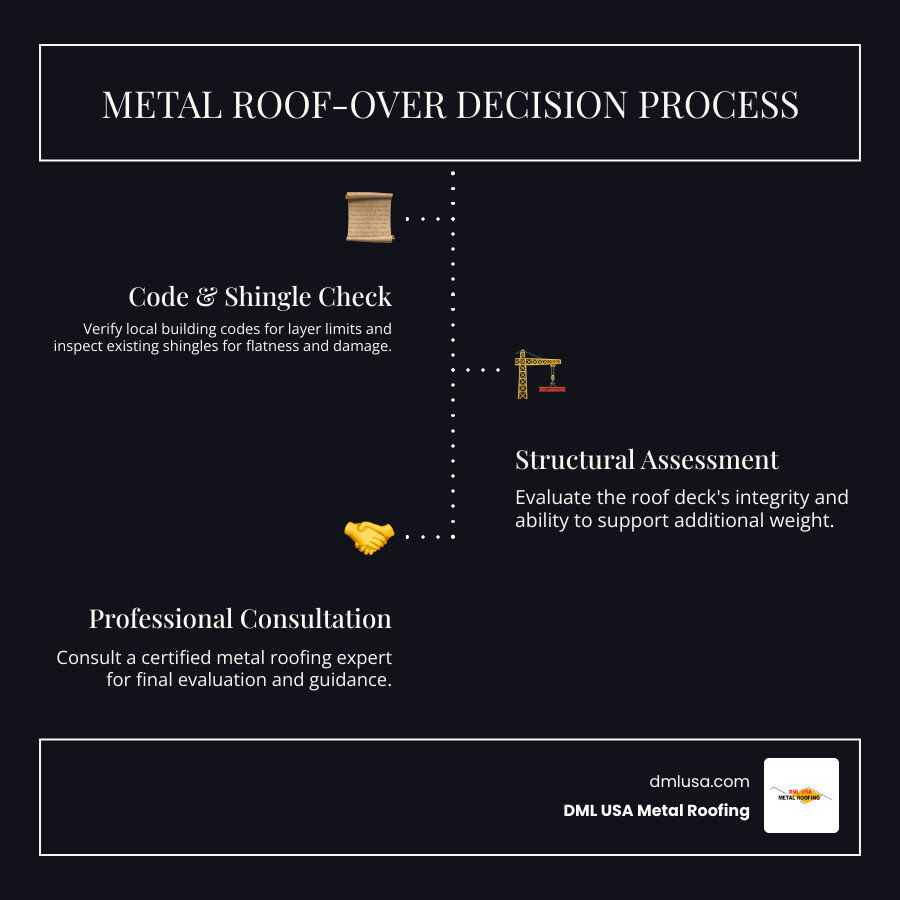
Can you put metal roof directly on top of shingles basics:
The Short Answer: Yes, But It’s Complicated
Can you put metal roof directly on top of shingles? Absolutely – it’s called a “roof-over” or “re-roofing,” and it’s exactly what it sounds like. You’re essentially adding a brand new metal roof right on top of your existing shingles without the messy, expensive process of tearing everything off first.
The main reason homeowners love this idea? Cost savings. And we’re talking serious money here – you can save up to 25% on your total project cost by skipping the tear-off process. No labor crews spending days ripping off old materials, no massive dumpsters in your driveway, and no disposal fees that can easily run into thousands of dollars.
But here’s where it gets complicated (and why I always tell my customers to pump the brakes before getting too excited about those savings).
While roof-overs are technically possible, they come with some pretty significant caveats that can turn your money-saving dream into a long-term nightmare. Think of it like this: if you finded cracks in your home’s foundation, would you just lay beautiful new flooring over it and call it good? Probably not.
That’s exactly why full tear-offs are standard practice in our industry. When we remove those old shingles, we get to see what’s really going on underneath – and trust me, it’s often not pretty. Rotted decking, damaged flashing, structural issues that have been hiding under those shingles for years.
The truth is, while you can install a metal roof over shingles in certain situations, whether you should depends on factors that go way deeper than just wanting to save a few bucks upfront. Sometimes that “bargain” roof-over ends up costing twice as much when problems surface down the road.
Key Benefits of a Metal Roof-Over (When Done Right)
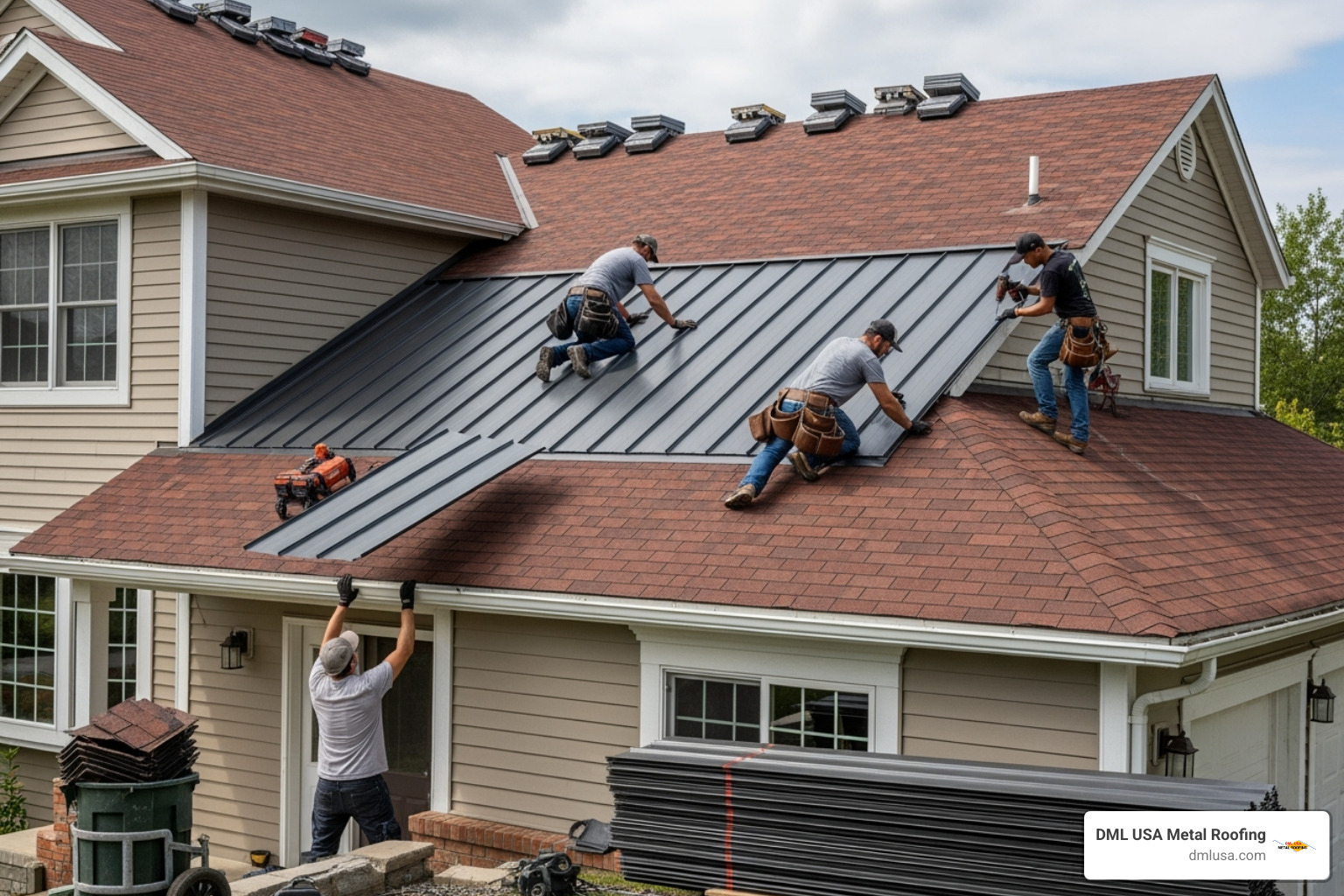
When the stars align and conditions are just right, installing a metal roof over existing shingles can be a smart move. I’ve seen plenty of successful roof-overs in my years with DML USA Metal Roofing, and when done properly, they deliver real benefits that go beyond just saving money.
Reduced labor costs are probably the biggest draw for most homeowners. Think about it – when you skip the tear-off process, you’re eliminating hours of backbreaking work. No crews spending days ripping off old shingles, no hauling debris to dumpsters, and no disposal fees eating into your budget. This can save you up to 25% on your total project cost.
But here’s what really makes homeowners smile: no tear-off mess. Your yard stays pristine, your flower beds remain intact, and you won’t find random nails in your driveway for months afterward. Plus, your daily routine stays mostly undisturbed – no need to move cars or worry about debris falling from above.
The faster installation timeline is another huge advantage. Without the demolition phase, our installation crews can focus entirely on putting up your beautiful new metal roof. What might normally take a week could be done in just a few days, getting your home protected and looking fantastic much sooner.
Now, let’s talk about something close to my heart – the environmental benefits. Every year, millions of tons of asphalt shingles end up in landfills where they sit for decades without decomposing. When you can put metal roof directly on top of shingles, you’re keeping that waste out of the ground. Those old shingles actually become an added insulation layer, potentially boosting your home’s energy efficiency while staying put instead of polluting.
Metal roofing itself is incredibly eco-friendly – it’s often made from recycled materials and is 100% recyclable at the end of its 40-70 year lifespan. Combining that with keeping old shingles out of landfills? That’s a win-win for you and the planet.
Top 3 Advantages of a Metal Roof-Over
-
Cost Savings: Skip the expensive tear-off labor and disposal fees while still getting a premium metal roof that will last decades longer than traditional shingles.
-
Quick Project Turnaround: Streamlined installation means less time with contractors on your roof and faster protection for your home.
-
Eco-Friendly Choice: Keep tons of old shingles out of landfills while choosing one of the most sustainable roofing materials available.
Critical Risks: 4 Reasons to Reconsider a Roof-Over
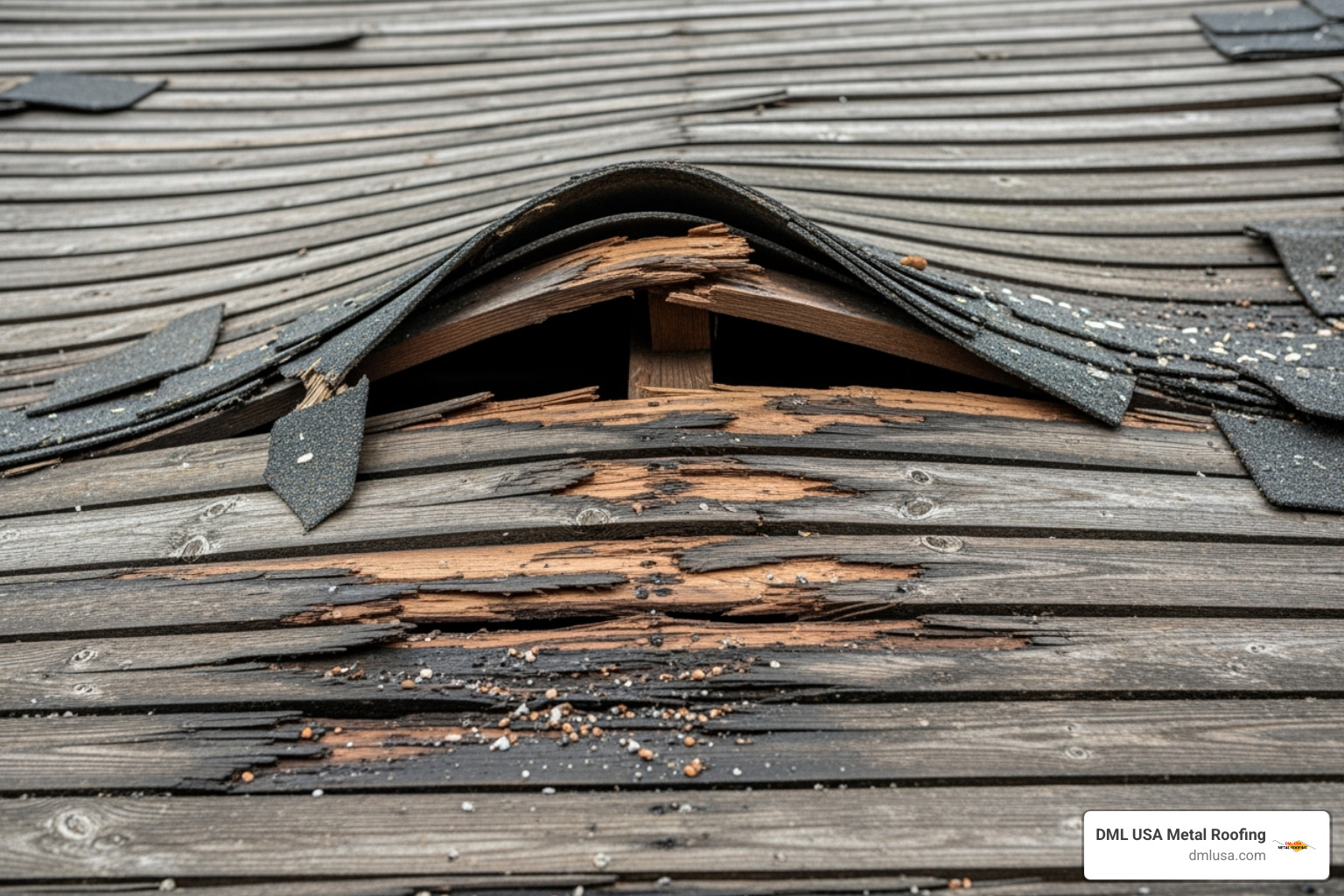
Look, I get it. The idea of saving money and skipping the messy tear-off sounds fantastic. But after years of helping Illinois homeowners with their roofing decisions, I’ve seen what happens when shortcuts go wrong. While can you put metal roof directly on top of shingles has a technical “yes” answer, the real question is whether you should risk your home’s future for short-term savings.
The truth is, what you can’t see under those existing shingles can hurt you. Hidden damage lurks beneath seemingly decent-looking roofs, and the long-term consequences of ignoring these issues can be devastating. We’re talking about structural stress, moisture issues, and problems that compound over time until they become major disasters.
Hidden Structural Dangers: Decking and Weight
Here’s the scary part about roof-overs: you’re essentially flying blind. When we install a metal roof over existing shingles, we can’t inspect what’s happening with the roof decking underneath. That wooden foundation needs to be solid, but roof decking rot is surprisingly common, especially in older homes or areas that have experienced ice dams or storm damage.
Think about it this way – if your floor joists were rotting, you wouldn’t just lay new flooring over them and hope for the best, right? The same logic applies to your roof. A compromised foundation will eventually fail, and when it does, you’ll be dealing with a much bigger problem than just replacing some shingles.
Even if your decking is sound, there’s still the issue of added weight of new materials. While metal roofing is lightweight compared to other materials, combining it with existing shingles creates additional load on your roof structure. In severe cases, this can lead to buckling trusses, especially when you factor in snow load considerations here in Illinois where we can get hit with heavy winter storms.
Trapped Moisture and Future Leak Nightmares
Now let’s talk about one of the most insidious problems with roof-overs: moisture. When you install a metal roof over shingles, you’re creating a perfect environment for condensation between layers. This trapped moisture becomes a breeding ground for mold and mildew growth, which isn’t just gross – it’s a serious health hazard for your family.
But wait, there’s more bad news. As your new metal roof expands and contracts with temperature changes (which is normal), it can cause shingle abrasion on metal panels. Those rough asphalt granules act like sandpaper, gradually wearing away the protective coatings on your beautiful new metal roof.
The real nightmare comes when you develop a leak. Difficult leak detection becomes your new reality because water can travel between the two roof layers before showing up inside your home. What looks like a small leak in your ceiling might actually be coming from a completely different area of the roof. Uneven surfaces causing panel stress from old, curling shingles make this problem even worse by creating gaps where water can hide and cause damage.
Voided Warranties and Code Violations
Here’s where things get expensive fast. Most manufacturer warranty requirements are very specific about proper installation methods. If you don’t follow these guidelines to the letter, you could void your warranty entirely. That means if something goes wrong with your new metal roof – even if it’s a manufacturing defect – you’re on your own financially.
Workmanship guarantees from your installer can also be affected. Many professional roofers won’t offer the same level of guarantee on a roof-over installation because they know the risks involved.
Don’t forget about local building code restrictions either. Most areas follow the two-roof-layer limit rule, which means if you already have multiple layers of shingles, adding a metal roof could put you in violation. Local building code restrictions vary by municipality, but violations can result in fines, forced removal of your new roof, and serious insurance complications if you ever need to file a claim.
The bottom line? These risks aren’t just theoretical – they’re real problems that can cost you far more than the money you thought you’d save by skipping the tear-off.
So, can you put metal roof directly on top of shingles? A Pre-Installation Checklist
Now that we’ve explored both the potential benefits and serious risks, let’s get practical. If you’re still considering whether can you put metal roof directly on top of shingles might work for your specific situation, you need a systematic approach to determine feasibility.
Think of this as your roadmap to making an informed decision. These actionable steps will help you assess whether a roof-over is even possible for your home, and more importantly, whether it’s the smart choice. Just because you can do something doesn’t always mean you should – and that’s especially true when it comes to your roof.
A professional inspection remains our strongest recommendation throughout this entire process. Your roof protects everything you value most, so it’s worth getting expert eyes on it before making any major decisions.
Step 1: When can you put metal roof directly on top of shingles? Assess Your Existing Roof
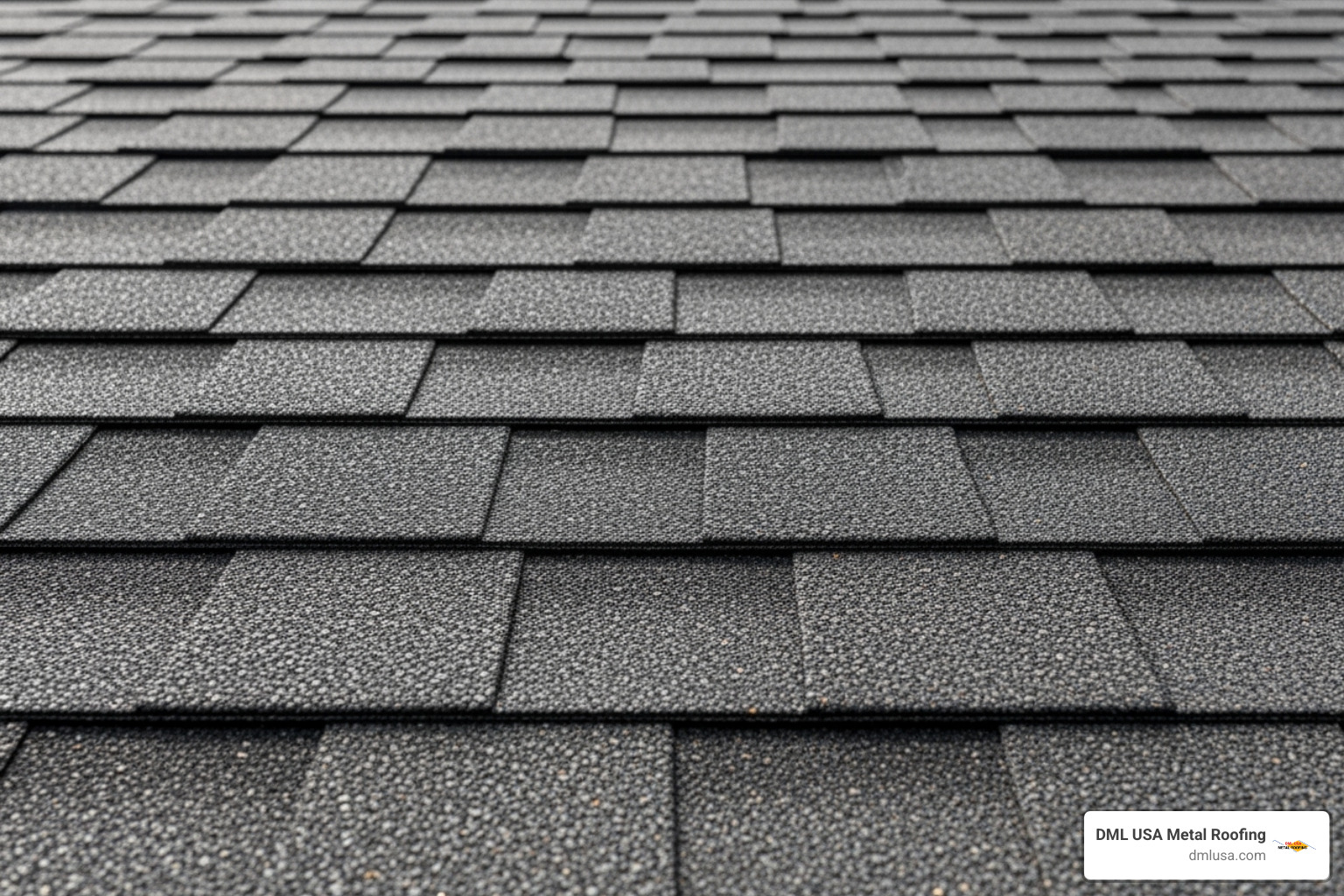
Your existing roof is like the foundation of a house – it needs to be solid before you build on top of it. This assessment isn’t something you should tackle from the ground with binoculars. A proper evaluation requires getting up close and personal with your roof’s condition.
The first thing to check is whether you have a single layer of shingles. Most building codes in Illinois and across the country allow a maximum of two roofing layers. If you already have multiple layers of shingles up there, you’re out of luck – the roof-over option is off the table entirely.
Next, examine the shingles themselves for curling, cupping, or severe damage. Picture trying to lay a beautiful new metal panel over a bunch of potato chips – that’s essentially what happens when you install over badly deteriorated shingles. The result is an uneven surface that can cause your new metal roof to develop that unsightly “oil canning” effect (think of how a tin can looks when it’s been dented and pushed back out).
Widespread granule loss is another red flag. While some granule loss is normal as shingles age, if your gutters are full of granules or you can see the underlying mat through the shingles, they’re too far gone to serve as a stable base.
The most critical check is for soft spots on the roof deck. Walk carefully on your roof (or have a professional do this) and feel for any spongy, bouncy, or soft areas. These indicate water damage and rot in the wooden decking underneath. Installing a new roof over compromised decking is like building a house on quicksand – it’s going to end badly, and probably sooner than you think.
Step 2: Verify Local Building Codes and Permits
Here’s where many homeowners get tripped up, and it can be an expensive mistake. Before you get excited about saving money on a roof-over, you need to make sure it’s actually legal in your area.
The two-layer rule varies by municipality, but it’s typically strict. Some areas allow two layers total, others only one. You’ll need to contact your local building department to get the definitive answer for your specific location. Don’t assume – building codes can vary significantly even between neighboring towns.
Permit requirements are another non-negotiable step. Most roofing projects require permits, and roof-overs are no exception. Yes, it’s an extra step and some additional cost, but permits ensure your project meets safety standards and keeps your insurance coverage intact. Skipping permits might save you a few hundred dollars upfront, but it can cost you thousands if something goes wrong later.
Homeowner responsibility doesn’t end when you hire a contractor. While we guide our clients through this process, you’re ultimately responsible for ensuring all codes and permit requirements are met. It’s your home and your liability on the line.
Step 3: How can you put metal roof directly on top of shingles? Understand the Proper Installation Method
If your roof passes inspection and local codes give you the green light, proper installation becomes absolutely critical. This is where the difference between a successful roof-over and a disaster lies, and it’s definitely not a weekend DIY project.
Synthetic underlayment is essential, even when installing over existing shingles. This high-quality barrier goes between your old shingles and new metal roof, providing extra moisture protection and preventing those rough shingle granules from gradually wearing away at your new metal panels over time.
Furring strips (also called battens) are often the secret to a successful roof-over. These wooden or metal strips create a level, even surface for your metal panels while also establishing a crucial ventilation gap. Think of them as the foundation that makes everything else work properly.
Creating a ventilation gap might sound technical, but it’s actually pretty straightforward. This air space allows continuous airflow between your old and new roof, preventing moisture buildup and helping regulate temperatures. This “Above Sheathing Ventilation” system can actually improve your home’s energy efficiency by reflecting heat and reducing your cooling costs.
Ensuring a level surface is what separates professional installations from amateur attempts. The goal is providing the flattest, most even surface possible for your metal panels. Any unevenness can lead to aesthetic problems and potentially compromise the integrity of fasteners and seams over time.
When considering can you put metal roof directly on top of shingles, the type of metal panel you choose matters significantly. Standing seam panels with their concealed fasteners and interlocking design are generally better suited for roof-over installations. They can better accommodate minor surface irregularities compared to exposed fastener panels, which rely on visible screws and can be more problematic when dealing with uneven surfaces.
For more insight into why metal roofing is such a smart choice for your home, check out Why Choose Metal Roofing.
Frequently Asked Questions about Metal Roof-Overs
As a metal roofing manufacturer in Illinois, we field countless questions from homeowners wondering can you put metal roof directly on top of shingles. These three questions come up in nearly every consultation, so let’s address them head-on.
How much weight does a metal roof-over add to my home?
Here’s some good news: metal roofing is incredibly lightweight, typically weighing less than one pound per square foot. Compare that to asphalt shingles, which can weigh three to four times more! However, when you’re considering whether can you put metal roof directly on top of shingles, you need to think about the combined weight of both layers together.
The math is straightforward – you’re adding the metal roof’s weight on top of your existing shingles. While metal itself is light, your home’s structure needs to handle this total load safely. This becomes especially important here in Illinois, where heavy snow loads can add significant additional weight during winter months.
This is exactly why we always recommend a professional structural assessment before any roof-over project. We want to make absolutely certain your home can handle the combined load without compromising safety. It’s not just about today – it’s about ensuring your roof performs beautifully for decades to come.
Does a metal roof over shingles make my house louder in the rain?
Ah, the “tin roof” myth! I get it – many people picture a metal roof sounding like a drum during a thunderstorm. But here’s what actually happens with modern metal roofing systems.
When properly installed, metal roofs are designed with sound dampening in mind. The existing shingle layer actually works in your favor here, acting as an additional insulation layer that helps muffle sound. Add in quality underlayment and your home’s attic space, and you’ll find that rain sounds are typically no louder than with traditional shingles.
Our DML USA metal roofing products are engineered with modern acoustics principles. We’ve come a long way from the old barn roof days! Most of our customers are pleasantly surprised by how quiet their new metal roof is, even during heavy downpours.
Will a metal roof over shingles affect my home’s energy efficiency?
This is where metal roofing really shines – literally! Metal roofs have excellent reflective properties that make them true cool roofing systems. Instead of absorbing heat like dark asphalt shingles, metal reflects sunlight away from your home.
The energy savings can be substantial – many homeowners see cooling cost reductions of up to 40% during hot summer months. When you install metal over existing shingles and create a proper ventilation air gap using furring strips, you’re essentially building a highly efficient thermal barrier system.
That air gap is crucial. It allows continuous airflow that prevents trapped heat and moisture buildup between the layers. Without proper ventilation, you could actually reduce efficiency and create moisture problems. But when done correctly, this system can significantly boost your home’s energy performance while potentially qualifying you for energy tax credits.
The bottom line? A properly installed metal roof-over can make your home more comfortable while reducing your energy bills year-round.
Conclusion: The Final Verdict on Metal-Over-Shingle Installations
After walking through all the benefits, risks, and requirements, let’s get to the heart of the matter: can you put metal roof directly on top of shingles? Yes, it’s technically possible under the right circumstances, but here’s the reality check – it’s rarely the best choice for your home’s long-term health and your peace of mind.
Think of it this way: would you buy a beautiful new car and park it on a crumbling driveway? That’s essentially what you’re doing when you install a premium metal roof over questionable shingles. You might save money upfront, but you could be setting yourself up for headaches down the road.
The safest investment is almost always a complete tear-off down to the decking. Yes, it costs more initially, but it’s like getting a clean slate. Our team can inspect every inch of your roof’s foundation, fix any hidden problems, and give your new metal roof the solid base it deserves. When you’re investing in a roofing system that can last 40-70 years, doesn’t it make sense to do it right the first time?
Long-term value beats short-term savings every time. A properly installed metal roof on a sound foundation will protect your home for decades with minimal maintenance. Compare that to the potential nightmare of trapped moisture, hidden rot, or warranty issues from a rushed roof-over installation.
We want you to make an informed decision that you’ll be happy with for years to come. If your existing shingles are in excellent condition, your local codes allow it, and a professional inspection gives you the green light, a roof-over might work. But in most cases, the tear-off approach gives you the best return on your investment.
The importance of proper installation cannot be overstated, regardless of which route you choose. At DML USA Metal Roofing, we’ve built our reputation on manufacturing products that stand the test of time – but even the best materials need a solid foundation and expert installation to perform their best.
Our Illinois-made metal roofing products are designed for durability, energy efficiency, and low maintenance. They’re built to resist fire, wind, and impact damage while helping you save on energy costs. When you’re ready to protect your home with a roofing system that’s truly built to last, we’re here to help you every step of the way.
Ready to explore your options? Explore our durable metal roofing products and find why so many homeowners choose DML USA Metal Roofing for their long-term roofing solution.
