 Skip to main content

What gauge metal are used on most residential home roofs: Best 24!
Understanding Metal Roofing Gauge: The Foundation of Your Home’s Protection
What gauge metal are used on most residential home roofs is a crucial question for homeowners considering this durable roofing option. Here’s the quick answer:
Most Common Residential Metal Roof Gauges:
- 24-gauge and 26-gauge steel are the most widely used for residential roofing
- 26-gauge offers the best balance of cost and durability for most homes
- 24-gauge provides premium protection for harsh weather areas
- 29-gauge is used for budget projects in mild climates
Metal roofing has become increasingly popular among homeowners seeking long-lasting, low-maintenance solutions. With lifespans of 40-70 years compared to traditional asphalt shingles’ 12-20 years, metal roofs offer exceptional value. However, the thickness of your metal roofing – measured in gauge – directly impacts its durability, weather resistance, and long-term performance.
The gauge system uses an inverse numbering system where lower numbers mean thicker, stronger metal. This can be confusing at first, but understanding these numbers is essential for making the right choice for your home’s protection and your budget.
I’m Adam Kadziola, and after founding DML USA Metal Roofing in 2007, I’ve helped thousands of homeowners understand what gauge metal are used on most residential home roofs and select the perfect thickness for their specific needs. My experience manufacturing high-quality metal roofing has shown me that choosing the right gauge is one of the most important decisions you’ll make for your roof’s long-term success.
Important what gauge metal are used on most residential home roofs terms:
What is a Metal Roofing Gauge?
The term “gauge” in metal roofing refers to the thickness of the metal sheets. This detail is crucial as it directly affects your roof’s strength, lifespan, and ability to withstand weather. Simply put: thicker metal means a tougher roof.
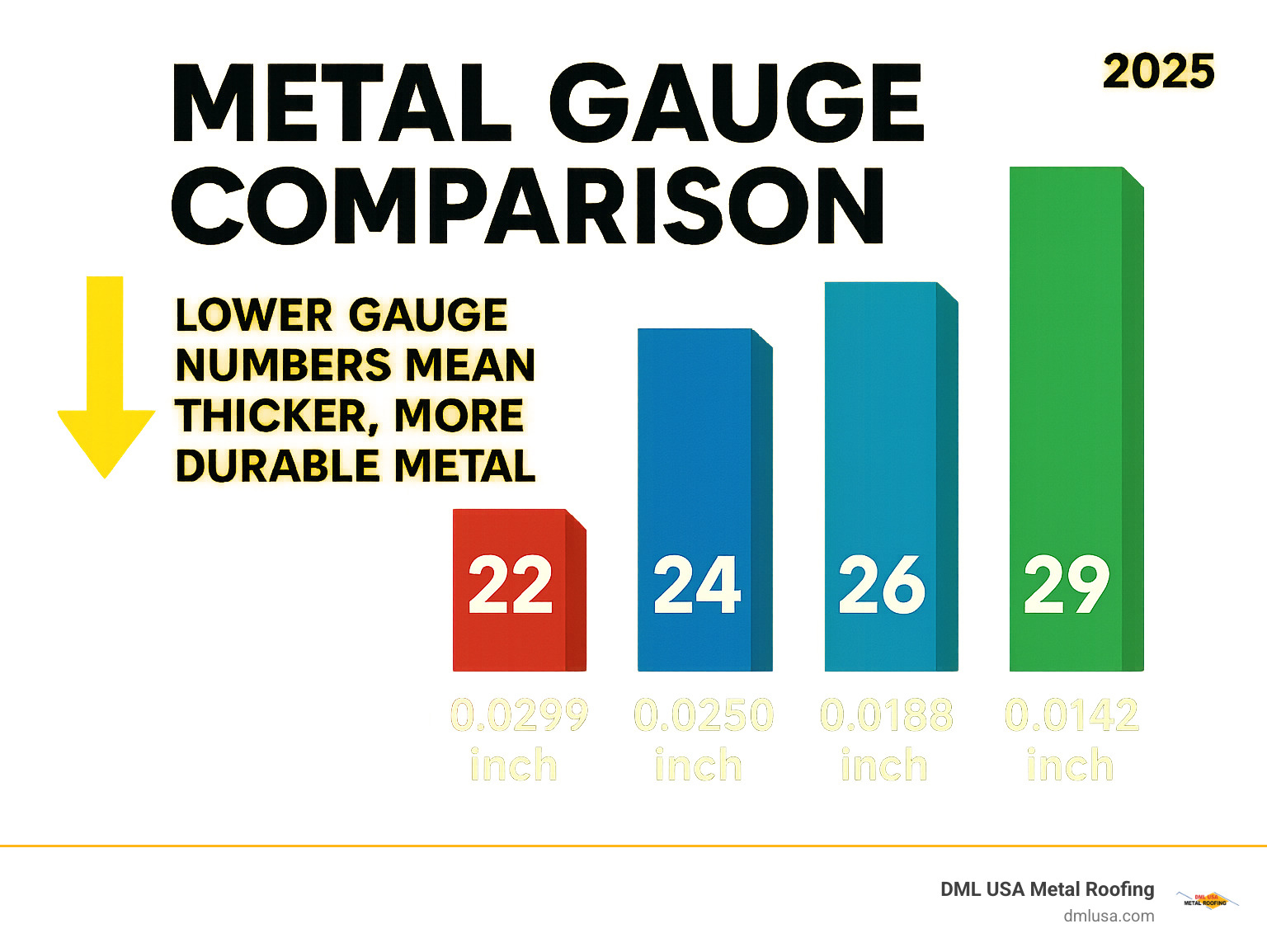
The metal gauge numbering system is inverse: a lower number means thicker, stronger metal, while a higher number means thinner metal. For example, a 24-gauge panel is thicker and more robust than a 26-gauge panel, and a 29-gauge panel is thinner still. The smaller the number, the more strength it carries.
This thickness is the bedrock of your roof’s structural integrity, providing durability and resistance to wind, snow, and hail. Choosing the right gauge ensures a resilient, long-lasting roof system. To learn more about the benefits of metal roofing, check out Why Choose Metal Roofing.
The Science Behind the Numbers
The gauge system has historical roots from the Industrial Revolution, where it related to the manufacturing process. While methods are now more precise, the inverse relationship—lower number equals thicker metal—remains.
Today, for steel (the most common residential roofing metal), gauge is a standard thickness measurement. Here’s how the numbers translate into inches and millimeters:
- A 22-gauge metal roof is about 0.0299 inches (or 0.76 mm) thick.
- A 24-gauge metal roof is approximately 0.0250 inches (or 0.60 mm) thick.
- A 26-gauge metal roof is around 0.0188 inches (or 0.48 mm) thick.
- A 29-gauge metal roof measures about 0.0142 inches (or 0.36 mm) thick.
While the differences seem small, they have a huge impact on performance. For example, 24-gauge metal is about 27.8% thicker than 26-gauge metal. This extra thickness and weight (a 24-gauge panel weighs about 30% more per square foot than a 26-gauge panel) directly translate into more strength, rigidity, and resistance to bending and denting.
Why Gauge Matters for Your Home’s Protection
Picking the right metal gauge is a smart, informed decision that impacts your roof’s long-term performance, lifespan, and your home’s protection. The gauge affects how your roof stands up to local weather, resists wear and tear, and maintains its appearance over many years.
While a thicker gauge may have a higher upfront cost, consider the long-term value. A more durable roof means less maintenance, fewer headaches, and a much longer lifespan, saving you money and worry. Think of it as an investment in your home’s future. At DML USA Metal Roofing, we are committed to providing materials for the strongest, most durable, and maintenance-free foundation for your roof. For more details on our high-quality materials, explore More info about our roofing materials.
A Closer Look at Common Gauges: What Metal is Used on Most Residential Home Roofs?
Alright, let’s get down to the nitty-gritty of what gauge metal are used on most residential home roofs. When you’re talking residential, you’ll find the spotlight often shines brightest on 24-gauge and 26-gauge steel. These two hit a sweet spot, balancing durability with cost and meeting the needs of most homes beautifully. But to truly understand your options, it helps to see the whole picture.
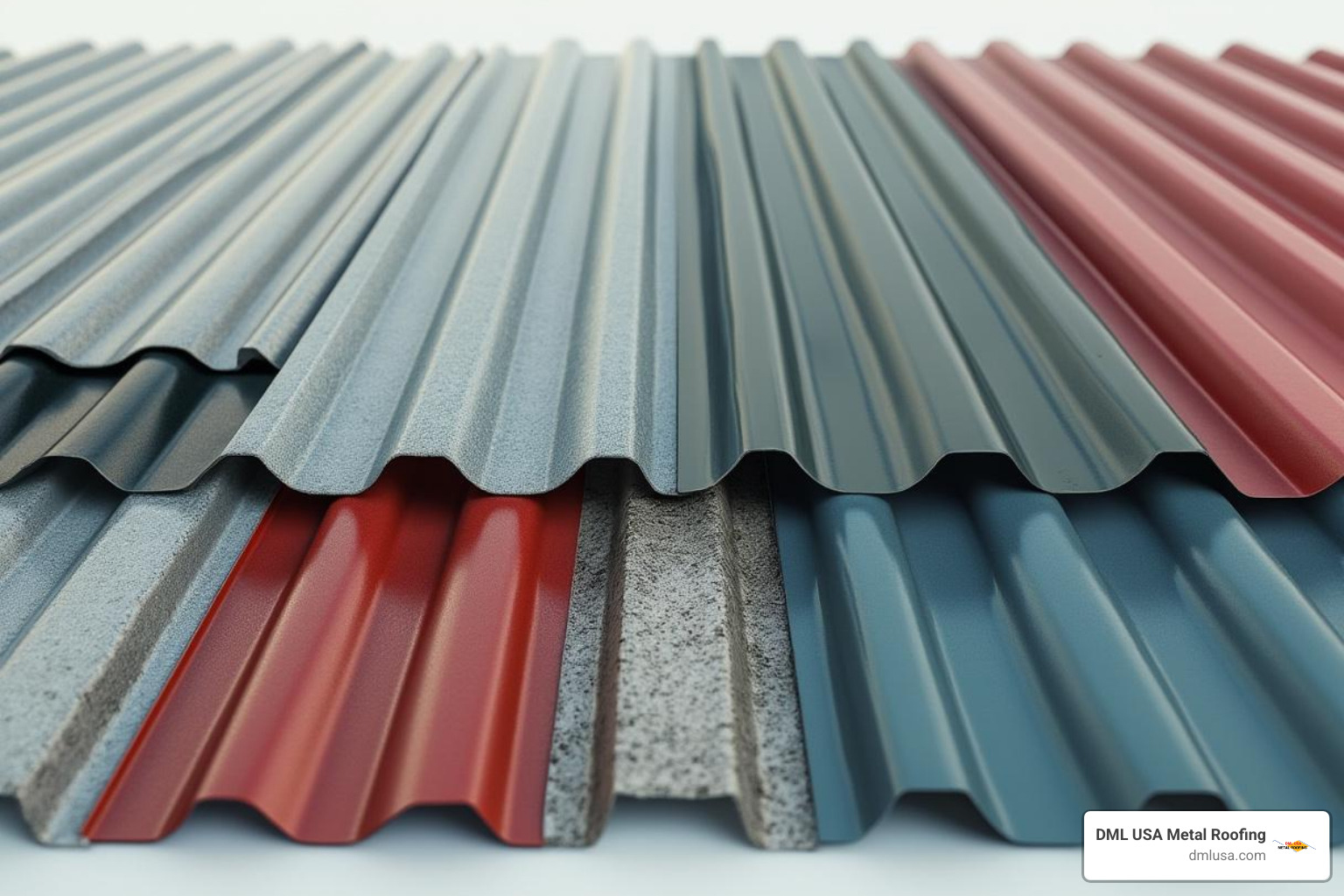
Here’s a quick side-by-side look at the most common residential metal roofing gauges:
| Gauge | Thickness (in) | Weight (lbs/sq ft) | Common Use | Relative Cost |
|---|---|---|---|---|
| 22 | 0.0299 | ~1.15 – 1.3 | Extreme weather, Commercial, Industrial | Highest |
| 24 | 0.0250 | 1.0 – 1.156 | Premium Residential, Commercial, High-end | High |
| 26 | 0.0188 | 0.75 – 0.9063 | Standard Residential, Light Commercial | Medium |
| 29 | 0.0142 | ~0.6 – 0.7 | Economical Residential, Agricultural, Sheds | Lowest |
22-Gauge and 24-Gauge: The Heavy-Duty Options
When you want your roof to stand tall against anything Mother Nature throws its way, 22-gauge and 24-gauge steel are your best friends. They offer maximum strength and durability, giving you that extra peace of mind.
The 24-gauge is often seen as the gold standard for premium residential roofing. It strikes a fantastic balance between being super strong and still affordable. For high-end homes or those in areas with tough weather, it’s definitely the top recommendation. Its sturdy nature makes it perfect for standing seam metal roofs, where panels interlock tightly and handle expansion without a fuss. We often suggest 24-gauge because it’s fantastic at resisting high winds, heavy snow, and even hail. It’s a truly robust choice that ensures your home is well-protected.
Now, 22-gauge is the thickest of the commonly used options. You’ll usually find this one on commercial or industrial buildings, or in places with truly extreme weather. While it’s not as common for a typical home, if you live in a hurricane zone or an area where wind uplift is a major concern, 22-gauge might be worth considering. It offers uncompromising strength.
Both 22-gauge and 24-gauge give you commercial-grade performance. This means superior strength and durability for your roof, leading to fewer repairs and a much longer life. Yes, they cost a bit more upfront, but for homes in challenging environments, they’re truly a smart investment.
26-Gauge: The All-Around Performer
Meet the 26-gauge metal roofing panel – the true workhorse of residential metal roofing! It finds that sweet spot between durability and cost, making it incredibly popular with homeowners all over the country. In fact, for many homes, 26-gauge is considered the go-to standard.
So, why is it such a hit? It offers plenty of strength and rigidity for most climates. This means good resistance against dents from small impacts, and it holds up well against moderate winds and snow. Plus, it’s a bit lighter than 24-gauge, which can sometimes make installation a little easier and potentially save on labor costs. While it might not be quite as tough as 24-gauge in a hurricane, for most homes in varied climates, 26-gauge provides reliable protection and a fantastic return on your investment. You’ll also find it widely available in a huge range of colors and finishes, giving you tons of style options without emptying your wallet.
29-Gauge: The Economical Choice
Finally, let’s chat about the 29-gauge. This is the thinnest common metal roofing option, and yep, you guessed it – it’s also the most affordable. Its lighter weight makes it super easy to handle and install, which can definitely help keep your overall project costs down.
However, with affordability come a few trade-offs. 29-gauge metal is best suited for milder climates where you don’t typically see extreme weather like heavy snow, big hail, or super high winds. You’ll often spot it on agricultural buildings, sheds, carports, or as an accent roof where the demands aren’t as high. While it can be used on homes, especially with a solid roof deck, it’s more prone to damage like denting and that wavy look called “oil canning” (we’ll dive into that later!). If budget is your absolute top priority and your home is in a very gentle climate, 29-gauge might be an option. But for long-term residential peace of mind, we usually recommend a thicker gauge.
How to Choose the Right Metal Gauge for Your Home
Choosing the right metal gauge for your home isn’t a one-size-fits-all decision. It’s about weighing key factors to ensure your roof is a smart, lasting investment. We’re here to help you find the sweet spot between your budget and the top-notch performance your home deserves.
Factor 1: Your Local Climate and Weather
Your local climate is arguably the most important factor when deciding what gauge metal are used on most residential home roofs in your area. It dictates the kind of stress your roof will face year-round.
Do you live where you get heavy snow loads? If so, a thicker gauge like 24-gauge or even 22-gauge is a really smart move. These thicker gauges offer fantastic strength to handle the sheer weight of piled-up snow, helping to prevent any bending or long-term fatigue.
What about high wind speeds? For homes in coastal areas, tornado-prone regions, or just places that get a lot of strong gusts, a lower gauge (meaning thicker metal!) is absolutely vital. Thicker panels are much more rigid and less likely to lift off in a powerful storm, ensuring your roof stays right where it belongs.
Regarding hail impact resistance, hailstorms can be brutal. While no roof is completely hail-proof, thicker gauges (24-gauge and 22-gauge) offer significantly better resistance to denting and puncturing than thinner options like 26-gauge or 29-gauge. For homes in harsher climates, investing in a thicker gauge pays off in durability and a lower risk of damage. If your climate is milder, a 26-gauge can provide excellent protection without overspending.
Factor 2: Aesthetics and ‘Oil Canning’
“Oil canning” is a common term in metal roofing that refers to a perceived waviness in the flat parts of metal panels. It’s a visual characteristic, not a structural problem, and is more noticeable on thinner, flatter panels.
So, how does gauge play into oil canning? Well, thicker metal (that’s the lower gauge number, remember?) is naturally more rigid. This means it’s much less likely to show those subtle waves that cause oil canning. For example, a 24-gauge panel will generally look much smoother than a 26-gauge, and a 29-gauge is the most prone to showing it. The panel’s design matters too; standing seam panels with wider, flatter sections tend to show oil canning more than corrugated or ribbed panels. While it’s just a characteristic of light-gauge, cold-rolled metal, choosing a thicker gauge is a great way to minimize its appearance and ensure your roof looks sleek and uniform.
Factor 3: Budget and Long-Term Value
Cost is always a consideration. While metal roofing is a significant upfront investment, it offers incredible long-term value. For maximum cost-effectiveness, it’s important to look beyond the initial price tag.
Let’s talk upfront cost. Generally, thicker gauges do cost a bit more per square foot. For instance, 24-gauge metal roofing materials might run you around $1 to $5 per square foot, while 26-gauge could be closer to $0.75 to $1.50. The jump from 29-gauge to 26-gauge often isn’t huge (maybe $500-$1,000 for a typical roof), making that slight upgrade to 26-gauge a very smart choice for most homes. And the difference between 26-gauge and 24-gauge is also relatively small (around $1,000-$1,500 for an average roof), which often makes 24-gauge a worthwhile investment for that extra durability.
Now, consider lifespan and maintenance. Thicker gauges, thanks to their superior durability, tend to last much, much longer and need way less maintenance over the years. This means fewer repair bills and less hassle down the road for you! A roof that can last 50+ years with minimal fuss? That’s a fantastic long-term investment.
And don’t forget energy efficiency! While gauge thickness itself doesn’t directly make your roof more energy-efficient, a tough metal roof can support amazing reflective coatings. These “cool roofs” can seriously slash your energy bills – we’re talking up to 40% in summer cooling costs and 15% in winter heating costs! Want to learn more about how these cool roofs can benefit your wallet and the planet? Check out Energy-efficient cool roofs. So, while going with a thinner gauge might save you a few bucks initially, it could actually lead to higher costs down the line due to more frequent repairs or even needing to replace it sooner. A thicker gauge often means better longevity and protection, making it the more economical choice over the decades.
Factor 4: What gauge metal are used on most residential home roofs for different structures?
The kind of structure you have and how your roof is supported also plays a big role in picking the right gauge.
Here are our top recommendations for what gauge metal are used on most residential home roofs based on your specific structure:
For residential homes with decking, meaning you have a solid plywood or OSB roof deck underneath the metal, both 26-gauge and 24-gauge are excellent choices. The decking provides plenty of support, so the metal panel’s main job is to keep the weather out and look beautiful.
If you have open-frame structures like barns, carports, or sheds, where the metal panels need to span between trusses or purlins without solid sheathing underneath, then a thicker gauge becomes absolutely critical. In these situations, you’ll often need 24-gauge or even 22-gauge to give you enough structural integrity and prevent sagging or damage from snow loads or even just walking on it. While 29-gauge is sometimes used for agricultural buildings, for any spans over 4 feet, we strongly recommend 26-gauge or thicker.
And finally, for low-slope vs. steep-slope roofs: While the roof’s pitch doesn’t directly tell you which gauge to pick, low-slope roofs (especially those with standing seam systems) might really benefit from thicker gauges. This helps maintain the panel’s flatness and prevent oil canning, as any visual imperfections can be more noticeable on flatter roofs.
Choosing the right gauge for your unique structure ensures your roof performs perfectly and helps you avoid costly headaches later on. For even more helpful tips on metal roofing for all sorts of projects, why not Read our Blog for more tips?
Frequently Asked Questions about Metal Roof Gauges
We get a lot of questions about metal roofing gauges, and for good reason! It’s a fundamental part of choosing the right roof, with big implications for your home’s protection and your peace of mind. Let’s tackle some of the most common inquiries we hear.
Is a 29-gauge metal roof too thin for a house?
This is a very common question, and the answer is: it depends! It’s not a simple yes or no, because a lot rides on your specific situation.
- For milder climates: If your home is nestled in an area with very gentle weather – think minimal snow, no heavy hail, and just moderate winds – and your metal roof is installed over a solid roof deck (like plywood or OSB), then a 29-gauge can be sufficient. Its lower cost makes it an attractive option for budget-conscious homeowners in these very specific, calm conditions.
- For harsher climates: However, if you live where Mother Nature really shows her strength – a region prone to heavy snow loads, strong winds (we’re talking anything over 85 mph), or frequent hail, then a 29-gauge roof is generally not recommended. It’s simply more vulnerable to denting, bending, and potential blow-offs when faced with extreme weather. In these scenarios, a 26-gauge or, even better, a 24-gauge, offers significantly more protection and true peace of mind. At DML USA Metal Roofing, we’re all about providing high-quality, durable roofing with high resistance to fire, wind, and impact. That’s why we often steer homeowners towards thicker gauges for improved long-term performance and robust protection.
So, while 29-gauge has its place for certain applications (like sheds or agricultural buildings in mild areas), for most residential homes seeking long-term durability and protection against varied weather, a 26-gauge or 24-gauge offers a much more robust and reliable solution.
Can you walk on a metal roof?
Yes, you can generally walk on a metal roof, but this comes with some very important “ifs” and “buts” that depend heavily on the gauge!
- Thicker gauges like 24-gauge and 26-gauge are much more forgiving when it comes to foot traffic. Their increased rigidity means they’re less likely to dent or deform under your weight. They’re built to handle a bit more action!
- Thinner gauges, especially 29-gauge, are far more susceptible to denting. While you can walk on them, it’s really best to avoid it unless absolutely necessary. If you must, proceed with extreme caution. We’ve heard stories that a 200 lb. person could easily crush a rib on a 29-gauge panel if they step directly on it. Ouch!
Regardless of the gauge, the golden rule is always to step directly on the support beams, purlins, or the raised ribs of the panels. This is where the metal is strongest and best equipped to handle your weight, helping to distribute the load and minimize any risk of causing dents or damage. And, of course, proper safety precautions are non-negotiable! Always wear appropriate footwear, use fall protection, and be acutely aware of your roof’s pitch. Safety first, always!
Does a thicker gauge metal roof increase my home’s value?
Absolutely, a thicker gauge metal roof can significantly increase your home’s resale value! Here’s why that’s such a smart investment:
A durable, long-lasting roof is a massive selling point for any prospective homebuyer. When we talk about what gauge metal are used on most residential home roofs that truly add value, we’re discussing an investment that screams quality and delivers immense peace of mind. A metal roof itself is already a fantastic asset, celebrated for its incredible longevity (we’re talking 30-50+ years!), low maintenance needs, and impressive energy efficiency.
When you choose to go with a thicker gauge, like 24-gauge or even 22-gauge, you’re signaling an even higher level of quality and superior protection. This is particularly appealing to buyers in areas prone to harsh weather conditions, as it clearly demonstrates the home’s resilience and significantly reduces any future roofing worries they might have. It shows that the previous homeowner invested in top-tier materials, which can translate into a higher perceived value and a much stronger selling position. Think of it as a valuable, “hidden upgrade” that speaks volumes about your home’s overall integrity and durability.
Conclusion
Wow, we’ve journeyed quite a bit today, haven’t we? We’ve digd deep into the fascinating world of metal roofing gauges, from understanding that quirky inverse numbering system to exploring the ins and outs of 22, 24, 26, and 29-gauge options. Figuring out what gauge metal are used on most residential home roofs isn’t just about a number; it’s about making a smart, informed choice for your most important asset – your home.
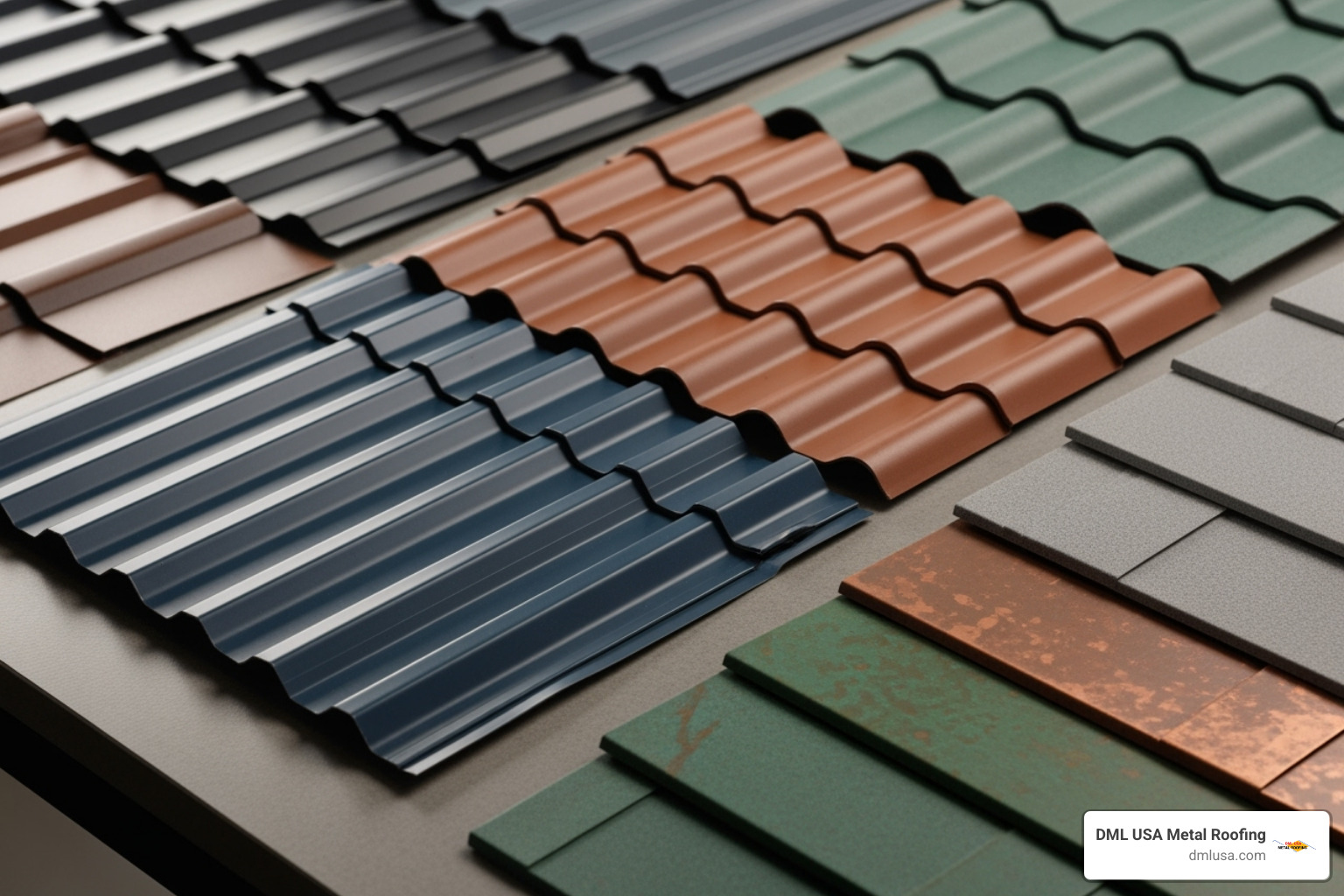
Here’s the big takeaway from all our exploring: there isn’t a magical, one-size-fits-all “best” gauge for every single home out there. Your ideal metal roof will be the result of a thoughtful balancing act. You’ll want to weigh your local climate and its unique weather challenges, how much you care about a perfectly flat aesthetic (and your tolerance for a little oil canning!), your budget, and of course, the specific structural needs of your house or building.
While those thinner gauges can definitely offer a more budget-friendly starting point, especially if you live in a super mild climate or for structures that don’t need heavy-duty protection, it’s generally true that thicker gauges bring more to the table. They consistently deliver superior protection, impressive durability, and a much longer lifespan. For the vast majority of homeowners, putting your money into a 24-gauge or 26-gauge metal roof is a truly wise decision. It’s an investment that pays off handsomely in terms of lasting longer, needing less upkeep, and boosting your property’s value down the road.
Here at DML USA Metal Roofing, located right in Illinois, we pour our hearts into manufacturing metal roofing that’s not just high-quality, but truly durable and blissfully maintenance-free. Our roofing solutions are built to last, offering great energy tax credits and standing strong against fire, wind, and impact. We’re genuinely committed to helping you find the perfect metal roofing solution that will protect your beloved home for many, many decades to come.
Feeling ready to pick the right gauge and give your home the protection it deserves? We’d love for you to take a look! Explore Our Metal Roofing Products and let us help you make the very best choice.
