 Skip to main content
Why a Metal Roof is the Best Upgrade for Your Shed
Looking to replace shed roof with metal? Here’s what you need to know:
Quick Answer for Metal Shed Roof Replacement:
- Lifespan: 40-70 years vs 20-30 years for traditional shingles
- Cost: $100-$300+ per 100 sq ft (materials only)
- Installation: Can be DIY with proper tools and safety gear
- Benefits: Superior weather resistance, fire protection, energy savings
- Best Materials: Galvanized steel (budget-friendly) or aluminum (coastal areas)
If your shed roof is constantly leaking, sagging, or showing signs of wear, you’re not alone. Traditional roofing materials often lead to the frustration of frequent roof repairs and high maintenance costs.
Metal roofing offers a game-changing solution. With a lifespan of 40-70 years, metal roofs can withstand winds over 100 mph, resist fire, and reflect solar heat to keep your shed cooler. Unlike traditional shingles that crack and shrink, metal creates an impermeable barrier against the elements. The reflective surface can even reduce cooling costs by up to 20% while requiring minimal maintenance. Plus, they’re made from recycled materials and are 100% recyclable.
I’m Adam Kadziola from DML USA Metal Roofing, and I’ve been helping Illinois homeowners replace shed roof with metal for over 15 years. Our family-owned company has manufactured high-quality, affordable metal roofing since 2007, giving us deep insight into what makes a metal roof installation successful and long-lasting.
Our metal roofs are designed to be durable and maintenance-free, offering high resistance to fire, wind, and impact. This means less worry for you and more protection for your valuable belongings stored inside. Choosing metal for your shed roof is a smart decision that pays dividends in the long run.
Best Durability and Lifespan
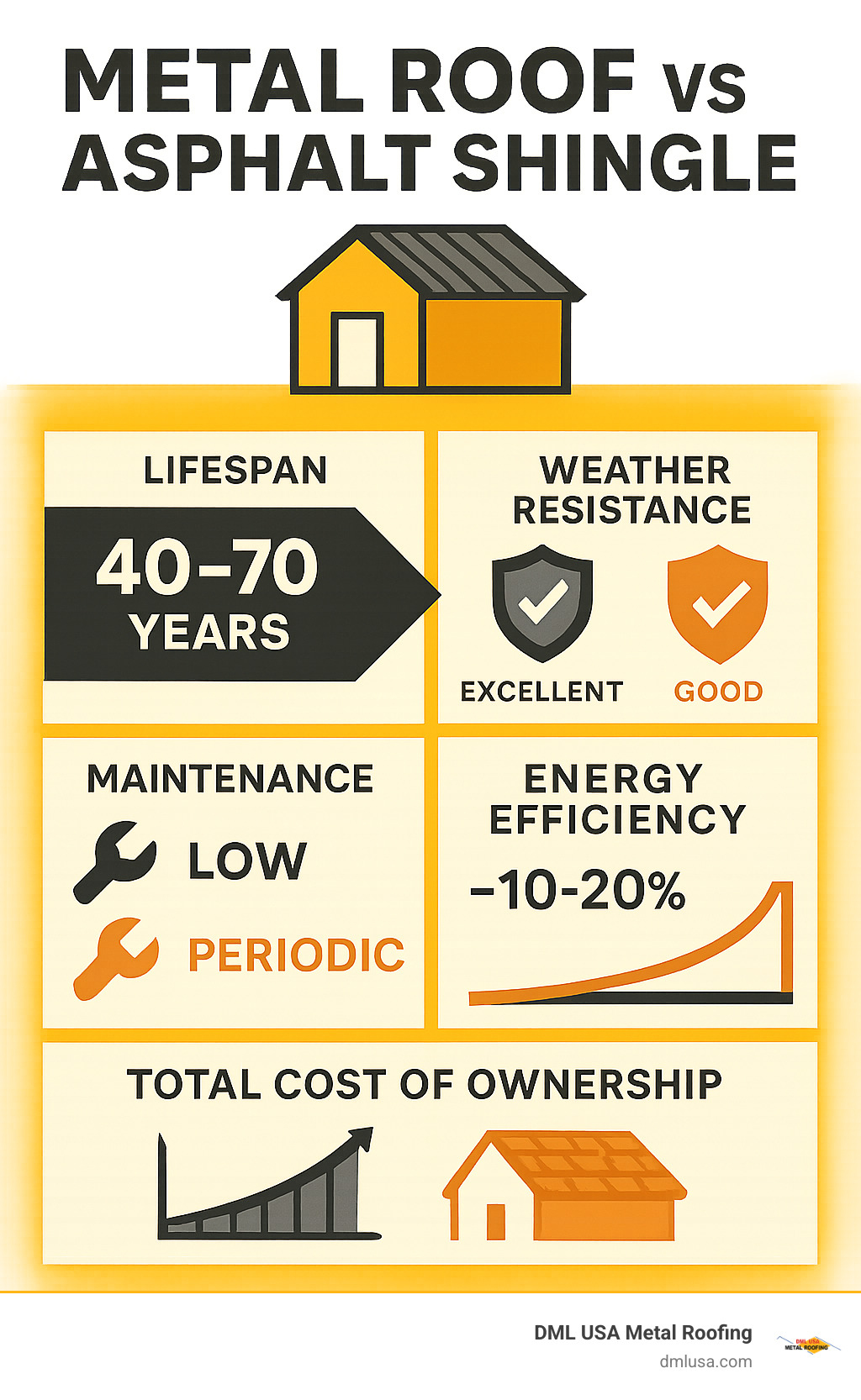
When you replace shed roof with metal, you’re choosing superior durability. While traditional shingles last 20-30 years, a metal roof boasts an impressive lifespan of 40-70 years. This longevity means fewer replacements, saving you time and money.
Metal roofing materials are inherently resilient, designed to resist cracking, shrinking, and erosion. Unlike porous materials, metal is impermeable to water, creating a barrier that protects your shed’s contents from leaks and moisture damage. This also makes metal roofs highly resistant to pests.
Furthermore, metal roofs offer exceptional resistance to extreme weather. They can withstand winds exceeding 100 mph and have excellent hail resistance, often sustaining little to no damage from storms that would devastate other roof types. This durability ensures your shed and its contents remain safe for decades.
Energy Efficiency and Environmental Advantages
Metal roofs offer significant energy efficiency and environmental benefits. Their ability to reflect solar radiant heat helps maintain cooler interior temperatures, which is especially helpful during hot summer months. By deflecting the sun’s rays, a metal roof can reduce heat buildup, potentially lowering cooling costs by up to 20%.
From an environmental perspective, metal roofing is a champion of sustainability. Many metal roofing materials are made from a significant percentage of recycled content (often around 25%). At the end of their long lifespan, metal roofs are 100% recyclable, meaning they won’t end up in landfills. This commitment to sustainability is a core value at DML USA Metal Roofing.
To learn more, explore our detailed guide on the Benefits of Metal Roofing for Sheds. For insights into selecting the perfect material, see our article on Choosing the Right Metal for Your Shed Roof.
Planning Your Metal Shed Roof Replacement
Proper planning is the key to success when you replace shed roof with metal. This phase ensures your project flows smoothly, from choosing materials and tools to understanding the costs.
Choosing the Right Type of Metal Roofing
Selecting the right metal roofing involves considering the panel profile, material, color, and thickness.
-
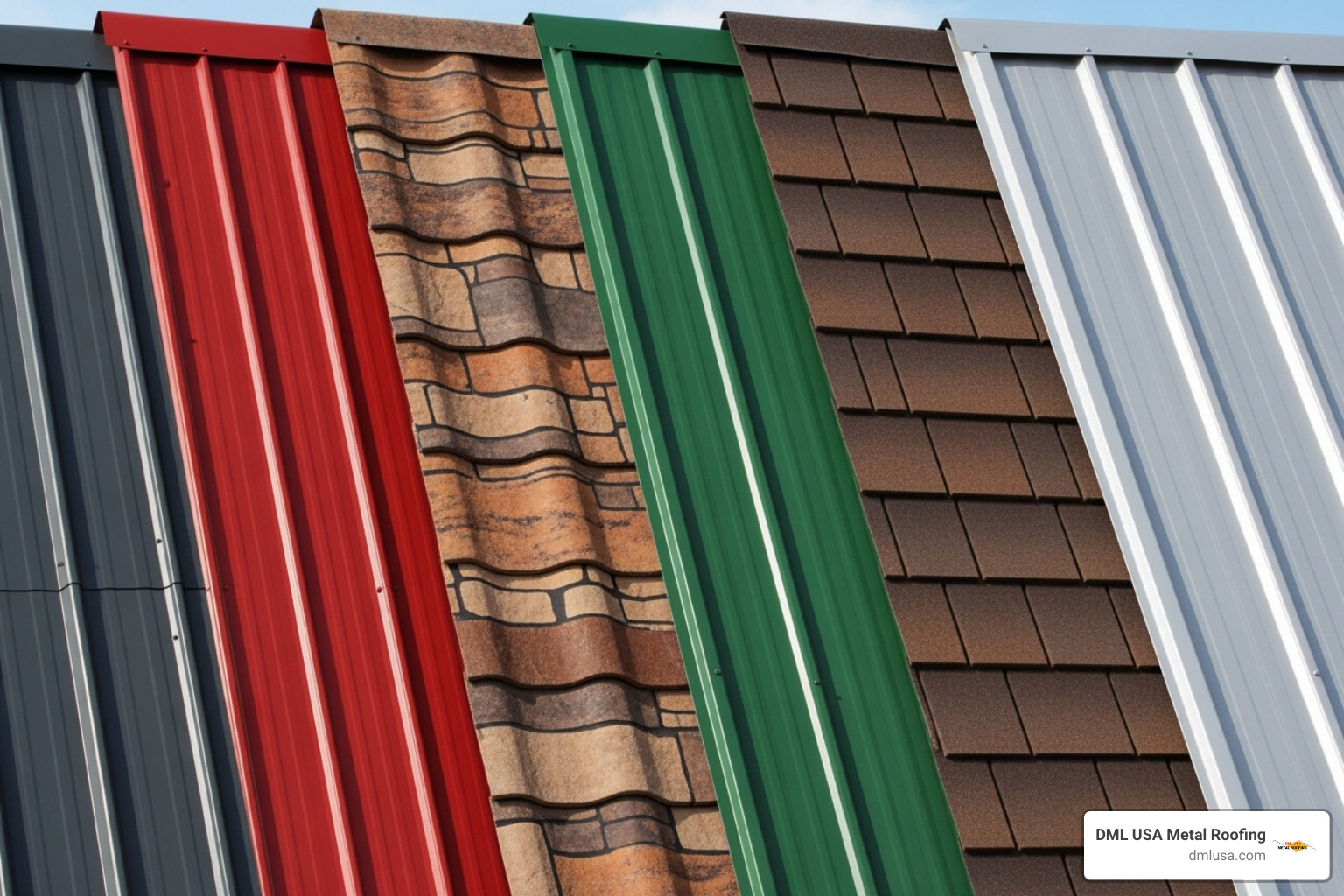
Panel Profiles: Corrugated panels are the classic, budget-friendly choice with a wavy pattern for strength and drainage. Ribbed panels, like our SM-Rib style, offer a more polished, modern look with clean, angular lines. For a premium look, standing seam panels provide sleek sophistication with hidden fasteners for superior weather protection.
-
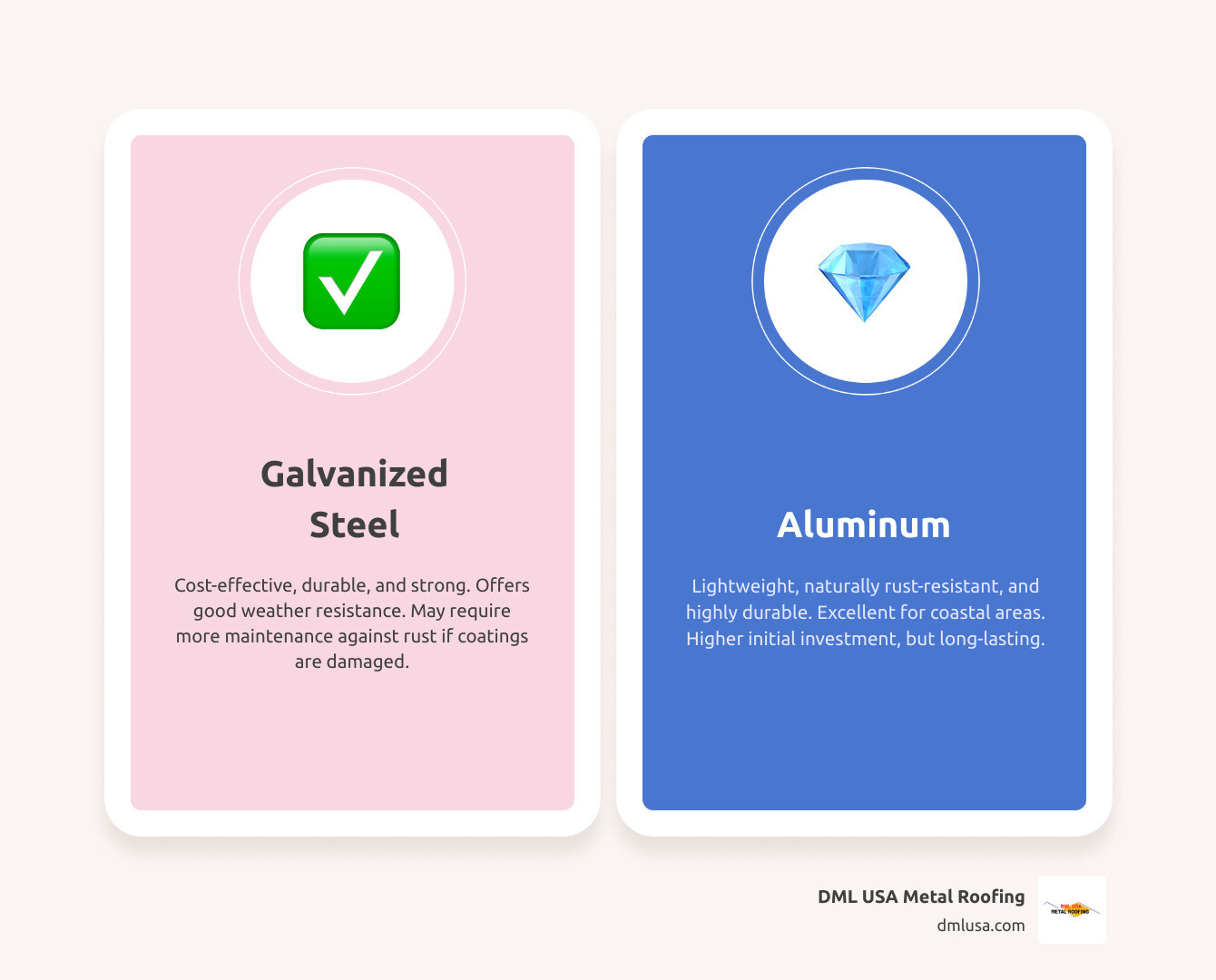
Metal Materials: Galvanized steel is a reliable, affordable workhorse coated with zinc to fight rust. Galvalume adds an aluminum coating for improved corrosion resistance, great for coastal areas. Aluminum is a lightweight champion that never rusts, making it a smart long-term investment, especially near salt spray.
-
Color and Gauge: Metal roofing comes in a wide range of colors to match your home or create a standout look. For gauge (thickness), lower numbers mean stronger metal. A 29- or 26-gauge panel strikes a great balance between strength and cost for most sheds.
For more guidance, check out our detailed guide on Choosing the Right Metal for Your Shed Roof.
Tools and Materials You’ll Need
Having all your tools and materials ready makes the project go smoothly. Here’s a checklist:
- Materials: Metal panels, self-drilling screws with rubber washers (color-matched for a pro look), high-quality synthetic underlayment, sealant/butyl mastic tape, and finishing pieces like ridge caps, eave trim, and gable trim.
- Tools: Metal snips or shears, a cordless drill with adjustable torque, tape measure, chalk line, a sturdy extension ladder, and a utility knife.
- Safety Gear: This is non-negotiable. You’ll need safety gloves, eye protection, and strong boots with good grip. If your shed roof is over 6 feet high, a safety harness is recommended. Always follow safety guidelines like those from OSHA.
Cost Considerations When You Replace a Shed Roof with Metal
Understanding the investment to replace shed roof with metal helps you make the best decision. While metal roofing typically has a higher upfront cost than traditional materials, it pays off in the long run.
Material costs generally range from $100 to over $300 per 100 square feet. Corrugated galvanized steel is the most budget-friendly, while aluminum or premium panels are at the higher end. Your shed size is the biggest factor in the total material cost.
The DIY versus professional installation decision also significantly affects your budget. A DIY approach saves on labor, but professional installation includes expertise and warranties. Hiring a pro can roughly double your material costs.
Don’t forget essentials like underlayment and fasteners. Quality components add to the initial expense but are crucial for decades of performance. While a metal roof might cost two to three times more than traditional shingles initially, its 40-70 year lifespan means you won’t be replacing it again in 20 years. Add in energy savings and peace of mind, and it becomes a smart long-term investment.
The Step-by-Step Guide to Replace Shed Roof with Metal
Now that you’ve planned your project, let’s walk through the practical steps to replace shed roof with metal. This guide covers preparation, installation, and finishing touches for a durable, watertight roof.
Essential Preparation to Replace a Shed Roof with Metal
Proper preparation is the cornerstone of a successful installation. Don’t skip these steps!
- Safety First: Ensure your ladder is on a solid surface and you have your safety glasses, gloves, and strong boots. For roofs 6 feet or higher, a safety harness is recommended per OSHA guidelines. Avoid working on wet roofs or in bad weather.
- Inspect and Repair the Deck: Before removing old materials, check for sagging, soft spots, or rot. Repair any damaged trusses or decking.
- Remove Old Roofing: Carefully remove all old shingles and protruding nails to expose the roof deck.
- Clean the Deck Surface: Thoroughly sweep the roof deck free of all debris, dirt, and dust. Ensure the surface is dry, smooth, and sound.
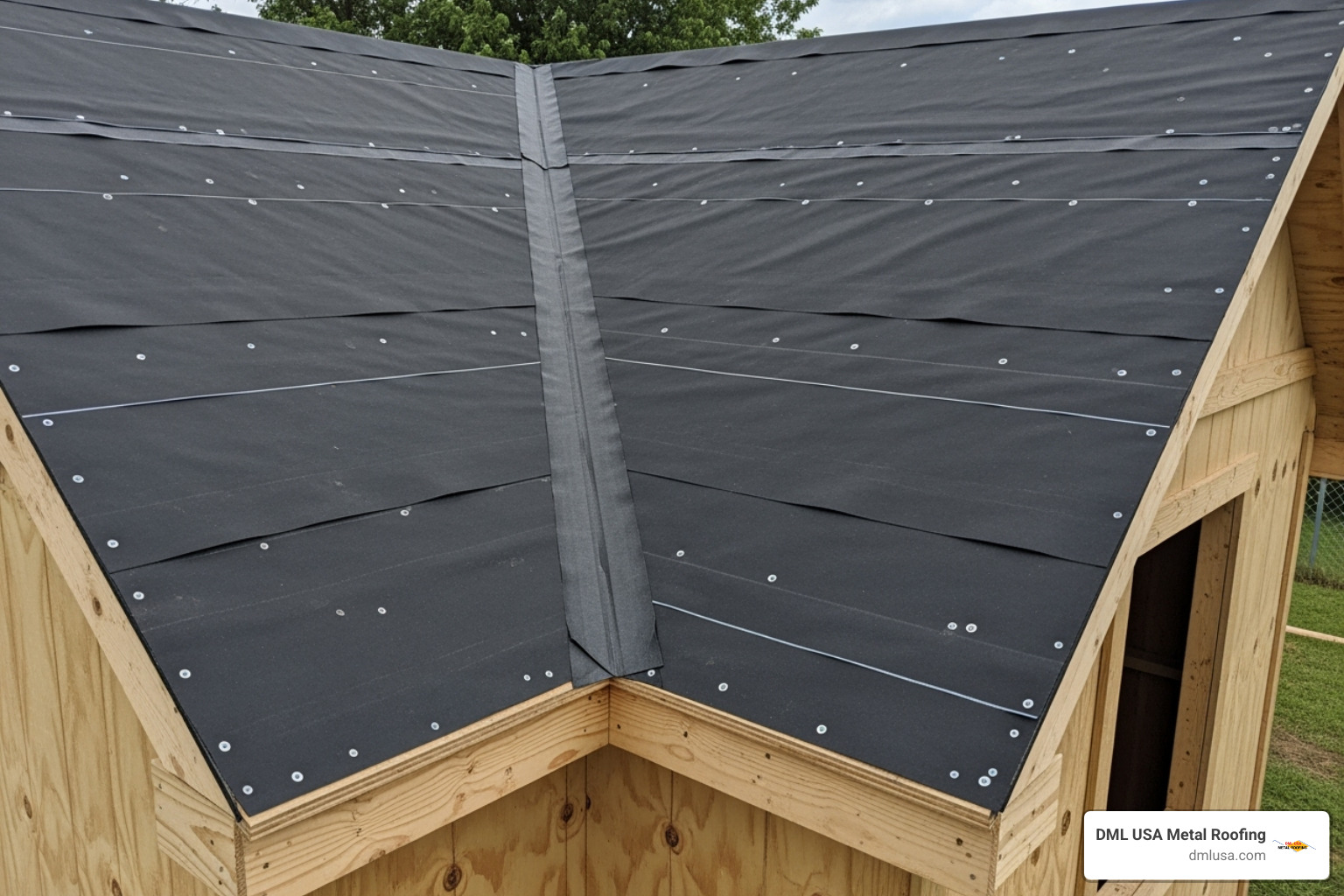
- Install Synthetic Underlayment: Lay down a high-quality synthetic underlayment, starting at the bottom edge and working up. Overlap layers by at least six inches. This provides a critical secondary water barrier.
Installing the Metal Panels
With the roof prepped, it’s time to install the panels.
- Measure and Cut Panels: Measure your roof dimensions accurately. If you need to cut panels, use metal snips or a circular saw with a metal-cutting blade. Always wear protective gear.
- Start at the Eave: Begin installing panels at a bottom corner of the roof. Ensure the first panel has a 1-4 inch overhang to create a drip edge. Use a chalk line to keep the row straight.
- Overlap Panels Correctly: For a watertight seal, panels should overlap by at least one full rib horizontally. Apply a bead of silicone sealant on the inside lap for extra protection.
- Secure Panels with Gasketed Screws: Use self-drilling screws with rubber washers designed for metal roofing. These create a watertight seal.
- Proper Screw Placement: Drive screws through the raised ribs of the panels, not the flat valleys where water flows. Space screws consistently, about 12-24 inches apart.
- Avoid Over-Tightening: Drive screws until they are snug, but don’t over-tighten. This can damage the rubber washer and compromise the seal.
For a more in-depth look, see our guide on How to Install a Metal Shed Roof.
Finishing with Trim and Ridge Caps
Trim and ridge caps are vital for sealing the roof against the elements.
- Install Eave and Gable Trim: Install eave trim along the bottom edges and gable (or rake) trim along the sides. These pieces provide a clean, finished edge and protect the panel ends.
- Seal Seams: Apply high-quality silicone sealant along all seams, screw heads, and any areas where water could penetrate.
- Install the Ridge Cap: The ridge cap covers the peak of the roof. Place it over foam closure strips and fasten it securely with screws through every rib to create a complete water-shedding system.
Common Challenges and Long-Term Maintenance
Every DIY project has a learning curve, and deciding to replace shed roof with metal is no different. Fortunately, most challenges are manageable, and a metal roof requires very little upkeep once installed.
Overcoming Installation Problems
- Noise during rain: This is a common concern, but it’s easily solved. When installed over a solid deck with quality underlayment, the sound is dramatically reduced and is comparable to other roofing materials. The solid substrate acts as a natural sound dampener.
- Thermal expansion and contraction: Metal naturally expands and contracts with temperature changes. This is why it’s crucial to use the correct gasketed screws and not over-tighten them. The flexible washers accommodate this movement. Driving screws through the raised ribs also offers better leak protection.
- Working with sharp edges: Metal panels can be very sharp. Always wear heavy-duty safety gloves and eye protection. Handle panels carefully and clean up any metal shavings immediately to prevent rust stains.
- Steep roof pitches: Most sheds have manageable slopes, but if yours is steep, use proper fall protection equipment. Working with a partner can make the job safer and easier. If you’re uncomfortable, it’s always best to call a professional.
Simple Maintenance for a Long-Lasting Roof
The best part about choosing to replace shed roof with metal is its low-maintenance nature.
- Regular Inspections: A quick visual inspection twice a year (spring and fall) is usually all that’s needed. Look for loose fasteners or significant scratches.
- Keep Debris Clear: Leaves and twigs can accumulate in corners. While rain usually washes them away, a quick sweep or rinse with a hose can clear any heavy buildup. Trim overhanging branches to prevent scratches.
- Check Fasteners: Every few years, check that screws are still snug. Thermal cycling can occasionally loosen them, so a gentle tightening with a drill keeps everything secure.
- Touch Up Scratches: If a deep scratch exposes bare metal, touch it up with compatible metal roof paint to prevent rust.
- Gutter Maintenance: If your shed has gutters, keep them clean to ensure water flows away from the structure properly.
With minimal attention, your metal shed roof will provide superior protection for decades.
Frequently Asked Questions about Metal Shed Roofs
After helping Illinois homeowners for over 15 years, I’ve heard many of the same questions about metal roofing for sheds. Here are answers to the most common ones to help you feel confident in your decision.
Can I install a metal roof directly over old shingles on my shed?
While technically possible, I strongly recommend against it. It’s tempting to save on the labor of a tear-off, but you risk major issues later. Old shingles can hide rotted decking, mold, or structural damage. Covering them up only hides the problem. Furthermore, if a leak develops, finding the source between the layers is nearly impossible. For the best, most durable result, a full tear-off is always the way to go. It allows you to inspect and repair the roof deck, giving your new metal roof the solid foundation it needs to last. For a deeper comparison, see our guide on Metal Shed Roof vs. Shingle Shed Roof.
How much does it cost to replace a shed roof with metal?
The cost to replace shed roof with metal varies, but for materials alone, you can expect to pay $100 to over $300 per 100 square feet. The final price depends on several factors:
- Material Type: Galvanized steel is the most budget-friendly, while aluminum, Galvalume, or standing seam panels cost more.
- Gauge Thickness: Thicker metal (lower gauge) is more durable and costs more.
- Shed Size & Complexity: A larger or more complex roof requires more material and labor.
- Installation: DIY saves on labor costs, but professional installation provides expertise and a warranty, often doubling the material cost.
While the upfront investment is higher than for traditional shingles, a metal roof’s 40-70 year lifespan makes it more economical over the long term.
Are metal roofs noisy in the rain?
This is the most common myth about metal roofing. A metal roof installed on open framing can be noisy, but that’s not the proper method for a shed. When you replace shed roof with metal over a solid roof deck (like plywood or OSB) with a quality underlayment, the sound is significantly muffled. The solid layers underneath act as a sound dampener, making the noise level comparable to any other roofing material. Many homeowners find the gentle sound of rain on a properly installed metal roof to be pleasant and soothing, not disruptive.
Your Shed’s Ultimate Protection
After reviewing everything from planning to maintenance, it’s clear that choosing to replace shed roof with metal is a smart investment in your property’s future. You’re not just applying a temporary fix; you’re installing a permanent solution.
While others might replace their shed roofs every 20 years, yours can last 40-70 years or more. This superior durability means no more worrying about leaks damaging your belongings or facing unexpected replacement costs. A crisp metal roof also adds significant aesthetic appeal, boosting your property value with a polished, intentional look.
At DML USA Metal Roofing, we’ve been helping Illinois homeowners make this smart choice since 2007. Our family-owned company manufactures roofing engineered to be durable and maintenance-free, offering exceptional resistance to our region’s fire, wind, and impact threats.
We believe every homeowner deserves a roof that works as hard as they do. That’s why we manufacture our products right here in Illinois, ensuring quality control and supporting our community. When you choose DML USA Metal Roofing, you’re getting decades of peace of mind.
Ready to give your shed the permanent protection it deserves? Browse our complete selection of metal roofing products today.
