 Skip to main content
Introduction
From Blueprint to Beauty: Software Solutions for Metal Roof Design
Why Modern Metal Roofing Projects Demand Software Solutions
Picture this: you’re standing in front of a complex roof design with multiple angles, dormers, and curves that would make your head spin trying to calculate by hand. Just a decade ago, this scenario would have meant hours of manual measurements, countless recalculations, and crossed fingers hoping everything would fit perfectly during installation.
Those days are thankfully behind us. Metal roof design software has completely transformed how we approach roofing projects, turning what used to be a maze of complex calculations into smooth, reliable workflows that anyone can master.
The reality is that today’s architectural designs are becoming increasingly sophisticated. Homeowners want standing seam panels that follow dramatic curves, exposed fastener systems that handle multiple pitch changes, and specialty panels that create stunning visual effects. These aren’t just aesthetic choices – they’re engineering challenges that require precision down to the millimeter.
Modern roofing software handles this complexity beautifully. Design and visualization platforms let you create detailed 3D models and photorealistic renderings that help clients see exactly what their finished roof will look like. Meanwhile, estimating and take-off tools automatically calculate material needs and generate cutting lists that eliminate guesswork and reduce waste. The most advanced systems even include manufacturing integration capabilities that send data directly to CNC machines and rollformer controllers.
What makes these tools truly game-changing is their ability to import PDF and CAD drawings, work with drone imagery, and handle everything from simple gable roofs to the most complex curved structures. The cloud-based collaboration features mean your entire team – from architects to installers – can access real-time updates and stay on the same page throughout the project.
As one industry professional put it perfectly: “Installing this software was one of the best things we ever did for this business.” That sentiment captures exactly why these tools have become essential rather than optional in modern metal roofing.
The change goes beyond just making calculations easier. These software solutions provide verifiable accuracy that gives everyone confidence in the final result. They integrate with business systems like CRM and ERP platforms, creating seamless workflows from initial quote to final installation.
Having spent 17 years in metal roofing manufacturing and home renovations, I’ve watched this digital revolution unfold firsthand. The difference isn’t just in the time saved – though that’s significant – it’s in the level of precision and quality we can now deliver consistently on every project.
Whether you’re working with durable, maintenance-free roofing products or any other metal roofing system, the right software tools don’t just improve your process. They open up possibilities for creating the beautiful, complex designs that define modern architecture while ensuring every piece fits perfectly when it matters most.
What is Metal Roofing Software and How Does It Work?
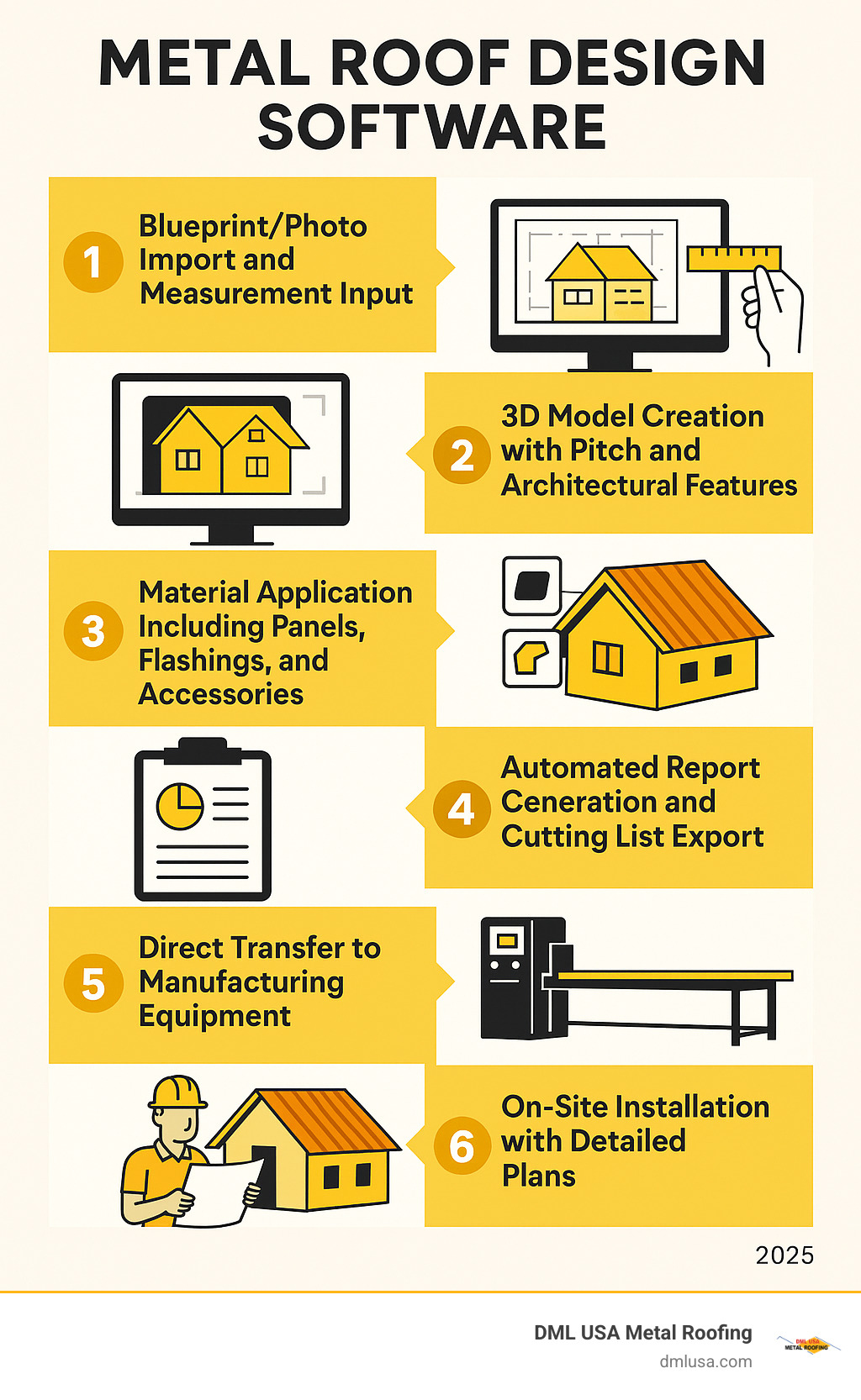
Think of metal roof design software as your complete digital workshop – a sophisticated set of tools that handles everything from your first sketch to the final bolt installation. Unlike the old days of manual measurements and crossed fingers, today’s software creates an automated workflow that connects every step of your roofing project seamlessly.
The magic happens when these platforms integrate design, estimation, and manufacturing into one smooth process. Instead of juggling multiple tools and risking costly mistakes, you get precision at every stage. Whether you’re designing a simple gable roof or tackling complex geometries with multiple pitches, the software handles the heavy lifting while you focus on bringing your vision to life.
What makes this technology truly powerful is how it eliminates the guesswork. The software doesn’t just draw pretty pictures – it calculates exact material quantities, generates detailed quotes, and even prepares your data for manufacturing equipment. This end-to-end capability means fewer surprises, less waste, and happier clients.
Design and Visualization Platforms
Here’s where your creative ideas transform into stunning reality. These 3D modeling platforms let you experiment with different roof styles, from classic standing seam to complex architectural features like dormers and skylights. The beauty lies in how quickly you can move from concept to photorealistic renderings.
Modern visualization tools can take you from a basic floor plan to a fully rendered 3D model in just one day. Features like automatic overhang generation mean you can add professional finishing touches with a single click. This speed isn’t just convenient – it’s game-changing for client presentations.
Your clients no longer need to imagine what their new metal roof will look like. Virtual models show them exactly how different panel profiles and colors will appear on their specific building. This visual clarity leads to faster approvals and fewer change orders down the road.
The architectural freedom these platforms provide is remarkable. You can explore multiple roof types, test various color combinations, and even simulate how the roof will look under different lighting conditions. This level of detail ensures every design decision is made with confidence.
Estimating and Take-Off Tools
Once your design looks perfect, the next challenge is creating accurate estimates – and this is where software really shines. Automated calculations handle all the complex math, generating precise material take-offs that account for every panel, flashing, and accessory you’ll need.
These tools dramatically reduce the risk of ordering mistakes. Over-ordering ties up your cash flow, while under-ordering causes costly delays. Smart estimating software finds that sweet spot, calculating exact quantities while accounting for reasonable waste factors.
The block cutting feature is particularly clever. Instead of treating every roof section separately, the software identifies opportunities to use offcuts from one area on another part of the roof. This optimization can significantly reduce material waste and boost your profit margins.
Streamlined estimating processes mean you can generate professional quotes faster and with greater accuracy. The software automatically formats reports for easy sharing with clients, and many platforms export directly to common business tools for seamless workflow integration.
Manufacturing and Fabrication Integration
The real power of modern metal roof design software becomes apparent when your digital designs connect directly to manufacturing equipment. This CNC integration transforms your carefully crafted plans into machine-ready files with perfect accuracy.
When your software can export cutting lists directly to rollformer controllers, magic happens. The same measurements and specifications from your design phase control the manufacturing equipment, eliminating transcription errors and ensuring every panel matches your digital blueprint exactly.
This production data integration creates what we call “verifiable accuracy” – you can be confident that what you designed is exactly what gets manufactured. Machine-ready files mean faster production times and consistent quality, whether you’re making panels for a simple residential project or a complex commercial installation.
The seamless flow from design to fabrication reduces handling errors and speeds up your entire workflow. Instead of manually transferring measurements and specifications, your software does the heavy lifting while maintaining precision throughout the process.
Core Capabilities: Key Features of Metal Roof Design Software
The heart of any effective metal roof design software lies in its ability to transform complex roofing challenges into manageable, precise solutions. When we’re evaluating these digital tools, we focus on the features that truly make a difference in delivering outstanding results for our clients.
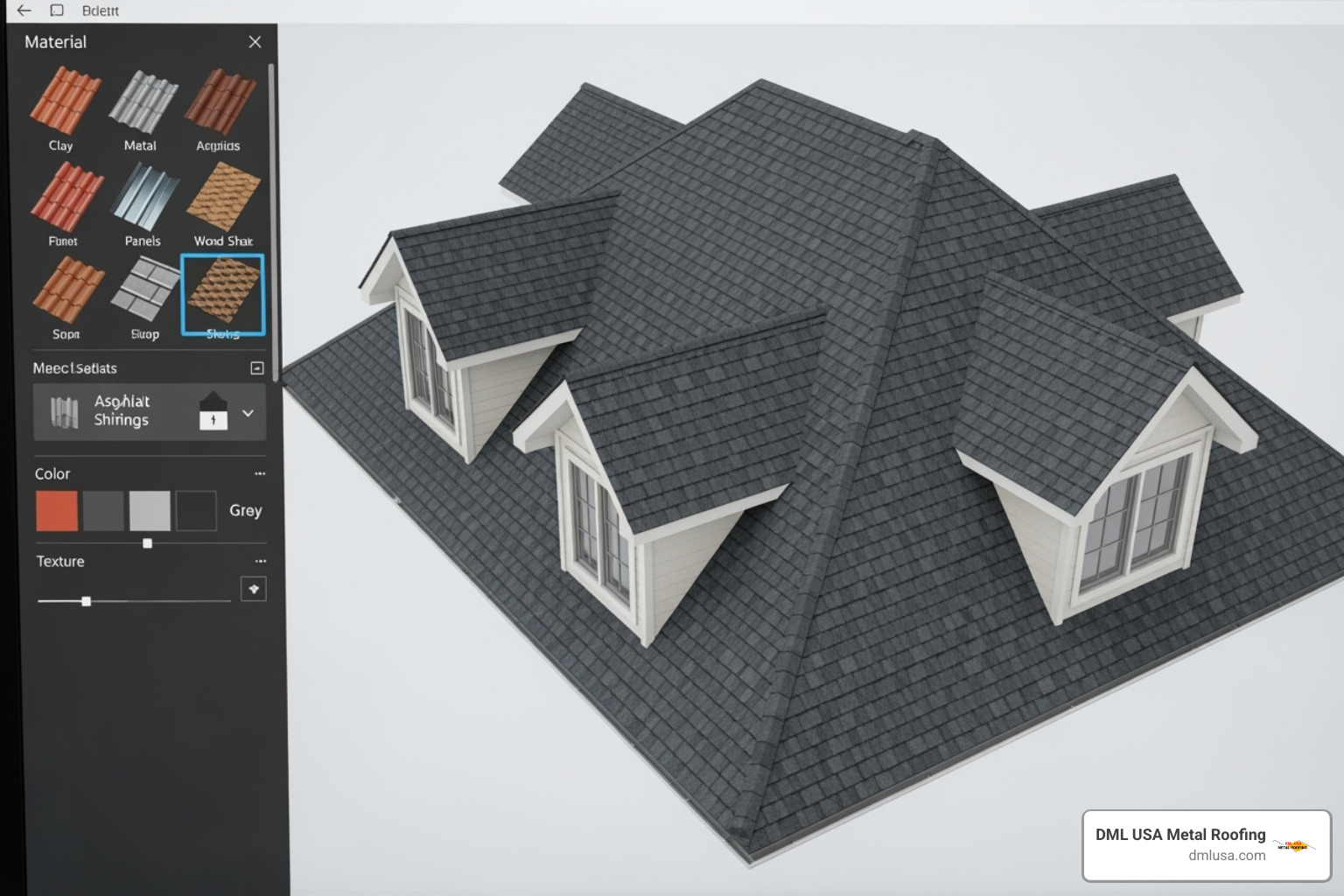
Think of these software platforms as your digital workshop – complete with material libraries that house thousands of roofing options, measurement tools that ensure every calculation is spot-on, and reporting features that keep everyone on the same page. The customization capabilities allow us to tailor each project to exact specifications, while intuitive interfaces make complex tasks feel surprisingly straightforward.
The Role of 3D Visualization in Metal Roof Design Software
There’s something magical about watching a flat blueprint transform into a stunning 3D model right before your eyes. 3D visualization isn’t just eye candy – it’s become the cornerstone of modern metal roof design, bridging the gap between what we imagine and what clients can actually see.
Photorealistic renderings have revolutionized how we present projects to homeowners. Instead of asking them to imagine how their roof might look, we can show them exactly what to expect. These virtual walkthroughs allow clients to explore every angle, ensuring they’re completely confident in their choice before we break ground.
The design validation process becomes incredibly smooth when everyone can visualize the final result. We can experiment with different panel profiles – from standing seam to corrugated styles – and instantly see how each option affects the overall appearance. Color matching becomes precise rather than guesswork, and we can accommodate multiple roof types from simple gables to complex hip designs.
Some visualizer tools take this further by letting homeowners upload photos of their actual homes. This creates a realistic preview that eliminates surprises and ensures client approval happens smoothly.
Precision Measurement and Automated Take-Offs
Accuracy isn’t just important in metal roofing – it’s everything. The difference between a perfectly fitted roof and costly rework often comes down to measurements that are precise to the inch.
Modern metal roof design software excels at blueprint import capabilities, seamlessly handling both PDF and CAD formats. Some manufacturers provide design files for their metal roof and wall panels that integrate directly into these systems, making the design process incredibly efficient.
Aerial imagery scaling and drone data integration have opened up exciting new possibilities. Instead of sending someone up on a potentially dangerous roof with a tape measure, we can capture precise measurements from drone surveys. This technology ensures every dimension is captured accurately while keeping our team safe.
The automatic calculations feature eliminates human error from the equation. Snap tools help align every element perfectly, while the easy-to-use design interface means even complex geometries become manageable. Many software options emphasize this user-friendly approach, making professional-grade tools accessible to everyone from beginners to seasoned professionals.
This precision translates directly into cost savings and project success. When measurements are exact and take-offs are automated, we can order exactly the right amount of materials, reduce waste, and ensure every component fits together perfectly on installation day.
The Business Case: How Software Boosts Accuracy, Collaboration, and ROI
Implementing metal roof design software isn’t just about keeping up with technology—it’s about making smart business decisions that transform how we operate. When I look at the impact these tools have had on our industry, the results speak for themselves: better project management, stronger profitability, and a real competitive edge that clients notice.

Improving Accuracy and Reducing Project Waste
Let’s be honest—manual calculations are where costly mistakes happen. I’ve seen projects where human error led to ordering 20% more materials than needed, or worse, running short and delaying the entire job. Metal roof design software changes this game completely through error minimization and precise measurements.
The software creates optimized cutting lists that account for every panel, trim piece, and fastener. This isn’t just about getting the numbers right—it’s about material optimization that directly impacts your bottom line. When the software calculates exactly how to use offcuts on other parts of the roof, you’re looking at significant waste reduction.
What really impressed me is how this translates to efficient workshop preparation. Instead of spending days figuring out cutting schedules and material layouts, the software handles it automatically. This means less time scratching your head over measurements and more time actually building beautiful roofs. The reduced rework alone can save thousands on a typical project.
Facilitating Seamless Collaboration Among Stakeholders
Modern roofing projects involve more people than ever—architects with big visions, engineers with strict requirements, contractors managing timelines, and clients who want to see exactly what they’re getting. Metal roof design software becomes the central meeting place where everyone can actually work together instead of playing telephone with project details.
Cloud-based access means your architect in downtown Chicago can review the same 3D model that your installation crew is looking at on their tablets at the job site. Real-time updates eliminate those frustrating moments when someone is working from last week’s plans while everyone else moved on to version 2.0.
The centralized documentation feature is a lifesaver for project management. Instead of hunting through email chains for the latest specifications, everything lives in one place with proper version control. This collaborative environment doesn’t just make projects run smoother—it makes clients feel confident that their project is in professional hands.
Calculating the Return on Investment (ROI)
I’ll be straight with you about the numbers. Yes, there are software costs to consider, whether through subscription models or one-time purchases. The implementation time requires some upfront training and workflow adjustments. But here’s what makes the investment worthwhile.
The labor savings are immediate and substantial. Tasks that used to take a full day now get done in hours. Your team can handle more projects without working longer hours, which means increased project capacity without the overhead of hiring more staff.
Maximizing margins happens in ways you might not expect. Accurate quotes mean you’re not leaving money on the table or accidentally underbidding jobs. Professional presentations with 3D visualizations help win more contracts. Faster project completion means happier clients and quicker payment cycles.
One roofing professional put it perfectly: installing their design software was “one of the best things we ever did for this business.” When you can generate accurate quotes quickly, present stunning visualizations to clients, and deliver projects on time and on budget, the ROI becomes crystal clear in your monthly profit statements.
Future-Proofing Your Workflow: Integration and Upcoming Trends
The construction world moves fast, and metal roof design software is leading the charge into tomorrow’s building methods. Smart roofing contractors know that staying ahead means choosing software that works well today and grows with emerging technologies.

Integrating with Other Business Systems (CRM, ERP)
Here’s where things get really interesting for your bottom line. The best metal roof design software doesn’t work in isolation – it talks to your other business tools like they’re old friends having coffee.
When your software connects with your Customer Relationship Management (CRM) system, every client conversation and project detail flows seamlessly from initial quote to final payment. No more hunting through emails or sticky notes to find that crucial measurement change the customer requested last week. If you’re new to CRM concepts, here’s a helpful overview of customer relationship management.
Enterprise Resource Planning (ERP) integration takes this even further. Your inventory levels, labor schedules, and project timelines all sync up automatically. When you design a roof that needs 200 panels, your ERP system already knows if you have them in stock or need to place an order. Learn more about what ERP systems do here: enterprise resource planning.
The real magic happens with accounting software connections. Those detailed material take-offs and labor estimates flow directly into your invoicing system. Many solutions offer API connections that make this data flow happen without any manual typing. Some platforms even generate reports in MS-Word and Excel formats, making it easy to share information across departments.
This connected approach means your sales team, project managers, and accounting department all work from the same accurate information. No more duplicate data entry, no more costly miscommunications, and definitely no more scrambling to piece together project details from different systems.
Future Trends and Advancements in Technology
The future of metal roof design software is arriving faster than you might think, and it’s genuinely exciting stuff. Artificial Intelligence (AI) and machine learning are already starting to predict material performance and suggest design optimizations based on local weather patterns and building codes. For a broader primer, see artificial intelligence.
Augmented Reality (AR) is moving beyond the “cool factor” stage into real practical use. Imagine pointing your tablet at a roof and seeing exactly how different metal panel styles will look, or having installation instructions appear right where you need them on the actual roof surface. Explore more about augmented reality.
Building Information Modeling (BIM) has become the new standard for complex projects. This technology creates comprehensive digital twins of entire buildings, allowing architects, engineers, and contractors to collaborate like never before. The software supports BIM integration using IFC interfaces, making it possible to see how your metal roof fits perfectly with every other building component. Learn more about Building Information Modeling (BIM) and Industry Foundation Classes (IFC).
3D point cloud measurement technology is revolutionizing how we handle existing buildings. Using formats like .e57 and .spw, we can create incredibly accurate digital models of structures that need roof replacement or renovation. This means precise measurements without multiple site visits and designs that account for every quirk of the existing building. See point cloud and the E57 file format for technical context.
Looking ahead, we’re seeing exciting developments in green roof technology integration. The software is evolving to help design structures that incorporate solar panels, vegetation, and other sustainable elements. This isn’t just about being environmentally responsible – it’s about meeting growing demand from customers who want energy-efficient, eco-friendly roofing solutions.
These technological advances aren’t just fancy features – they’re tools that help us deliver better results, reduce waste, and create the stunning, durable metal roofs that customers love. The future is about working smarter, not harder, and these innovations are making that possible every day.
Frequently Asked Questions about Metal Roofing Software
When we talk to contractors and architects about metal roof design software, certain questions come up again and again. These are the real-world concerns that matter when you’re considering whether to invest in these digital tools. Let me share the answers that can help you make the best decision for your projects.
How does software handle complex roof geometries like curves or multiple pitches?
This is where metal roof design software really shows its strength. Think about trying to calculate materials for a curved roof or one with seven different pitch angles using just a calculator and measuring tape – it’s a nightmare! But modern software handles these challenges like they’re routine.
The 3D modeling capabilities built into these platforms can process virtually any roof shape you can imagine. Whether you’re dealing with multiple slopes, curved sections, or even those tricky butterfly roofs that seem to defy geometry, the software automatically calculates everything for you. It figures out the exact panel sizes, where each seam should go, and how many fasteners you’ll need.
What’s really impressive is how the software maintains structural integrity while accommodating these complex designs. It’s not just drawing pretty pictures – it’s doing the engineering math to ensure everything will actually work in the real world. This opens up design possibilities that would have been nearly impossible with traditional methods.
Can I use my own photos or drone imagery to start a design?
Absolutely, and this feature is a game-changer for renovation projects! Many metal roof design software solutions let you upload real photos of existing buildings, which makes the whole process so much more realistic for your clients.
Drone imagery integration has become especially popular because it gives you incredibly accurate measurements without anyone having to climb around on a roof with a tape measure. The software can process these aerial photographs and convert them into precise measurements for your take-offs.
This capability is fantastic for client presentations too. Instead of showing generic renderings, you can show clients exactly how their specific house will look with different metal roofing styles and colors. It takes the guesswork out of the equation and helps clients feel confident about their investment.
The personalized approach this creates really improves client engagement. When someone can see their actual home with the new roof, rather than just imagining it, they’re much more likely to move forward with the project.
Does this software help with meeting local building codes and engineering requirements?
While metal roof design software isn’t going to replace your structural engineer, it definitely makes the compliance process much smoother. The software provides the detailed documentation and precise specifications that engineers and building officials need to evaluate your project.
Many advanced platforms can perform load analysis or integrate with structural analysis programs. This means you can evaluate how your roof design will handle wind uplift, snow loads, and other environmental factors that building codes address.
The real value comes from the accurate, verifiable data the software generates. When you submit permit applications, you’ll have detailed plans, exact material specifications, and precise measurements – all the documentation that building authorities require. This professional-grade documentation speeds up the approval process and reduces the chances of costly revisions.
The software doesn’t issue permits, but it gives you the solid foundation of accurate data that makes the permitting process much more straightforward. Your roofs will not only look beautiful but also meet all the safety and compliance requirements that protect your clients and your business.
Conclusion: From Digital Blueprint to Durable Beauty
The journey from traditional blueprints to sophisticated metal roof design software represents more than just technological progress—it’s a fundamental shift toward precision, efficiency, and best quality. Throughout this exploration, we’ve seen how these digital tools transform every aspect of metal roofing projects, from initial concept to final installation.
The impact is undeniable. Accuracy has replaced guesswork, efficiency has streamlined workflows, and profitability has improved dramatically for contractors and manufacturers alike. These software solutions don’t just make our jobs easier—they make our results better. Every measurement is precise, every material calculation is optimized, and every design detail is carefully planned before the first panel is ever installed.
What truly excites me about this digital revolution is how it enables us to turn architectural dreams into reality. Complex geometries that once seemed impossible are now routine. Curved roofs, multiple pitches, and intricate details can all be designed, visualized, and manufactured with confidence. The software has become a pivotal tool that bridges the gap between imagination and execution.
We’ve accepted these technological advances because they align perfectly with our commitment to delivering high-quality products that stand the test of time. When you combine precision software design with durable, maintenance-free metal roofing materials, the result is truly exceptional. Such products offer energy tax credits and superior resistance to fire, wind, and impact—benefits that are maximized when every component is designed and manufactured with digital precision.
The future of metal roofing lies in this seamless integration of advanced software and superior materials. Whether you’re an architect envisioning a stunning residential project or a contractor planning a complex commercial installation, the right combination of tools and materials makes all the difference.
