

Best Butyl Tape for Metal Roofing: Essential 2025
The Unsung Hero: Why Butyl Tape is Crucial for Metal Roofs
When it comes to protecting your investment, choosing the best butyl tape for metal roofing is a game-changer. This seemingly small component plays a massive role in your roof’s long-term health.
To quickly find the best butyl tape for your metal roofing project, look for these key characteristics:
- Non-Hardening & Permanently Elastic: The best butyl tape stays flexible and won’t harden or crack over time, ensuring a lasting seal.
- Extreme Temperature Resilience: It should perform reliably in a wide temperature range, typically from -40°F to 200°F, and be easy to apply between -5°F and 120°F.
- Superior Adhesion: It needs to form a strong, lasting bond with common metal roofing materials like coated steel and those with premium paint finishes. Some even adhere to slightly oily surfaces without extra cleaning.
- High Flexibility & Elongation: A quality tape can stretch significantly (over 1000%) without breaking, adapting to your roof’s natural movements.
- Long-Term Durability: Top-performing butyl tape has demonstrated effective sealing for over 35 years in studies, with a projected service life exceeding 60 years.
- Watertight & Airtight Seal: Its primary purpose is to create an impermeable barrier against water, air, and dust.
Many think the metal panels are the most important part of a roof’s lifespan. But as experts often say, “When the sealant fails, the roof fails.” Butyl tape is that vital sealant, protecting hidden seams and connections. It ensures your metal roof lives up to its promise of decades of protection.
As Adam Kadziola from DML USA Metal Roofing, I’ve spent years understanding how to permanently replace roofs, focusing on high-quality materials, including selecting the best butyl tape for metal roofing. Our dedication to lasting quality ensures homes are safe and secure from the harshest elements.
Best butyl tape for metal roofing definitions:
- best corrugated roofing material
- best metal roofing material for a wood shed
- most common metal roofing material
What is Butyl Tape and Why is it Essential for Metal Roofs?
Ever wonder what the secret is to a metal roof lasting for decades, shrugging off harsh weather year after year? While the tough metal panels get all the glory, there’s a quiet hero working tirelessly behind the scenes: butyl tape. It might not be the first thing you think of, but it’s absolutely essential for your roof’s long-term health and performance.
So, what exactly is this unsung hero? Butyl tape is a special, high-performance adhesive sealant crafted from a synthetic rubber. But here’s the magic: unlike many other sealants that can dry out and crack over time, butyl tape is designed to be non-curing and permanently elastic. This means it stays flexible and a little bit tacky forever, maintaining its super-strong seal. This flexibility is key, as your metal roof panels will naturally expand and contract with temperature changes throughout the day and year. Butyl tape moves right along with them, without ever losing its grip.
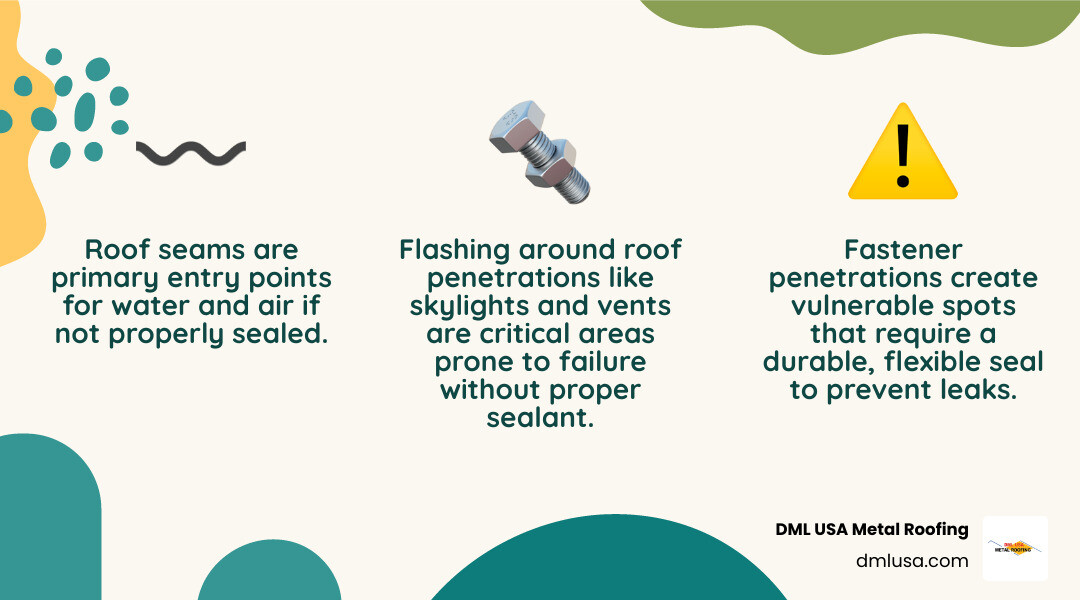
Its main job in metal roofing is to create a tough, watertight, and airtight seal at all the critical spots. Think about where two panels overlap, where screws go in, or around vents and pipes. Butyl tape steps in to block water, air, and even dust from sneaking into your building. This keeps your home or business dry and comfy, and it also fights off corrosion by keeping moisture away from the metal itself. As industry experts often say, and we wholeheartedly agree: “When the sealant fails, the roof fails.” You can dive deeper into these best practices in this guide on roof seaming. The strength and integrity of your metal roof, and its promise of protecting you for decades, truly depend on the quality of these hidden seals.
Choosing a metal roof for your property is a fantastic move. They’re known for lasting a very long time, being energy efficient, and needing little upkeep. You can explore more about these great perks on our page about Why Choose Metal Roofing?. But to truly open up all that potential, every single part, especially the sealant, needs to perform at its very best.
Butyl Tape vs. Other Sealants
You might be thinking, “With so many sealants out there, why is butyl tape the best butyl tape for metal roofing?” It’s a fair question! The world of sealants is huge, with options like silicone, polyurethane, and acrylic liquid caulks. While these have their uses, butyl tape has some clear advantages, especially for sealing inside your metal roof’s layers.
The biggest difference is how it comes and how it acts. Butyl tape is a pre-formed strip, often with a peel-off backing. This means it’s super easy to apply right from the roll. Think less mess, easier application, and usually less wasted material compared to messy liquid sealants that need special tools and can drip all over the place.
Here’s the really important part: a high-quality butyl tape will never harden, crack, or dry out. This is a huge deal compared to some other sealants that might start flexible but eventually cure into a harder, brittle state, leading to leaks down the road. Butyl tape stays permanently elastic, keeping its seal strong for decades. Its main job is to be a sealant – a tough barrier against air, water, and dust – more than just a glue.
It can also be very cost-effective in the long run because it lasts so long and creates so little waste. However, it’s good to know that most butyl tapes are designed to be used between materials, like between two overlapping metal panels. They aren’t usually used on the outside where they’re exposed to the sun. This is because many types are “non-skinning,” meaning they don’t form a tough outer layer and can break down if UV light hits them for a long time. For those outside spots, you’d typically use a “skinning” butyl, a hybrid, or a different kind of sealant like silicone or polyurethane.
The Unseen Protector: Extending Roof Lifespan
The true magic of butyl tape, and why it’s considered the best butyl tape for metal roofing, is its incredible ability to make your entire metal roof system last longer and stay strong. Your metal panels are tough, but their weak spots are often where they connect – at the seams, fasteners, and openings. This is exactly where butyl tape steps in as your “unseen protector.”
Studies have shown truly amazing long-term performance. For example, butyl tape used in roofing systems has shown no weakening or loss of seal even after 35 years of being out in the field! And even more impressive, the projected lifespan of top-quality butyl tape sealant is over 60 years! This means it’s designed to last just as long, or even longer, than your metal roof itself.
How does it achieve this incredible longevity?
- Stops Water Cold: Its continuous, flexible seal creates an unbeatable barrier, stopping water from sneaking into your roof, even during pouring rain or melting snow.
- Moves with Your Roof: Metal roofs naturally expand and contract with changing temperatures. Butyl tape’s permanent elasticity lets it stretch and squeeze with these movements, keeping the seal perfect without breaking or pulling away. This also protects your fasteners and prevents gaps from forming.
- Keeps Your Roof Strong: By preventing water from getting in and causing corrosion, butyl tape protects the core parts of your roof. This ensures it stays stable and performs well for many years, helping you avoid expensive repairs down the road.
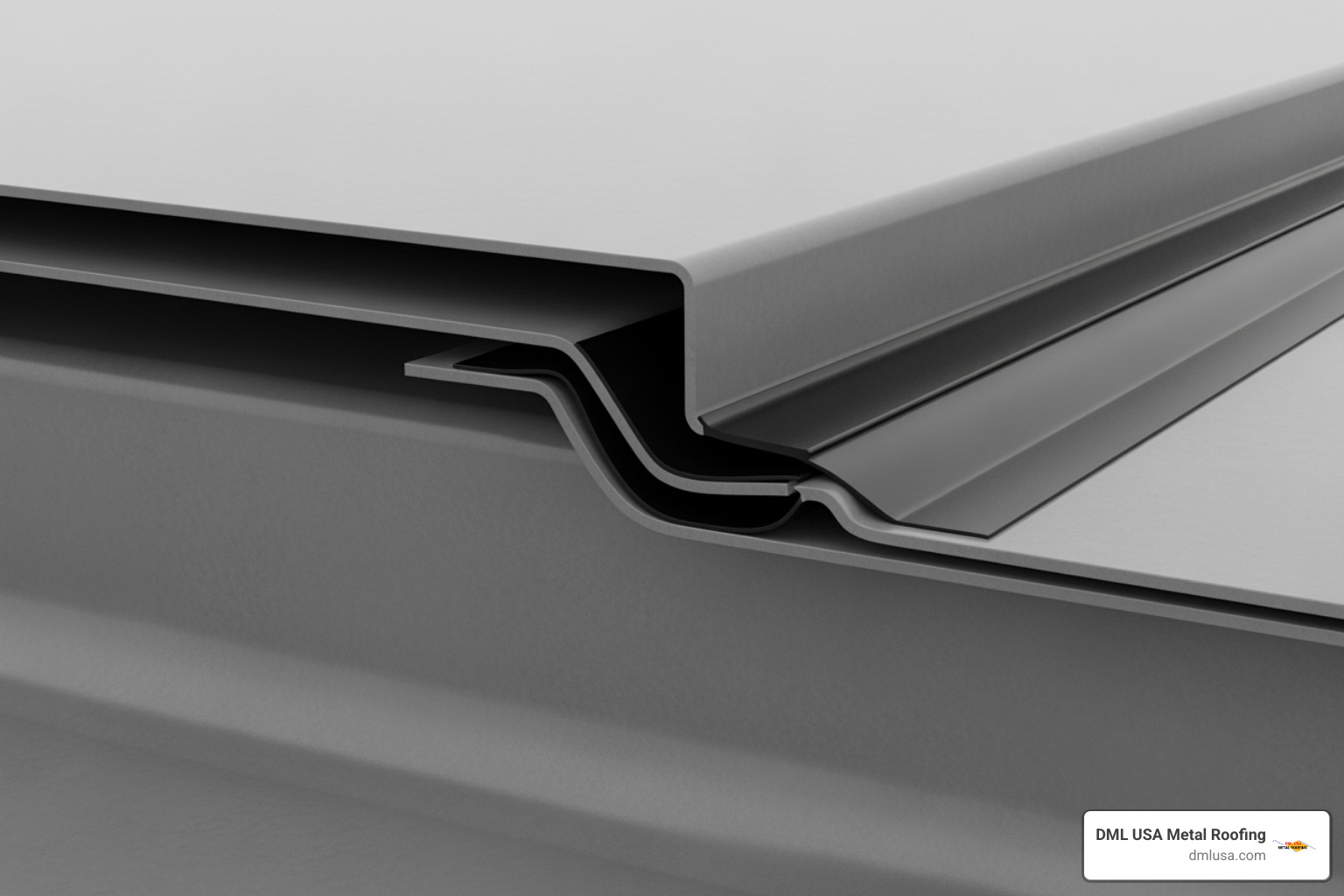
This hidden layer of protection is why we at DML USA Metal Roofing can confidently stand behind the durability and long life of our systems. It’s not just about the panels; it’s about the entire system working together perfectly, with butyl tape playing a truly pivotal role.
Choosing the Best Butyl Tape for Metal Roofing: Key Characteristics
Choosing the best butyl tape for metal roofing isn’t just about grabbing the first roll you see. Think of it like choosing the right tires for your car – you wouldn’t just pick any tire; you’d consider performance, weather conditions, and how long they’ll last. The same goes for butyl tape! To ensure your metal roof truly stands the test of time, you need to understand the specific traits that make a butyl tape a top performer in the demanding environment of a roof.
We’re looking for tapes that meet tough performance standards, like those set by ASTM (American Society for Testing and Materials). These standards are like a stamp of approval, assuring you of reliability and consistent quality. When you’re picking your tape, here are some key characteristics to consider:
| Characteristic | What it means for your roof |
|---|---|
| Material Composition | High-quality synthetic rubber for lasting elasticity. |
| Non-Hardening | Stays flexible forever, won’t crack or dry out. |
| Temperature Range | Works in extreme heat and cold, and is easy to apply year-round. |
| Adhesion Strength | Sticks strongly to common metal roofing materials like coated steel and those with premium paint finishes. |
| Elongation | Can stretch and move with your roof panels without breaking the seal. |
| Water & Air Seal | Creates an impenetrable barrier against moisture, air, and dust. |
| Substrate Compatibility | Works well with various roof components, ensuring a unified system. |
Performance Under Pressure: Temperature and Weather Resistance
Your roof faces a lot! From scorching summer sun to freezing winter snow, it endures extreme temperature swings every single day. This is why the best butyl tape for metal roofing needs to be a true champion of temperature and weather resistance.
A high-quality butyl tape will perform reliably across a wide service temperature range, typically from around -40°F to 200°F. But it’s not just about surviving the extremes; it also needs to be easy to apply. Look for tapes that can be installed comfortably between -5°F and 120°F. This flexibility makes installation smoother, no matter the season.
Another crucial factor is UV resistance. While many butyl tapes are designed to be “non-skinning” – meaning they don’t form a tough outer layer and are best used hidden between panels – some specialized versions are “skinning” or have properties that offer better resistance if they’re slightly exposed. For the most part, though, butyl tape is your roof’s hidden hero, working tirelessly beneath the surface, protected from the sun’s harsh rays. Its primary job is to create a long-lasting, watertight seal that won’t degrade under normal weathering conditions when properly installed between roof components.
Strength and Flexibility: Finding the Best Butyl Tape for Metal Roofing
A metal roof moves. It expands when it’s hot and shrinks when it’s cold. This constant, subtle movement is why the sealant needs to be incredibly strong yet surprisingly flexible. The best butyl tape for metal roofing perfectly balances these two qualities.
You want a tape with excellent adhesive tensile strength, which means it can hold tight under pressure without breaking its bond. Equally important are its elongation properties. This refers to how much the tape can stretch without tearing or losing its seal. A quality tape can often stretch over 1000% before breaking, making it ideal for accommodating the natural thermal movement of metal panels.
High tack is another key feature – it means the tape is sticky right out of the box, making application easier and ensuring an immediate grip. And, of course, it must have superior adhesion to the materials commonly used in metal roofing, especially coated steel and panels with premium paint finishes. These are standard finishes for metal panels, so your tape needs to form a strong, lasting bond with them. Some advanced tapes can even stick well to slightly oily surfaces, reducing the need for extensive cleaning. To dive deeper into the technical specs of our recommended tapes, you can always check out our Product Data Sheet.
Sizing It Up: Matching Tape Type to Your Project
Just like shoes, butyl tape comes in different sizes and types to fit various needs. Choosing the right thickness and width is essential for a perfect seal. Common thicknesses for butyl tape range from about 1/16th of an inch to 1/8th of an inch, and widths can vary widely, often from 1/2 inch up to 2 inches or more. The exact size you need will depend on the profile of your metal panels and the specific area you’re sealing. For instance, a wider tape might be needed for larger panel overlaps, while a thinner one could be perfect for flashing details.
You’ll also encounter single-sided vs. double-sided tapes. Single-sided tapes have adhesive on one side, typically used for sealing against a surface. Double-sided tapes, which are more common in panel laps, have adhesive on both sides, creating a bond between two surfaces.
Sometimes, you might hear about reinforced tapes or putty tapes. Reinforced tapes have a mesh or fiber embedded within them for extra strength and resistance to tearing. Putty tapes are often thicker and more pliable, great for filling larger gaps or irregular surfaces. The most important thing is to match the tape’s type and dimensions to the specific panel profile and joint design of your roofing system. A snug fit ensures a lasting, watertight seal.