

The Bottom Line on Installing Metal Roofing Over Shingles
Can I put metal roofing over shingles is one of the most common questions homeowners ask when considering a metal roof upgrade. The short answer is yes – in many cases, metal roofing can be installed directly over existing asphalt shingles. However, this approach comes with significant considerations that could impact your home’s structural integrity, energy efficiency, and long-term performance.
Quick Answer:
- Yes, it’s possible – Metal roofing can be installed over 1-2 layers of existing shingles
- Building codes vary – Check local regulations and permit requirements first
- Structural assessment required – Your roof deck must be in good condition
- Professional evaluation recommended – Hidden damage could cause major problems later
While installing metal over shingles can save up to 25% in labor costs and reduce environmental waste, it also prevents inspection of the underlying roof deck and can trap moisture between layers. The decision requires careful evaluation of your existing roof’s condition, local building codes, and long-term goals.
Metal roofing offers exceptional durability with a lifespan of 40-70 years compared to traditional shingles’ 15-30 years. It provides superior weather resistance, energy efficiency through solar heat reflection, and can significantly reduce cooling costs. However, the installation method you choose – overlay versus complete tear-off – will impact these benefits.
As Adam Kadziola from DML USA Metal Roofing, I’ve helped countless Illinois homeowners steer the decision of whether can I put metal roofing over shingles makes sense for their specific situation. With over 15 years in metal roof manufacturing and installation, I’ve seen both successful overlays and costly mistakes that could have been avoided with proper assessment.
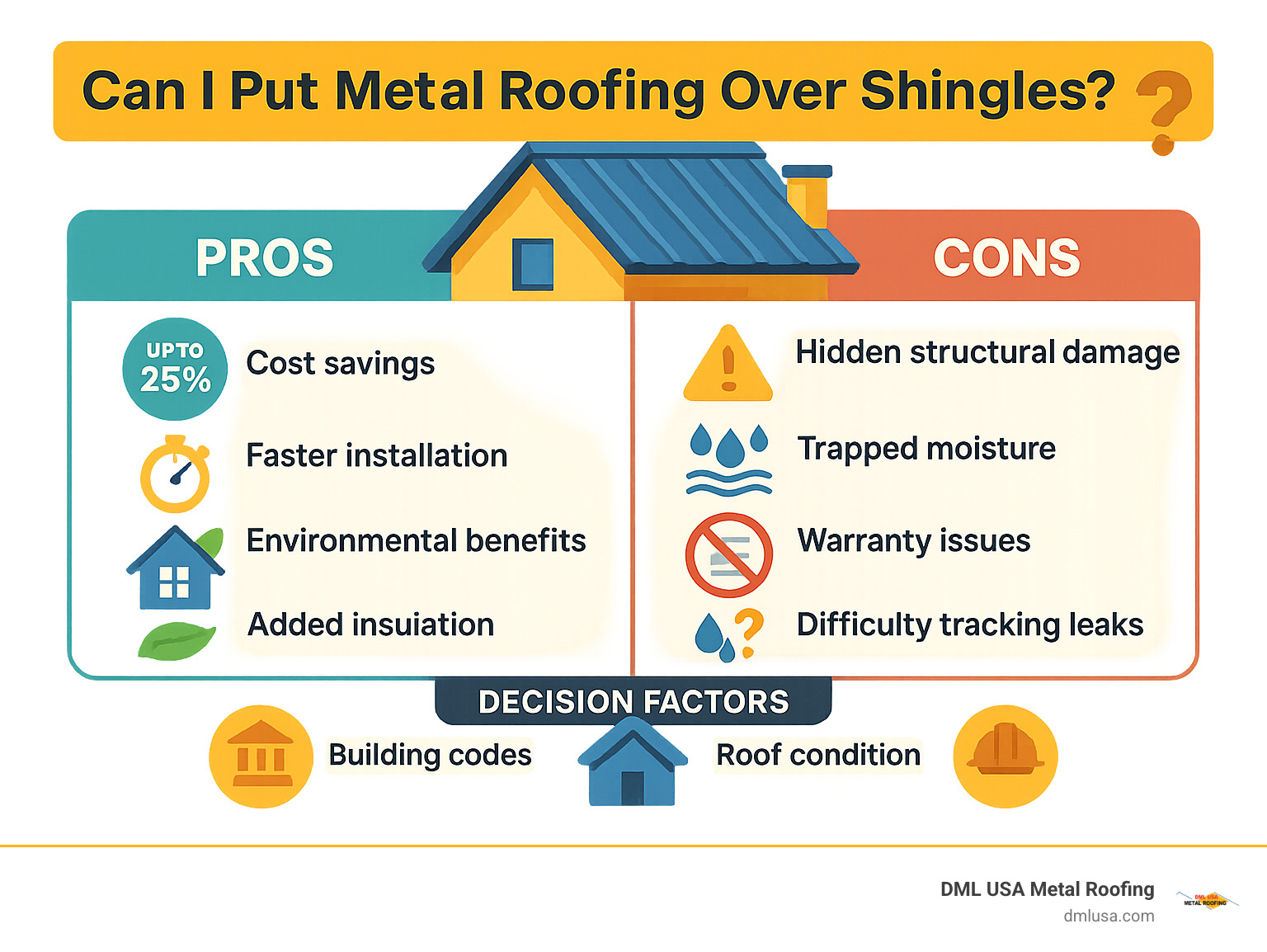
Simple guide to can i put metal roofing over shingles terms:
The Upside: Why Homeowners Consider a Roof Overlay
When homeowners across Illinois ask us “can I put metal roofing over shingles,” they’re usually thinking about one thing: saving money. And honestly, who can blame them? The idea of skipping the messy, expensive tear-off process while still getting a beautiful, durable metal roof sounds pretty appealing.
Installing metal roofing over existing shingles – what we call a “roof overlay” – can deliver some genuine benefits. You avoid the labor-intensive tear-off phase, which means less disruption to your daily life and fewer trucks hauling debris away from your home. Plus, you’re keeping those old shingles out of the landfill, which is a win for the environment.
The cost savings alone make many homeowners seriously consider this option. When you factor in the disposal fee avoidance and labor reduction, the numbers can be pretty compelling. But there’s more to the story than just upfront savings.
Metal roofing naturally provides excellent energy efficiency through solar reflectance – it bounces heat away from your home instead of absorbing it like traditional shingles. When you install it over existing shingles, you actually get an added insulation layer from those old shingles underneath. It’s like getting a bonus thermal barrier.
From an environmental perspective, this approach offers significant benefits. Metal roofing is already a greener building option since it’s made from recycled materials and is 100% recyclable. By choosing an overlay, you’re also preventing landfill waste reduction by keeping those old shingles in place instead of sending them to the dump.
What are the cost and time savings?
Let’s talk numbers – because that’s usually what matters most to homeowners considering this option.
The labor cost savings can be substantial. We typically see up to 25% labor cost savings when installing metal roofing over existing shingles. That’s real money back in your pocket, which you could use for other home improvements or simply keep for yourself.
The faster installation timeline is another major advantage. Without needing to strip off the old roof, our crews can focus entirely on installing your new metal roof. This means less disruption to your family’s routine – no weeks of hammering, scraping, and debris removal. The reduced project duration also means you’re not dealing with an exposed roof deck if weather doesn’t cooperate.
Think about it: no tear-off phase means no dumpster sitting in your driveway for weeks, no constant noise of old shingles being ripped off, and no dust and debris floating around your property. Your neighbors will appreciate it too!
How does it impact energy efficiency and the environment?
Here’s where metal roofing really shines, and installing it over shingles can actually improve some of these benefits.
The cool roofing effect is one of metal roofing’s biggest advantages. Metal reflects solar heat instead of absorbing it, which can lead to reduced cooling costs during those hot Illinois summers. When you install metal over existing shingles, those old shingles provide added insulation from shingles underneath, creating an extra thermal barrier.
From an environmental standpoint, you’re making a smart choice. Recyclable metal roofing already has excellent green credentials, and by avoiding shingle landfill waste, you’re doubling down on environmental responsibility. Those old asphalt shingles would otherwise end up in a landfill, where they’ll sit for decades.
The energy efficiency benefits are real and measurable. Many homeowners see noticeable reductions in their cooling bills thanks to metal roofing’s reflective properties. More on metal roofing vs shingles shows just how significant these energy savings can be over time.
Can I put metal roofing over shingles while maximizing these environmental and efficiency benefits? Absolutely – when done correctly, this approach can deliver both immediate cost savings and long-term environmental benefits.
The Downside: Major Risks of Not Tearing Off Your Old Roof
I’ll be honest with you – while the cost savings of installing can i put metal roofing over shingles sounds appealing, there are some serious risks we need to talk about. At DML USA Metal Roofing, I’ve seen too many homeowners learn these lessons the hard way, and I’d rather you know what you’re getting into upfront.
Think of it this way: when you cover up your existing roof, you’re essentially putting a beautiful new coat on without knowing what’s underneath. It’s like buying a house without getting an inspection – sometimes you get lucky, but sometimes you find expensive problems later.
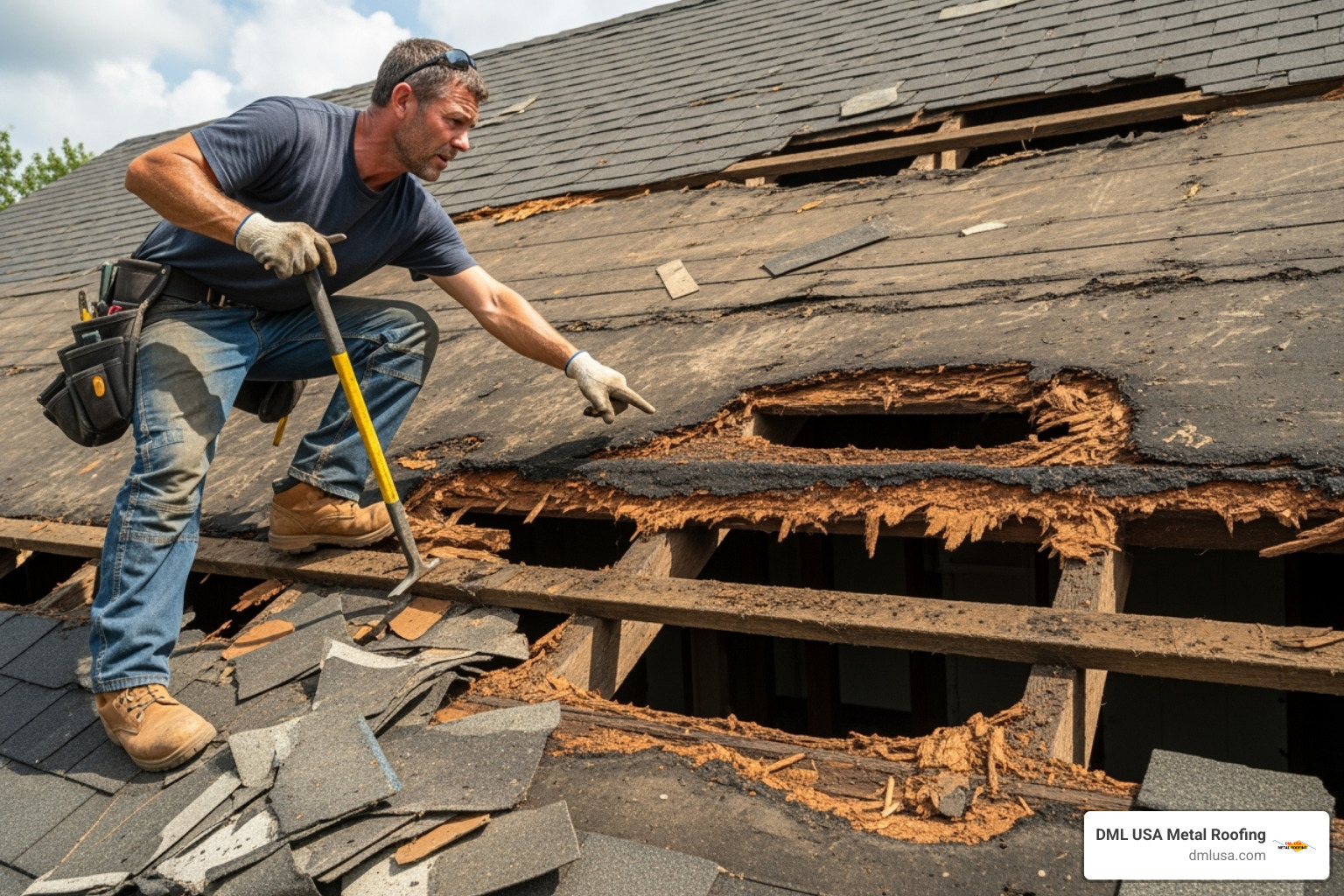
The biggest concerns revolve around hidden structural damage, trapped moisture, and ventilation issues that can turn your money-saving decision into a costly nightmare. When problems exist beneath those old shingles, covering them up doesn’t make them disappear – it just makes them invisible until they become much bigger and more expensive to fix.
I’ve seen cases where homeowners saved $3,000 on installation costs, only to spend $15,000 two years later dealing with mold and rot that developed in the hidden space between roof layers. The aesthetic issues can be frustrating too – uneven surfaces and telegraphing can make your beautiful new metal roof look wavy or bumpy, which isn’t exactly the curb appeal boost you were hoping for.
Perhaps most concerning is that many warranty issues arise from overlay installations. Some manufacturers void their warranties entirely if you don’t follow their installation guidelines, which often require a complete tear-off.
What are the potential problems when I put metal roofing over shingles?
Let me walk you through the specific issues that keep me up at night when homeowners ask about overlay installations.
Concealed decking rot is by far the scariest problem. Your roof decking is like the foundation of your roof system. When we install over existing shingles, we can’t inspect this critical component for water damage, rot, or structural weaknesses. I’ve pulled back metal roofing on overlay jobs to find decking so rotted you could poke your finger through it. Adding even lightweight metal roofing to compromised decking can cause sagging and potentially dangerous structural failure.
Added structural weight might not seem like much, but every pound counts when your roof structure is already stressed. Even though metal roofing is lighter than many alternatives, you’re still adding weight to a system that might already be carrying multiple layers of old shingles. Compromised trusses can fail gradually, leading to expensive structural repairs.
Here’s where things get really problematic: trapped moisture between layers. When water finds its way between your new metal roof and old shingles (and it will), it creates a perfect environment for problems. This trapped moisture can’t dry out properly, leading to metal roof condensation issues that cause mold, mildew, and accelerated deterioration of your roof decking.
The inability to replace old underlayment is like building a high-performance car on a cracked foundation. Your underlayment is your roof’s last line of defense against water intrusion. When you overlay, you’re stuck with whatever old, potentially degraded underlayment was already there. This means your brand new, long-lasting metal roof is only as good as the aging water barrier underneath it.
Voided manufacturer warranties can be the most expensive surprise of all. Many metal roofing manufacturers have strict installation requirements, and failing to follow them can leave you completely unprotected if problems arise with the metal roofing itself.
Why are leaks harder to track and repair?
Imagine trying to solve a puzzle where half the pieces are hidden under another puzzle. That’s what leak detection becomes with an overlay system.
With two potential failure points, water becomes incredibly sneaky. It might enter through a small gap in the metal roofing, then travel along the surface of the old shingles underneath before finally dripping into your living room – possibly 20 feet away from where it actually entered.
Water traveling between layers follows the path of least resistance, which might be an old nail hole, a gap between shingles, or a previously damaged area you never knew existed. This makes difficult source detection a time-consuming and expensive process, even for experienced professionals.
The increased repair complexity means higher costs when problems do arise. Instead of simply fixing one roof system, we might need to remove sections of the new metal roof, address issues in the old shingle layer, and then reinstall everything properly. These higher long-term repair costs can quickly eliminate any savings you gained from the original overlay installation.
I’ve seen homeowners spend more on leak repairs over five years than they would have spent on a complete tear-off initially. It’s one of those situations where trying to save money upfront can cost you significantly more in the long run. For more insight into installation pitfalls, check out our guide on common metal roof installation mistakes.
Your Pre-Installation Checklist: When Can I Put Metal Roofing Over Shingles?
Here’s the thing about can I put metal roofing over shingles – it’s not just a simple yes or no answer. Before we even start talking about those gorgeous DML USA Metal Roofing panels that’ll transform your home, we need to do some detective work. Think of this as your roof’s physical exam before we commit to the overlay approach.
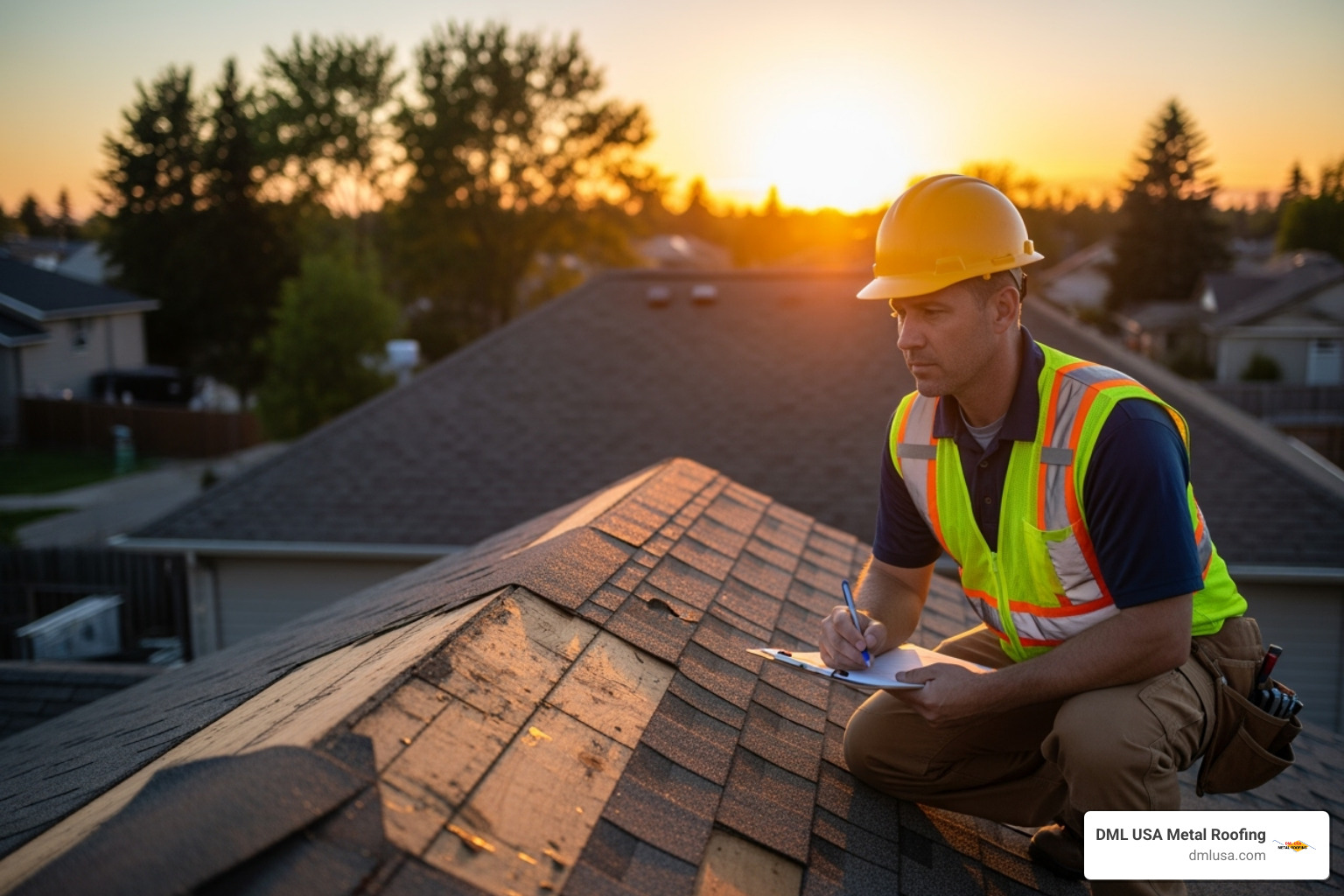
I’ve seen too many homeowners get excited about the cost savings of a roof overlay, only to find later that their situation required a full tear-off all along. That’s why we always start with this comprehensive checklist. It covers everything from the legal requirements in your area to the actual condition of what’s currently protecting your home.
The truth is, every roof tells a story. Some roofs are perfect candidates for an overlay – they’re structurally sound with shingles that are worn but still flat and stable. Others have underlying issues that need addressing before any new roofing material goes on top. Let’s figure out which category your roof falls into.
Checking Local Building Codes and Structural Integrity
First things first – let’s make sure we’re playing by the rules. Building codes aren’t just bureaucratic red tape; they’re designed to keep your family safe and your investment protected.
The number of existing roof layers is usually the first hurdle. Most building codes in Illinois and across the country limit you to a maximum of two roofing layers total. If you already have two layers of shingles up there, you’re looking at a mandatory tear-off before that beautiful metal roof can go on. No exceptions, no shortcuts.
Weight limits are another crucial consideration. While metal roofing is incredibly lightweight compared to other materials, we’re still adding load to your roof structure. Your home’s framing was designed to handle specific loads, and we need to respect those limits. This is especially important in older homes where the original construction might not meet today’s standards.
Sometimes we recommend an engineer consultation, particularly for homes built before modern building codes. A structural engineer can evaluate your roof’s framing, trusses, and overall load-bearing capacity. It’s a small investment that can prevent major problems down the road.
Keep your eyes open for sagging roof decking or buckling trusses – these are major red flags. If you notice any dips in your roofline or see stressed framing members in your attic, an overlay is off the table. These structural issues need immediate attention with a complete tear-off and repair. You simply can’t build a strong, long-lasting roof on a compromised foundation. For more insights on when replacement is necessary, check out why you need a new roof.
Assessing the Condition of Your Existing Shingles
Now let’s talk about your current shingles. They’re about to become the foundation for your new metal roof, so they need to be up to the task.
Curling or cracking shingles are telling you they’re ready for retirement. When shingles start curling at the edges or developing cracks, they create an uneven surface that can telegraph through your new metal panels. Nobody wants a wavy-looking roof that screams “something’s not right up there.”
Missing or damaged shingles need attention before any overlay work begins. We can’t just ignore bare spots or severely damaged areas – they need to be repaired and secured first. Otherwise, you’re building your beautiful new roof on an unstable base.
Watch out for widespread granule loss too. Those little granules aren’t just decorative; they protect the shingle material underneath. When they’re mostly gone, the shingles are deteriorating and won’t provide the stable surface a metal roof needs.
Existing leaks or water damage are absolute deal-breakers for an overlay approach. I can’t stress this enough – covering up a leak doesn’t fix it. It just makes it harder to find and repair later, potentially causing extensive damage to your home’s structure. Any water infiltration issues must be resolved before we even think about installing new roofing.
The bottom line is that your existing shingles need to provide a flat and stable surface. If they’re heavily distorted, buckled, or severely uneven, those imperfections will show through your new metal roof. In these cases, a complete tear-off is the only way to achieve the smooth, professional appearance you want and deserve from your investment in quality metal roofing.
How It’s Done: Installation Methods and Preparation
Now that we’ve determined your home is a good candidate for can i put metal roofing over shingles, let’s talk about how it actually gets done. This isn’t a weekend DIY project – proper installation requires specific techniques and careful preparation to ensure your new DML USA Metal Roofing system performs beautifully for decades to come.
The installation process is where the rubber meets the road, so to speak. Get it right, and you’ll enjoy all the benefits of metal roofing – energy efficiency, durability, and that gorgeous curb appeal. Get it wrong, and you could face problems that cost far more than any initial savings from skipping the tear-off.
Comparing Installation Methods: Furring Strips vs. Direct Attachment
When installing metal roofing over existing shingles, we have two main approaches, and the choice can make a significant difference in your roof’s performance and appearance.
Direct attachment is the simpler approach – we install your new metal panels right over the existing shingles with a proper underlayment barrier in between. It’s faster and less expensive initially, but it comes with some trade-offs. The biggest concern is ventilation. Without adequate airflow between the layers, moisture can get trapped, leading to condensation issues that nobody wants to deal with.
Furring strips (also called battens) involve installing wooden strips over your existing shingles first, then attaching the metal panels to these strips. This creates an intentional air gap – what we call “Above Sheathing Ventilation” or ASV. Think of it as giving your roof room to breathe.
| Feature | Direct Attachment | Furring Strips |
|---|---|---|
| Cost | Lower initial cost (less material, less labor) | Higher initial cost (added materials and labor for strips) |
| Ventilation | Limited air gap; relies heavily on roof’s existing ventilation | Creates an intentional air gap for better ventilation and heat dissipation |
| Decking Protection | Relies on existing underlayment; less protection for old decking | Provides a new, level surface; new fasteners go into strips |
| Labor Intensity | Faster and less complex to install | More labor-intensive due to the added step of installing strips |
Here’s the honest truth: we usually recommend furring strips, especially here in Illinois where our weather can be unpredictable. That air gap is like insurance for your roof – it helps prevent moisture problems and gives you a flatter, more professional-looking finish. The extra cost upfront often pays for itself in better performance and fewer headaches down the road.
Some newer recover systems use patented clips that create this crucial airspace without extensive furring, which can reduce both material costs and labor while still providing excellent ventilation. It’s like getting the best of both worlds.
What preparation is crucial for a successful installation?
Here’s where attention to detail really matters. Proper preparation is what separates a roof that lasts 50+ years from one that gives you problems in just a few years.
Repairing damaged shingles is our first priority. Any missing, loose, or severely damaged shingles need to be fixed or replaced before we even think about installing metal. We’re essentially using your existing shingles as the foundation for your new roof, so they need to be solid. This includes tracking down and fixing any existing leaks – covering a leak with metal doesn’t make it disappear, it just makes it harder to find later.
Securing loose shingles comes next. Every shingle needs to be firmly attached to prevent movement that could cause your new metal panels to shift or create noise during wind storms.
Installing synthetic underlayment is a step we never skip, even when using furring strips. This high-quality barrier goes directly over your existing shingles and serves multiple purposes. It prevents old shingle granules from potentially affecting your new metal panels, provides an extra layer of water protection, and creates a clean, uniform surface to work with.
Creating a smooth, even plane is critical for both performance and appearance. Whether we achieve this through careful shingle repair or strategic furring strip placement, the goal is the same – a flat, stable surface that allows your metal panels to lay properly. Nobody wants a wavy-looking roof that telegraphs every imperfection from the old shingles underneath.
Ensuring proper ventilation space might be the most important step of all. Without adequate airflow, moisture becomes trapped between layers, creating perfect conditions for mold, rot, and corrosion. This means checking that your soffit vents and ridge vents are working properly and, ideally, creating that air gap we talked about earlier. Proper ventilation doesn’t just prevent problems – it also helps your roof perform better by reducing heat buildup in summer.
For more detailed guidance on the installation process, check out our comprehensive guide on how to install a metal roof over shingles. And if you want to dive deeper into professional installation techniques, the Metal Construction Association offers excellent further reading on retrofit roofing practices.
The Final Verdict: Is a Metal Roof Overlay Right for You?
After diving deep into all the pros and cons, you’re probably wondering: can I put metal roofing over shingles for my home? The honest answer isn’t black and white. It’s like asking whether you should repair your car or buy a new one – it depends on what’s under the hood.
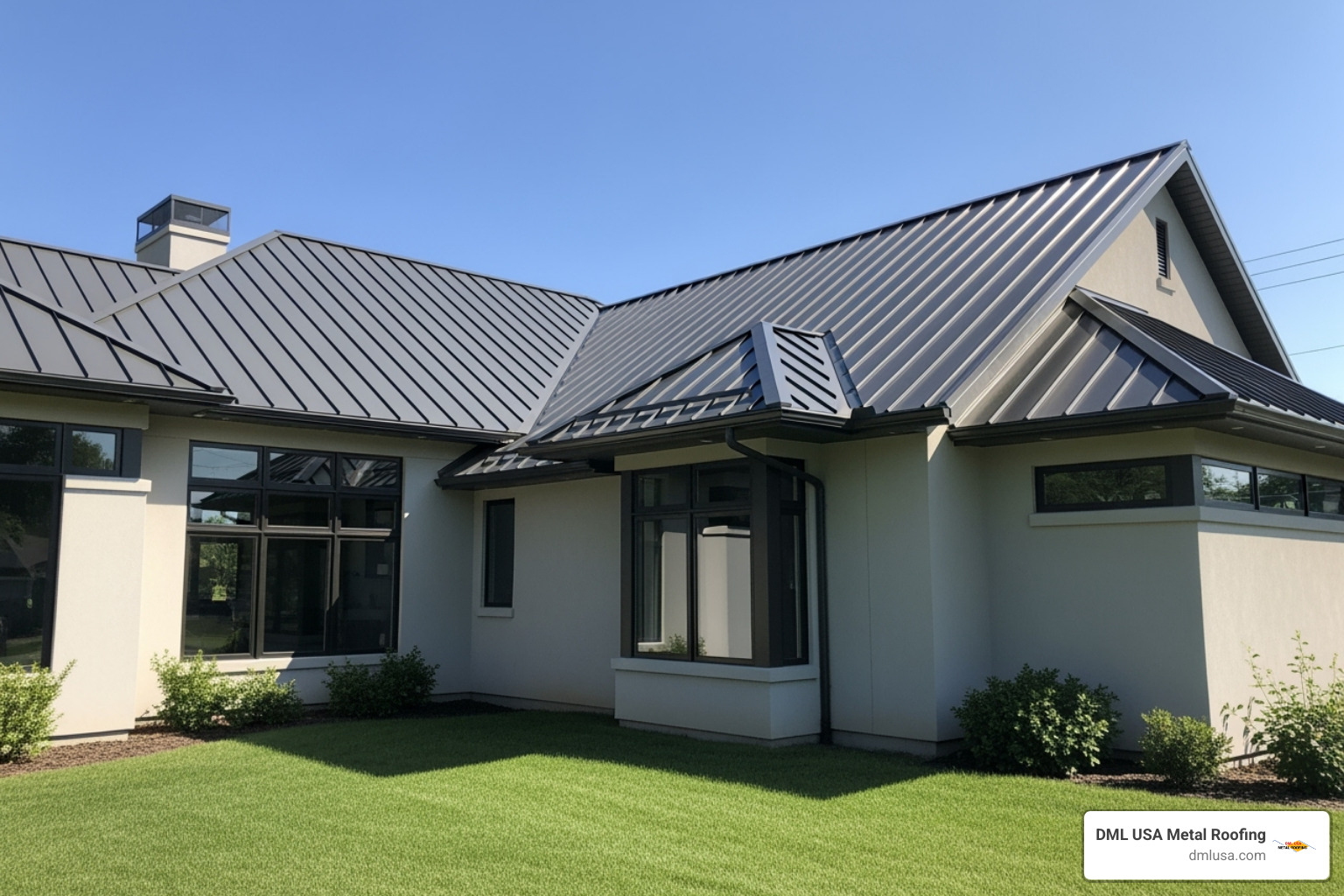
While the appeal of saving money and time with an overlay is strong, we’ve seen too many homeowners face expensive surprises down the road. At DML USA Metal Roofing, we believe in being straight with our customers – even when it means recommending the more expensive option upfront.
Here’s what we’ve learned after years of installing metal roofs across Illinois: the short-term savings of an overlay rarely outweigh the long-term value and peace of mind that comes from doing it right the first time.
That’s why our tear-off recommendation stands firm whenever structurally and financially possible. When we completely remove your old shingles, we’re exposing the roof deck to daylight for the first time in decades. This lets us see exactly what we’re working with – no surprises, no hidden problems waiting to bite you later.
Ensuring structural soundness means checking every square inch of your roof deck for rot, damage, or weakness. We can replace compromised sections and make sure your home’s foundation is rock-solid before your beautiful new metal roof goes on. This proper installation of all new components includes fresh underlayment designed specifically for metal roofing, updated ventilation systems, and flashing that will keep water out for decades.
Think of it this way: you’re investing in a DML USA Metal Roofing system that could easily last 50 years or more. Our high-quality materials and focus on durability mean this roof might be the last one you ever buy. Why would you want to compromise that investment by building it on top of an unknown foundation?
Yes, a complete tear-off costs more upfront. But when you factor in the potential repair costs, warranty issues, and shortened lifespan of an overlay installation, the math often works out in favor of starting fresh. Plus, you’ll sleep better knowing exactly what’s protecting your family overhead.
Ready to explore your options? We’d love to show you what makes our metal roofing systems special. Explore our metal roofing products and see why homeowners across Chicago, Northlake, and throughout Illinois trust DML USA Metal Roofing for their most important investment – their home’s protection.