

Cap Roofing: 1 Premier Guide for 2025
Cap Roofing: Your Home’s Protective Crown
Your home’s roof protects you from the weather. And cap roofing is the top layer, like a hat for your house.
So, what exactly is cap roofing?
- For flat or low-slope roofs, cap roofing is often a cap sheet. This is a strong, multi-layered membrane.
- For sloped roofs, it means ridge and hip caps. These pieces cover the roof’s peaks and angles.
- Its main job is to seal the roof. This stops water, pests, and leaves from getting in.
This top layer is your first line of defense. It guards against rain, wind, and harsh sun. It’s the finishing touch that keeps your home safe and dry.
I’m Adam Kadziola. At DML USA Metal Roofing, I use my experience in manufacturing and home renovations to understand cap roofing systems. My goal is to deliver lasting quality and make sure homes are truly safe from the elements.
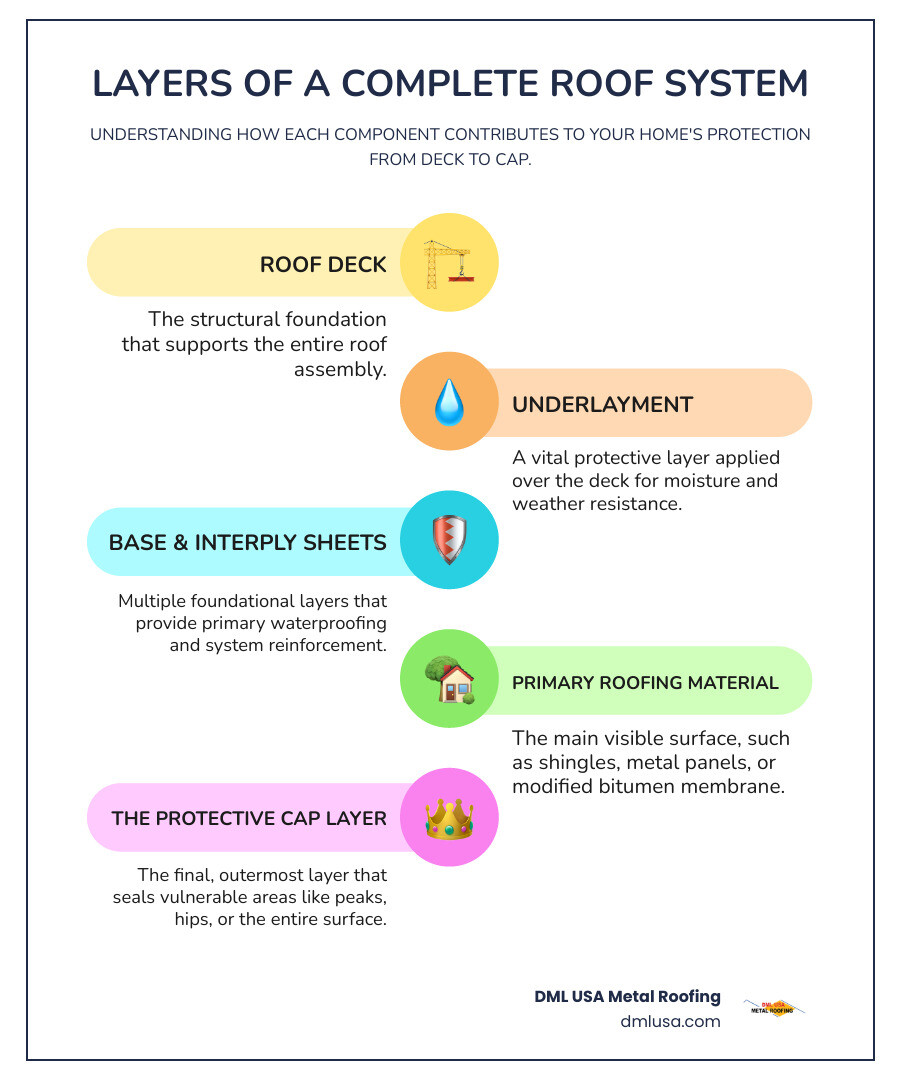
Handy cap roofing terms:
What is Roof Capping and Why Does it Matter?
Imagine your home’s roof as a giant umbrella. Cap roofing is the crucial component that seals the most vulnerable areas, ensuring nothing gets through. It’s not just for looks; it’s a vital part that seals the ridges and hips of your roof. Without proper capping, your home is open to the elements, making it prone to leaks, pests, and structural damage.
The main job of cap roofing is to seal and protect the critical spots where different parts of your roof meet. These include the ridges (the horizontal peaks) and the hips (the angled lines where roof sections meet). These areas are particularly exposed to wind and rain, making them prime spots for water intrusion if not properly sealed.
Effective cap roofing offers several key benefits:
- Leak Prevention: By sealing seams and edges, caps stop water from seeping into your attic or walls, saving you from costly water damage.
- Pest Prevention: Well-installed caps close off potential entry points, keeping unwelcome insects and critters out of your home.
- Debris Barrier: Caps help stop leaves and twigs from piling up in vulnerable spots, which can lead to moisture buildup and rot.
- Improved Ventilation: Many ridge caps are designed with vents, allowing hot air to escape from your attic. This can lower your energy bills and prevent moisture issues.
- Improved Curb Appeal: Crisp, well-defined caps give your home a clean, finished appearance that boosts its overall look.
The Anatomy of a Cap Sheet System
For roofs that are flat or have a low slope, cap roofing often refers to a multi-layered cap sheet system. Think of it as a strong, carefully constructed sandwich for your roof. It’s designed to create a watertight, durable surface that can handle the challenges of low-slope areas, where water doesn’t run off quickly.
A typical cap sheet system includes:
- Base Sheets: These foundational layers, usually made of asphalt-soaked fiberglass or polyester, are fastened to the roof deck. They provide the first layer of waterproofing.
- Interply Sheets: Used in multi-layer systems, these add structural strength and improve waterproofing.
- Top Cap Sheet: This is the outermost layer that gives cap roofing its name. Made of tough, weather-resistant modified bitumen, the cap sheet usually has a surface of mineral granules. These granules protect the asphalt from UV rays, provide fire resistance, and add a decorative finish. Historically called “90lb roofing,” modern versions are often lighter thanks to new technology.
This multi-layer system works together to protect your building and extend the life of your roof.
The Role of Ridge and Hip Caps
On steep-slope roofs, cap roofing comes in the form of ridge and hip caps. These are designed to cover the peaks and angled ridges where different roof sections meet, acting as protective armor for your roof’s vulnerable seams.
Since a roof’s peak faces the most intense weather, ridge and hip caps are essential for sealing these seams and stopping water from getting in. They come in different materials:
- Shingle Caps: These are pre-formed shingles made to bend over the ridge or hip. Some modern shingle caps even offer Class 4 impact resistance ratings for extra protection against hail.
- Metal Caps: This is where DML USA shines. Metal ridge and hip caps, made from galvanized steel, Galvalume, or aluminum, offer superior protection and longevity. They are custom-formed to fit your roof’s angles perfectly, providing a sleek, durable, and highly weather-resistant finish. They are a premier choice for maximum durability and minimal maintenance. You can learn more about Why Choose Metal Roofing on our site!
No matter the material, correct installation of ridge and hip caps is crucial for your roof’s strength and its ability to withstand strong winds.
A Tale of Two Roofs: Types of Cap Roofing
The type of cap roofing you choose depends on your roof’s slope and your climate. Low-slope (or flat) and steep-slope roofs require different materials and application methods to ensure long-term performance and durability.
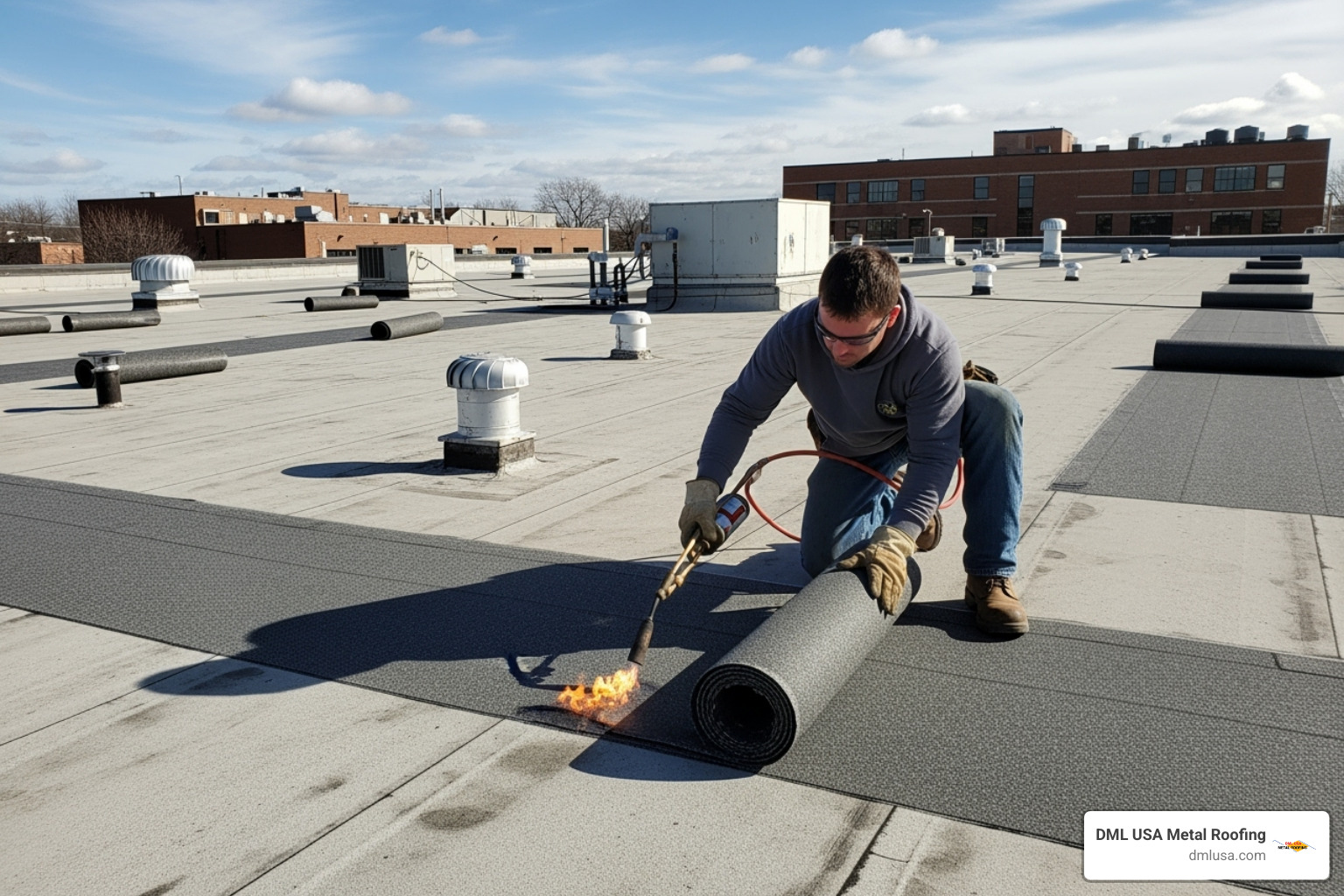
Low-slope roofs, common on commercial buildings, need materials that can handle slower drainage. Steep-slope roofs need caps that shed water quickly and withstand wind. Selecting the right type is paramount.
Understanding Low-Slope Cap Roofing
For low-slope roofs, Modified Bitumen is a leading choice for cap roofing. It’s a tough, flexible evolution of traditional asphalt roofing, engineered for durability and resistance to temperature changes. These membranes typically come in large rolls.
There are two main types of Modified Bitumen cap sheets:
- SBS-Modified Bitumen Cap Sheets: SBS (Styrene-Butadiene-Styrene) is a rubber-based polymer that gives the asphalt excellent flexibility, especially in the cold. This makes it highly resistant to cracking from temperature fluctuations. SBS sheets can be self-adhered (peel-and-stick) or applied with hot asphalt or cold adhesive.
- APP-Modified Bitumen Cap Sheets: APP (Atactic Polypropylene) is a plastic-based polymer that makes the asphalt highly resistant to heat and UV degradation. APP sheets are often applied using a torch-down method, where the underside is heated to create a strong bond with the roof. This makes it a great choice for hotter climates.
Both SBS and APP cap sheets typically have mineral granules on their surface to protect the underlying asphalt from UV rays, improve fire resistance, and add color.
Here’s a quick comparison:
| Feature | SBS-Modified Bitumen Cap Sheets | APP-Modified Bitumen Cap Sheets |
|---|---|---|
| Polymer Type | Rubber-based (Styrene-Butadiene-Styrene) | Plastic-based (Atactic Polypropylene) |
| Flexibility | Excellent, especially in cold weather; resistant to thermal shock | Good, but less flexible than SBS in cold; higher tensile strength |
| Heat Resistance | Good | Excellent; higher softening point |
| Application | Self-adhered, hot asphalt, cold adhesive | Torch-down (most common), hot asphalt, cold adhesive |
| Ideal Climate | Regions with extreme temperature variations, freeze-thaw cycles | Hot climates, high UV environments |
| Durability | Very durable, resistant to cracking | Very durable, resistant to blistering and flow |
Metal Ridge and Hip Caps: The Premier Cap Roofing Solution
For steep-slope roofs, especially those with metal roofing systems, metal ridge and hip caps are the gold standard. They offer best durability, longevity, and a sleek look that complements the strength of a metal roof.
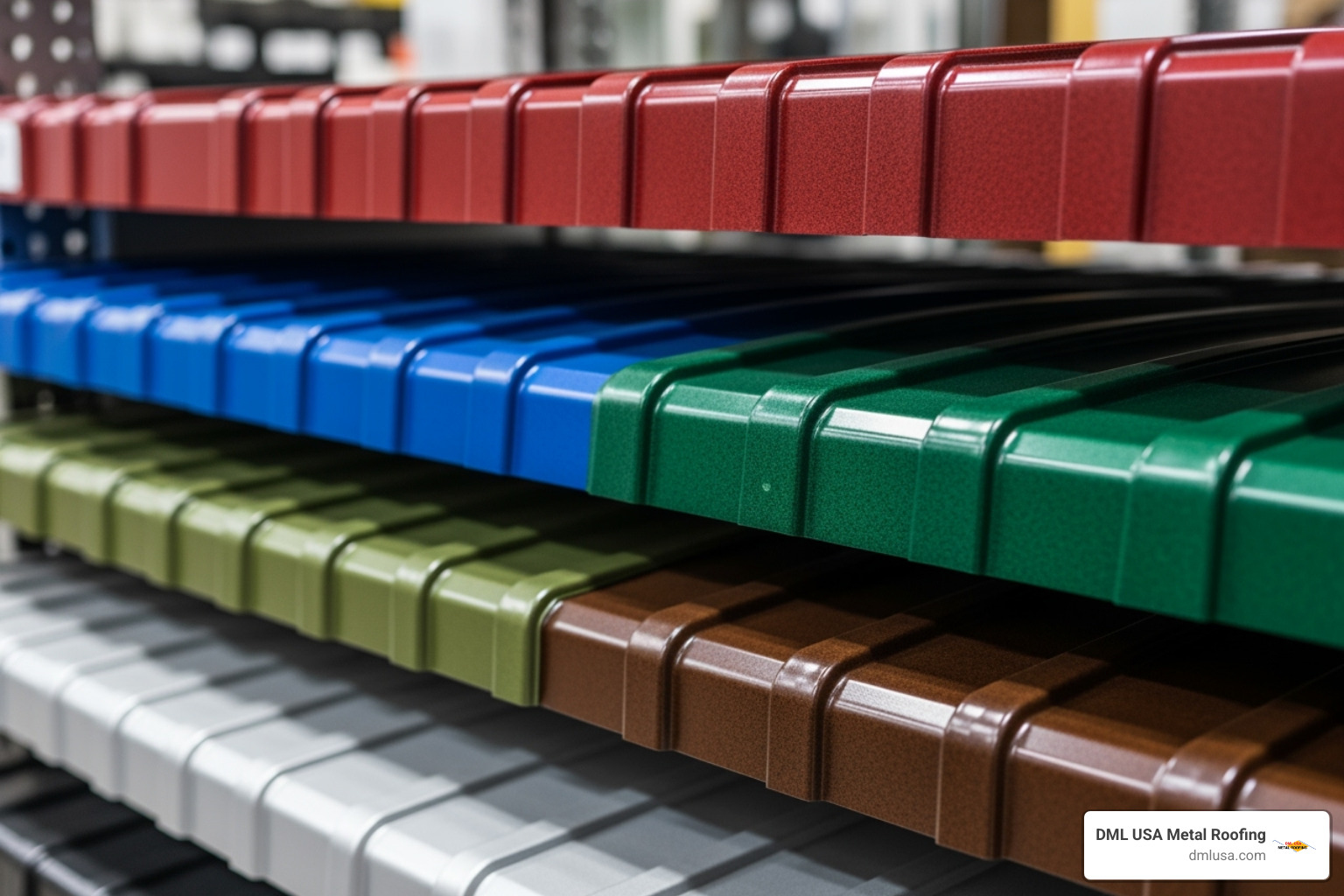
Our metal caps are crafted from high-quality materials like galvanized steel, Galvalume (an aluminum-zinc alloy for superior corrosion resistance), or aluminum. These are precision-formed components designed to fit your roof’s exact angles, creating a watertight and tough finish.
Choosing metal for your ridge and hip caps brings many benefits:
- Durability: Metal caps won’t crack, split, or rot. They stand strong against extreme weather, from heavy snow to high winds.
- Longevity: A Galvalume roof system can have a life expectancy of 60 years or more. Your metal caps are built to last for decades.
- High Wind Resistance: Properly fastened metal caps are incredibly resistant to wind uplift, which is critical in stormy regions.
- Class A Fire Rating: Metal is non-combustible, giving your roof a superior Class A fire rating and offering you peace of mind.
- Low Maintenance: Once installed, metal caps need very little attention. A simple rain shower usually keeps them clean.
At DML USA Metal Roofing, we proudly manufacture high-quality metal roofing products in Illinois. We focus on durable, maintenance-free solutions that offer energy tax credits and high resistance to fire, wind, and impact. To learn more, check out our guide: Why Choose Metal Roofing.
Our metal caps come in a wide array of colors to match your roof, including popular shades like Black, Red, Brown, Emerald Green, Cedar, Green, White, Gray, Tan, and Slate.
Key Considerations: Installation, Lifespan, and Cost
Choosing the right cap roofing is only the first step. Professional installation, expected lifespan, and overall cost are equally critical factors. A top-notch product installed poorly won’t provide the protection and peace of mind you deserve, which is why professional installation is essential.
Proper application ensures every seam is sealed tight and the system performs as it should for years. Getting the fasteners and seals right is the secret to a long-lasting, leak-free roof.
The Installation Lowdown
A proper cap roofing installation is a precise process that demands skill and attention to detail to ensure your roof stands strong for decades.
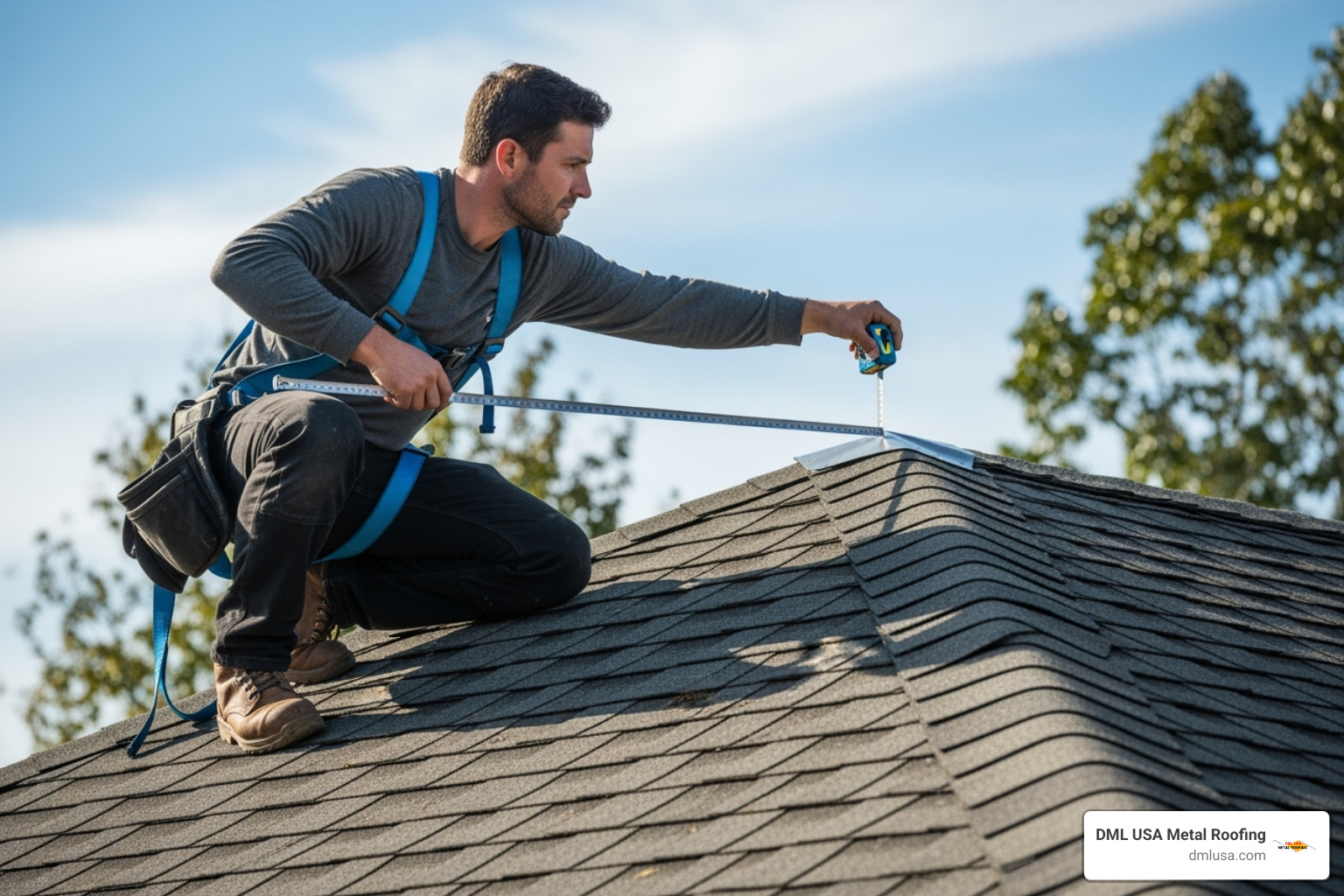
- Surface Preparation: The roof must be completely clean, dry, and smooth. All dust, debris, and old, unsound materials must be removed. A primer may be applied to ensure perfect adhesion.
- Layer Application (Low-Slope): Base sheets are fastened to the deck, followed by any interply and the final cap sheet. Methods like heat welding, hot asphalt, or self-adhering systems create a seamless, watertight membrane.
- Cap Placement (Steep-Slope): Ridge and hip caps are carefully aligned over the roof’s peaks. Metal caps use specialized clips and fasteners, often with mechanical seaming, to create a strong, weather-tight bond.
- Quality Control: All seams, edges, and penetrations are thoroughly checked and sealed according to manufacturer guidelines and recognized ASTM roofing standards to protect your warranty and ensure performance.
Lifespan and Maintenance
How long will your cap roofing last? With proper installation and care, cap sheet roofing systems have a lifespan of 20 to 30 years. If you choose metal caps as part of a metal roofing system, they can easily last 60 years or even more.
To reach these impressive numbers, proactive maintenance is key:
- Semi-Annual Inspections: Check for potential issues like seam separation, loose caps, or granule loss in the spring and fall.
- Debris Removal: Keep the roof clear of leaves and branches that can trap moisture and cause premature wear.
- Check for Ponding Water: On low-slope roofs, water sitting for more than 48 hours is a problem that needs to be addressed to prevent damage.
- Timely Repairs: A small tear or loose cap can become a major headache if left unaddressed. Fix issues promptly.
- Drainage System Cleaning: Keep gutters and downspouts clear to ensure water moves off your roof properly. For more tips, check out our Blog.
Breaking Down the Cost
The cost of cap roofing varies based on the system, materials, labor, and roof complexity. As a general guide, cap sheet roofing often ranges from $4 to $8 per square foot installed. Several factors can influence the final price:
- Material Quality: Premium options like thicker modified bitumen sheets or specialized metal alloys have a higher upfront cost but offer better long-term value.
- Application Method: Labor costs differ for self-adhered, torch-down, or hot-applied systems, which may require specialized expertise.
- Roof Size and Complexity: A larger roof or one with many angles and obstacles will require more material and labor.
- Labor Costs: These vary by region and the contractor’s experience level.
- Existing Roof Condition: If your old roof needs extensive repairs or complete removal, this will be factored into the total cost.
When comparing quotes, look beyond the initial price. Consider the material’s lifespan, maintenance needs, and potential energy savings. While metal caps might have a higher upfront cost, their superior longevity, minimal maintenance, and excellent energy efficiency often make them a more cost-effective choice over the decades.
Frequently Asked Questions about Roof Caps
We often get questions from homeowners and builders about cap roofing. Understanding this vital part of your home’s protection helps you make informed choices. Here are some of the most common questions we encounter.
Is cap sheet roofing suitable for all climates?
Yes, but choosing the right type of cap roofing material for your climate is essential.
- For low-slope cap sheet systems:
- In regions with cold winters and temperature swings, SBS-modified bitumen is ideal. Its rubber-like flexibility prevents cracking.
- In hot, sunny climates, APP-modified bitumen is a great choice. Its plastic-like properties give it excellent resistance to heat and UV rays.
- For steep-slope metal caps: Metal is incredibly versatile. Our caps made from Galvalume or aluminum perform exceptionally well in all conditions, from freezing winters to sweltering summers.
A professional roofer can help you select the perfect material to ensure your roof provides maximum protection for decades.
Can cap roofing be installed over an existing roof?
This is sometimes an option, but it requires a professional assessment. An overlay is only possible if the existing roof is clean, dry, smooth, and structurally sound enough to support the new system’s weight.
While an overlay can save on initial removal costs, removing the old roof is almost always the recommended best practice, especially for metal caps. A tear-off allows a roofer to inspect the roof deck for hidden damage and ensures a perfect surface for the new cap roofing system. This maximizes its lifespan and performance. Always consult with a professional to determine the best approach for your home.
What are the main components of a cap roofing system?
The components of a cap roofing system depend on whether it’s for a low-slope or steep-slope roof. Both are designed to provide the ultimate protective layer for your home.
-
For Low-Slope Cap Sheet Roofing Systems: This is a multi-layered system built for flat or gently sloped roofs.
- The Base Sheet is the initial waterproof layer applied to the roof deck.
- Interply Sheets are optional extra layers that add strength and waterproofing.
- The Cap Sheet is the heavy-duty, outermost layer. It’s a tough modified bitumen membrane, often covered with protective mineral granules to shield against UV rays and weather.
-
For Steep-Slope Cap Roofing Systems (Ridge and Hip Caps): These components are designed to cover the peaks and angles of sloped roofs.
- A Ridge Cap is a specially formed material (like metal or asphalt) that covers the horizontal peak where two roof planes meet.
- A Hip Cap is similar but covers the angled lines where two roof planes meet at an external corner.
In short, a low-slope system is a layered membrane, while for steep-slope roofs, the “cap” refers to the specific pieces that seal the roof’s most vulnerable points.
Conclusion
We’ve explored how cap roofing, from robust cap sheets on low-slope roofs to sleek metal caps on steep-slope homes, is far more than just a finishing touch. It is the protective crown of your home, absolutely critical for its durability and defense against the elements.
The evolution of materials, from traditional asphalt to advanced modified bitumen and the timeless strength of metal, reflects a constant push for better performance and longer life. These systems are engineered to stand up to the harshest sun, rain, and wind.
For homeowners and builders seeking the best in protection, longevity, and low maintenance, we believe that metal caps, as part of a complete metal roofing system, are a superior, long-lasting choice. Their inherent strength, fire resistance, impressive wind resistance, and energy efficiency make them an intelligent investment that pays dividends for decades.
Here at DML USA Metal Roofing, we are proud to be an Illinois-based manufacturer dedicated to crafting high-quality, durable, and maintenance-free metal roofing products. Our mission is to help you “cap it off right” with solutions that perform exceptionally and can offer energy tax credits.
Ready to give your home the ultimate protective crown it deserves? We invite you to Explore our durable metal roofing products and find how DML USA can help you achieve a roof that’s built to last.