

Do metal roof cost more than shingle roofing? 5 Key Facts 2025
Do Metal Roof Cost More Than Shingle Roofing? Quick Answer
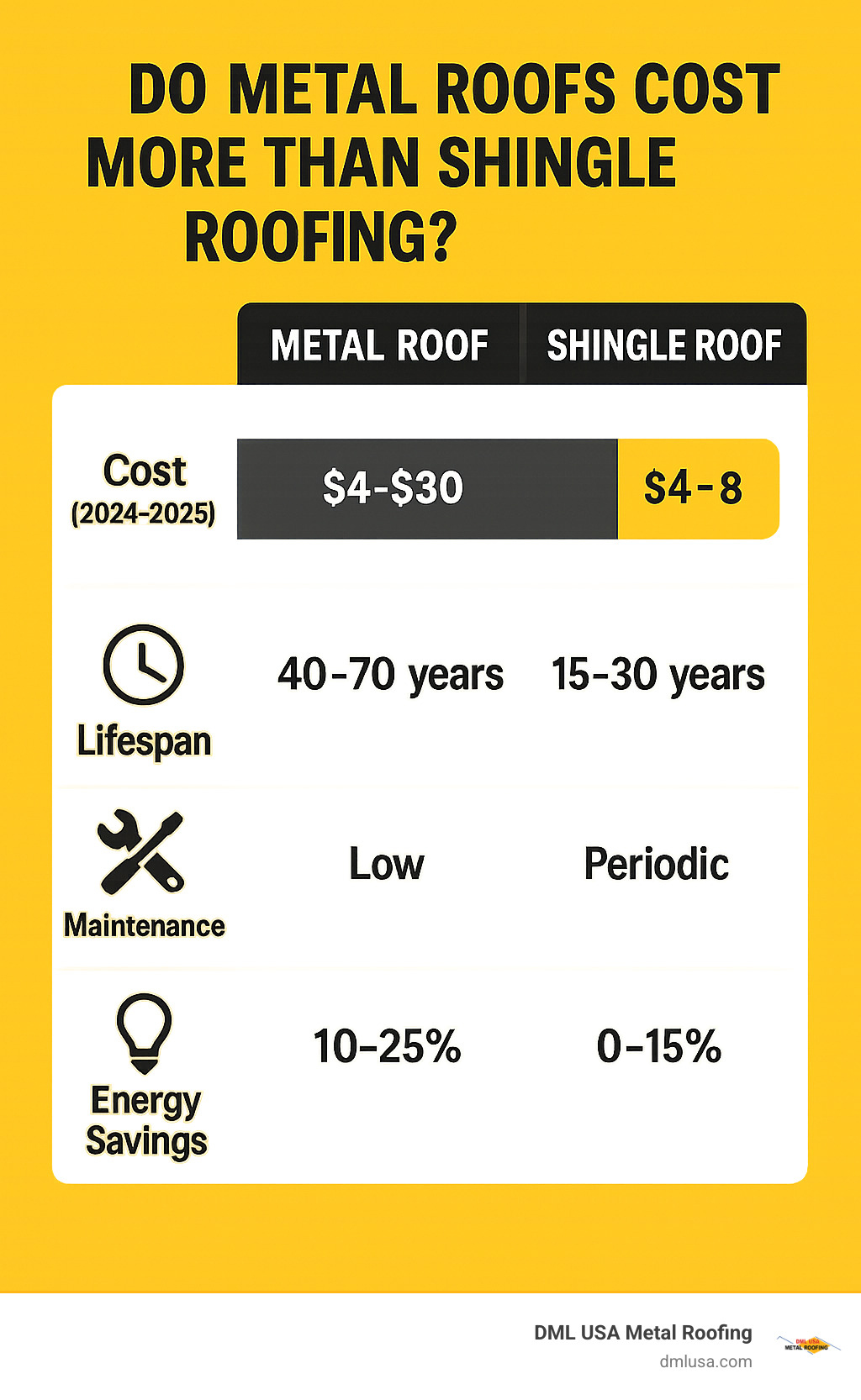
If you’re wondering: do metal roof cost more than shingle roofing, here’s the short answer up front:
| Roof Type | Average Installed Cost per Sq. Ft. (2024/2025) | Typical Total Cost (1,700 sq ft home) | Lifespan |
|---|---|---|---|
| Metal Roof | $4–$30 | $15,000–$24,500+ | 40–70 years |
| Asphalt Shingles | $1.50–$8 | $7,225–$14,025 | 12–30 years |
- Metal roofs cost more than shingle roofing upfront—often 2–3× as much.
- Metal lasts 2–3× longer, with lower maintenance and energy bills.
- Shingle roofs are cheaper at first but require more frequent replacement.
“Asphalt shingle roofs are still the most popular choice for American homes, but metal roofs are becoming more common; they cost more upfront but last for decades and provide great long-term value.”
Choosing between metal and shingle roofs isn’t just about price. It’s about total value, durability, and what works for your home and lifestyle.
My name is Adam Kadziola, founder of DML USA Metal Roofing. With over a decade of hands-on experience helping homeowners compare roofing options, I’ve seen how the question do metal roof cost more than shingle roofing shapes renovation budgets and peace of mind.
Find more about do metal roof cost more than shingle roofing:
– metal shingle roof cost
– cost difference between metal roof and shingle roof
Do Metal Roofs Cost More Than Shingle Roofing?
If you’re asking yourself, do metal roof cost more than shingle roofing, the honest answer is yes—at least when it comes to the initial price tag. Metal roofs almost always cost more upfront than asphalt shingle roofs. In fact, metal roofing can be about two or even three times the initial price of a standard shingle roof. But as any seasoned homeowner (or roofer!) will tell you, the story doesn’t end with that first check.
Let’s dive deeper into the numbers and see what’s really behind the costs:
| Cost Factor | Metal Roofing | Asphalt Shingles |
|---|---|---|
| Material Cost per Sq. Ft. | $4.50–$16.00 | $4.00–$8.00 |
| Labor per Square (100 sq ft) | $300–$500 | $200–$300 |
| Total Installed Cost | $7,500–$40,000 | $5,700–$12,000 |
| Warranty Period | 15 years–Lifetime | 25–50 years |
| ROI at Resale | 85–95% | Up to 70% |
| Energy Savings | 10–25% cooling costs | Minimal |
So, why the price gap? Metal roofing materials cost more to produce, often require specialized installation skills, and typically include premium features like better warranties and improved energy savings. But don’t let sticker shock cloud your judgment—remember, metal roofs are built to last decades longer than shingles, with a lot less maintenance along the way.
Average 2025 Cost Snapshot
For 2025, here’s a closer look at what you’ll pay:
- Exposed fastener metal roofs come in at about $4.50–$6.50 per square foot.
- Steel standing seam—the popular sleek look—ranges from $12.00–$16.00 per square foot.
- Premium metals like copper or zinc are top-shelf, running $20.00–$50.00 per square foot.
- National median for metal roof installation: $8–$14 per square foot.
Asphalt shingles cost less, but the range depends on the type:
– 3-tab shingles: $3.50–$5.50 per square foot.
– Architectural shingles: $5.00–$6.00 per square foot.
– Luxury shingles: $8.00+ per square foot.
– National median for shingles: $4.25–$6.00 per square foot.
One thing to keep in mind: metal roof prices can swing up or down quickly depending on the steel and aluminum markets. If global prices jump, so do roofing quotes. Shingles are more stable, but they’re not immune to price bumps either.
Regional Price Swings & Permit Fees
Where you live makes a real difference in what you’ll pay. Here in the Midwest—including our Illinois backyard—labor costs are usually lower than on the coasts. You might also save on material transport if you’re close to steel mills.
Permit fees also factor in. Most towns charge $150–$500, sometimes as a percentage of the project. Because metal roofs cost more overall, your permit fee might be a little higher, too.
Still, Midwest homeowners tend to pay $2,000–$5,000 less for the exact same metal roof than folks out on the coasts. Geography pays off!
Bottom line: Yes, metal roofs cost more than shingle roofing at the start, but you’re also getting a roof that’s tougher, lasts far longer, and can help cut your energy bills. If you’re planning to stay in your home for the long haul, the value might surprise you.
Want to see how different metal roofing options stack up? Take a look at our products page for more info on styles and pricing. And if you still find yourself asking, do metal roof cost more than shingle roofing, check out our detailed guides or reach out—we’re always here to help!
Breaking Down the Cost Drivers
Understanding why do metal roof cost more than shingle roofing requires examining each component that goes into your final bill. At DML USA Metal Roofing, we manufacture high-quality, affordable metal roofing products, so we know exactly what drives these costs—and more importantly, where you can find real value.
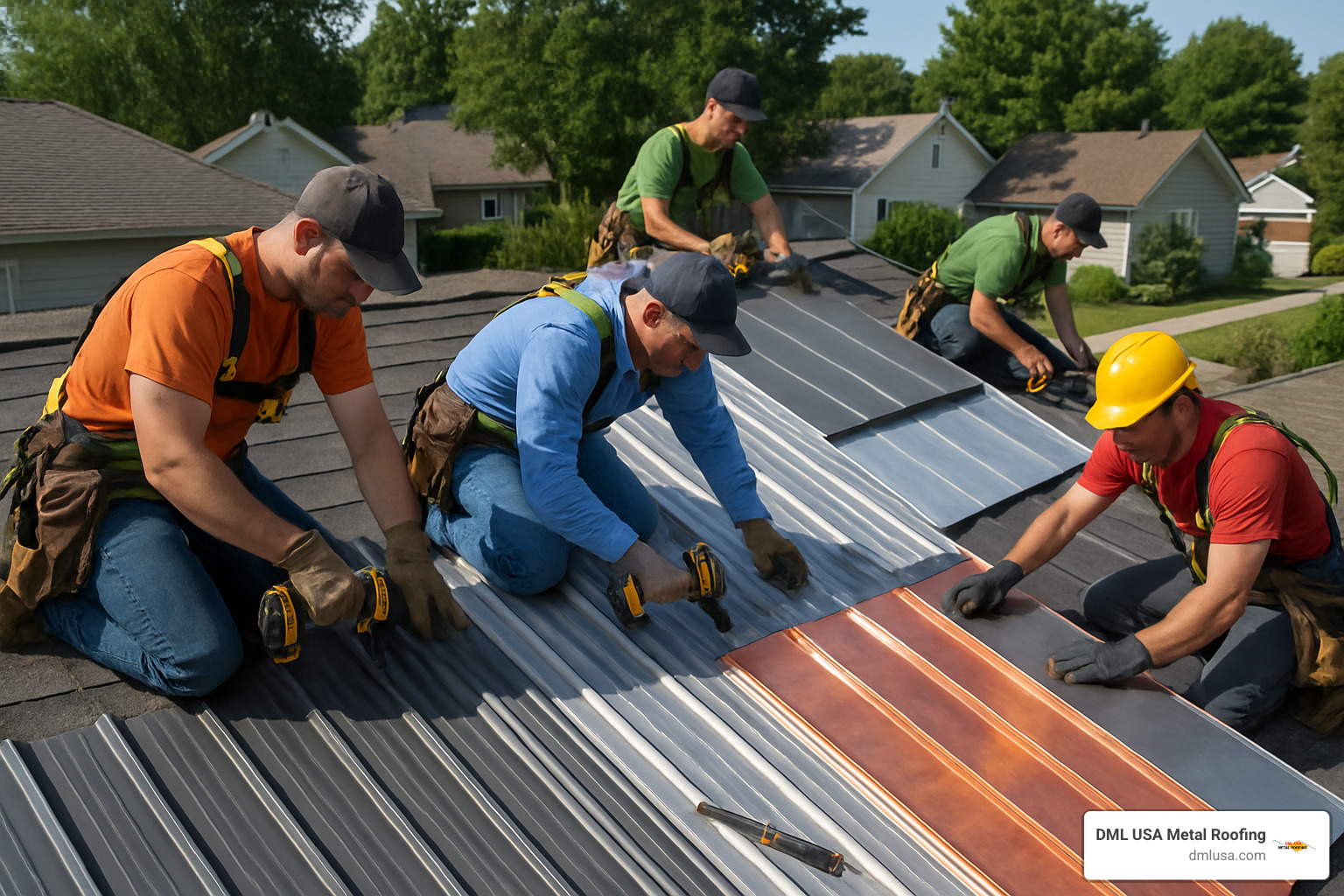
The materials themselves tell an interesting story. Steel remains the most popular metal roofing choice because it offers the best balance of durability and affordability. We coat our steel with galvanized or galvalume finishes that resist rust for decades. Aluminum costs more but weighs less and never rusts—perfect for coastal areas. Copper represents the premium end, developing that beautiful green patina over time, while zinc offers incredible longevity with self-healing properties that actually seal minor scratches.
On the shingle side, you’ve got 3-tab shingles as your basic option, lasting 15-20 years and keeping upfront costs low. Architectural shingles add visual depth and bump the lifespan to around 30 years. Luxury shingles can rival metal’s appearance and last up to 50 years, but at that point, you’re often paying close to metal roofing prices anyway.
Labor rates reveal where costs really diverge. Metal roofing demands specialized skills that not every contractor possesses. Standing seam installation requires precision for panel alignment and proper fastening that takes time to master. Shingle installation, while still requiring skill, follows more familiar patterns that most roofers learned early in their careers.
Roof pitch affects both materials but hits metal harder since precision becomes more critical on steep slopes. Tear-off costs range from $1–$5 per square foot, though metal’s lighter weight sometimes allows installation over existing shingles. Metal also requires high-temperature underlayment and specialized accessories that add to the total cost.
For more details about our products, you can explore our complete range of metal roofing solutions designed to maximize value while controlling costs.
Why Exactly Do Metal Roofs Cost More Than Shingle Roofing?
The cost premium for metal roofing isn’t arbitrary—it reflects real differences in materials and installation complexity. Material premiums start at the source. Steel, aluminum, and copper cost significantly more to mine, refine, and manufacture than petroleum-based asphalt. These raw material costs fluctuate with global commodity markets, which explains why metal roofing prices can vary more than shingle costs.
Specialized labor represents the biggest cost driver. Installing standing seam metal roofing properly requires contractors who understand thermal expansion, proper fastening techniques, and precise panel alignment. This expertise commands $3–$5 per square foot versus $2–$3 for shingle installation.
Slower installation times compound labor costs. Each metal panel must be measured, cut, and positioned precisely. Mistakes are harder to hide and more expensive to fix than with shingles, where small imperfections blend into the overall texture.
Premium components round out the cost difference. Metal roofs need high-temperature underlayment that won’t degrade from heat buildup, specialized fasteners designed for thermal movement, and custom flashing that costs more than standard shingle accessories.
When Metal Roofs Don’t Cost More Than Shingle Roofing
Here’s where things get interesting—sometimes metal roofing doesn’t cost significantly more than quality shingles. The overlay option often surprises homeowners. Since metal roofs weigh about 50% less than asphalt, they can frequently be installed over existing shingles. This eliminates tear-off costs of $1,000–$5,000, suddenly making the price gap much smaller.
Minimal waste during installation also helps control costs. Metal roofing gets custom-manufactured to exact dimensions, while shingles require ordering 10% extra material to account for cuts and mistakes. On complex roofs, this waste factor can add hundreds of dollars to shingle projects.
Some homeowners tackle DIY tear-off to save $2–$4 per square foot in labor costs. While we don’t recommend DIY installation of either material, removing old shingles is within many homeowners’ capabilities.
Don’t forget the inflation factor on repeat replacements. Shingle roofs typically need replacement every 15-25 years. With construction inflation running 3-5% annually, that replacement in 2040 will cost double today’s prices. Metal’s 40-70 year lifespan often means you’ll never face another replacement cost.
Roof Size, Shape & Complexity
Your roof’s geometry dramatically impacts whether do metal roof cost more than shingle roofing becomes a significant concern. A simple ranch home with a basic gable roof keeps complexity low for both materials. Labor moves efficiently, waste stays minimal, and you get the most straightforward pricing comparison.
Complex architecture changes everything. Multiple dormers, valleys, and penetrations slow installation and increase material waste. These features can actually make premium shingles cost more than basic metal on the same roof. We’ve seen cases where architectural complexity pushed luxury shingle costs above our steel roofing prices.
Safety requirements affect both materials equally on steep pitches. Additional safety equipment and slower work pace can increase costs 20-30% regardless of your material choice. However, metal’s lighter weight sometimes makes handling safer on challenging roofs.
Waste factors vary significantly with roof complexity. Shingles can’t be reused once cut or damaged, while metal panels can often be recut for smaller areas. On roofs with many angles and penetrations, this difference becomes meaningful.
Climate, Codes & Insurance
Local conditions often determine whether metal’s higher upfront cost makes financial sense. Wind zones with hurricane or tornado risk require upgraded fastening systems. Metal roofs naturally resist wind uplift better than shingles, potentially reducing these upgrade costs.
Fire ratings matter in wildfire-prone areas where Class A fire resistance is required. Metal roofs inherently meet these standards, while fire-resistant shingles carry premium pricing that narrows the cost gap.
Impact resistance becomes crucial in hail-prone regions. Class 4 impact-resistant ratings come standard with most metal roofs, while impact-resistant shingles cost significantly more than basic versions.
Code upgrades for older homes can add $2,000–$10,000 to any roofing project. These costs apply regardless of material choice, but metal’s superior performance sometimes allows grandfathering of certain requirements that shingles wouldn’t meet.
Life-Cycle Economics: Beyond Upfront Price
When it comes to roofing, the real question isn’t just do metal roof cost more than shingle roofing at the start—it’s how much you’ll spend (or save!) over the life of your home.
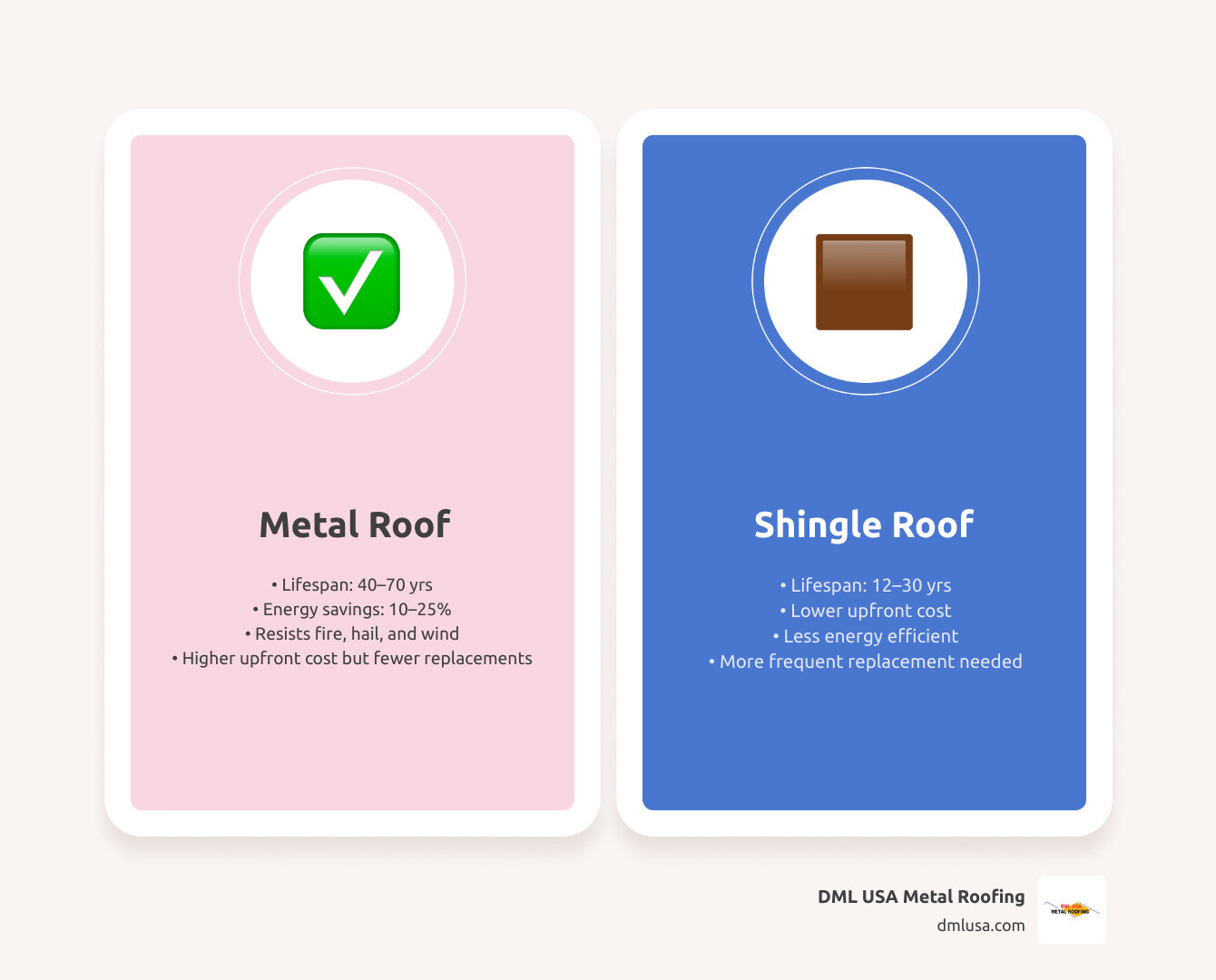
Let’s talk about lifespan first. Metal roofs can last 40–70 years (and copper even longer—up to 100!). Asphalt shingles typically need to be replaced every 12–30 years, depending on their quality. Over the decades, that usually means homeowners will pay for a shingle roof two or three times before a quality metal roof ever needs attention.
But the story doesn’t stop there. Metal roofs are energy savers. They reflect up to 84% of the sun’s heat, which can trim your cooling bills by 10–25%. For many homeowners, that’s at least $26 in savings every month during those long, hot summers. That kind of relief might even make you look forward to opening your electric bill.
There are also insurance savings to consider. Because metal roofs stand up better to fire, wind, and hail, insurers often give discounts—sometimes as much as 35%. That’s money back in your pocket, year after year.
And when your roof eventually reaches the end of its life? Metal pays you back one last time. Metal is 100% recyclable and actually has scrap value. Old shingles, on the other hand, end up in the landfill (along with disposal fees).
Want to dive deeper into the science behind cool roofs and energy savings? Check out this research on cool roofs.
Maintenance & Repair Costs Over Time
When it comes to maintenance, metal is a low-hassle choice. Most years, you’ll just need a quick inspection (about $240), and maybe, every decade or so, a few fasteners replaced ($200–$500). You might need a paint touch-up after 20–30 years, but that’s about it. In most cases, you’ll average just $50–$150 in annual maintenance.
Asphalt shingles? Well, they might invite you up that ladder more often. Expect regular repairs ($100–$300 each), possible granule loss (with replacements averaging $975), and the occasional storm damage fix that can run $1,000–$5,000. It adds up, with average annual maintenance costs between $200 and $400. Over 30 years, most shingle roofs require two or three major repairs or even partial replacements—much more hassle and expense than metal.
Energy, Insurance & Tax Credits
Metal roofs with ENERGY STAR® ratings don’t just keep your home cooler—they can drop attic temps by 50–60°F compared to dark shingles. That’s a real difference you’ll feel (and see on your energy bill).
Even better, some metal roofing systems qualify for federal tax credits, so you could get hundreds or even thousands of dollars back when you upgrade.
Insurance companies also like to see metal overhead. Fewer claims (thanks to metal’s durability) can mean better rates and fewer headaches after storms.
Resale Value & Break-Even Math
Let’s talk about your home’s value. According to Remodeling Magazine’s Cost-vs-Value report, asphalt shingle replacement returns about 61% of its cost at resale, while standing seam metal roofs return about 49% initially. But here’s the catch: those numbers don’t factor in how long your roof lasts.
The real break-even moment for metal usually comes around year 15. By then, you’ve likely more than made up the upfront difference—thanks to energy savings, lower maintenance, and skipping a whole round of shingle replacement.
And don’t forget curb appeal. Metal roofs have a distinctive, modern look that can make your home stand out—and in many neighborhoods, that means a boost in property value too.
If you’re weighing the true cost—not just the sticker price—metal roofs often win the long game. For homeowners planning to stay put, or those who want peace of mind and lasting value, metal is a smart investment.
Learn more about metal roofing’s benefits and savings at DML USA Metal Roofing.
Other Decision Factors: Performance, DIY & Environment
When deciding between a metal roof and shingles, cost is just one piece of the puzzle. Performance, DIY potential, and the environmental footprint also play a big role in your long-term satisfaction.
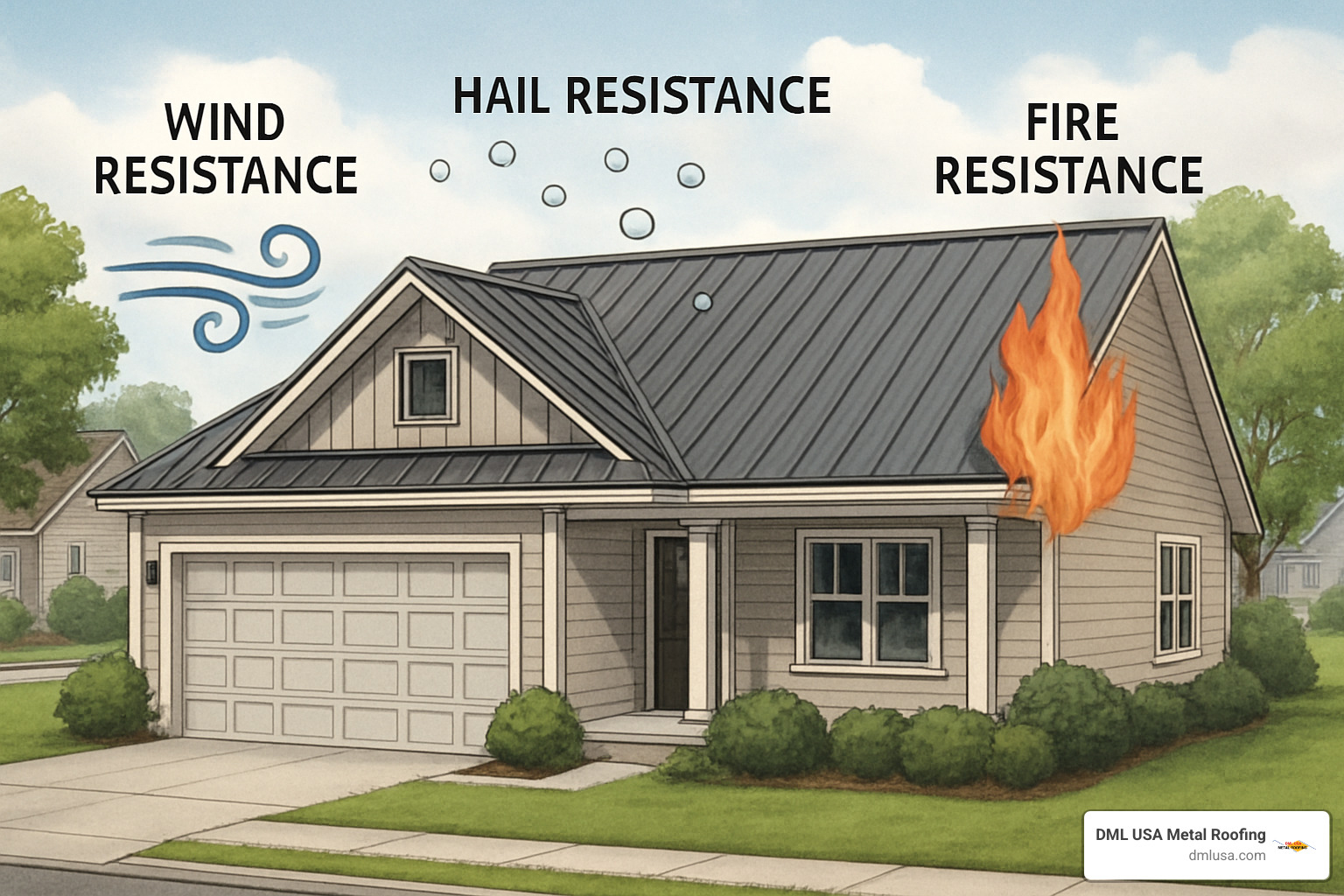
Let’s talk about real-world performance. Metal roofs are tough—they’ve been tested to handle winds up to 140 mph, shrugging off storms that would leave shingles flapping in the breeze. If you live in hail country, a metal roof’s Class 4 hail resistance means it can take a beating from even two-inch hailstones. Shingles, on the other hand, often end up with cracks and dents after much smaller storms. And when it comes to fire, metal simply doesn’t burn. If you’re in a wildfire-prone area, that peace of mind is priceless.
Looking for a roof that’s kind to the planet? Metal roofing is a standout. Most panels contain 25–95% recycled content and, when their long lifespan is up (often 40–70 years or more), they’re 100% recyclable. Compare that to asphalt shingles—every year, about 20 billion pounds of old shingles head straight to landfills. With metal, you’re not just protecting your home; you’re protecting the earth too. For more on these benefits, check out our resources or see how metal roofing works for low-slope systems.
Climate & Building Code Considerations
Your local climate and building codes have a huge impact on roof performance and requirements. Metal roofs naturally shed snow and ice, which is a real benefit in northern regions—no more worrying about heavy snow loads or ice dams. In hurricane zones, metal integrates seamlessly with hurricane straps for extra storm security. And in wildfire areas, non-combustible metal meets the strictest fire codes, often without the need to pay extra for premium products.
DIY vs Hiring a Pro
Thinking about tackling your roof yourself? Here’s the honest scoop. Metal roofing installation isn’t your average weekend project. You’ll need special tools (usually $500–$2,000), steady nerves for working at heights, and plenty of patience. Most warranties only apply if installation is done by a professional, and many permits require a licensed contractor.
Shingles might seem more DIY-friendly—they’re lighter, and the process is more familiar if you have roofing experience. But you’ll still need to pull permits and follow local codes. No matter what, safety always comes first.
In most cases, we recommend hiring a pro—especially for metal roofing—so you get the full benefit of your investment and keep warranties intact.
Environmental Impact & Sustainability
When it comes to sustainability, metal roofing leads the charge. Not only can it be made from up to 95% recycled materials, but it’s also 100% recyclable at the end of its very long life. You won’t be contributing to landfill waste from repeated tear-offs. Plus, metal’s reflective properties help reduce your home’s cooling energy use, which means lower utility bills and a lighter carbon footprint.
Asphalt shingles, by contrast, are petroleum-based and destined for the landfill—often after just 12–30 years, and sometimes sooner in harsh climates. This ongoing cycle of replacement isn’t great for your wallet or for waste management.
Don’t forget, you may also qualify for cool-roof tax credits with a metal install, giving your budget a helpful nudge in the right direction.
So, as you weigh whether do metal roof cost more than shingle roofing is your top concern, performance, DIY practicality, and environmental impact may tip the balance. For more facts and tips, visit our resources page or learn about the difference metal roofing can make.
Frequently Asked Questions about Metal vs Shingle Cost
When homeowners ask us “do metal roof cost more than shingle roofing”, they usually have deeper questions about value, performance, and long-term costs. Here are the most common follow-up questions we hear at DML USA Metal Roofing.
How long will each roof last before replacement?
This is where the cost conversation gets really interesting. Metal roofs last 40–70 years with basic maintenance, while premium metals like copper can hit the century mark. Compare that to asphalt shingles at 12–30 years, and you start seeing the real picture.
Think about it this way: if you’re 35 years old and install a quality metal roof, you might never need to replace it again in your lifetime. Meanwhile, that same house with shingles? You’re looking at 2-3 complete roof replacements over the same period.
The math gets even more compelling when you factor in inflation. That shingle roof costing $8,000 today might cost $15,000 to replace in 20 years. Your metal roof? Still protecting your home without breaking a sweat.
Does a metal roof really lower energy bills?
Absolutely, and the savings are measurable. Metal roofs can cut cooling costs by 10–25% through something called solar reflectance. While dark shingles absorb up to 78% of solar heat (turning your attic into an oven), metal roofs reflect up to 84% of that heat right back to the sky.
In practical terms, this means your air conditioner doesn’t work as hard during those brutal summer months. Homeowners in hot climates often save $300–$600 annually on cooling costs alone. Over a 40-year metal roof lifespan, that’s $12,000–$24,000 in energy savings.
The difference is noticeable too. Walk into an attic under a metal roof on a 90-degree day, then compare it to one under dark shingles. The temperature difference can be 50-60 degrees—that’s not just comfort, that’s real money staying in your pocket.
Can I install a metal roof over existing shingles to save money?
Here’s one of our favorite cost-saving strategies: yes, you often can, and it’s a game-changer for the budget. Metal roofs weigh about 50% less than asphalt shingles, so your roof structure can typically handle the additional layer without problems.
This overlay approach eliminates the messy, expensive tear-off process, saving $1,000–$5,000 in labor and disposal costs. Suddenly, that price gap between metal and shingle replacement gets much smaller—sometimes disappearing entirely.
There are a few important catches though. Local building codes may limit how many roof layers you can have (usually no more than two total). You’ll also need to ensure proper ventilation is maintained to prevent moisture issues.
Before going this route, have a professional inspect your existing roof structure and check local permit requirements. When done correctly, this approach makes metal roofing surprisingly affordable while delivering all the long-term benefits you’re paying for.
Conclusion & Next Steps
So, do metal roof cost more than shingle roofing? Absolutely, the initial price tag is higher for metal. But when you look past the upfront numbers, you’ll see that metal roofs often win when it comes to long-term value—especially if you’re planning to enjoy your home for 15 years or more.
The best choice depends on your personal priorities. Budget is an obvious starting point—can you comfortably take on a higher upfront investment? Then, think about your timeline. If you expect to move in just a few years, shingles might make more sense. But if this is your forever home, metal’s long lifespan and low maintenance could save you money (and headaches!) over the decades.
Consider what matters most to you and your family: Do you want fewer repairs and less fuss? Are you hoping for lower cooling bills? Are you living in an area known for wild weather? If you answered yes to any of these, a metal roof could be your home’s best defender.
Here at DML USA Metal Roofing, we’re not just selling a product—we’re offering peace of mind. Our metal roofs are made right here in Illinois, built to last, and designed to stand up to fire, wind, and everything Midwest weather throws your way. Plus, you may qualify for energy tax credits, making your investment even smarter.
It’s true: the sticker shock from metal roofing can make anyone blink. But when you add up decades of lower maintenance, energy savings, and real protection for your home, that initial cost starts to look like a bargain.
If you’re ready to dig deeper and see what a metal roof could do for your home (and your budget), check out why choose metal roofing. You’ll find out how our products deliver real, lasting value.
At the end of the day, the cheapest roof isn’t always the one that costs you the least. Sometimes, paying a little more now means saving thousands—and a lot of worry—in the years to come.
If you have more questions or want to talk through your options, we’re always here to help. Your roof is a big decision. Let’s make it a smart one, together.