

Galvanized Sheet Metal: 10 Best Powerful Tips for 2025
Why Galvanized Sheet Metal is Your Best Investment for Long-Lasting Protection
Galvanized sheet metal is steel coated with zinc to prevent rust and corrosion. Here’s what you need to know before buying:
- Coating weights: G-90 (0.90 oz/sq ft) for maximum protection, G-60 for moderate use, G-30 for light applications
- Typical gauges: 26-gauge for roofing, 24-gauge for heavy-duty applications, 29-gauge for agricultural use
- Standard sizes: 48″ x 96″ and 48″ x 120″ sheets, with coil options available
- Lifespan: 15-20 years in harsh environments, up to 75 years in ideal conditions
- Cost range: $4.50-$14.00 per square foot depending on gauge and coating weight
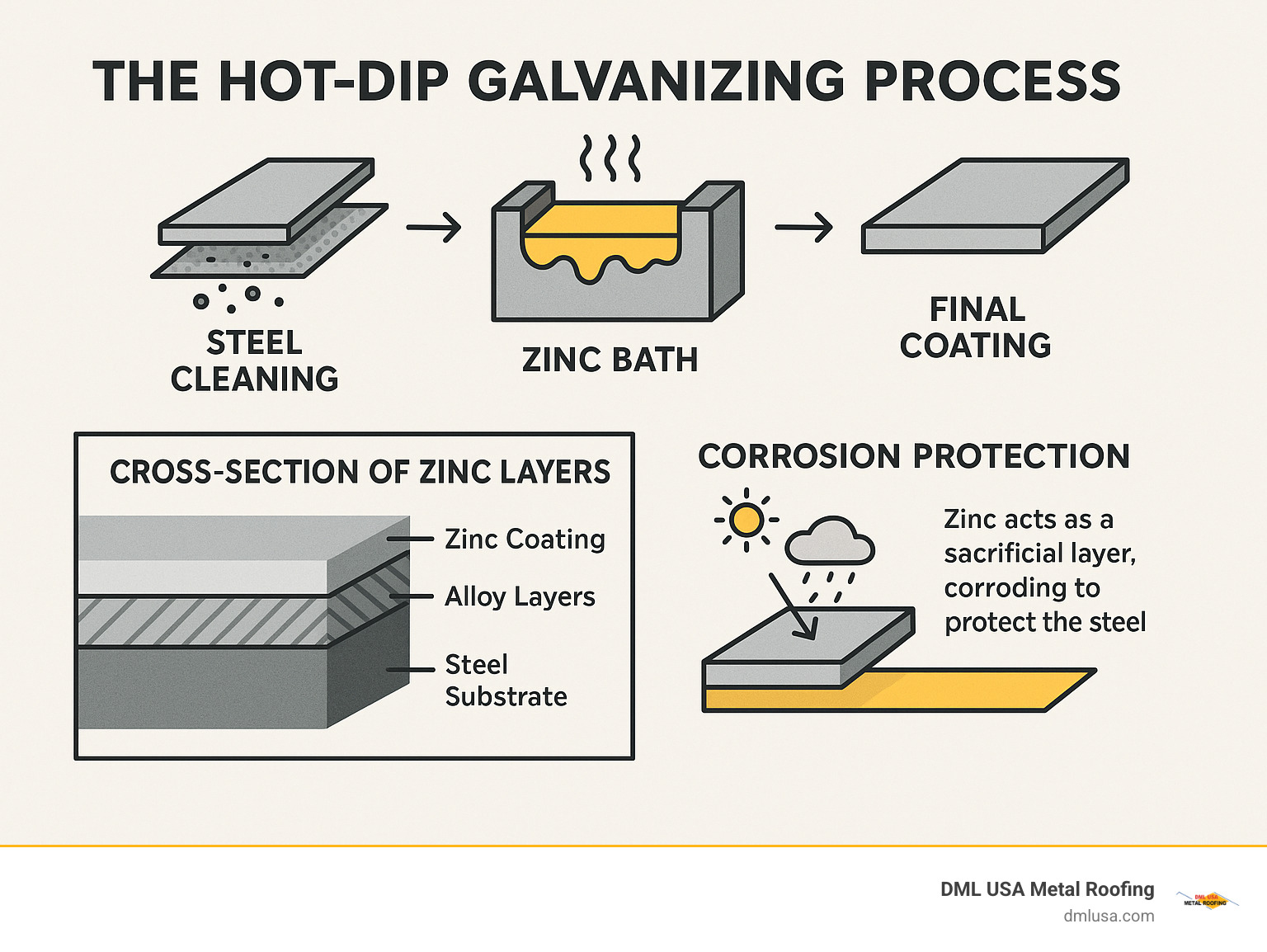
When you’re tired of dealing with frequent roof repairs and high maintenance costs, galvanized sheet metal offers the durability you’re looking for. The zinc coating acts as a sacrificial layer – it corrodes first to protect the steel underneath, even at scratches and cut edges.
This material has been protecting buildings since the 17th century, but modern galvanizing processes make it more reliable than ever. Whether you’re planning a DIY project or working with contractors, understanding the basics will help you make the right choice.
I’m Adam Kadziola, and after founding DML USA Metal Roofing in 2007, I’ve helped thousands of homeowners choose the right galvanized sheet metal for their projects. My experience in manufacturing and home renovations has shown me that the right material selection upfront saves years of headaches later.
Galvanized sheet metal helpful reading:
– corrugated metal
– metal flashing suppliers near me
– commercial metal roof panels
Galvanized Sheet Metal 101
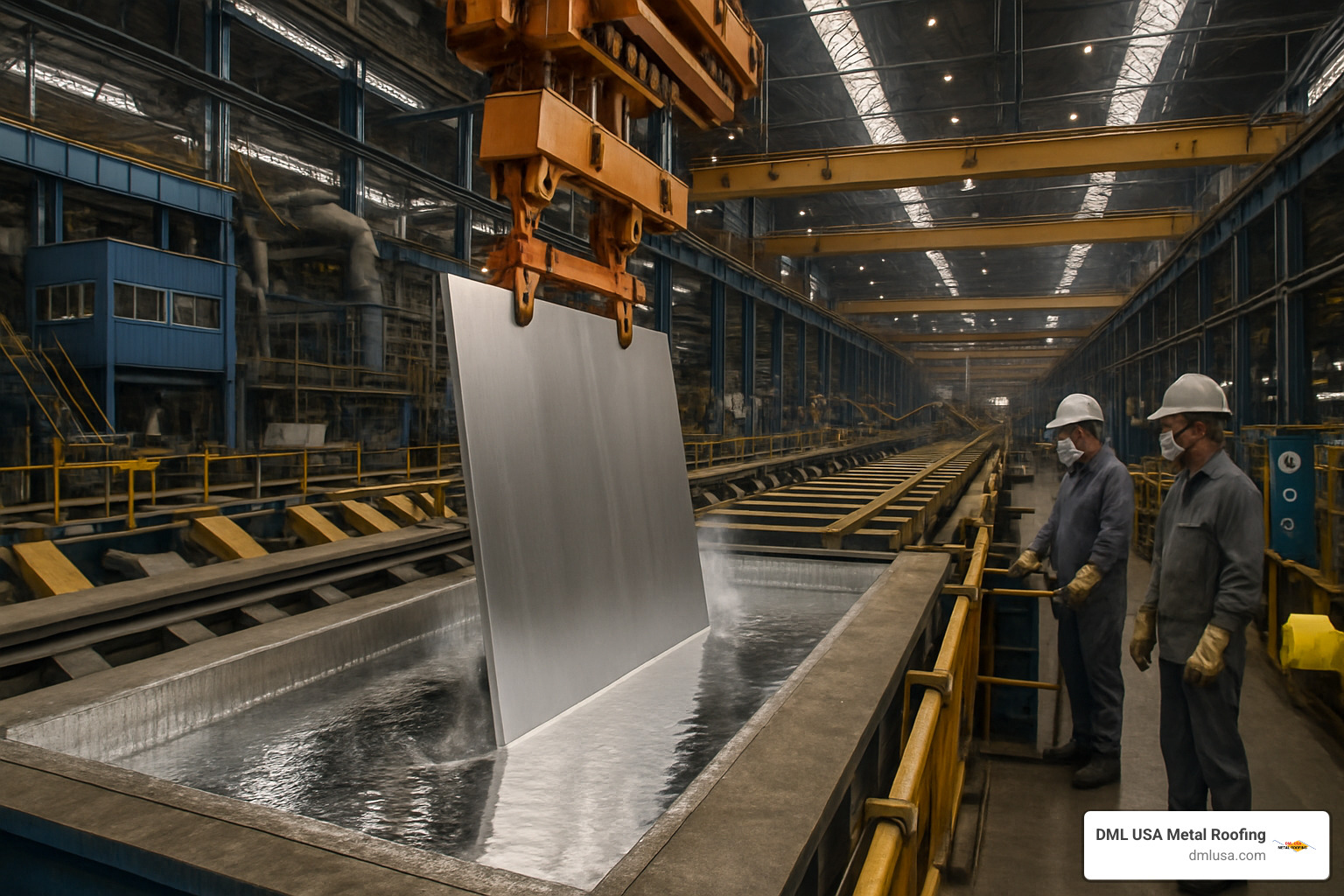
Galvanized sheet metal uses the same principle finded by Luigi Galvani in the 1700s. The zinc coating doesn’t just sit on top like paint – it actually sacrifices itself to protect the steel underneath. Even when you scratch or cut galvanized sheet metal, the zinc keeps working to prevent rust from spreading.
This dual protection system is why you’ll see galvanized roofs that are decades old still doing their job. The zinc acts as both a physical barrier against moisture and a chemical bodyguard that fights corrosion at the molecular level.
What is galvanized sheet metal?
Galvanized sheet metal is steel wearing zinc armor. The base material is cold-rolled carbon steel, and the zinc coating is 99.7% pure and bonds directly to the steel surface.
Coating weights are measured in ounces per square foot, with G-30 providing light protection at 0.30 oz/sq ft, G-60 offering moderate protection at 0.60 oz/sq ft, and G-90 delivering maximum protection at 0.90 oz/sq ft.
Thicker coatings last longer but cost more. For most roofing projects, G-90 coating gives you the best value in terms of long-term protection.
The galvanization process step-by-step
Modern galvanizing starts with alkaline cleaning that strips away oil, dirt, and manufacturing residue. Next comes acid activation to remove oxides from the steel surface. The steel then goes through annealing in a reducing atmosphere furnace.
The main event happens in the molten zinc bath at approximately 860°F. As the steel emerges, air knives use high-pressure air to control exactly how much zinc stays on the surface. This step determines whether you get G-30, G-60, or G-90 coating weights.
The final cooling process creates distinctive crystalline patterns called “spangle” – they look like metallic snowflakes and indicate quality galvanizing.
Key properties & performance metrics
Galvanized sheet metal keeps all the strength of regular steel while adding serious staying power. It’s still magnetic and naturally fire-resistant.
The impressive number is longevity. Independent studies show 60-year lifespans in many environments, with at least 20 years of protection even in harsh coastal or industrial areas. The zinc coating provides double protection – it’s both a physical shield and an active corrosion fighter.
Temperature extremes don’t faze galvanized steel. It handles desert heat, arctic cold, ice storms, and constant UV exposure without breaking down.
Types of galvanization you’ll meet on the shelf
Hot-dip galvanized (HDG) is the heavy-duty champion for roofing and outdoor projects. The thick zinc coating and characteristic spangle pattern mean maximum protection.
Electrogalvanized steel uses electrical current instead of molten zinc baths. The coating is thinner and smoother, popular for appliances where appearance matters more than extreme durability.
Galvannealed steel gets reheated after galvanizing to create zinc-iron alloy layers. The coating becomes about 90% zinc and 10% iron, which makes paint stick better but provides slightly less corrosion protection.
For detailed specifications, the Latest specifications for G-series coatings provide official standards, while www.galvinfo.com designations offers comprehensive coating information.
Comparing galvanized vs Galvalume vs stainless
| Property | Galvanized Steel | Galvalume | Stainless Steel |
|---|---|---|---|
| Coating Chemistry | 99.7% Zinc | 55% Aluminum, 43.4% Zinc, 1.6% Silicon | Chromium-Nickel Alloy |
| Typical Lifespan | 15-20 years | 30-40 years | 50+ years |
| Relative Cost | Lowest | Medium | Highest |
| Coastal Suitability | Fair (12 years max) | Good | Excellent |
| Cut Edge Protection | Excellent (galvanic) | Poor | Excellent |
| Paint Adhesion | Good with prep | Excellent | Requires special prep |
| Formability | Excellent | Excellent | Good |
The big advantage of galvanized sheet metal is cut edge protection. When you cut or scratch galvanized steel, the zinc keeps protecting the exposed edges. Other coatings rely purely on barrier protection, so any damage creates a weak spot where corrosion can start.
How to Choose & Buy Galvanized Sheet Metal
Shopping for galvanized sheet metal can feel overwhelming with endless specifications and price lists. After helping thousands of customers at DML USA Metal Roofing, I’ve learned that most people make their buying decision based on three key factors: where to buy, what size and thickness they need, and how much protection their climate requires.
Buying galvanized sheet metal online vs local
Steel service centers offer the widest selection of grades, gauges, and coating weights. These specialized suppliers provide custom cutting and processing services, material certifications, and expert advice, but expect minimum order quantities and longer lead times.
Big box retailers like Home Depot and Lowe’s carry basic galvanized sheets in common sizes. Limited selection, but you can walk out with material the same day. Prices run higher per square foot, but you avoid shipping costs – perfect for smaller DIY projects.
E-commerce platforms offer competitive pricing and direct shipping. The catch? A single 4×8 sheet of 26-gauge steel weighs about 29 pounds, so freight costs add up quickly. Always calculate total delivered cost.
Local metal fabricators often sell excess inventory at good prices. It’s worth making a few phone calls.
For comprehensive product information, explore our More info about Products or find Metal Roofing Suppliers Near Me.
Gauges, widths & common sheet/coil sizes
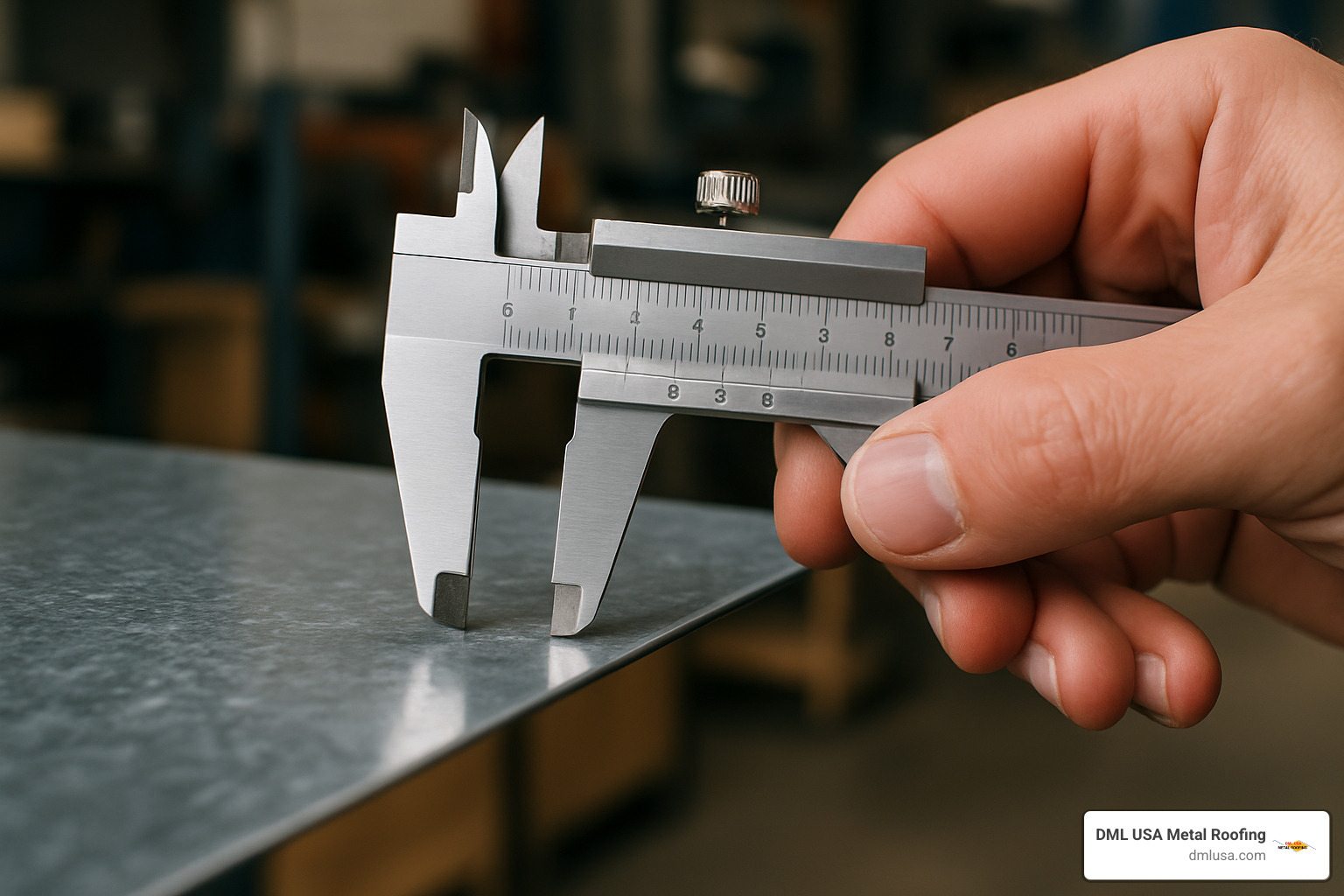
Gauge numbers work backwards – the higher the gauge number, the thinner the steel. For galvanized sheet metal, you’ll typically encounter gauges from 8-gauge (very thick at 0.165″) down to 30-gauge (thin at 0.0127″).
24-gauge steel at 0.024″ thick works well for heavy-duty applications. 26-gauge at 0.020″ thick is the sweet spot for most roofing projects. 29-gauge at 0.015″ thick is popular for agricultural buildings where cost matters more than extreme durability.
Standard sheet sizes: 48″ x 96″ (4′ x 8′) sheets are most common and fit in pickup trucks. 48″ x 120″ (4′ x 10′) sheets reduce seams in larger projects.
Coil options give you flexibility for large projects. Standard coil widths include 36″, 48″, 60″, and 72″, and suppliers can slit coils down to custom widths as narrow as 5.394″.
Understanding coating weights (G30, G60, G90)
The coating weight designation tells you exactly how much zinc protection you’re buying. Think of it as your “corrosion budget” – more zinc means longer protection, but also higher cost.
G-30 coating provides 0.30 ounces of zinc per square foot total. This lighter coating works fine for indoor applications or very mild outdoor environments.
G-60 coating at 0.60 ounces per square foot offers moderate protection for general construction with good value for most applications.
G-90 coating delivers 0.90 ounces per square foot of zinc protection – the heavy-duty option. This coating weight is standard for roofing and exposed structural applications. Studies show G-90 coating can protect steel for 20+ years even in harsh environments.
Budgeting: what will galvanized sheet metal cost?
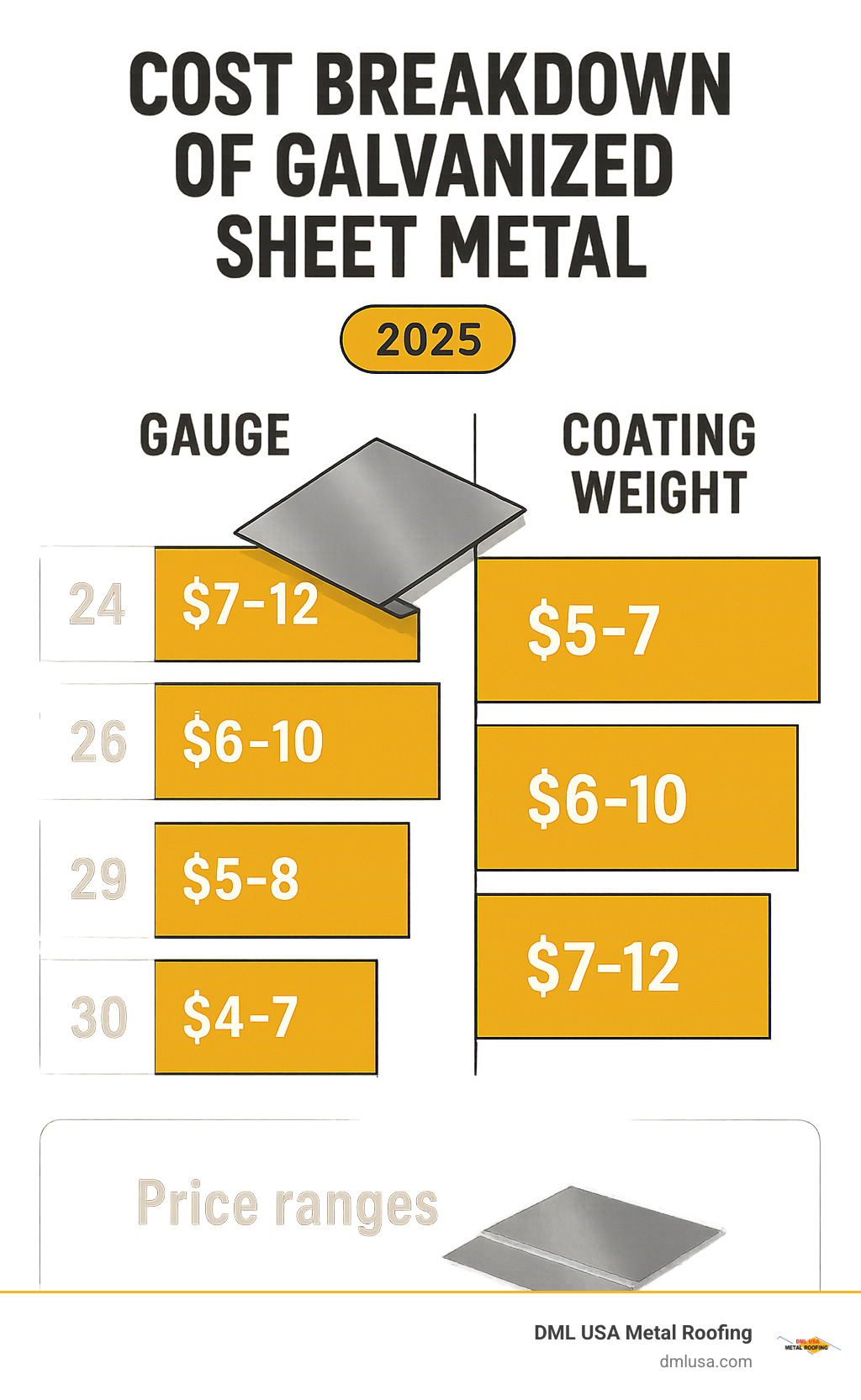
Galvanized sheet metal pricing depends on several factors. Basic galvanized sheets typically cost between $7.10-$8.39 per sheet. 26-29 gauge exposed fastener systems run $4.50-$7.50 per square foot installed, while G-90 galvanized standing seam roofing costs $8.00-$14.00 per square foot.
Gauge thickness drives base pricing because heavier gauges contain more steel. Coating weight adds about 6% to the cost when you upgrade from standard to G-90 protection.
Market conditions cause steel and zinc prices to fluctuate. Quantity matters too – bulk orders often qualify for volume discounts, while small orders may hit minimum charges.
Don’t forget hidden costs: Freight charges, custom cutting fees, minimum order quantities, and storage equipment for larger orders.
Sustainability & certifications to look for
Galvanized sheet metal offers impressive environmental credentials. The recyclability factor is outstanding – steel maintains 100% of its properties through infinite recycling cycles. Galvanized steel contains approximately 35% recycled content from the start.
Energy tax credits often apply to metal roofing systems due to their reflective properties and energy efficiency. LEED certification points become achievable with galvanized steel in several categories.
The extended service life of galvanized steel creates the biggest environmental benefit. When your roof lasts 30-50 years instead of 15-20, you eliminate multiple replacement cycles, reducing both environmental impact and long-term costs.
Working With Galvanized Sheet Metal

Working with galvanized sheet metal feels different from regular steel because that protective zinc coating changes how you cut, bend, weld, and finish the material. The key is understanding that you’re working with two materials: the steel substrate and the zinc coating.
Fabrication tips & tool selection
The right tools make all the difference. Your biggest enemy? Heat and abrasion that can damage the protective coating.
Straight-cut shears are your best friend for clean cuts. They slice through the metal without generating heat or throwing zinc particles into the air. For curves, a nibbler gives you precision control while keeping the coating intact.
Press brakes work beautifully with galvanized steel. The coating actually helps prevent scratching during forming operations. Just watch your bend radius – too tight and you might crack the zinc layer.
Here’s what not to use: abrasive saws or cutting wheels. They’ll create toxic zinc oxide dust and damage the coating along the cut line.
When drilling holes, use sharp high-speed steel bits and clear chips frequently. Always deburr holes and touch up exposed edges with zinc-rich primer to maintain corrosion protection.
Welding & toxic-fume safety
Welding galvanized steel produces toxic fumes. The zinc coating vaporizes at welding temperatures, creating zinc oxide smoke that can make you seriously ill.
Before you strike an arc, remove the zinc coating from the weld area. Grind it off mechanically – at least 6 inches on each side of your planned weld.
Ventilation isn’t optional – it’s life-saving. You need at least 100 CFM of exhaust ventilation per welder. If working indoors, set up cross-ventilation to pull fumes away from your breathing zone.
Use lower heat settings than you would with regular steel. Position yourself upwind of the weld whenever possible.
After welding, clean the weld area thoroughly and apply zinc-rich primer to restore corrosion protection.
Safety gear is non-negotiable: supplied-air respirator or N95 minimum, safety glasses, and protective clothing.
Can you paint or powder-coat galvanized?
Absolutely, but fresh galvanized sheet metal can be tricky to paint. The zinc coating resists corrosion, which means it also resists paint adhesion.
The secret is proper surface preparation. Clean off all oil, dirt, and handling residues with degreasing solvent. Then lightly scuff the surface with 220-grit sandpaper. You’re not trying to remove the coating – just roughing it up for better adhesion.
Etch primer is your friend here. Zinc-phosphate or wash primers are specifically designed to bond with galvanized surfaces. Skip this step and your paint will likely peel within a year.
Here’s a pro tip: weathered galvanized steel paints much better than fresh material. The zinc develops a thin oxide layer over time that provides better paint adhesion.
Maintenance hacks for decades-long performance
The beauty of galvanized sheet metal is that it’s nearly maintenance-free. But a little attention goes a long way toward maximizing that 60-year lifespan.
Annual inspections take maybe an hour but can save you thousands. Look for coating damage, loose fasteners, debris accumulation, and any signs of dissimilar metal contact.
In coastal areas, rinse with fresh water quarterly. Salt accelerates corrosion, but it’s water-soluble. A simple rinse removes salt deposits before they can cause problems.
Touch-up repairs are simple but important. Small scratches get zinc-rich primer. Larger damaged areas need cold galvanizing spray.
The key to longevity is proper drainage. Standing water is galvanized steel’s worst enemy. Ensure adequate ventilation, keep vegetation clear of metal surfaces, and address fastener problems immediately.
Frequently Asked Questions about Galvanized Sheet Metal
Let me answer the three questions I hear most often from customers considering galvanized sheet metal for their projects. These come up in nearly every consultation, and understanding these factors will help you make the right choice for your specific situation.
How long does galvanized sheet metal last in coastal vs inland areas?
Location makes a huge difference in how long your galvanized sheet metal will protect your investment. If you live near the ocean, you’re looking at a much shorter lifespan than someone in Kansas.
Coastal environments are tough on galvanized steel. The salt in the air acts like a corrosion accelerator, consuming the zinc coating much faster than normal. In these harsh conditions, you can expect about 12 years of protection before you start seeing rust spots. That’s still pretty good for the price point, but it’s not the decades you might expect.
Move inland to a moderate climate, and the story changes dramatically. Rural areas with clean air can see 60+ years of service life from the same coating. I’ve personally inspected galvanized roofing from the 1960s that’s still in excellent condition in parts of the Midwest.
Industrial areas fall somewhere in the middle. Pollution and chemical exposure reduce the coating life, but not as severely as saltwater. You’re typically looking at 20-30 years in these environments.
Here’s my advice for coastal projects: upgrade to G-90 coating weight and set up a quarterly rinse schedule with fresh water. It sounds like a hassle, but that simple maintenance step can double your coating life. Some of our coastal customers have switched to aluminum-zinc systems for even better longevity.
Is galvanized sheet metal food-safe?
This question comes up a lot for agricultural buildings, outdoor kitchens, and food processing facilities. The short answer is yes, galvanized sheet metal is generally safe around food, but there are some important exceptions.
The zinc coating itself won’t hurt you – it’s non-toxic under normal conditions. You can safely use galvanized steel for structural components in food areas, storage buildings, and even some food contact applications.
The problems start with acidic foods. Things like tomatoes, citrus fruits, vinegar-based products, and pickled foods can react with the zinc coating. This doesn’t create dangerous toxins, but it can damage the coating and give your food an unpleasant metallic taste.
I also don’t recommend using galvanized steel as a cooking surface. High temperatures can affect the coating in ways that aren’t ideal for food preparation.
For most agricultural and food industry applications, we recommend using galvanized steel for the structure and switching to stainless steel or food-grade coated materials for direct food contact surfaces. This gives you the best combination of cost-effectiveness and food safety.
Does galvanized sheet metal rust where it’s cut or scratched?
This is where galvanized steel really shows its superiority over painted steel. The zinc coating provides what we call “sacrificial protection” – it literally sacrifices itself to protect the steel underneath, even at cuts and scratches.
When you scratch or cut galvanized sheet metal, the exposed steel doesn’t immediately start rusting like it would with painted steel. The surrounding zinc coating acts as a protective anode, corroding first to keep the steel safe. This protection typically extends about 1/4 inch from the intact coating.
However, this protection isn’t unlimited. Deep scratches that expose large areas of steel, especially in harsh environments, will eventually show rust. The zinc coating has a finite “corrosion budget” – once it’s consumed, the steel is on its own.
For the best long-term performance, I recommend touching up any significant damage with zinc-rich primer. It’s not always necessary, but it’s cheap insurance for critical applications. For roofing projects, we often use joining methods that hide cut edges anyway, which eliminates the issue entirely.
This galvanic protection is one of the biggest advantages of choosing galvanized over painted steel. A small scratch in painted steel means immediate rust. A scratch in galvanized steel? The coating keeps working to protect that area for years.
Conclusion & Next Steps
Making the right choice with galvanized sheet metal isn’t just about buying a product – it’s about investing in decades of protection for your project. After years of helping customers steer these decisions, I’ve learned that the homeowners who do their homework upfront are the ones calling us years later to say their roofs still look great.
The math is simple: spending an extra $200 on G-90 coating instead of G-60 can add 10-15 years to your roof’s life. When you consider that a full roof replacement costs thousands, that upfront investment pays for itself many times over.
At DML USA Metal Roofing, we’ve seen what happens when people cut corners on material specifications. Those calls for premature replacements aren’t fun for anyone. That’s why we focus on helping you match the right gauge, coating weight, and material grade to your specific environment and budget.
Our Illinois-based manufacturing facility has been producing high-quality, affordable metal roofing products since 2007. We understand that every project is different – a barn in rural Iowa has different requirements than a coastal home in North Carolina. Our team takes the time to understand your specific needs before recommending materials.
Whether you’re tackling a DIY project or working with contractors, having the right material specifications makes all the difference. Our products qualify for energy tax credits while providing superior resistance to fire, wind, and impact. Plus, you get that maintenance-free performance that lets you focus on more important things than roof repairs.
The beauty of galvanized sheet metal is its simplicity – steel protected by zinc, doing what it’s designed to do for decades. No complex maintenance schedules, no frequent touch-ups, just reliable protection year after year.
Ready to move forward with confidence? Our team can walk you through material selection, provide custom cutting services, and answer those specific questions about your project. We’ve helped thousands of customers choose the right materials, and we’d be happy to help you too.
Contact our team today for expert guidance on your galvanized sheet metal project. Let’s make sure you get it right the first time.