

Long-lasting roofing options: Top 7 Proven Durable Choices 2025
Why Choosing the Right Long-Lasting Roofing Options Matters More Than Ever
Long-lasting roofing options are becoming essential for homeowners facing increasingly severe weather and rising maintenance costs. The right choice can mean the difference between decades of peace of mind and constant repairs.
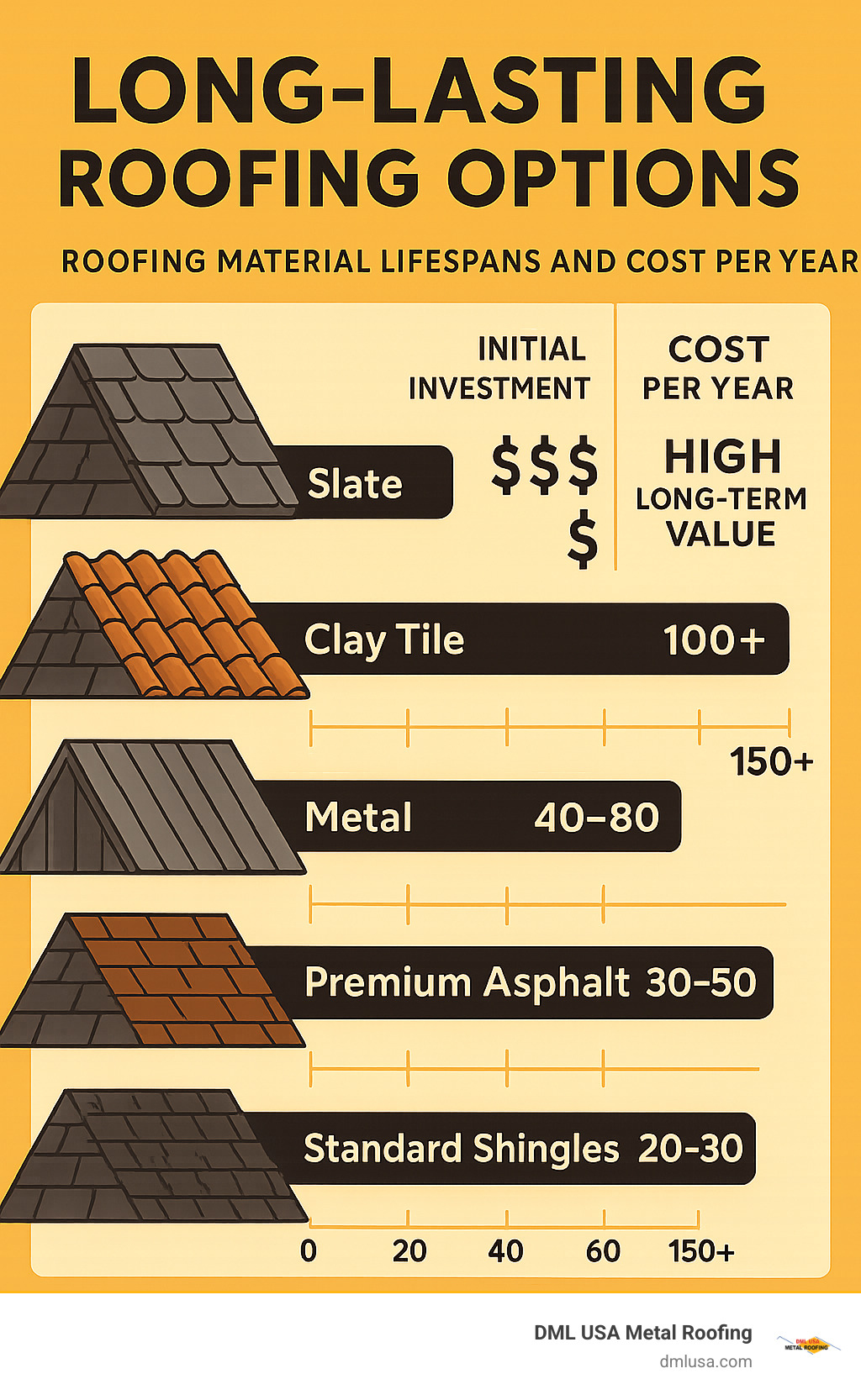
Here are the top long-lasting roofing materials by lifespan:
- Slate – 75-150+ years
- Clay & Concrete Tiles – 100+ years
- Standing-Seam Metal – 40-80 years
- Stone-Coated Steel – 50+ years
- Premium Asphalt Shingles – 30-50 years
- Wood Shakes – 25-30 years
- Synthetic Materials – 40-50 years
According to industry data, slate, clay, and concrete tile roofs are rated for a life expectancy of 100 years or more by both the National Association of Home Builders (NAHB) and the International Association of Certified Home Inspectors (NACHI). This means you could install one of these roofs and never need to replace it again in your lifetime.
The reality is simple: premium roofing materials cost more upfront but save thousands over time. When you consider that standard asphalt shingles last only 20 years, you’d need to replace them three to four times during the lifespan of a single metal or tile roof.
Weather resistance is another critical factor. Metal roofs can withstand severe conditions including high winds, heavy snow loads, and hail. Clay tiles have survived hurricanes in coastal regions for over a century when properly installed.
I’m Adam Kadziola, and I’ve spent years manufacturing high-quality metal roofing at DML USA Metal Roofing, helping Illinois homeowners choose long-lasting roofing options that protect their homes for decades.
Long-lasting roofing options terminology:
– Class A roofing materials
– Eco-friendly roofing solutions
– class a fire resistance rating
Long-lasting roofing options: Top 7 Materials Ranked
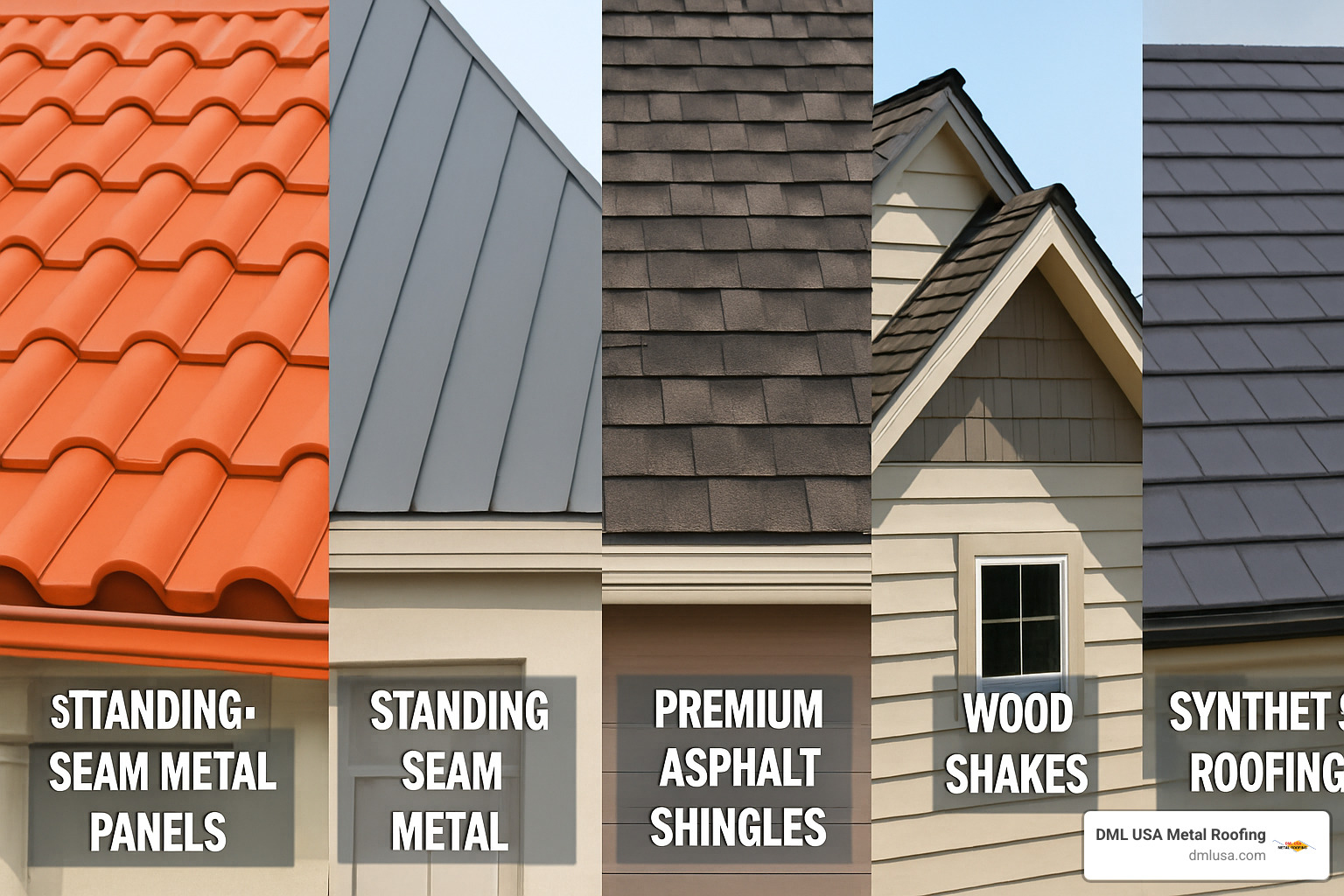
Choosing the right roofing material feels overwhelming when you’re staring at a dozen different options. Long-lasting roofing options aren’t just about how many years they’ll last – they’re about finding the sweet spot between durability, cost, and what your home can actually handle.
Why slate tops the list of Long-lasting roofing options
Slate is the heavyweight champion of roofing materials, lasting 75 to 150 years. I’ve seen slate roofs in Europe that are still going strong after 300 years.
Slate is basically compressed rock that formed over millions of years, creating a material that resists fire, insects, water damage, and UV rays. Weather that would destroy other roofs barely affects slate.
The catch is weight – 6 to 11 pounds per square foot means your house needs serious structural support. Most homes built in the last 50 years would need significant reinforcement.
Prices run $350 to $800 per square for materials, with installation pushing totals over $1,000 per square. When you consider you’ll never need another roof replacement, the math makes sense.
Clay & concrete tiles: Mediterranean classics among Long-lasting roofing options
Clay and concrete tiles have been protecting homes for thousands of years, offering 100+ year lifespans with improved modern manufacturing quality.
These tiles are naturally fireproof and colorfast, meaning they won’t fade under intense UV exposure. They also provide excellent insulation, keeping homes cooler in summer and warmer in winter.
Weight is a factor – concrete tiles can weigh up to 18 pounds per square foot, while clay tiles run 11 to 14 pounds. Your home’s structure needs to handle this load.
Costs run $280 to $320 per square for concrete tile materials, while clay tiles cost $600 to $750 per square.
Standing-seam metal panels
Here’s where my expertise at DML USA Metal Roofing comes in. Standing-seam metal roofing offers the “Goldilocks solution” – not too expensive, not too heavy, but just right for most homes seeking long-lasting roofing options.
With lifespans of 40 to 80 years, metal roofs deliver twice the longevity of premium asphalt shingles. The standing-seam design eliminates exposed fasteners, reducing potential leak points.
Metal roofs reflect heat instead of absorbing it, cutting cooling costs by 20%. In Illinois, this energy savings adds up quickly.
Metal roofing is incredibly lightweight at just 0.5 to 1.75 pounds per square foot. Your existing roof structure can handle this load without modifications. Plus, metal roofs are completely recyclable.
Costs run $260 to $900 per square for materials, with installed costs ranging from $400 to $1,400 per square. More info about metal benefits
Stone-coated steel shingles
Stone-coated steel bonds natural stone granules to steel substrates, creating roofing that looks like traditional materials but performs like modern engineered products.
The 50+ year lifespan puts stone-coated steel in the premium category, while the lightweight design means no structural modifications for most homes. The stone coating provides excellent hail resistance.
Premium architectural asphalt
Premium architectural asphalt shingles offer a budget-friendly path to better longevity, stretching lifespans to 30 to 50 years through improved materials and multi-layer construction.
These aren’t basic three-tab shingles. Premium architectural shingles can weigh up to 500 pounds per square compared to 200 pounds for standard shingles.
Costs run $300 to $450 installed per square, making this the most affordable option among long-lasting roofing options.
Wood shakes & shingles
Wood roofing brings natural beauty that’s hard to match. Cedar contains natural oils that resist insects and moisture. When properly maintained, wood can last 25 to 30 years.
The key is “properly maintained.” Wood roofs need regular treatment and inspection. They’re also more vulnerable to fire unless specially treated.
High-tech synthetics
Synthetic roofing products replicate the appearance of slate, wood, or clay while delivering 40 to 50 year lifespans with minimal maintenance.
These materials typically carry Class A fire ratings and comprehensive warranties. They’re lightweight enough for any roof structure and easier to install than natural materials they mimic.
Cost & Lifespan Side-by-Side
Understanding the true cost of long-lasting roofing options requires looking beyond that initial sticker shock. When you break down the numbers over decades, premium materials often deliver better value than repeatedly replacing cheaper alternatives.
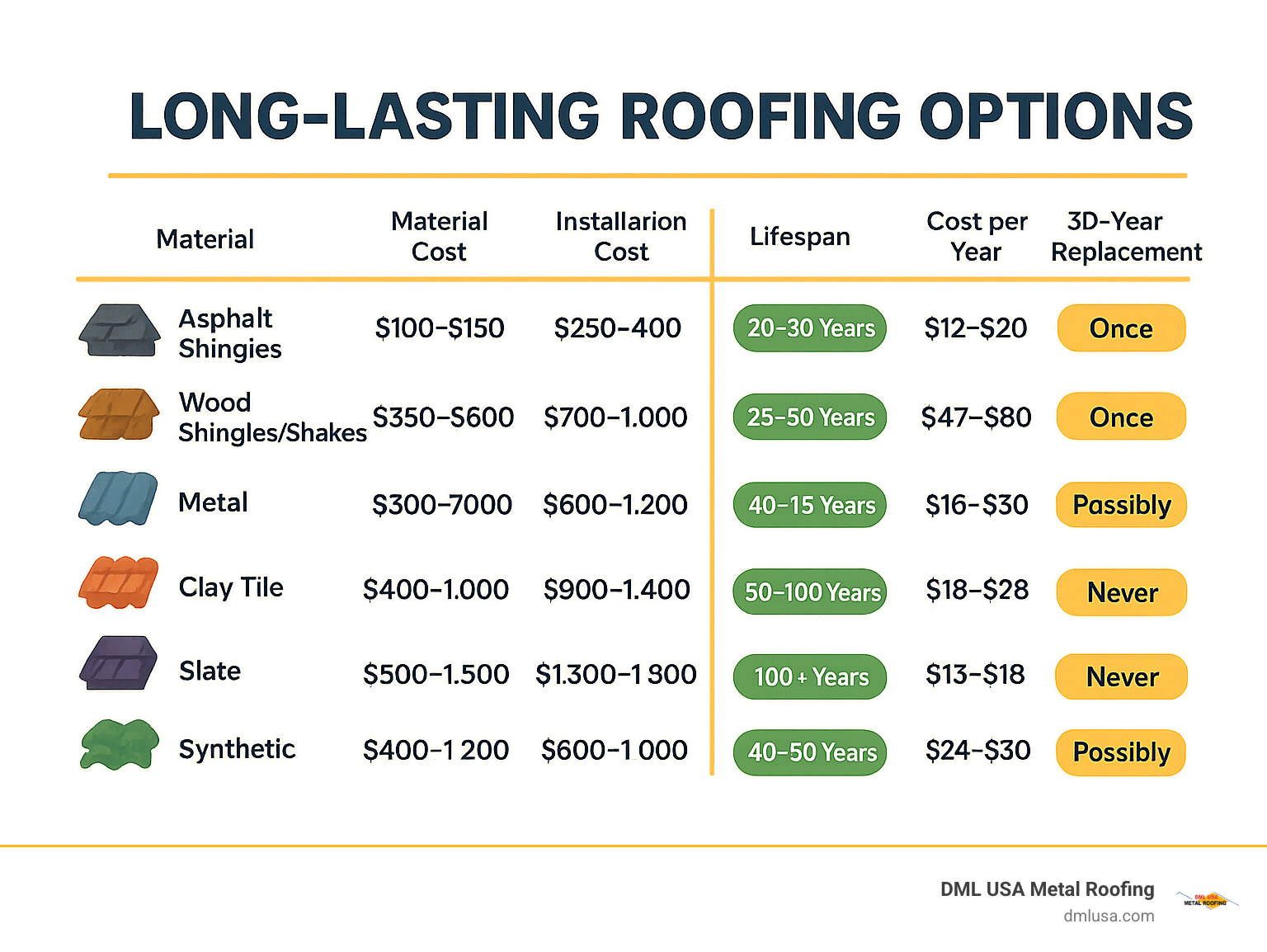
Here’s where the math gets interesting. Concrete tile emerges as the champion of cost-per-year value at just $7-$8 annually. That’s less than most people spend on coffee in a week, yet it protects your home for over a century.
Metal roofing from manufacturers like us at DML USA offers excellent mid-range value, especially when you factor in energy savings. Our Illinois customers regularly see 20% reductions in cooling costs, which adds up to significant savings over 40-80 years of service life.
The real eye-opener comes when you compare replacement cycles. While premium asphalt shingles might seem budget-friendly at $300-$450 installed per square, you’ll likely replace them 2-3 times during the lifespan of premium materials. That “affordable” roof suddenly costs $900-$1,350 per square over 100 years.
Slate represents the ultimate long-term investment. Yes, $1,000-$1,340 per square feels steep upfront, but at $10-$13 per year over its 100+ year lifespan, it’s actually quite reasonable. Your great-grandchildren might still be living under the same roof.
| Material | Material Cost | Installed Cost | Lifespan | Cost/Year |
|---|---|---|---|---|
| Slate | $350-$800 | $1,000-$1,340 | 100+ years | $10-$13 |
| Clay Tile | $600-$750 | $1,200-$1,500 | 100+ years | $12-$15 |
| Concrete Tile | $280-$320 | $700-$800 | 100+ years | $7-$8 |
| Metal Roofing | $260-$900 | $400-$1,400 | 40-80 years | $5-$35 |
| Stone-Coated Steel | $300-$500 | $600-$900 | 50+ years | $12-$18 |
| Premium Asphalt | $100-$325 | $300-$450 | 30-50 years | $6-$15 |
| Wood Shakes | $200-$600 | $700-$1,000 | 25-30 years | $23-$40 |
Warranty protection becomes crucial when you’re planning decades ahead. Look for transferable, non-prorated warranties that won’t leave future homeowners hanging. Remember though – warranties only honor their promises when installation follows manufacturer specifications exactly. Cutting corners during installation can void even the best warranty.
Resale value tells another compelling story. Premium roofing materials typically add 60-70% of their cost to your home’s value. That $20,000 metal roof might boost your home value by $12,000-$14,000 immediately, while also reducing insurance premiums for years to come.
The bottom line? Long-lasting roofing options aren’t just about durability – they’re about smart financial planning. When you spread those costs over decades of protection, premium materials often cost less per year than budget alternatives.
Key Factors That Influence Roof Longevity
Even the best long-lasting roofing options won’t reach their full potential without proper installation and maintenance. Through years of manufacturing metal roofing across Illinois, we’ve identified six critical factors that determine roof longevity.
Installation Quality
Installation quality is absolutely the most important factor in roof longevity. I’ve witnessed slate roofs fail after just 20 years due to improper fastening, while properly installed slate can last over a century.
Poor installation can cut even premium materials’ lifespan in half. Fastener selection alone can make or break your roof’s future. Cheap fasteners corrode and fail, creating leak points that destroy surrounding materials.
Flashing details around chimneys, vents, and roof penetrations are where most roof failures begin. Proper step-flashing and sealed transitions prevent water infiltration.
Climate Load
Your local climate creates the testing ground where your roof proves its durability. Illinois’s freeze-thaw cycles, high winds, and severe storms create challenging conditions.
Temperature extremes cause materials to expand and contract repeatedly, stressing fasteners. UV exposure breaks down organic materials like asphalt, while heavy precipitation tests water-shedding ability.
Ventilation
Proper attic ventilation might be the most overlooked factor in roof longevity. Poor ventilation creates heat buildup that ages materials prematurely and leads to ice dam formation.
Scientific research on attic ventilation demonstrates that inadequate airflow can reduce asphalt shingle life by 30-50%.
The system requires balanced intake and exhaust – soffit vents allow cool air entry while ridge vents remove hot air.
Maintenance Frequency
Regular maintenance extends the life of any roofing material. Annual inspections catch small problems before they become expensive disasters. Prompt repairs prevent water infiltration that can destroy surrounding materials.
Roof Pitch
Steeper roof slopes generally last longer because they shed water and snow more effectively. Water that lingers on low-slope roofs has more opportunity to find gaps and cause damage.
Structural Capacity
Your home’s framing must adequately support the chosen roofing material. Heavy materials like slate and clay tile require structural evaluation and possible reinforcement.
Standard framing typically handles materials under 3 pounds per square foot without modification. Materials over 6 pounds per square foot usually require reinforced framing.
How to Make Any Roof Last Longer
No matter which long-lasting roofing options you choose, a little care goes a long way toward making your investment stand the test of time.
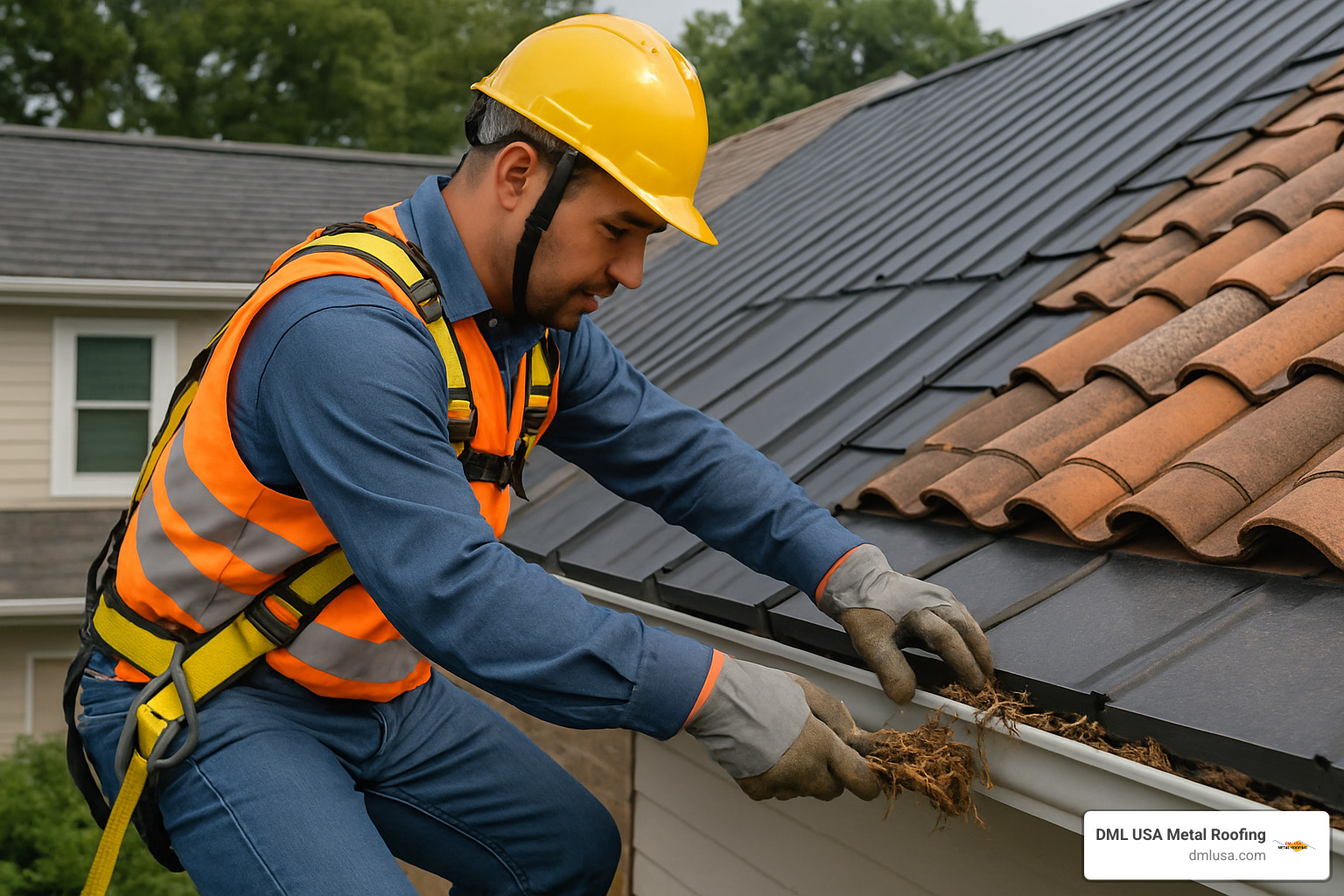
Start with an annual inspection. Schedule a roofing pro to check things over every spring. These checkups can catch loose fasteners, damaged flashing, blocked gutters, and debris before they become major problems.
Debris removal is another simple but powerful step. Leaves, twigs, and other debris hold moisture, making it easier for mold, algae, and rot to develop. Keep gutters and roof surfaces clear to help water flow away from your home.
Check your fasteners regularly. Fasteners literally hold your roof together. Over time, some can loosen, rust, or lose their seal. Replacing corroded fasteners keeps wind and water from sneaking under your roof.
Watch out for moss in damp or shady areas. Moss holds in moisture and can damage any roofing material over time. Install zinc strips near the roof peak to keep moss at bay, trim back tree branches for more sunlight, and gently clean off any growth you spot.
When you spot small issues – like a loose shingle or tiny leak – don’t wait. Quick, proactive repairs prevent minor annoyances from turning into big headaches.
Insurance discounts are another bonus. Many providers offer savings if your roof is made from impact-resistant or fire-rated materials. Class A and Class 4 roofs often qualify for lower premiums.
For more tips, check out our Resources page. To find qualified professionals, visit the International Association of Certified Home Inspectors.
With the right care, your long-lasting roofing options will truly live up to their name – protecting your home for years to come.
Frequently Asked Questions about Long-lasting roofing options
What’s the absolute longest-lasting residential roof?
When homeowners ask me about the absolute champion of long-lasting roofing options, it’s honestly a tie between slate and clay tiles. Both can protect your home for over 100 years, which means you could install either one and never worry about another roof replacement in your lifetime.
Slate has a slight edge in some cases, with certain installations lasting an incredible 150+ years. I’ve personally seen slate roofs in New England that were installed in the 1800s and are still going strong. Clay tiles aren’t far behind though – they’ve been protecting Mediterranean homes for literally thousands of years.
The choice between these two titans usually comes down to your home’s style and your local climate. Slate offers that classic, uniform look that works beautifully on Colonial and Victorian homes. Clay tiles bring that warm Mediterranean charm that’s perfect for Spanish or Mission-style architecture.
Both materials require serious structural support, so you’ll need to factor in potential framing reinforcement. Clay tiles tend to be pricier upfront, but when you’re talking about a century of protection, the cost difference becomes pretty minimal over time.
Do heavy roofs need extra framing?
This is one of the most important questions homeowners forget to ask, and the answer is usually yes. Your home’s framing was designed with specific weight limits in mind, and exceeding those limits can cause serious structural problems.
Standard residential framing handles materials up to about 3 pounds per square foot without breaking a sweat. That covers asphalt shingles and metal roofing just fine. But when you start looking at the premium long-lasting roofing options, things get heavier quickly.
Here’s where the weight adds up fast: Clay tiles can weigh 11-14 pounds per square foot, concrete tiles hit 8-18 pounds, and slate ranges from 6-11 pounds. Compare that to metal roofing at just 0.5-1.75 pounds per square foot, and you can see why structural evaluation becomes critical.
I always recommend consulting a structural engineer when you’re considering materials over 6 pounds per square foot. This is especially important for older homes where the original framing might not meet modern standards. The engineer can tell you exactly what reinforcement you need, if any.
Structural reinforcement typically costs $2-5 per square foot – not cheap, but essential for safety. Think of it as part of your investment in a roof that will outlast several generations of your family.
Will a premium warranty guarantee lifespan?
I get this question a lot, and I always tell homeowners to think of warranties as valuable insurance rather than lifetime guarantees. A premium warranty provides excellent protection against defects and premature failure, but it can’t control Mother Nature or guarantee your roof will hit its maximum possible lifespan.
The key thing to understand is that warranties are only as good as the installation behind them. Every manufacturer requires their exact installation specifications to be followed to the letter. Miss one detail, and your warranty could be void. This is why choosing experienced contractors matters so much.
Non-prorated warranties are worth their weight in gold because they provide full coverage throughout the warranty period. Prorated warranties start strong but decrease in value over time. Transferable warranties are also fantastic if you plan to sell your home – they add real value for potential buyers.
What warranties won’t cover are the big stuff: severe weather damage beyond design specifications, normal aging, or problems caused by poor maintenance. They also won’t help if someone who isn’t qualified makes modifications to your roof.
The reality is that your roof’s actual lifespan depends much more on the quality of materials, expert installation, your local climate, and how well you maintain it. A good warranty is excellent backup protection, but proper installation and maintenance are what really determine whether your long-lasting roofing options reach their full potential.
At DML USA Metal Roofing, we’ve seen how proper installation and quality materials work together to create roofs that consistently exceed their expected lifespans. The warranty gives you peace of mind, but the craftsmanship gives you decades of reliable protection.
Conclusion
Investing in the right long-lasting roofing options is about more than just protecting your home – it’s about creating a future-proof investment that pays dividends for decades to come. The roofs that cost more upfront often cost less over time.
The numbers tell a compelling story. While premium materials require a larger initial investment, they eliminate the expensive cycle of repairs and replacements that budget options demand. A homeowner who installs standard asphalt shingles today will likely replace their roof three times during the lifespan of a single metal or tile system.
Installation quality makes or breaks even the best materials. We’ve seen expensive roofs fail early due to poor installation, while properly installed systems protect homes for decades.
Here in Illinois, our climate throws everything at roofs: brutal winter freeze-thaw cycles, summer heat waves, high winds, and hail storms. Metal roofing has proven exceptional under these conditions, which is why we’ve dedicated our manufacturing to perfecting these systems.
At DML USA Metal Roofing, we’ve adopted the “single install mindset.” Instead of planning for your next roof replacement, why not install a system designed to outlast your mortgage? Our standing-seam metal roofing provides 40-80 year lifespans with minimal maintenance, plus energy tax credits that help offset the initial investment.
The energy benefits alone are remarkable. Metal roofing can reduce cooling costs by 20% through superior reflectivity, while available tax credits make premium materials more affordable than ever.
As a Northlake-based manufacturer, we understand the unique challenges Illinois weather presents. Our products are engineered specifically for Midwest conditions, from Chicago’s lakefront winds to downstate tornado activity.
The question isn’t whether you can afford long-lasting roofing options – it’s whether you can afford not to invest in your home’s protection. Your roof shields everything you value most, and that deserves materials built to last.
Ready to explore roofing solutions that will provide decades of reliable protection? Visit our Products page to find metal roofing systems designed with Illinois homeowners in mind.