

Understanding Metal Roof Pricing in Today’s Market
Metal roofer cost typically ranges from $8.50 to $30 per square foot installed, with most homeowners spending between $14,000 and $40,000. While a significant upfront investment, metal roofs provide exceptional value with a 40-70 year lifespan and minimal maintenance.
Quick Cost Overview:
- Average cost per square foot: $8.50 – $30 installed
- Typical project range: $14,000 – $40,000
- Labor portion: Approximately 60% of total cost
- Lifespan: 40-70+ years vs. 15-30 years for asphalt shingles
The popularity of metal roofing is growing as homeowners recognize its long-term value. Despite a higher initial cost, a metal roof can save $50,000 to $100,000 over 50 years by avoiding multiple asphalt shingle replacements. This durability, combined with 10-25% savings on cooling costs and potential insurance discounts, makes metal a smart investment.
Your final quote depends on material type, panel style, roof complexity, and local labor rates. Understanding these variables is key to making an informed decision.
I’m Adam Kadziola, founder of DML USA Metal Roofing. Since 2007, I’ve been manufacturing high-quality metal roofing in Illinois, giving me deep insight into what drives metal roofer cost. I know what factors matter most when budgeting for this important home investment.
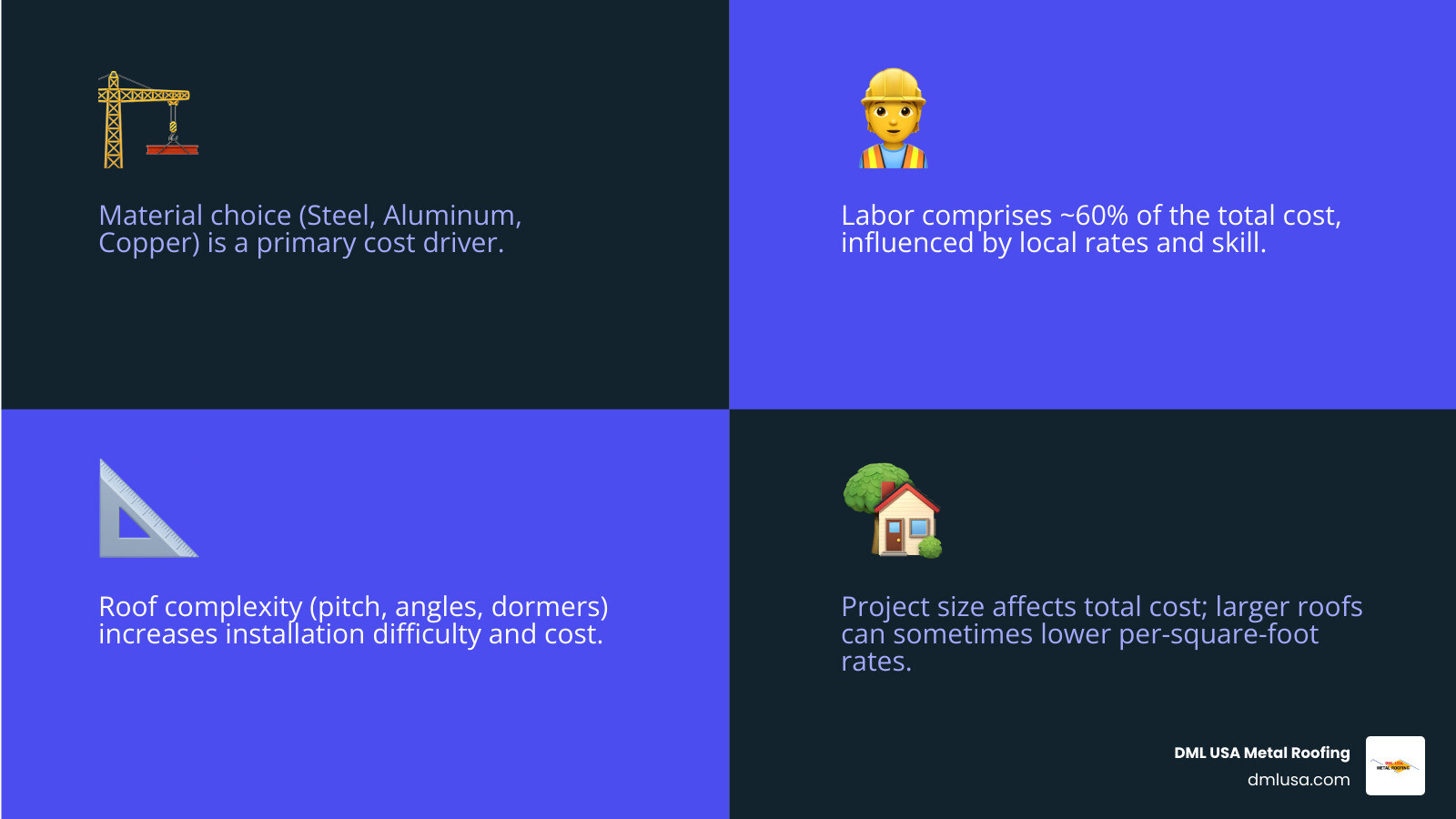
Metal roofer cost terms at a glance:
Understanding the Average Metal Roofer Cost in 2025
When considering a metal roof, it’s important to understand the financials. The metal roofer cost in 2025 reflects a wide range of options and long-term value.
Nationally, homeowners invest between $14,000 and $40,000 for a complete metal roof installation. The final cost depends on the metal you choose, your roof’s complexity, and other factors.
Per square foot, you can expect to pay $8.50 to $30 installed. Affordable steel roofing sits at the lower end, around $8.50 to $14 per square foot, while premium materials like copper can reach $20 to $30 per square foot. It’s like choosing between a reliable sedan and a luxury sports car—both work, but the performance and longevity differ.
Here in Illinois, where we manufacture our products, homeowners in areas like Arlington Heights, Chicago, and Crystal Lake often find competitive pricing due to reduced transportation costs and local expertise.
| Roof Size (Square Feet) | Average Cost Range |
|---|---|
| 1,000 | $8,500 – $30,000 |
| 1,500 | $12,750 – $45,000 |
| 2,000 | $17,000 – $60,000 |
| 2,500 | $21,250 – $75,000 |
Note: These ranges reflect different material choices and installation complexities.
Metal Roofing: Cost & Lifespan Overview
The initial metal roofer cost can seem high compared to asphalt shingles, which might run $3 to $6 per square foot. However, the long-term math tells a different story.
Metal roofs last 40 to 70 years, with some materials lasting even longer. In contrast, asphalt shingles typically need replacement every 15 to 30 years. This means you’re essentially buying one roof instead of two or three over the same period.
Over 50 years, you would likely replace an asphalt roof at least twice, incurring costs for tear-off, disposal, and materials each time. Meanwhile, your metal roof continues to perform.
Beyond avoiding replacement costs, metal roofing offers other financial benefits. Energy savings of 10-25% on cooling costs add up significantly. Many homeowners also qualify for insurance discounts due to metal’s superior resistance to fire, wind, and hail. When you factor in minimal maintenance, the true value becomes undeniable. You’re not just buying a roof; you’re investing in decades of peace of mind.
Key Factors That Determine Your Metal Roofing Quote
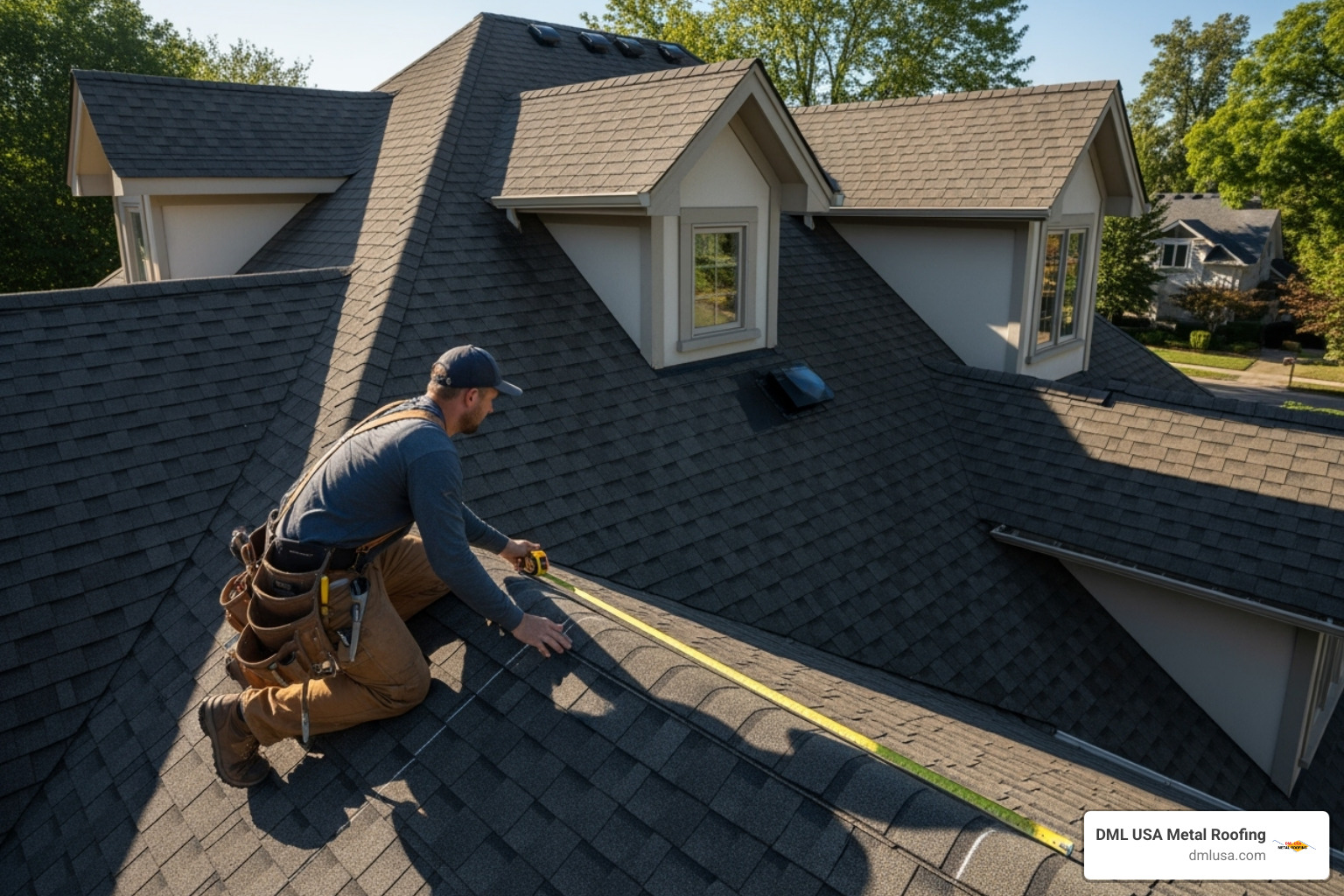
Understanding what influences your metal roofer cost is key to getting an accurate quote. The final figure is a combination of your material choice, panel style, finish quality, metal thickness, and unique installation variables.
Material Type: From Affordable Steel to Premium Copper
The type of metal is the biggest factor in your metal roofer cost. Each offers a unique blend of durability, aesthetics, and price.
-
Steel (Galvanized/Galvalume): The most common and affordable option. Galvanized (zinc-coated) and Galvalume (zinc-aluminum coated) steel offer strong corrosion resistance.
- Cost: $5 to $16 per square foot installed.
- Pros: Strong, versatile, wide color range, great value.
- Cons: Can rust if coatings are compromised, heavier than aluminum.
-
Aluminum: Lightweight and highly resistant to rust, making it ideal for coastal areas.
- Cost: $4 to $11 per square foot installed.
- Pros: Excellent corrosion resistance, lightweight, energy efficient, recyclable.
- Cons: Softer and can dent more easily than steel, more expensive.
-
Zinc: A premium, low-maintenance option known for its self-healing properties and incredible longevity.
- Cost: $6 to $12 per square foot installed.
- Pros: Extremely durable (100+ year lifespan), self-healing, unique patina.
- Cons: High upfront cost, softer material.
-
Copper: The pinnacle of metal roofing, offering best durability and a distinctive green patina that develops over time.
- Cost: $15 to $30 per square foot installed.
- Pros: Exceptional longevity (100+ years), stunning aesthetic, extremely durable.
- Cons: Most expensive option.
Panel Profile & Style: Standing Seam vs. Exposed Fastener
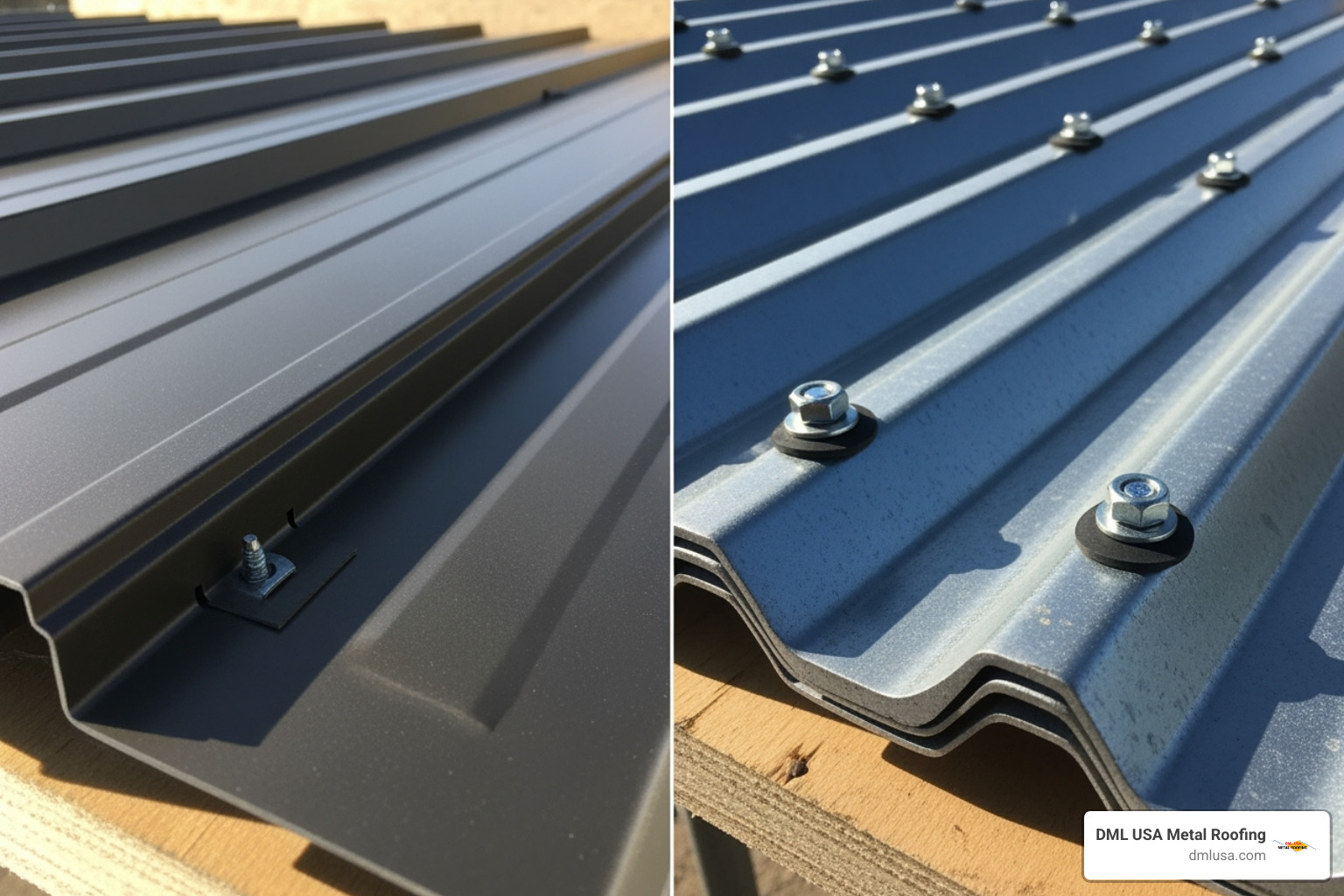
The panel profile also impacts appearance and metal roofer cost. The two main systems are concealed fastener and exposed fastener.
-
Concealed Fastener (e.g., Standing Seam): Panels lock together, hiding fasteners for a sleek look and superior weather resistance. This is a premium option.
- Cost: $7 to $30 per square foot installed.
- Pros: Superior durability, excellent weather resistance, modern aesthetic.
- Cons: Higher upfront cost.
-
Exposed Fastener (e.g., Corrugated Panels): Panels are screwed through the face into the roof deck, leaving fasteners visible. This is a more economical choice.
- Cost: $3.50 to $15 per square foot installed.
- Pros: More affordable, easier to install.
- Cons: Fasteners can be potential leak points and may require maintenance.
Metal shingles, which mimic traditional looks, typically cost between $7 and $22 per square foot.
Finish and Gauge: The Impact of Paint and Thickness
The paint and thickness of your metal panels also affect the metal roofer cost and long-term performance.
Paint Systems:
Most panels use either SMP (Silicone Modified Polyester) or PVDF paint.
- SMP Paint: More affordable but more prone to fading over time.
- PVDF Paint: A higher-quality system known for exceptional color retention and fade resistance. PVDF panels typically cost 30% to 40% more but are a worthwhile investment for longevity.
Metal Gauge (Thickness):
Gauge refers to metal thickness; a lower number means thicker, more durable metal. Residential roofs typically use 26 or 24 gauge.
- 26 Gauge: A common choice offering a good balance of cost and durability.
- 24 Gauge: Thicker and more robust, providing increased resistance to hail and dents. It can cost 25% to 40% more than 26 gauge.
Choosing the right paint and gauge is about balancing your budget with your desire for long-term performance.
Deconstructing the Installation & Labor Bill
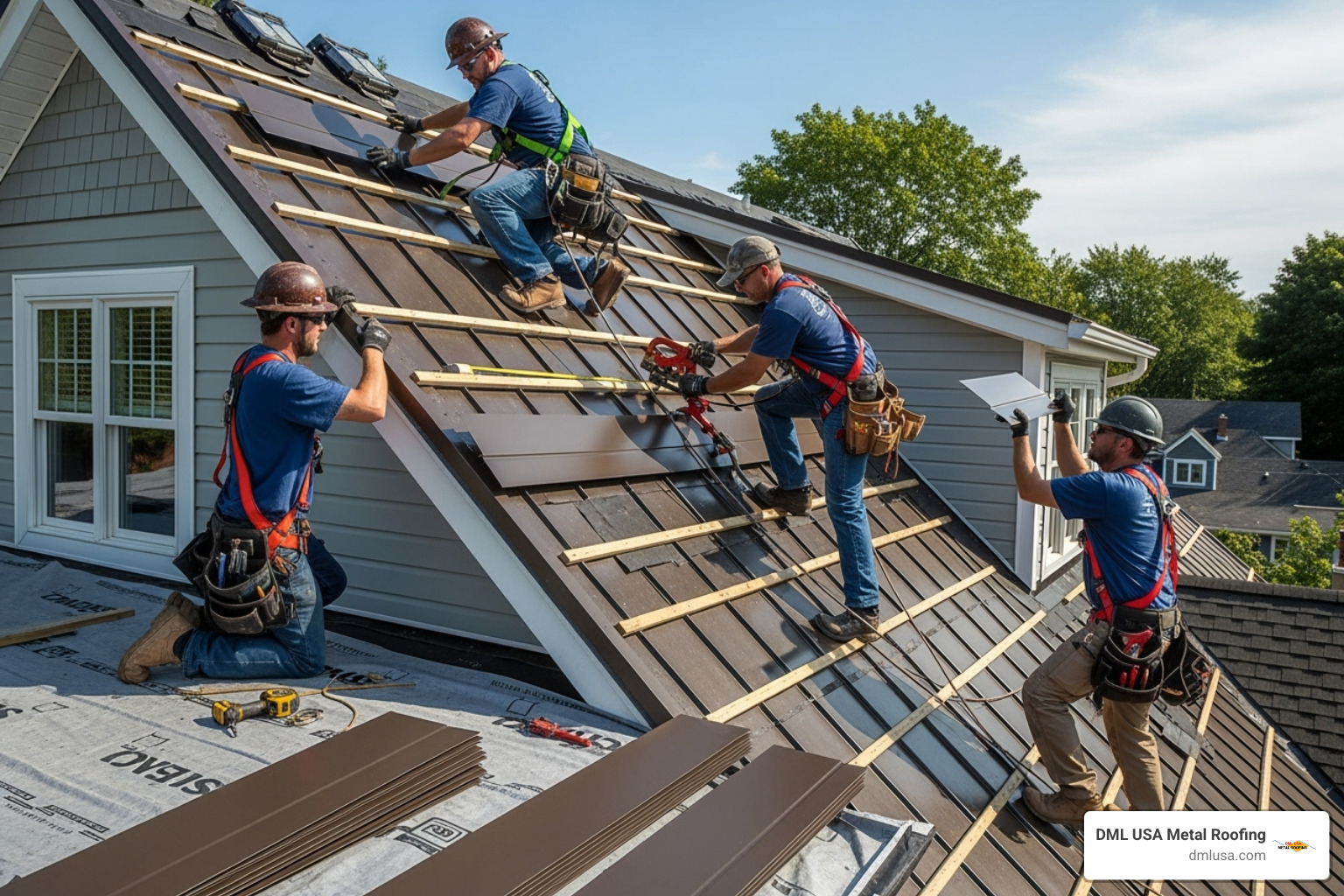
When you get a metal roofer cost estimate, you might be surprised to learn that labor typically makes up about 60% of the total. This is because installing a metal roof is a specialized craft that requires precision and expertise.
Installers must understand how metal expands and contracts, how to create watertight seams, and how to handle complex roof geometries. This skill is a significant part of your investment.
The Role of Labor in Your Final Metal Roofer Cost
Your roof’s complexity is a major driver of your final metal roofer cost. A simple gable roof is straightforward, but dormers, valleys, skylights, or a steep pitch dramatically increase installation time and skill required. Each cut and bend requires careful execution.
Steep pitches and unusual angles slow down work and require specialized safety equipment, increasing labor hours. Roof accessibility also matters; if your home is tall or surrounded by obstacles, getting materials and crews in place can add to the cost.
Local labor rates vary. In Illinois, rates in Chicago may differ from those in more rural areas. Finally, the importance of experienced installers cannot be overstated. A metal roof will only last 50+ years if installed correctly. We ensure our certified installers are factory-trained on every DML USA Metal Roofing system to guarantee that longevity.
Additional Project Costs to Budget For
Beyond materials and labor, other expenses contribute to your total metal roofer cost.
- Old Roof Removal: Typically $1.00 to $2.00 per square foot. A full tear-off is recommended to inspect the roof deck and ensure a proper foundation.
- Underlayment: A crucial protective layer costing $1.00 to $2.00 per square foot. A quality synthetic underlayment is not a place to cut corners.
- Building Permits: Required for most projects, costing $150 to $500 depending on your location.
- Flashing and Trim: These essential metal pieces seal edges and roof penetrations, adding roughly $1.00 to $2.00 per square foot to material costs.
- Project Size: Very small jobs (under 500 sq. ft.) can have a higher per-square-foot cost due to fixed expenses like delivery and setup.
DIY vs. Professional Installation: A Cost-Benefit Analysis
With labor making up 60% of the metal roofer cost, a DIY approach seems tempting. However, the risks are substantial.
Metal roofing requires specialized tools and knowledge of thermal expansion and weatherproofing techniques. Improper installation can lead to costly leaks, water damage, and structural problems that far exceed any labor savings.
Furthermore, most manufacturers require professional installation to maintain warranty coverage. A DIY job could leave you without protection. Most importantly, roofing is inherently dangerous. Professionals have the training, equipment, and insurance to work safely. For a product designed to last over 50 years, professional installation ensures your investment performs as expected, providing invaluable peace of mind.
The Long-Term Value & Savings of a Metal Roof
While the initial metal roofer cost is higher, the true economic benefits unfold over its long lifespan. The financial advantages go beyond avoiding replacement costs, including reduced maintenance, energy savings, and increased home value.
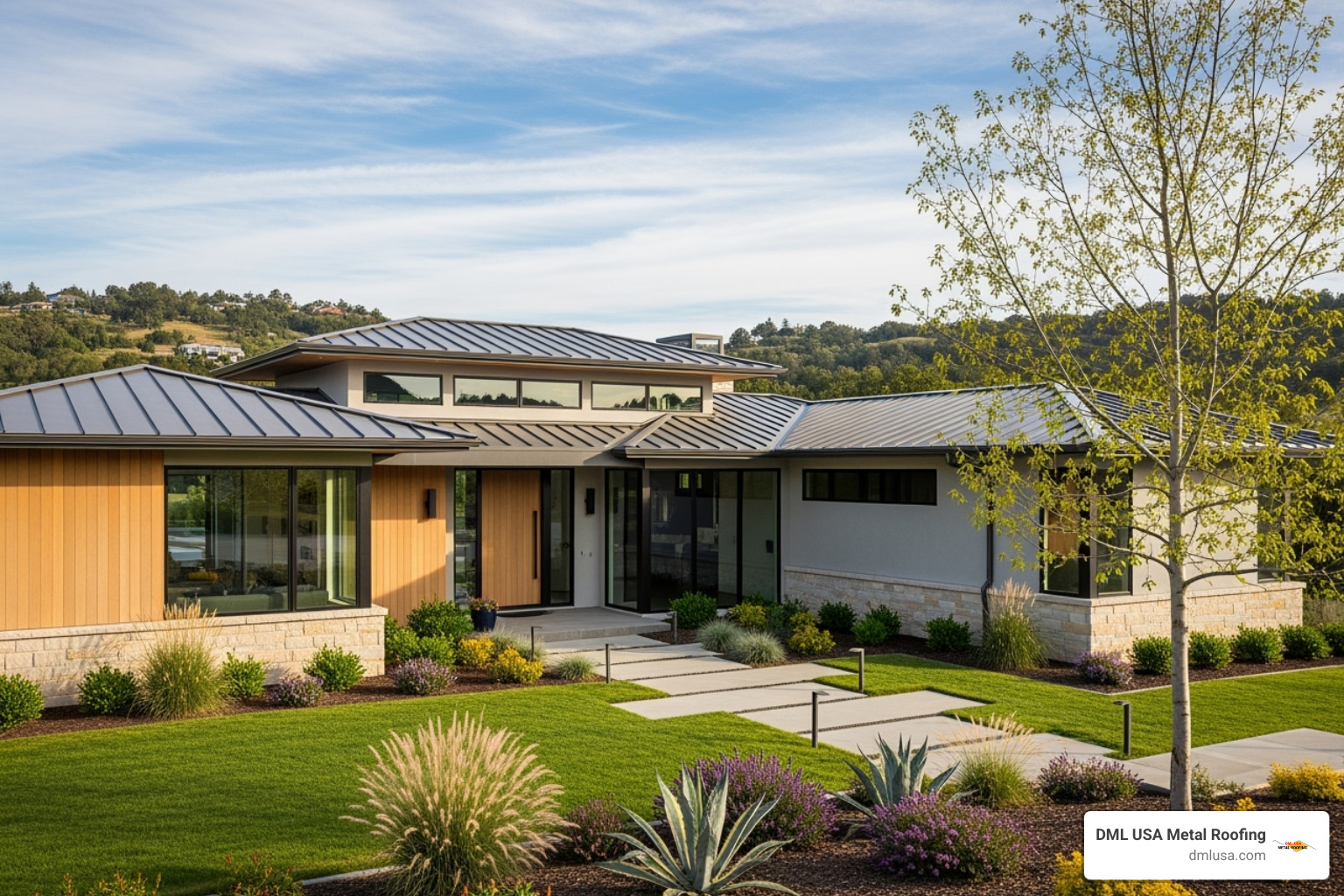
Lifespan, Maintenance, and Durability
Metal roofing’s greatest advantage is its longevity. A quality metal roof will last 40-70 years, meaning you may replace an asphalt roof two or three times in one metal roof’s lifespan. This durability comes with minimal maintenance—typically just an annual cleaning and inspection. Metal roofs also offer superior resistance to wind, fire, and impact damage, protecting your home from storms, hail, and heavy snow. This robust protection saves you money on repairs and provides invaluable peace of mind.
Energy Efficiency and Environmental Benefits
Metal roofs are energy-saving machines. Their solar reflectance properties direct heat away from your home, reducing cooling costs by 10-25%. Over decades, these savings add up to thousands of dollars. Environmentally, metal roofing contains 30-60% recycled content and is 100% recyclable at the end of its life, unlike asphalt shingles that clog landfills. Many energy-efficient metal roofs also qualify for federal energy tax credits, further reducing your effective metal roofer cost.
Boosting Home Value and Insurance Savings
A metal roof increases your home’s value and curb appeal. A quality installation can increase resale value by up to 6%. According to the 2024 Cost vs. Value Report, homeowners often recoup 48.1% of their investment upon selling. Additionally, many insurance companies offer discounts for homes with metal roofs due to their superior resistance to fire and weather damage. This combination of benefits transforms a metal roof from an expense into a smart investment that pays dividends for decades.
Frequently Asked Questions About Metal Roofing Costs
Homeowners naturally have questions about the practicalities and costs of a metal roof. Here are straightforward answers to the most common concerns.
Can a metal roof be installed over existing shingles?
While technically possible, we usually recommend against it. Installing over shingles can save $1.00 to $2.00 per square foot on tear-off costs, but it creates significant risks. The biggest issue is trapping moisture, which can lead to mold, mildew, and rot on your roof deck. A tear-off also allows for a proper inspection of the deck to identify and repair any hidden damage before installing your new lifetime roof. A complete tear-off provides the best foundation for long-term performance.
Are metal roofs noisy when it rains?
This is the biggest myth about metal roofing. The loud drumming sound people imagine comes from old barns with no insulation. Modern residential metal roofs are installed over solid sheathing, quality underlayment, and attic insulation. This structure dampens sound effectively. In fact, many homeowners report that their metal roof is quieter during storms than their old asphalt shingles. Properly installed panels are securely fastened and do not create extra noise, so you can rest easy during a rainstorm.
Are there financing options or rebates available?
Yes. We understand the upfront metal roofer cost is a significant investment and work to make it accessible.
- Financing Options: Many contractors, including DML USA Metal Roofing, offer flexible financing to spread the cost into manageable monthly payments.
- Tax Credits & Rebates: Energy-efficient metal roofs may qualify for federal energy tax credits, which directly reduce your tax bill. It’s also worth checking for state and local rebates for energy-efficient home improvements.
- Home Improvement Loans: Options like a home equity line of credit (HELOC) are popular for funding major upgrades that increase a home’s value.
Always ask your contractor about available programs; they can often point you toward savings you might have missed.
How to Get an Accurate Estimate and Save Money
Getting a fair metal roofer cost estimate is achievable with the right approach. By becoming an educated buyer, you can evaluate quotes effectively and make a decision that serves your long-term interests.
Finding a Qualified Contractor for the Best Metal Roofer Cost
The contractor you choose is the most critical factor in your project’s success. A skilled installer ensures your roof performs for decades, while a poor one can turn your investment into a costly headache.
- Look for Experience: Hire a contractor who specializes in metal roofing. They will have the specific skills required for proper installation.
- Verify Credentials: Always confirm the contractor has both liability insurance and workers’ compensation. Manufacturer certifications are also a great sign of training and expertise.
- Get Itemized Quotes: Obtain at least three detailed quotes. Compare not just the price but the specifics—metal gauge, paint system, and underlayment type. A quote that seems too good to be true often is.
Here at DML USA Metal Roofing, we’ve manufactured high-quality metal roofing in Illinois since 2007. Our products are designed for durability and minimal maintenance, offering high resistance to fire, wind, and impact. We’ve served communities like Arlington Heights, Chicago, and Crystal Lake, and we know how to deliver lasting value.
To save money, choose materials that fit your budget and climate, like steel or aluminum. You can also ask about scheduling your project during a contractor’s slower season. However, the most important tip is to never cut corners on installation quality. A professional installation will save you thousands in the long run.
Ready to get started? Find a professional through DML USA Metal Roofing to discuss your project and get an accurate estimate.
Conclusion
When you look at the full picture, the metal roofer cost is about long-term value, not initial sticker shock. While the upfront investment is higher than for asphalt shingles, you are buying decades of durability and peace of mind.
Over the next 50 years, you could replace an asphalt roof two or three times. With a metal roof, you make one investment that pays you back through avoided replacements, minimal maintenance, lower energy bills, and potential insurance discounts.
We’ve covered the key factors that shape your quote, from material choices like steel and copper to the importance of professional installation. A metal roof is more than just a covering; it’s an upgrade that improves your home’s beauty, efficiency, and financial value.
At DML USA Metal Roofing, we’ve helped Illinois homeowners make this smart investment since 2007. Our maintenance-free systems are built to withstand Illinois weather and can qualify for energy tax credits, helping offset your initial cost. We are committed to providing the information you need to choose a new roof with confidence.
Ready to see what a lifetime roof can do for your home? View our durable metal roofing products and let us help you get an accurate estimate for the last roof you’ll ever need.