

Replace shingles with metal roof: 7 Powerful Reasons in 2025
Why Making the Switch from Shingles to Metal Makes Sense
Replace shingles with metal roof projects are surging across the country as homeowners find the long-term benefits of this upgrade. If you’re tired of constant roof repairs, worried about storm damage, or frustrated with rising energy bills, you’re not alone.
Quick Answer for Homeowners Ready to Replace Shingles with Metal Roof:
- Preparation – Inspect roof deck, obtain permits, choose tear-off vs. overlay method
- Installation – Remove old materials (if needed), install underlayment, secure metal panels with hidden fasteners
- Timeline – Most residential projects complete in 2-5 days depending on size and complexity
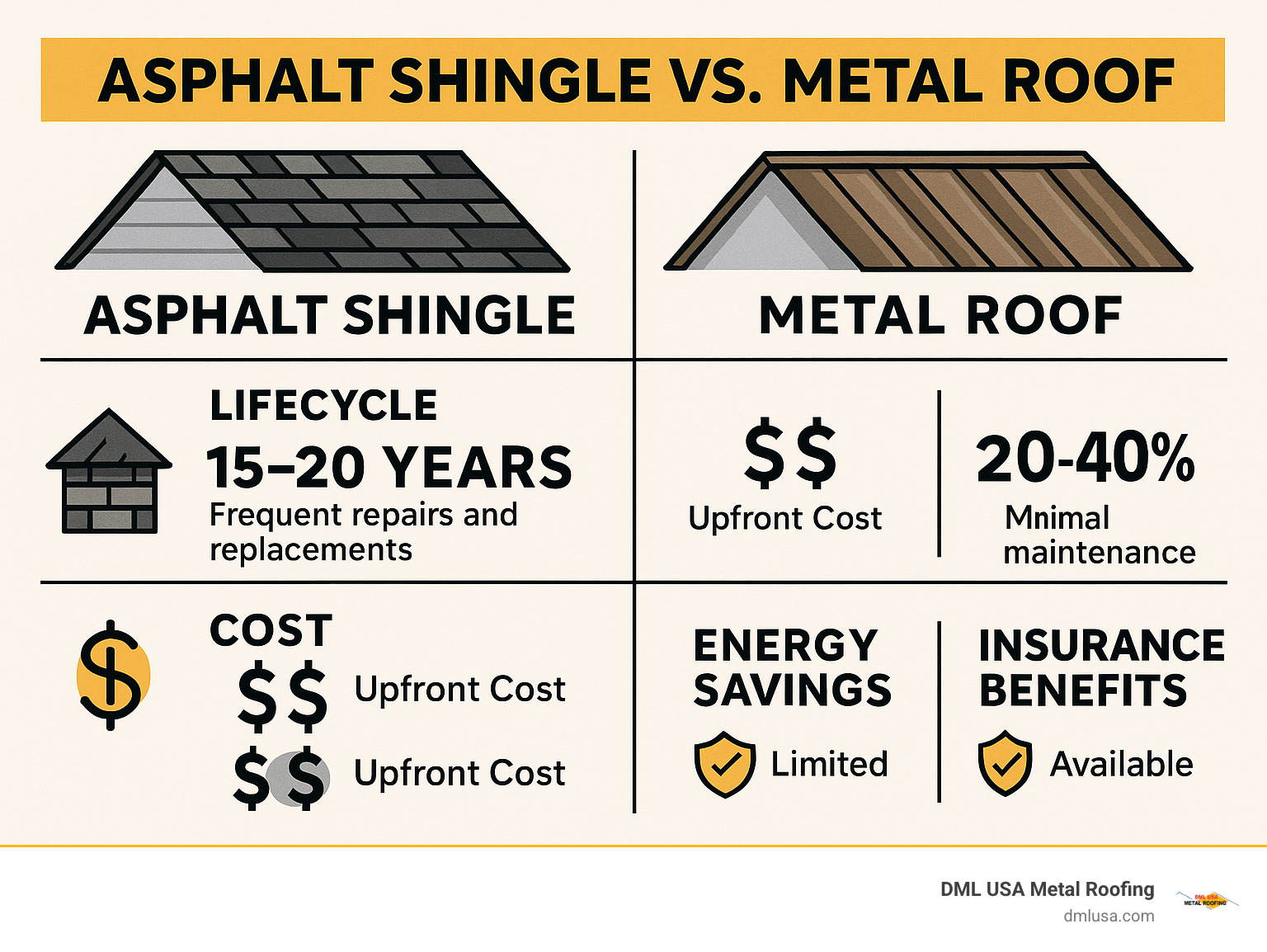
- Cost – Expect 2-3x higher upfront cost but 50+ year lifespan vs. 15-20 years for shingles
- Benefits – Energy savings, insurance discounts, increased home value, minimal maintenance
The reality is harsh: most asphalt shingle roofs start showing serious problems within 10-20 years, despite manufacturer warranties promising much more. Meanwhile, metal roofs can last 50+ years with minimal maintenance – that’s potentially the last roof you’ll ever need to buy.
Research shows that metal roofing can reduce cooling costs by 20-40% through reflective coatings and proper ventilation systems. Plus, many insurance companies offer discounts for metal roofs due to their superior fire and hail resistance.
As Adam Kadziola from DML USA Metal Roofing, I’ve helped hundreds of Illinois homeowners successfully replace shingles with metal roof systems over the past 16 years in manufacturing and home renovations. Our family-owned company has seen how this single upgrade transforms both home protection and long-term maintenance costs.
Related content about replace shingles with metal roof:
– cost difference between metal roof and shingle roof
– metal shingle roof cost
Why Homeowners Trade Shingles for Metal
The trend toward metal roofing isn’t just about following the latest home improvement fad. When homeowners decide to replace shingles with metal roof systems, they’re making a calculated decision based on real-world frustrations and long-term financial sense.
Think about it: how many times have you watched neighbors deal with storm damage, replace missing shingles, or complain about their energy bills? Metal roofing solves these headaches while delivering benefits that compound over decades.
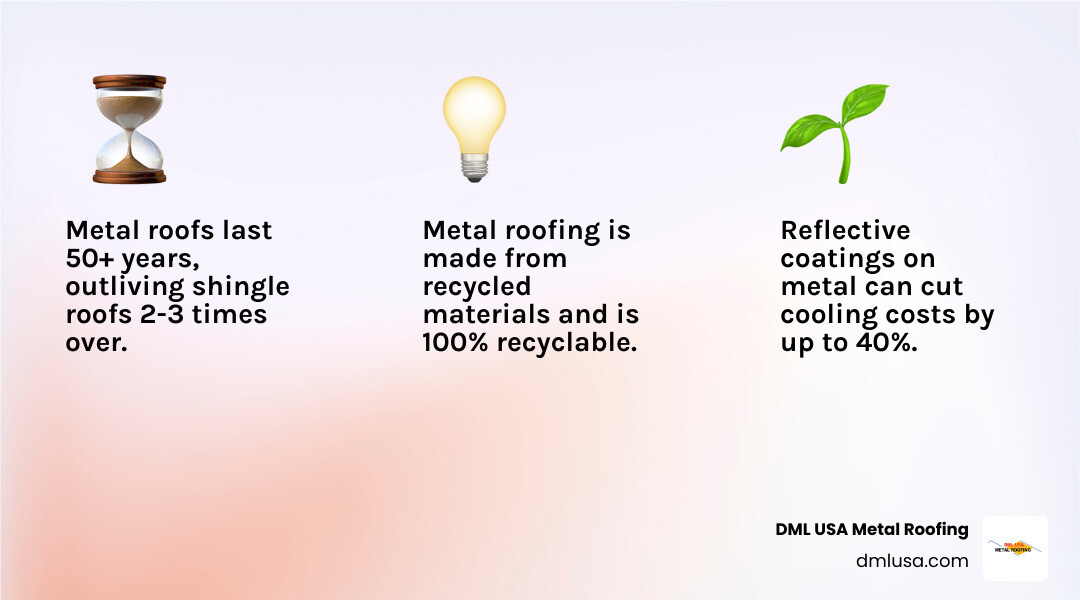
Longevity is the biggest game-changer. While shingle manufacturers promise 25-30 years, Illinois weather tells a different story. Metal roofs routinely hit the 50+ year mark, meaning this could be the last roof you ever buy. That’s peace of mind you can’t put a price on.
Durability matters when you’re dealing with our unpredictable Midwest weather. Metal roofs laugh off hail storms that would shred shingles. They resist wind uplift that would peel off traditional roofing. And if wildfire risk concerns you, metal’s fire resistance is best.
Don’t underestimate the curb appeal factor either. Gone are the days when metal meant “barn roof.” Today’s profiles and colors work beautifully on everything from Victorian homes to modern builds. Plus, that improved appearance translates to higher resale value when it’s time to sell.
Energy savings can be dramatic. Cool-roof coatings reflect heat instead of absorbing it, and proper ventilation systems can cut cooling costs by up to 40%. Many homeowners see the difference in their first summer utility bill.
Insurance companies have noticed too. Many offer discounts for metal roofs because they know these systems resist the hail and fire damage that trigger expensive claims. It’s a win-win situation.
The sustainability angle resonates with environmentally conscious homeowners. Most metal roofing contains significant recycled content, and when it eventually reaches end-of-life, it’s 100% recyclable. No landfill guilt here.
Learn more about these advantages: Why Choose Metal Roofing
Key Benefits at a Glance
Here’s what makes the difference when you replace shingles with metal roof:
50+ Year Lifespan means you’re likely buying your forever roof. While neighbors replace their shingles twice, you’re still covered by the same metal system.
Cool-Roof Coatings use advanced reflective technology to bounce heat away from your home. Your attic stays cooler, your AC works less, and your energy bills drop.
Minimal Upkeep eliminates those weekend gutter cleanings filled with shingle granules. No more annual “roof checkups” or emergency repairs after every storm.
Recycled Content makes metal roofing an eco-friendly choice from day one. These systems often contain 25-95% recycled materials, depending on the metal type.
Hidden Costs of Sticking with Shingles
The sticker shock of metal roofing makes sense until you dig into what shingles actually cost over time. The “cheap” option isn’t so cheap when you factor in the hidden expenses.
Granule loss starts immediately. Those colorful ceramic granules that protect shingles? They begin washing into your gutters from day one. Each storm accelerates the process.
The 10-20 year reality hits hard in Illinois. Despite warranty promises, most shingle roofs show serious problems within two decades. Our freeze-thaw cycles, wind, and hail take their toll faster than manufacturers admit.
Landfill fees add insult to injury. When you tear off a shingle roof, you’re looking at tons of waste heading to already-overflowing landfills. Disposal costs can run hundreds of dollars.
Premature re-roof cycles create the biggest hidden cost. You might replace shingles 2-3 times during a single metal roof’s lifespan. Those “savings” evaporate quickly when you calculate the true lifetime cost.
Planning & Prep Before You Replace Shingles with Metal Roof
Getting ready to replace shingles with metal roof is a big step—one that starts long before your first panel goes on. A little planning goes a long way toward a smooth, worry-free installation and years of peace of mind.
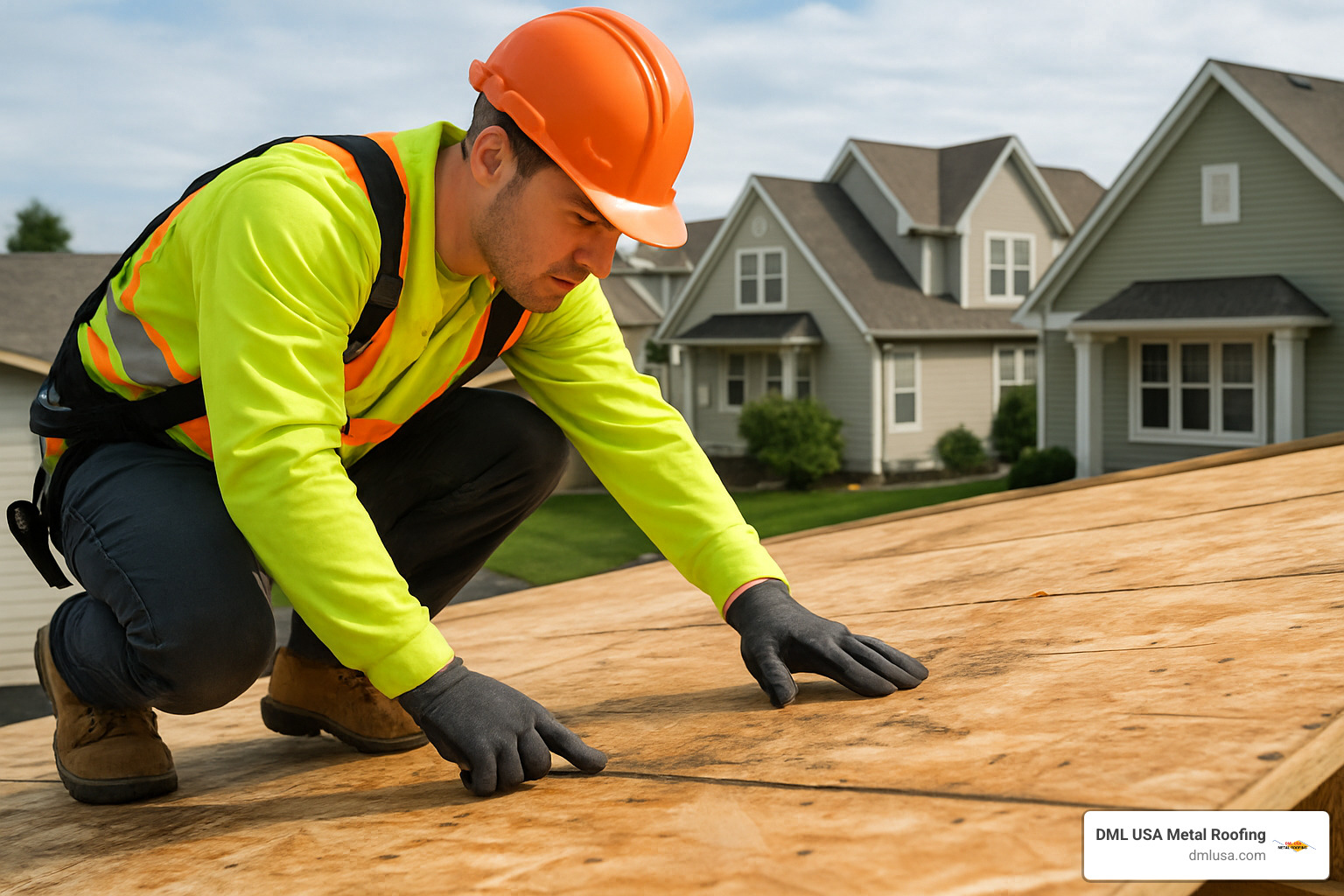
First things first: a thorough site inspection is essential. A trusted pro will assess your existing shingles, check the condition of the wood decking underneath, and make sure your attic has enough ventilation. If the deck has any soft spots, rot, or sagging, those have to be repaired—think of it like fixing the foundation before painting the house.
Structural load is another key point. The good news? Metal roofing is surprisingly lightweight, so most homes, even older ones, handle it just fine. But if your home was built before the 1950s, it’s worth checking if extra bracing is needed for safety.
Don’t forget about permits! In Illinois, you’ll need a building permit before work begins. Some communities have specific rules about how many roof layers you can have and what materials are allowed. It’s always a good idea to double-check with your local building department before scheduling anything.
Choosing your contractor is just as important as picking your panels. Not all roofers have experience with metal. Ask about their insurance, references, and most importantly—their history with metal roofing projects. This isn’t the time for guesswork.
Some folks wonder if they can tackle a replace shingles with metal roof project themselves. While DIY can be tempting, installing metal roofing is a whole different ball game from laying shingles. There’s a lot to know about flashing, fasteners, and working safely at heights. For most homeowners, hiring a qualified pro ensures the job is done right—and usually faster, too.
If you want to dive even deeper into the process, our Resources page is packed with helpful guides and checklists.
Can You Replace Shingles with Metal Roof Over Existing Layers?
You might be wondering if you can just put your new metal roof right over the old shingles and call it a day. The answer? Sometimes! It depends on your local codes and the state of your existing roof.
Many Illinois towns allow one roofing “overlay.” That means you can install your metal panels right over a single layer of shingles. For best performance, furring strips are often added to create a ventilation gap—called above-sheathing ventilation (ASV). This gap helps reduce heat buildup, saves energy, and prevents condensation.
However, most building codes only allow up to two total layers of roofing. If your home already has two layers, you’ll need a full tear-off before installing new metal. Also, keep in mind that overlaying can conceal hidden problems like wood rot or old leaks. If there’s any doubt about the roof deck, it’s safest to start fresh.
Curious about the science behind heat transfer and overlays? Check out this scientific research on heat transfer reduction.
Tear-Off Requirements When You Replace Shingles with Metal Roof
A full tear-off might sound like extra work, but it comes with big benefits when you replace shingles with metal roof. Removing old shingles gives you a clear view of the wood deck, making it easy to spot and repair any rot or water damage.
It’s also the best time to install a modern ice-and-water shield—a layer that helps block leaks from wind-driven rain or ice dams. Plus, a tear-off lets you update all the flashings around chimneys, vents, and valleys, protecting your home from future leaks.
Disposal is another consideration: you’ll need a dumpster for the old shingles, and in Illinois, that usually runs $500 or more.
Here’s a quick comparison to help you weigh your options:
| Installation Method | Upfront Cost | Labor Time | Weight Added | Lifespan | Warranty | Deck Inspection | Disposal Fees |
|---|---|---|---|---|---|---|---|
| Overlay (1 layer) | Lower | Faster | Minimal | 50+ yrs | May vary | No | None |
| Full Tear-Off | Higher | Slower | None | 50+ yrs | Best | Yes | $500+ |
A little extra prep now means decades of comfort and confidence later.
Replace Shingles with Metal Roof: Step-by-Step Installation
Now comes the exciting part – the actual installation! When you replace shingles with metal roof, having the right materials and following proper steps makes all the difference between a roof that lasts decades and one that causes headaches.
The key to success starts with material selection. You’ll need to choose between panel profiles like standing seam (which gives that sleek, modern look with hidden fasteners) or metal shingles that mimic the classic appearance you’re used to. Don’t forget about underlayment types – synthetic underlayment, ice & water shield, or breathable membranes each serve different purposes. Your fasteners and clips need to match your panel choice, with stainless or coated screws being the gold standard.
Safety can’t be an afterthought. A proper harness, shoes with good grip, gloves, and eye protection are non-negotiable. And here’s a pro tip from our years at DML USA Metal Roofing: pick your weather window carefully. Metal installation moves fast, but you want at least a dry week to work with.
Check out our full range: Products
Measuring & Ordering Panels
Getting your measurements right saves money and headaches later. Start with the roof square calculation – remember that one square equals 100 square feet. Measure your roof’s total surface area, then add that crucial 10% waste factor. Trust me, it’s better to have a little extra than to halt installation waiting for more material.
Complex roofs with lots of valleys or hips need even more extra material. Color chips are worth ordering because colors look different in natural light than on your computer screen. Plan ahead for lead times too – custom colors or special profiles can take 2-4 weeks to arrive.
Removing or Refurbishing Old Shingles
If you’ve decided on a full tear-off (which often gives the best long-term results), you’ll need the right tools. A roofing shovel, pry bar, hammer, and heavy-duty bags make the job manageable. Dumpster placement matters more than you’d think – position it close to the house to save your back countless trips.
As you expose the deck, keep an eye out for deck repair needs. Any rotten or delaminated plywood needs replacing before you install your beautiful new metal roof. The smart approach is to dry-in sections as you go, covering exposed deck with underlayment to prevent water damage if weather surprises you.
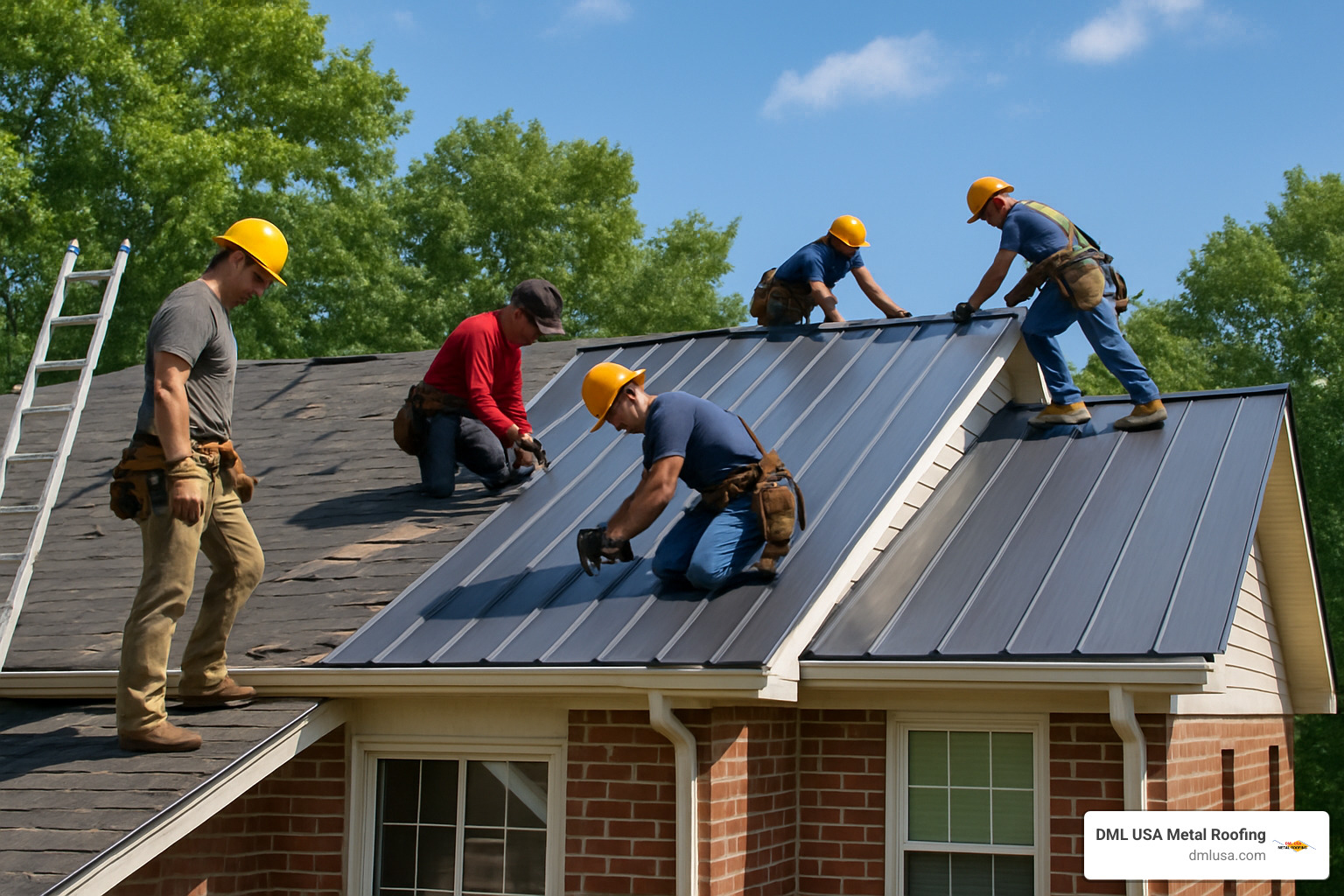
Installing the Metal System
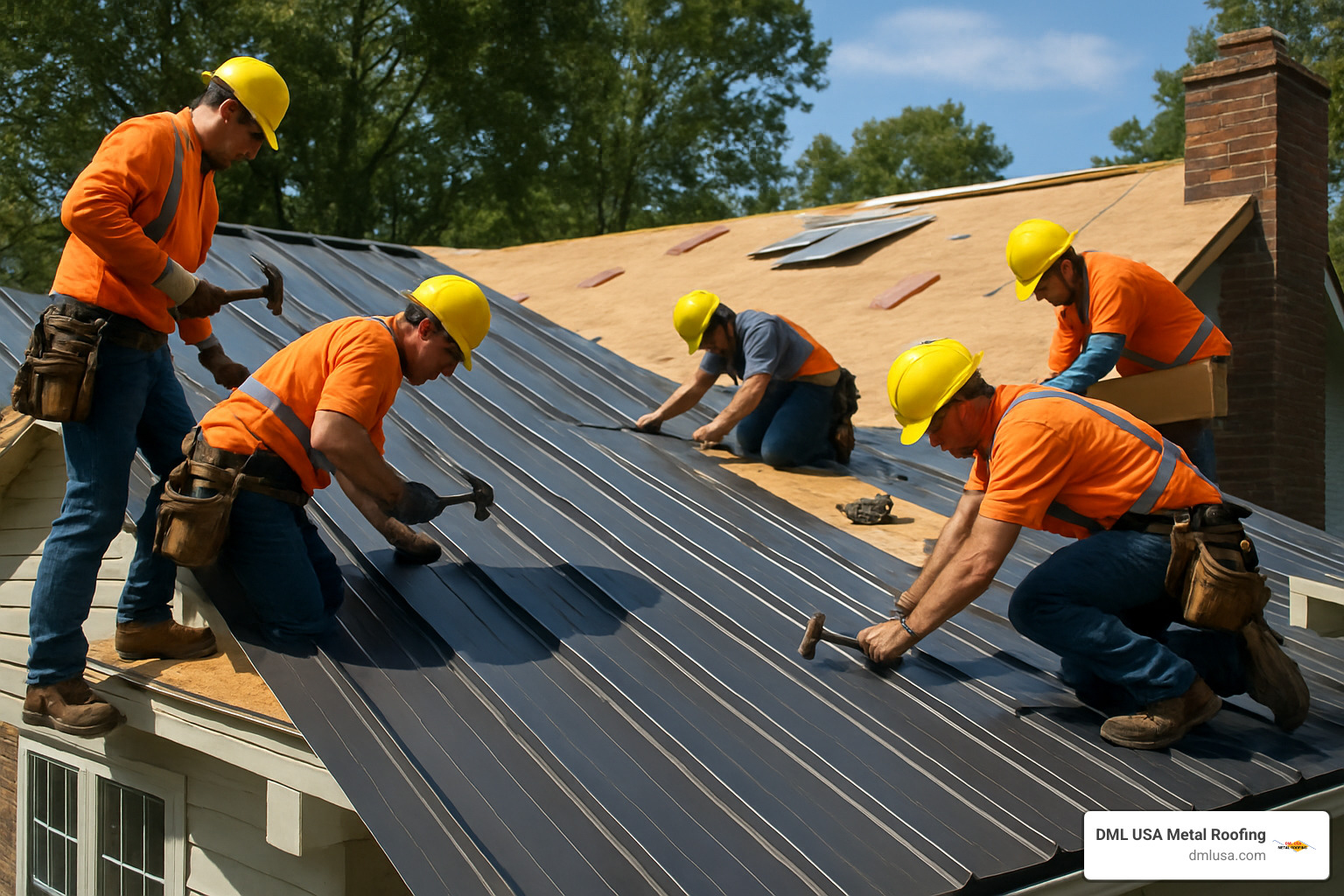
Here’s where the magic happens. Start with a starter strip at the eaves – getting this first piece straight sets up everything that follows. Panel layout requires some planning to minimize cuts and waste, but it’s worth taking time to get right.
Hidden fasteners are one of the best features when you replace shingles with metal roof with standing seam panels. These clips and hidden screws create a watertight, sleek finish that looks professional. Don’t forget your ridge vents for proper attic airflow, and use high-quality sealants at all penetrations and overlaps.
Final Inspections & Warranty Registration
The finish line is in sight! A thorough walk-through checking all fasteners, seams, and flashings ensures your investment will perform for decades. This isn’t the time to rush – every detail matters.
Manufacturer paperwork might seem boring, but registering your metal roof activates warranty coverage. Many manufacturers offer limited lifetime warranties, but only if you complete the registration process. Keep your permits, inspection reports, and warranty information organized – you’ll thank yourself later when dealing with insurance or if you ever sell your home.
Cost, ROI & Financing
Let’s get real—replace shingles with metal roof projects are an investment. But here’s why so many Illinois homeowners are making the leap, and why the numbers actually work in your favor.
First, let’s talk upfront cost. A new metal roof usually runs 2-3 times more than asphalt shingles—think $8-15 per square foot for metal, versus $3-6 per square foot for shingles, installed here in Illinois. Sticker shock? Maybe at first. But look at the whole picture: a shingle roof often needs replacing every 15-20 years (sometimes sooner after our wild Midwestern storms). A metal roof? You’re set for 50+ years, with almost no maintenance.
That long lifespan means your life-cycle cost is actually lower. Instead of paying for two or even three shingle roofs—not to mention all those repairs, tune-ups, and disposal fees—you get a beautiful, durable metal roof that’s truly “one and done.”
And here’s where it gets better: you may be eligible for energy tax credits. If you choose a qualifying reflective metal roof, the federal government could cover up to 10% of the cost. Add in insurance savings—many Illinois homeowners see up to 25% off their premiums for fire- and hail-resistant metal roofing—and those upfront numbers start looking a lot friendlier.
Worried about paying all at once? Financing options are widely available for home improvement projects like this. From home equity loans to special roofing loans, you can spread out payments and still enjoy all the benefits right away.
The icing on the cake? Return on investment (ROI). National research shows metal roofs can recoup up to 85% of their cost when you sell your home. Buyers love the curb appeal, energy efficiency, and the promise of never having to replace shingles again.
Curious how a metal roof looks in the real world? Take a peek at our Gallery to see real Illinois homes—before and after.
Want more details? Check out the latest research on metal roof payback for an even deeper dive into the numbers.
Bottom line: choosing to replace shingles with metal roof isn’t just about peace of mind—it’s a smart financial move that pays off for decades to come.
Maintenance, Energy & Environmental Impact
Here’s the best part about choosing to replace shingles with metal roof: you’re basically done worrying about your roof for the next 50+ years.
Unlike asphalt shingles that need constant attention, metal roofing is refreshingly low-maintenance. A simple annual checkup each spring is all you need. Take a walk around your house (or hire a pro if heights aren’t your thing) to check for any debris buildup, loose screws, or minor flashing issues. That’s it.
Snow and debris removal becomes almost effortless with metal. The smooth surface naturally sheds snow, leaves, and branches. You might occasionally need to clear valleys where debris can collect, but gone are the days of worrying about ice dams or moss growth that plague shingle roofs.
The energy benefits are where metal roofing really shines. DML USA’s cool pigments reflect UV rays instead of absorbing them like dark shingles do. This means your attic stays cooler, your air conditioner works less, and your energy bills drop. Many Illinois homeowners see 20-40% reductions in cooling costs during our hot summers.
Thinking about solar panels? Metal roofs are solar-ready right out of the gate. Standing seam systems use special clamps that attach panels without drilling holes through your roof. This means no potential leak points and easy panel removal if needed later.
From an environmental standpoint, metal roofing is incredibly responsible. Most panels contain significant recycled content from old cars, appliances, and previous roofing materials. When your metal roof eventually reaches end of life decades from now, every panel goes straight to the scrapyard for recycling – not the landfill like millions of tons of discarded shingles.
Let’s address the elephant in the room: noise myths. Many homeowners worry about the sound of rain on metal. The truth? With proper attic insulation (which you should have anyway), a metal roof is no noisier than shingles during storms. The old “tin roof” stereotype comes from barns and sheds without insulation underneath.
Many metal roofing systems also qualify for green certifications including LEED points, Energy Star ratings, and other sustainability programs. This can matter for resale value and may open up additional tax incentives.
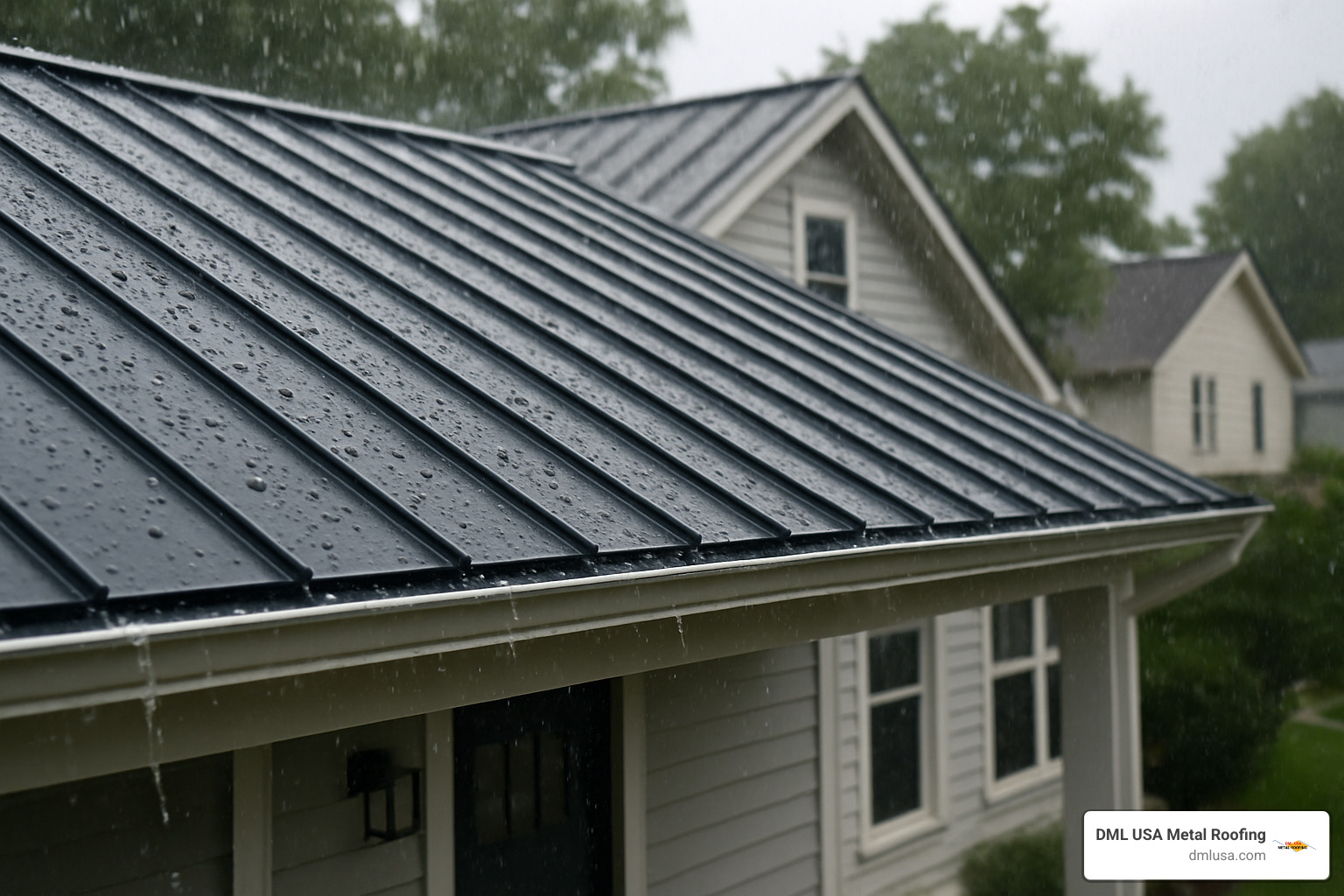
Frequently Asked Questions about Replacing Shingles with Metal
Let’s tackle the questions we hear most often from Illinois homeowners considering making the switch.
How long does a metal roof really last?
Here’s where metal roofing really shines. Modern galvalume and coated steel systems routinely deliver 50-70 years of reliable service – that’s potentially the last roof you’ll ever need to buy.
At DML USA Metal Roofing, we’ve seen how our Illinois customers’ roofs perform year after year. The secret is in the galvalume coating – a zinc-aluminum alloy that forms an incredibly durable barrier against rust and corrosion.
Many of our systems come with limited lifetime warranties, which tells you everything you need to know about manufacturer confidence. Compare that to asphalt shingles, which typically start showing their age within 10-20 years, and the math becomes pretty clear.
Will a metal roof make my home hotter or colder?
This is probably our most common question, and the answer might surprise you: metal roofs actually keep your home cooler in summer and more comfortable year-round.
Here’s why: metal roofing has superior reflectivity and emissivity compared to dark asphalt shingles. Instead of absorbing heat like a sponge, metal reflects much of the sun’s energy back into the atmosphere.
But the real game-changer is above-sheathing ventilation (ASV). When you replace shingles with metal roof using this method, you create an air gap between the old roof and new metal panels. This ventilation channel allows hot air to escape naturally, keeping your attic significantly cooler.
The result? Many of our Illinois customers report noticeable drops in their summer cooling bills – sometimes 20-40% lower than before their metal roof installation.
Can I install solar panels on my new metal roof?
Absolutely! In fact, standing-seam metal roofs are considered the gold standard for solar installations.
Here’s what makes metal roofs so solar-friendly: no roof penetrations required. Solar panels can be clamped directly to the raised seams of standing-seam panels, creating a completely leak-proof attachment system.
This means your roof warranty stays intact, and you get a future-proof system that can easily accommodate solar additions years down the road. Try doing that with shingles – every solar mount requires drilling holes through your roof’s protective barrier.
Plus, the durability match is perfect. Your metal roof will likely outlast your solar panels, so you won’t face the headache of removing expensive solar equipment just to replace a worn-out roof.
Many Illinois homeowners are finding that when you replace shingles with metal roof and add solar panels, you’re creating a complete energy-efficient system that pays dividends for decades.
Conclusion
Deciding to replace shingles with metal roof isn’t just a home improvement—it’s a long-term investment in comfort, savings, and peace of mind. While it’s true the upfront cost is higher than putting on another layer of shingles, metal roofing quickly makes up for it with decades of low stress and even lower maintenance.
Let’s quickly recap the journey: First, you’ll schedule a roof inspection and sort out permits, which usually takes about 1–2 weeks. The main event—installing your new metal roof—typically wraps up in just 2–5 days for most homes. Afterward, it’s a final quality check and some quick paperwork, and you’re ready to enjoy a roof you can truly forget about.
The big decision, of course, is whether to go with an overlay or a full tear-off. If your shingles are in great shape and local codes allow, overlaying a metal roof can be fast and budget-friendly. On the other hand, a complete tear-off gives you the chance for a thorough deck check, the latest in insulation, and the strongest possible warranty. It’s a bit more work up front, but often the best path for lasting results.
No matter which route you pick, remember: metal roofing is never a guessing game. It’s a precision job that rewards working with experienced pros. Partnering with a trusted Illinois manufacturer like DML USA Metal Roofing means your new roof is built to last, and you’ll have expert help every step of the way.
Ready for a roof that’s truly one-and-done? We’re here to help. If you have questions or want to know what a project might cost, reach out for a free, no-obligation estimate today.
Contact us for a free metal roof estimate
Graphics Used:
1. 
2.
3.
4.
5.
6.
Want to see real results? Check out our photo gallery or take a look at our product range to find the perfect metal roof for your home. With DML USA Metal Roofing, you get Illinois-made durability, energy savings, and a roof that truly stands the test of time.