

What Is Weatherproof Metal Roofing?
for Modern Homeowners
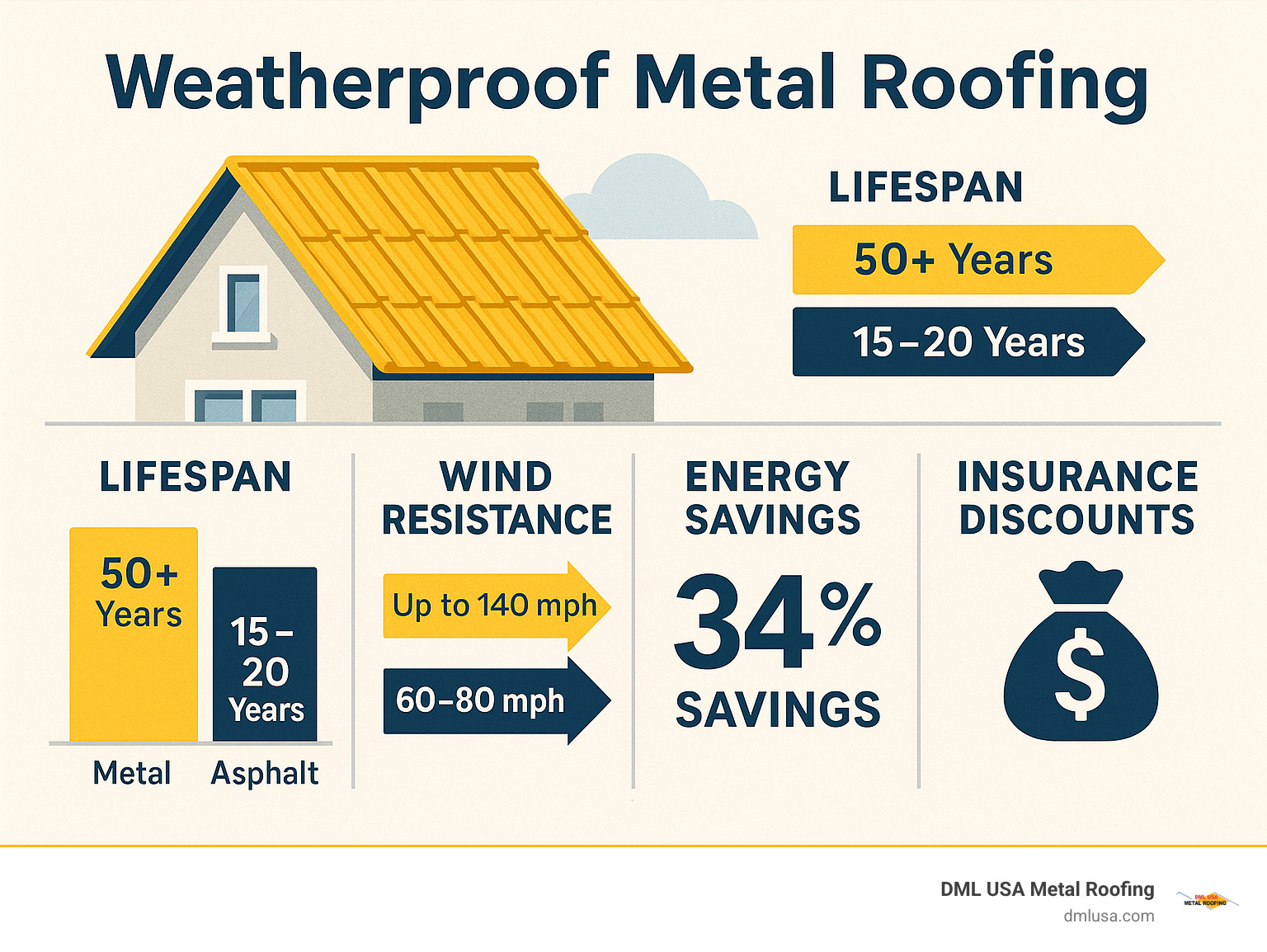
Weatherproof metal roofing combines galvanized steel, aluminum, or other metal alloys with advanced coatings that block corrosion, fading, and fire. The result is a roof that shrugs off extreme weather and routinely lasts 50 years or morefar longer than asphalt shingles.
Why homeowners choose it:
– Wind resistance: Tested to 14060 mph with proper fastening, compared with 6080 mph ratings for asphalt.
– Long lifespan: 3050+ years of service with minimal upkeep.
– Energy savings: Reflective finishes cut heat gain by up to 34%.
– Fire protection: Class A, non-combustible performance.
– Insurance perks: Many carriers offer premium reductions for impact- and fire-rated metal roofs.
– Sustainability: About 30 % recycled content today, 100 % recyclable tomorrow.
Recent hurricanes have shown how quickly conventional roofs fail. Properly installed metal panels interlock to form a single, rigid shell that resists Category 5 wind speeds and sheds water before it can find a path inside.
Installation is light on your structureroughly one-third the weight of tile or asphaltallowing many homes to keep their old shingles in place and avoid landfill waste.
I’m Adam Kadziola. Since founding DML USA Metal Roofing in 2007, our Illinois family business has watched thousands of customers trade repeat roof replacements for the maintenance-free confidence of weatherproof metal roofing.
Weatherproof metal roofing word roundup:
– Class A roofing materials
– Eco-friendly roofing solutions
– class a fire resistance rating
How Weatherproof Metal Roofing Differs from Traditional Materials
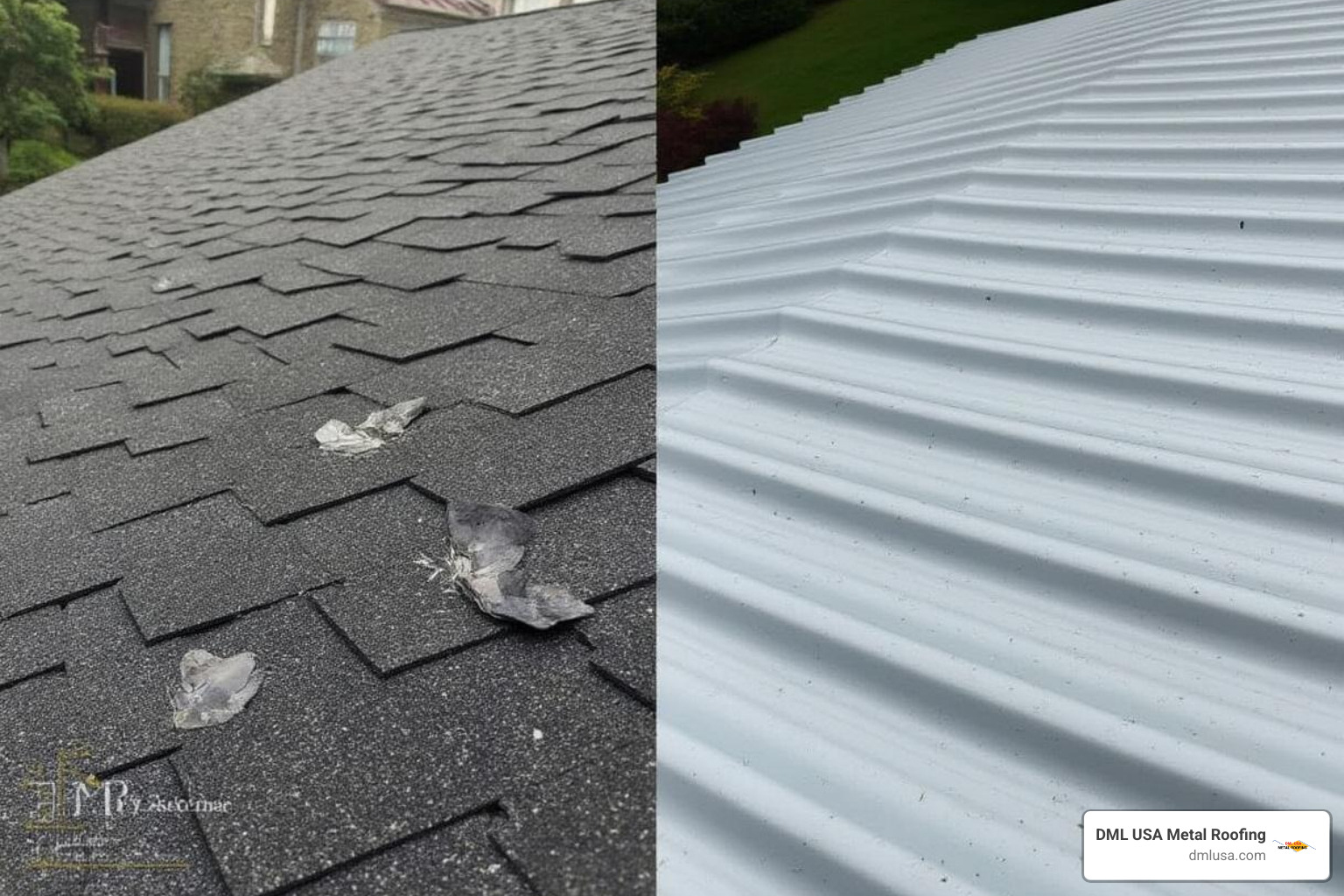
Asphalt shingles typically last 1520 years and can tear away in 8610 mph winds. Metal roofing, by contrast, remains watertight in 140 mph storms, resists hail impacts, never rots or molds, and will not ignite from wildfire embers.
Key Components that Make a Roof “Weatherproof”
- Standing-seam panels with concealed fasteners eliminate thousands of leak points.
- High-temperature synthetic underlayment protects the deck if panels are ever damaged.
- PVDF (Kynar 500) finishes offer 40-year fade and chalk warranties while reflecting solar heat.
- Lightweight structure eases installation over existing roofs and reduces landfill waste.
With these features working together, weatherproof metal roofing delivers decades of reliable, low-maintenance protectiona smart investment for any modern homeowner.
Weatherproof Metal Roofing vs Extreme Weather Threats
When storms turn severe, your roof is the first line of defense. Weatherproof metal roofing is engineered to stay put in hurricane-force winds, repel hail, and shed heavy rain or snow before problems start.
High-Wind & Hurricane Performance
Interlocking standing-seam panels distribute wind loads across the entire roof instead of letting gusts lift individual shingles. In TAS 125 uplift tests they hold fast up to 160 mphwell beyond the 6080 mph limits of typical asphalt.
Hail & Impact Resistance
Metal panels carrying a UL 2218 Class 4 rating shrug off 2-inch hail that cracks and dislodges granules from asphalt shingles. Thicker gauges or stone-coated steel bump that protection even higher and may open up additional insurance discounts.
Rain, Ice & Snow Management
A slick metal surface drains water quickly and naturally releases snow, lowering ice-dam risk and heavy snow loads. Reflective coatings also stabilize attic temperatures, cutting heat gain up to 34 % in summer and limiting freeze-thaw cycles in winter.
Fire Safety Benefits
With a Class A, non-combustible rating, metal roofing resists ember attack in wildfire zones and wont fuel a house fire. Homeowners in high-risk regions often see premium savings for choosing metal over combustible materials.
Scientific research on FEMA roofing guidance confirms that these combined advantages dramatically reduce storm damage and loss claims compared with traditional roofs.
Types, Styles & Expected Lifespan
Weatherproof metal roofing is anything but one-size-fits-all. Today, you can find a style and finish to match every home, from farmhouses to modern builds—and enjoy the unbeatable durability that metal brings.
The most popular option is the standing seam roof. Its signature look comes from raised seams running from ridge to eave. These seams channel water efficiently and hide the fasteners, which means fewer chances for leaks. With minimal maintenance, a standing seam metal roof often lasts 50 years or more, making it a favorite for those who want protection and peace of mind that lasts a lifetime.
If you like a classic, rugged look, corrugated metal panels might be your style. These wavy sheets are instantly recognizable—think barns, workshops, or modern industrial homes. Corrugated roofs use visible fasteners and are a budget-friendly choice, but they still provide strong weather protection and can last 30–40 years with proper care.
For those who want traditional beauty but cutting-edge performance, metal can mimic nearly any roofing material. Metal shingles, shakes, and slate profiles capture the charm of wood or stone without the headaches—no rotting, warping, or moss. Stone-coated metal adds a textured finish for more curb appeal and extra impact resistance. These options blend with classic architecture, and you still get that impressive 40–50 year service life.
For homeowners who want only the best, materials like copper and zinc are the gold standard. These premium metals develop a graceful patina over time and can protect your home for 75 to 100 years—or even longer. While initial costs are higher, you’re paying for a roof that could truly last a lifetime (or two).
Here’s a quick snapshot to help you compare your options:
| Profile Type | Gauge Options | Expected Lifespan | Best Applications |
|---|---|---|---|
| Standing Seam | 24-26 ga | 50+ years | Residential, Commercial |
| Corrugated | 26-29 ga | 30-40 years | Agricultural, Industrial |
| Metal Shingle | 24-26 ga | 40-50 years | Traditional Homes |
| Stone-Coated | 26 ga | 30-50 years | High-Impact Areas |
| Copper/Zinc | 16-20 oz | 75-100+ years | Premium Applications |
Weatherproof Metal Roofing Style Gallery
One of the joys of weatherproof metal roofing is its versatility. Whether you want a modern showpiece or something with classic character, there’s an option for you. For example, standing seam panels make a modern farmhouse look crisp and fresh, while metal shingles or shakes fit right in with traditional or historic homes.
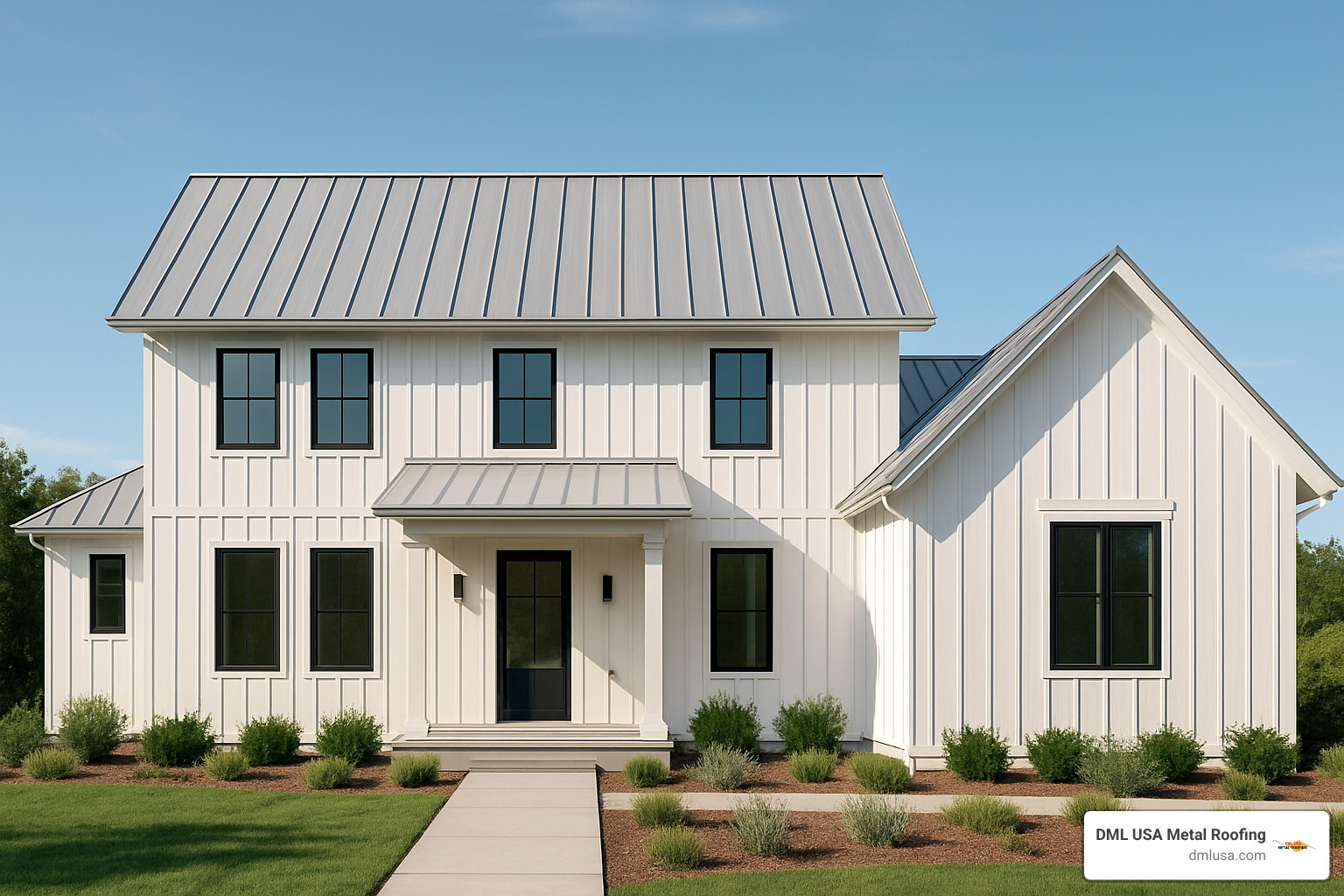
Color choices are no longer limited to “metallic gray.” Today, you can pick from a wide spectrum—earthy browns, forest greens, bold reds, cool blues—so your roof complements your home’s personality. Thanks to advanced coatings, these colors stay vibrant for decades, even under harsh sun.
Texture is another way to make your roof stand out or blend in. Choose a smooth finish for a sleek look, go for embossed patterns that mimic wood or slate, or pick a stone-coated surface for extra texture and durability. Learn more about DML USA’s product options here.
Selecting the Right System for Your Architecture & Code
Choosing the perfect weatherproof metal roofing system isn’t just about good looks—it’s also about safety and compliance. Building codes can differ depending on where you live, especially if you’re in a region prone to hurricanes or high winds.
Areas like Florida have High Velocity Hurricane Zone (HVHZ) requirements. Metal roofing systems often not only meet but exceed these tough standards. For maximum peace of mind, look for products with Miami-Dade County approvals—these are some of the strictest in the world and mean your roof has been tested for wind, water, and impact resistance.
Nationally recognized standards like ANSI/SPRI/FM 4435/ES-1 give reassurance that a system performs as promised. These test the roof as a whole, not just one part, making sure every element works together under real-world conditions.
Don’t forget to check your local building codes for fire ratings, wind resistance, and energy efficiency requirements. The great news? Weatherproof metal roofing from DML USA regularly exceeds these standards, so you’re not just meeting the code—you’re future-proofing your home.
If you need help matching a roofing system to your style, climate, and local code, DML USA Metal Roofing is here to guide you every step of the way.
Energy Efficiency & Sustainability Advantages
When you choose weatherproof metal roofing, you’re not just protecting your home—you’re making a smart environmental choice that pays dividends for decades. The energy savings alone can be substantial, but the environmental benefits make it even more compelling.
That shiny metal roof actually keeps your home cooler than traditional dark asphalt shingles. Cool roof coatings work by reflecting solar energy instead of soaking it up. While your neighbor’s asphalt roof is busy absorbing heat and turning their attic into an oven, your metal roof is bouncing that energy right back.
Solar reflectance measures how much sunlight gets reflected away rather than absorbed as heat. Quality metal roofing reflects about 70% of solar energy. Compare that to dark asphalt shingles that absorb most of that solar radiation and pump it straight into your house as unwanted heat.
But reflection is only half the story. Emissivity ratings tell us how quickly your roof releases any heat it does absorb. High-emissivity metal roofing dumps that heat fast after sunset, letting your home cool down naturally instead of radiating stored heat all night long.
These thermal superpowers don’t just feel good—they qualify for energy tax credits and utility rebates in many areas. The combination of federal tax incentives and local utility programs can take a serious bite out of your installation costs while delivering energy savings month after month.
And here’s the sustainability bonus: metal roofing contains approximately 30% recycled content, mostly from recycled steel and aluminum. When your roof finally reaches the end of its 50+ year service life, it’s 100% recyclable. No landfill, no waste—just materials ready for their next life. More info about resources shows you how this sustainable cycle works.
Lower Cooling & Heating Bills with Weatherproof Metal Roofing
The Florida Solar Energy Center found something remarkable: 34% less heat gain compared to asphalt shingles. That’s not just a number on paper—it’s real money staying in your pocket every month your air conditioner doesn’t have to work overtime.
If your current cooling bill is $200 a month during peak summer, that 34% reduction could save you around $68 monthly. Over a typical metal roof’s 50-year lifespan, those savings really add up.
Radiant barriers can work alongside your metal roofing to boost these energy benefits. These reflective barriers prevent radiant heat from sneaking into your attic space, keeping your indoor temperatures more consistent with less strain on your HVAC system.
The key is proper ventilation design that works with your metal roof’s natural properties. Ridge vents and soffit ventilation create airflow that whisks away any heat buildup, while the metal surface is already reflecting most solar energy before it can cause problems.
Winter brings its own energy benefits too. Metal roofing’s tight seams prevent air infiltration—no more paying to heat the outdoors through roof leaks. The reflective properties that keep you cool in summer help retain radiant heat inside during winter months.
Environmental Payback & LEED Points
If you’re thinking about green building certification, weatherproof metal roofing is your friend. It contributes to LEED certification through multiple categories: high recycled content, complete recyclability, exceptional durability, and superior energy efficiency.
The National Association of Homebuilders Research Center estimates that 20 billion pounds of asphalt shingles hit U.S. landfills every year. That’s roughly equivalent to the weight of 100,000 blue whales—but it’s all sitting in landfills instead of swimming in the ocean.
Metal roofing’s 50+ year lifespan means you’ll never contribute to that waste stream. While your neighbors might replace their roofs two or three times, you’re still covered by the same metal roof, eliminating multiple trips to the landfill.
Over-roof installations save even more environmental costs. When we can install your new metal roof over existing asphalt shingles, those old materials stay put instead of heading to the dump. You save on installation labor and disposal costs while keeping more waste out of landfills.
The embodied carbon calculations tell an interesting story. Manufacturing metal roofing might use more energy upfront than some alternatives. But spread that environmental cost over 50+ years of service, and the yearly environmental impact becomes remarkably low. It’s like buying a hybrid car—the initial investment pays environmental dividends for decades.
Installation, Maintenance & Total Cost of Ownership
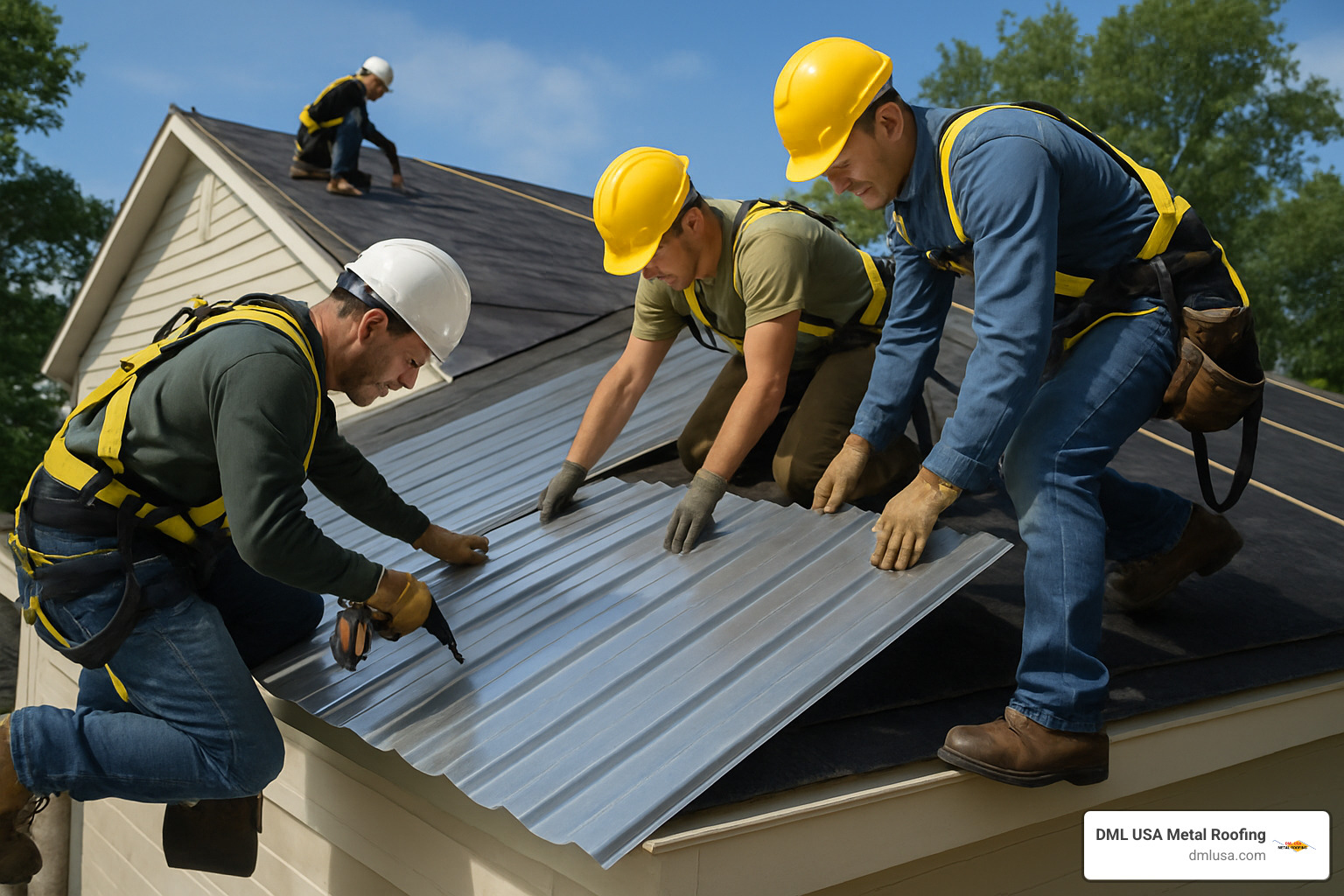
Lightweight panels make weatherproof metal roofing fast to install and easy on your homes structure, often going directly over a sound shingle roof and sparing you a costly tear-off.
Streamlined Installation, Step by Step
- Roof assessment: Inspect decking; repair weak sections.
- Underlayment: Apply high-temp synthetic membrane for a watertight secondary barrier.
- Panel layout: Follow manufacturer fastening patterns that allow thermal movement and deliver the full wind rating.
- Flashing & trim: Seal valleys, eaves, and penetrations to lock out moisture.
A typical single-family home can be completed in days, not weeks, with minimal disruption.
Minimal Routine Care
Annual visual checks and gutter cleaning are usually all thats required. Standing-seam systems hide fasteners, so there are few components to tighten or replace. Factory finishes resist fading and rarely need repainting.
Upfront Cost vs Lifetime ROI
While the initial price exceeds a basic asphalt roof, the math tips in your favor over time:
* One roof vs three. Asphalt often needs two or three replacements in 50 yearsmetal usually needs none.
* Energy savings. Reflective coatings can trim cooling bills by up to 34 %.
* Insurance discounts. Impact and fire ratings may cut premiums 1035 %.
* Higher resale value. Buyers pay more for a home that wont need a roof for decades.
Add it up and weatherproof metal roofing from DML USA typically delivers the lowest total cost of ownership and the least maintenance hassle for Illinois homeowners.
Frequently Asked Questions about Weatherproof Metal Roofing
What certifications should I look for?
When choosing weatherproof metal roofing, it’s important to look for trusted certifications that prove your roof is up to the task—no matter what Mother Nature throws your way. Systems that are tested to ANSI/SPRI/FM 4435/ES-1 standards have been put through the paces as complete roofing systems, not just individual panels or parts. If you see FM Approval and Miami-Dade County approvals, you’re looking at roofing that’s met some of the toughest standards in the country for wind and water resistance.
For hail protection, check for the UL 2218 Class 4 impact rating—the highest level of impact resistance, meaning your roof can take a beating and keep on protecting your home. If energy savings are on your wish list, look for Energy Star certification. This means the roof reflects more sunlight and can help shrink your cooling bills.
These certifications don’t just offer peace of mind for you—they often help you qualify for insurance discounts and energy rebates, too. For more details about standards, check out our resources.
Can Weatherproof Metal Roofing be installed over my existing roof?
In most cases, yes! One of the great things about weatherproof metal roofing is that its lightweight panels (about one-third the weight of traditional roofing) can usually be installed right over your existing asphalt shingles. No messy tear-off, no big piles of old shingles going to the landfill, and you save on both labor and disposal costs.
A professional installer will put down a proper underlayment to separate the metal from your existing shingles. This underlayment acts as a barrier, making sure the two materials don’t interact in ways you don’t want. Just keep in mind, local building codes may have specific rules about over-roof installations—so it’s always best to have an expert evaluate your home first. That way, you’ll know you’re getting the best performance and following all the rules.
Will a metal roof make my home hotter or noisier?
This is a question we get a lot! The short answer: no—in fact, it’s quite the opposite. Properly installed weatherproof metal roofing actually keeps your home cooler. Thanks to its reflective surface, it can cut down on heat gain by up to 34% compared to standard asphalt shingles. Add in cool roof coatings, and you’ll enjoy an even bigger boost in comfort and energy savings.
Worried about noise? You’re not alone, but here’s the good news: when metal roofing is laid over solid decking with quality underlayment (which is standard for homes), it’s about as quiet as any other roof. The stories about loud “pinging” usually come from metal roofs installed over open framing in barns or sheds, not houses. In a properly installed residential roof, rain sounds more like a soft patter—not a drumline.
If you have more questions about weatherproof metal roofing, or want to find why so many Illinois homeowners trust DML USA Metal Roofing, just reach out. We’re always happy to help you make the best choice for your home!
Conclusion
When severe storms threaten your home, you want protection you can count on. Weatherproof metal roofing delivers that peace of mind with wind resistance up to 140 mph, a service life exceeding 50 years, and energy savings of 34% compared to traditional materials.
The math is simple: while other roofing materials require replacement every 15-20 years, metal roofing protects your home for decades with virtually no maintenance. That’s fewer disruptions to your life, less waste in landfills, and more money staying in your pocket.
At DML USA Metal Roofing, we understand that your roof is more than just protection – it’s an investment in your family’s comfort and security. Since 2007, our Illinois-based, family-owned company has helped homeowners across the region find the lasting value of maintenance-free metal roofing. We’ve seen how the right roof transforms not just a home’s appearance, but the owner’s confidence during every storm season.
The benefits keep adding up over time. Energy tax credits help offset the initial investment, while insurance discounts reward your smart choice with ongoing savings. The fire resistance, wind protection, and impact resistance that make metal roofing so durable also make it attractive to insurance companies – and that translates to real money back in your pocket year after year.
Whether you’re building new or ready to replace an aging roof, the choice becomes clear when you consider the total picture. Weatherproof metal roofing combines superior weather protection with energy efficiency and environmental responsibility in a way that traditional materials simply cannot match.
From our Northlake and Chicago locations, we’re here to help you make the smartest roofing decision for your home’s future. More info about Why Choose Metal Roofing shows you exactly how metal roofing can work for your specific situation and budget.
The evidence speaks for itself: weatherproof metal roofing offers the durability, efficiency, and peace of mind that makes it the wisest roofing investment you can make. Your future self will thank you for choosing protection that lasts.